Best Budget Tassel Drop Earrings: 2026 Value Guide
Discover the best budget tassel drop earrings in 2026. We analyze materials, pricing tiers, and structural value to help you avoid cheap jewelry traps.

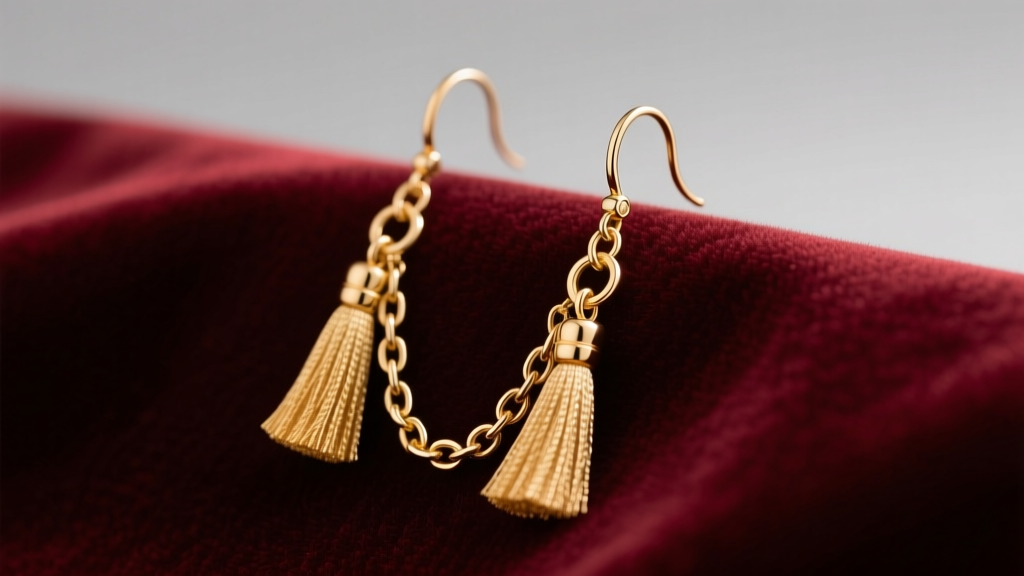
Tassel drop earrings have remained a dominant force in jewelry trends, offering a blend of kinetic movement and effortless elegance. However, the market is flooded with options ranging from $5 fast-fashion pieces to $500 fine jewelry staples. For the budget-conscious consumer in 2026, the challenge is not finding a pair of tassel drop earrings; it is finding a pair that will not tarnish, unravel, or cause contact dermatitis after three wears. This comprehensive value assessment breaks down the anatomy, materials, and structural integrity of budget-friendly tassel drops, ensuring your investment delivers maximum cost-per-wear.
The Anatomy of Value: What Makes Tassel Drops Worth Your Money?
When evaluating budget jewelry, the devil is in the micro-details. A tassel drop earring consists of three primary stress points: the post (which interacts with your skin), the binding cap (which secures the tassel), and the tassel body itself. In sub-$20 earrings, manufacturers typically cut corners at the binding cap, using industrial adhesives instead of soldered jump rings. Over time, exposure to natural skin oils, humidity, and the mechanical stress of walking causes these glued caps to fail, resulting in the tassel detaching from the earring post.
"The true cost of cheap jewelry is not just the initial purchase price, but the accelerated replacement cycle caused by poor structural engineering and reactive base metals."
To achieve genuine value, you must look for mechanical attachments—such as crimped metal beads or soldered loops—rather than chemical adhesives. Furthermore, the base metal dictates the longevity of the piece. While solid 14k gold is out of reach for strict budgets, high-quality vermeil and surgical-grade steel offer exceptional middle-ground value.
2026 Price Tier Breakdown: Where Does the Real Value Sit?
Not all budget categories are created equal. Below is a structural analysis of the current market tiers for tassel drop earrings, highlighting where the highest return on investment (ROI) exists for everyday wearers.
| Market Tier | Price Range | Base Material | Tassel Type | Attachment Method | Expected Lifespan |
|---|---|---|---|---|---|
| Fast Fashion | $5 - $18 | Brass/Copper Alloy | Synthetic Thread | Glued Cap | 1 - 3 Months |
| Mid-Tier Value | $35 - $75 | 925 Sterling Silver | Silk or Chain | Soldered/Crimped | 2 - 5 Years |
| Accessible Fine | $90 - $150 | 14k Solid Gold | 14k Gold Chain | Soldered Jump Ring | Lifetime |
As the data illustrates, the Mid-Tier Value ($35 - $75) represents the sweet spot for budget-conscious buyers. At this price point, you transition away from reactive brass alloys and enter the realm of 925 sterling silver bases, which drastically reduces the risk of skin irritation and structural failure.
Material Deep-Dive: Avoiding the "Green Ear" Trap
The most common complaint with budget tassel drop earrings is the dreaded "green ear" phenomenon, accompanied by itching and redness. This is caused by the oxidation of copper and brass alloys reacting with the acids in your sweat. According to the Mayo Clinic, nickel is also a pervasive allergen found in cheap white gold and silver-plated jewelry, affecting up to 18% of the population.
The Vermeil Standard
If you prefer the look of gold on a budget, you must understand the difference between "gold-plated" and "gold vermeil." Gold-plated jewelry can use any base metal (often brass) and has no minimum thickness requirement for the gold layer. Gold vermeil, however, is strictly regulated. According to the Federal Trade Commission, vermeil must have a 925 sterling silver base and a gold coating of at least 2.5 microns thick. When shopping for gold-toned tassel drop earrings under $80, always verify the listing specifies "vermeil" and "925 silver" to ensure you are getting a hypoallergenic, durable product.
Structural Integrity: Thread vs. Chain Tassels
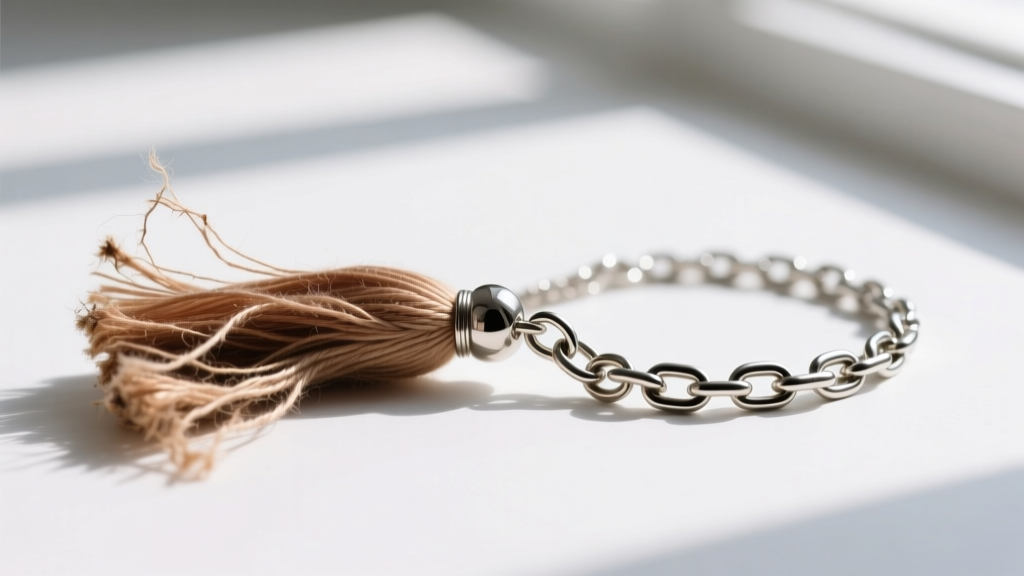
The material of the tassel itself dictates the maintenance required and the failure modes you will encounter. Budget tassel drop earrings generally fall into two categories: thread and chain.
Thread Tassels (Silk, Nylon, Cotton)
- The Appeal: Lightweight, vibrant, and highly affordable.
- Failure Modes: Fraying at the base, color bleeding when exposed to rain or sweat, and absorption of environmental odors.
- Value Tip: Look for tightly wound silk or high-denier nylon. Avoid loosely spun cotton, which acts like a wick for skin oils and perfumes, leading to rapid discoloration.
Chain Tassels (Cable, Rolo, Snake)
- The Appeal: Luxurious movement, metallic sheen, and easy to clean.
- Failure Modes: Tangling, kinking, and the deformation of the micro-jump rings that attach the chains to the main earring body.
- Value Tip: Opt for "cable" or "rolo" chains rather than "snake" chains. Snake chains are notorious for trapping hair and snapping under the tension of a heavy tassel drop, whereas cable chains offer superior tensile strength and easy detangling.
Weight Distribution and Gauge Sizing: The Hidden Comfort Factors
Aesthetics aside, the physical weight of tassel drop earrings can cause significant discomfort if the structural engineering is ignored. Standard earlobe piercings are typically 20-gauge (0.81mm) or 18-gauge (1.02mm). When a long chain tassel drop earring exceeds 12 to 15 grams in weight, a thin 20-gauge post will create the "cheese-cutter effect," slowly migrating downward through the earlobe tissue and causing permanent stretching or tearing.
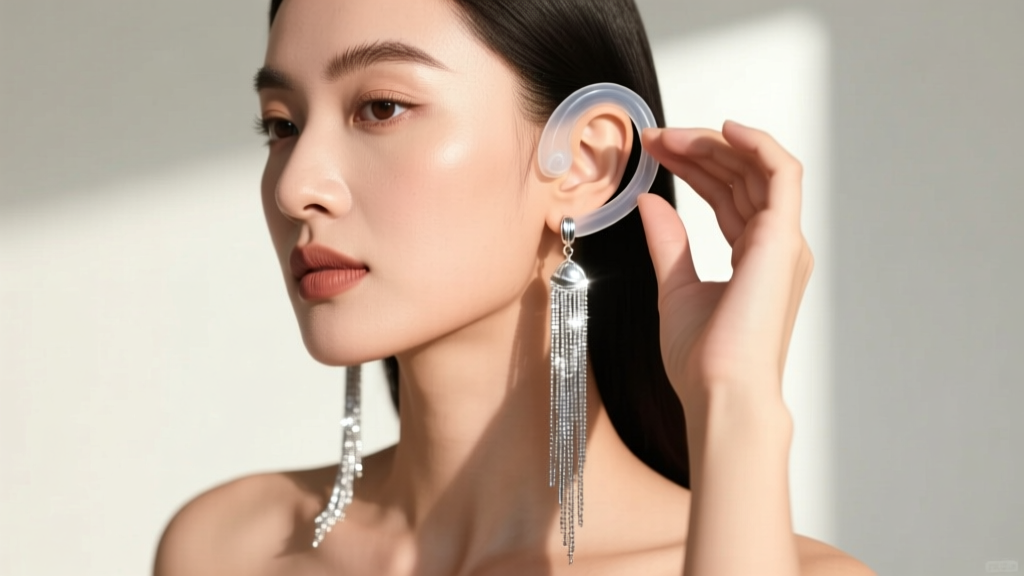
To mitigate this on a budget, look for budget brands that utilize 18-gauge or 16-gauge posts for their heavier drop styles. Additionally, investing in clear silicone earring lifters (often sold under brand names like BlingWraps) provides a wide, supportive backing that distributes the weight of the tassel across a larger surface area of the earlobe, preventing the painful forward droop that plagues long drop styles.
Care & Maintenance Framework for Maximum ROI
Extending the lifespan of budget tassel drop earrings requires specific care protocols that differ from standard stud or hoop maintenance. The Gemological Institute of America recommends tailored cleaning methods based on material porosity, which is critical when dealing with mixed-media tassel drops.
- Never Use Ultrasonic Cleaners on Thread: While ultrasonic cleaners are excellent for solid metal chain tassels, the high-frequency vibrations will instantly unravel the binding of silk or nylon thread tassels and dissolve the adhesives used in budget caps.
- Chain Tassel Detangling: If your chain tassels become knotted, lay them flat on a glass surface, apply a single drop of baby oil or mineral oil to the knot, and use two fine sewing needles to gently work the links apart. Never pull from the ends, as this will warp the jump rings.
- Storage Protocol: Tassel drop earrings should never be tossed into a communal jewelry box. Thread tassels must be stored flat in a dust bag to prevent crushing, while chain tassels should be hung from a jewelry tree or stored in individual anti-tarnish ziplock bags with 3M anti-tarnish strips to prevent the sterling silver base from oxidizing.
Final Verdict: Maximizing Your Earring Budget
Finding high-value tassel drop earrings on a budget in 2026 requires looking past the initial visual appeal and scrutinizing the manufacturing details. By insisting on 925 sterling silver bases, mechanical soldered attachments, and appropriate post gauges for the earring's weight, you can secure pieces that offer the luxury and movement of fine jewelry at a fraction of the cost. Avoid the fast-fashion trap, invest in the mid-tier vermeil and surgical steel market, and your tassel drops will remain a staple in your rotation for years to come.


