Burnt Orange Earrings Care: Cleaning Enamel, Clay & Gems
Learn how to safely clean burnt orange earrings made of enamel, polymer clay, anodized titanium, and carnelian with expert care tips.

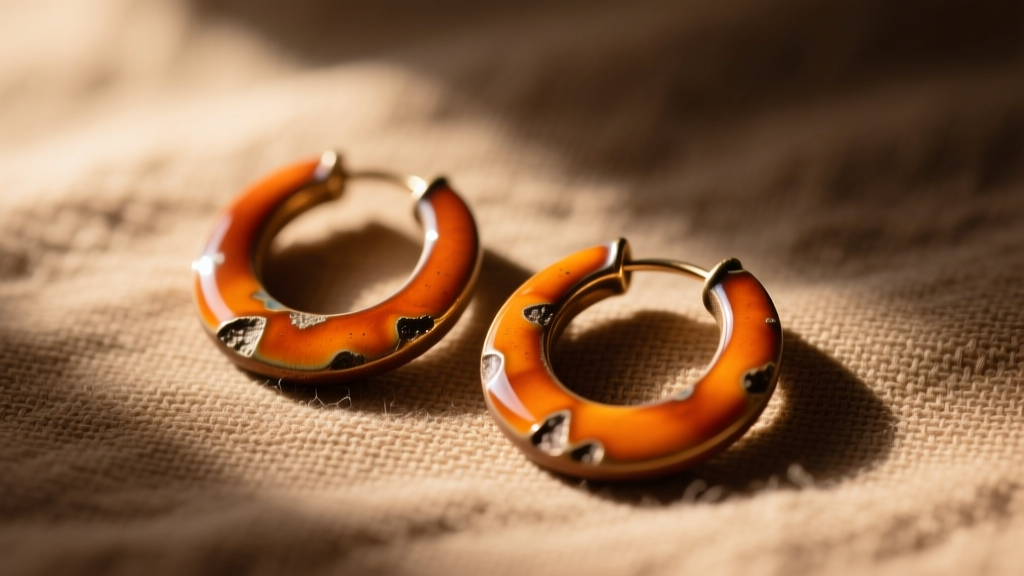
Burnt orange is a highly sought-after hue in jewelry, evoking autumn leaves, desert sunsets, and bohemian warmth. However, when shopping for or caring for burnt orange earrings, you must understand that "burnt orange" is merely a color profile, not a base material. The care protocol for a pair of burnt orange vitreous enamel hoops is drastically different from that of anodized titanium cartilage studs or natural carnelian drops. Using the wrong cleaning agent—such as an ultrasonic bath on cold enamel or alcohol on polymer clay—can result in irreversible clouding, color shifting, or structural degradation.
This comprehensive guide breaks down the exact material science and maintenance protocols required to keep your burnt orange earrings vibrant, hygienic, and structurally sound, ensuring your investment lasts for years.
The Material Matrix: What Makes Your Earrings Burnt Orange?
Before applying any cleaning solution, you must identify the medium used to achieve the burnt orange color. The vulnerability of the earring dictates the cleaning method.
| Material | Common Styles | Durability / Mohs | Primary Vulnerability |
|---|---|---|---|
| Vitreous Enamel | Hoops, Huggies, Studs | High (Glass-like) | Impact chipping, thermal shock |
| Cold Enamel (Resin) | Statement Dangles | Low-Medium | UV yellowing, chemical clouding |
| Polymer Clay | Oversized Dangles, Drops | Low (Flexible) | Surface staining, sealant stripping |
| Anodized Titanium | 16g/14g Cartilage Flat Backs | Very High (Metal) | Oxide layer abrasion (color loss) |
| Carnelian / Sunstone | Teardrop Drops, Cabochon Studs | 6.5 - 7.0 (Mohs) | Dye bleeding (if treated), thermal shock |
Step-by-Step Cleaning Protocols by Material
1. Vitreous and Cold Enamel
Vitreous enamel is created by fusing powdered glass to metal in a kiln, while cold enamel is a two-part epoxy resin poured into metal recesses. Vitreous enamel is highly durable but can shatter if dropped on tile. Cold enamel, however, is highly reactive to chemicals.
The Protocol: Mix a 1:10 ratio of pH-neutral dish soap (like Dawn) to lukewarm water. Dip a microfiber cloth into the solution, wring it out until it is merely damp, and gently wipe the enamel surface. Dry immediately with a lint-free cloth.
Failure Mode to Avoid: Never use ammonia-based glass cleaners or rubbing alcohol on cold enamel. Ammonia breaks down the epoxy resin binders over time, leading to a milky, opaque finish that cannot be reversed. Furthermore, never place enamel earrings in an ultrasonic cleaner; the high-frequency vibrations can cause microscopic fractures in vitreous enamel, eventually causing the glass to flake off the metal backing.
2. Polymer Clay and Acrylic Resin
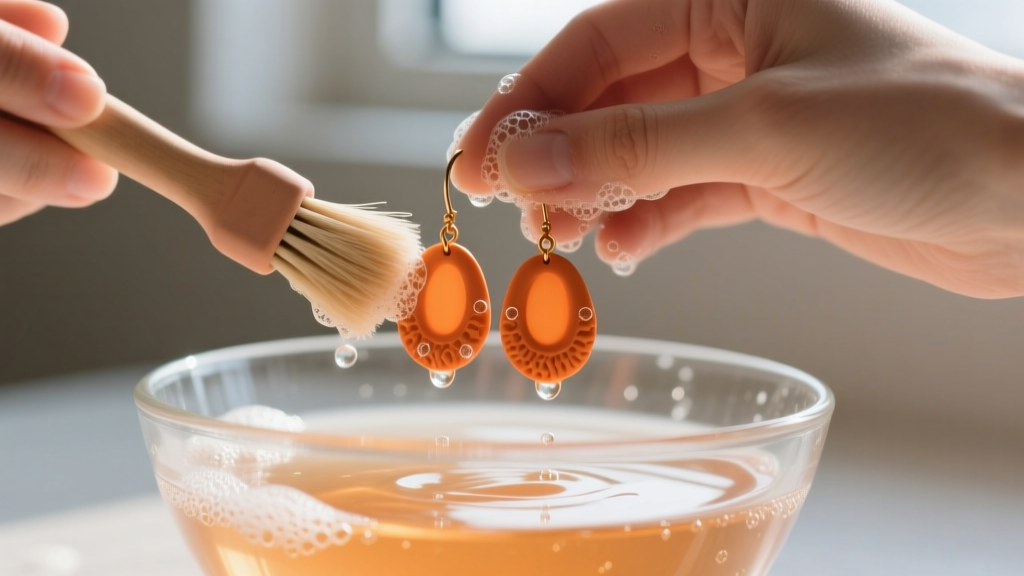
Polymer clay is a favorite for lightweight, oversized burnt orange dangle earrings. The color is baked into the PVC base, but the surface is almost always sealed with a polyurethane varnish to prevent dust accumulation and moisture damage.
The Protocol: Use a soft, baby-hair toothbrush dipped in warm, soapy water to gently agitate dirt from textured surfaces. Rinse quickly under a low-pressure tap and pat dry.
Troubleshooting Makeup Stains: The biggest threat to burnt orange polymer clay is cosmetic staining. Bronzers and self-tanners contain DHA (dihydroxyacetone) and iron oxides that can penetrate microscopic scratches in the sealant. To lift these stains without stripping the polyurethane topcoat, apply a single drop of mineral oil to a cotton swab. Gently massage the stained area for 30 seconds; the oil will help solubilize the cosmetic pigments. Wipe clean with a damp cloth. Never use acetone or rubbing alcohol, as these will instantly dissolve the protective sealant, leaving the raw clay sticky and porous.
3. Anodized Titanium (16g & 14g Cartilage Studs)
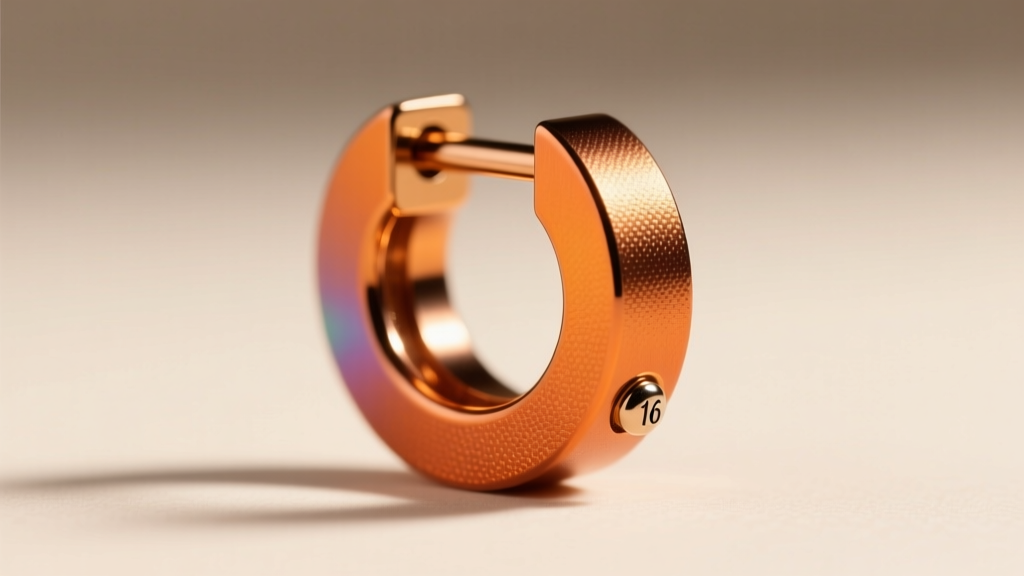
For cartilage piercings like the conch, tragus, or helix, burnt orange is frequently achieved using anodized titanium (typically ASTM F136 Ti-6Al-4V). Anodization is an electrolytic process that thickens the natural titanium dioxide layer on the metal's surface. The burnt orange hue is not a dye or paint; it is created by light interference through an oxide layer grown at approximately 75 to 90 volts.
The Protocol: Clean anodized titanium flat-back earrings using sterile saline wound wash (0.9% sodium chloride) or a mild, fragrance-free glycerin soap. Use a soft-bristled brush to clean the post and threading.
Failure Mode to Avoid: According to the Association of Professional Piercers (APP), you must avoid abrasive polishing cloths (like those treated for silver tarnish). These cloths contain micro-abrasives that will physically wear down the nanometer-thin oxide layer. If you polish anodized titanium, you will literally scrub the color off, shifting your vibrant burnt orange to a dull, patchy bronze. The color is structural; treat it with the same care you would a gemstone facet.
4. Natural Gemstones (Carnelian and Sunstone)
When dealing with natural stones, burnt orange is most commonly represented by carnelian (a chalcedony quartz) or sunstone (a feldspar). Carnelian ranks between 6.5 and 7 on the Mohs hardness scale, making it relatively durable, but it has hidden vulnerabilities.
The Protocol: Clean with warm water, mild soap, and a soft cloth. According to the Gemological Institute of America (GIA), carnelian is generally safe for ultrasonic cleaners, unless the stone has internal fractures or has been dye-treated. Many commercial burnt orange carnelian stones are actually gray agates that have been heated and dyed to achieve that deep orange hue. If your stone is dyed, the heat and cavitation bubbles of an ultrasonic cleaner will cause the dye to bleed, leaving you with a pale, mottled stone. Always default to manual cleaning to preserve the color integrity.
The Storage Standard: Preventing UV and Tarnish Damage
How you store your burnt orange earrings is just as critical as how you clean them. Different materials require different micro-climates to prevent degradation.
Expert Tip: Never store polymer clay earrings in direct sunlight or resting against printed paper (like magazines or newsprint). UV rays will degrade the plasticizers in the clay, making it brittle over time, while the plasticizers themselves can leach out and cause ink transfer from printed materials, permanently staining the porous surface.
- For Enamel and Metal: Store in a dark, dry jewelry box with anti-tarnish strips. While the enamel won't tarnish, the silver or brass backing and posts will oxidize when exposed to sulfur in the air.
- For Polymer Clay and Resin: Store in individual ziplock bags with a small silica gel packet. This prevents moisture trapping, which can cause cold enamel to bloom (develop a white, hazy film) and prevents clay from becoming tacky.
- For Gemstones: Keep carnelian and sunstone separated from harder stones like diamonds or sapphires. Even at a 6.5-7 hardness, carnelian can be scratched by harder materials, and deep scratches will disrupt the stone's natural translucency and color saturation.
Troubleshooting Common Color Loss Issues
Even with meticulous care, you may encounter issues with your burnt orange jewelry. Here is how to diagnose and address them:
My anodized titanium earring is turning purple or bronze.
This is a galvanic reaction. If your body chemistry is highly acidic, or if the earring is reacting with other metals in your piercing, the voltage of the oxide layer can shift. You can have the earring professionally re-anodized by a piercer or jeweler with an anodizer unit to restore the 75-90V burnt orange color.
My cold enamel looks cloudy and yellow.
Unfortunately, UV degradation in epoxy resins is a chemical change within the molecular structure. This yellowing cannot be polished out. To prevent this in the future, store resin-based burnt orange earrings in opaque, light-blocking boxes.
My clay earrings feel sticky to the touch.
This indicates plasticizer leaching, often caused by storing the earrings in extreme heat (like a car dashboard) or using a harsh chemical cleaner that broke down the PVC bonds. Wipe them down with a dry microfiber cloth and store them in a cool, climate-controlled environment.
By understanding the specific material science behind your burnt orange earrings, you can move beyond generic jewelry cleaning advice and implement targeted maintenance protocols that preserve the exact shade, texture, and structural integrity of your favorite pieces.


