How to Clean and Care for Vintage Eisenberg Earrings
Learn expert techniques to clean, maintain, and preserve vintage Eisenberg earrings without damaging delicate foil-backed rhinestones.

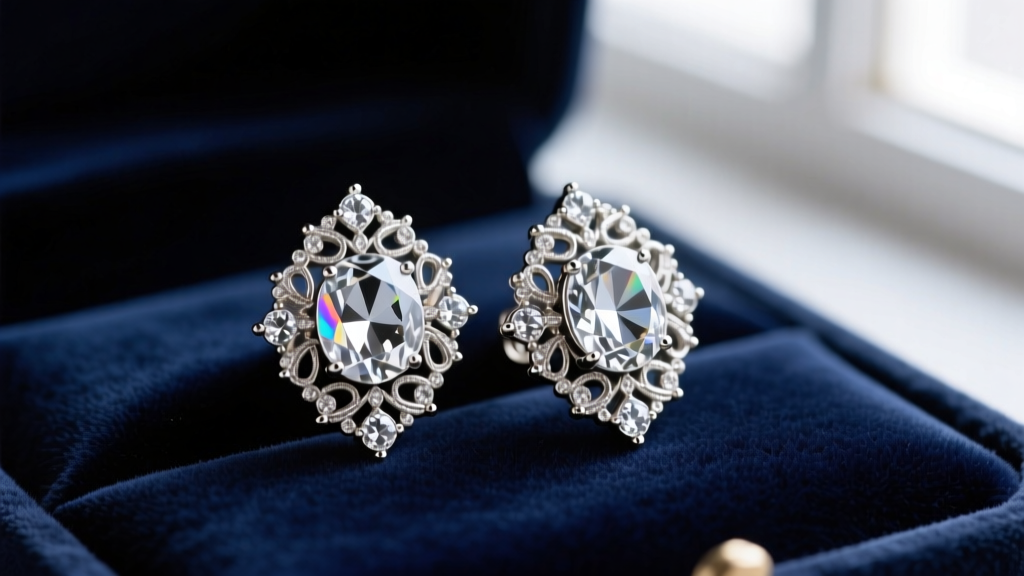
The Legacy of Eisenberg Earrings: Why Specialized Care Matters
Eisenberg & Sons remains one of the most revered names in the vintage costume jewelry market. Founded in 1914, the brand transitioned from embellishing high-end fashion to creating standalone jewelry lines that dominated the 1930s through the 1970s. Today, collectors in 2026 highly prize vintage Eisenberg earrings, particularly those bearing the 'Eisenberg Original' or 'Eisenberg Ice' hallmarks. These pieces are celebrated for their exceptional Austrian and Swarovski rhinestones, meticulous hand-set prongs, and brilliant metal finishes.
However, the very materials that give Eisenberg earrings their breathtaking sparkle also make them incredibly vulnerable to improper cleaning. Unlike fine jewelry crafted from solid gold and diamonds, vintage costume jewelry relies on base metals, thin plating, and foil-backed glass stones. A single mistake with modern cleaning chemicals or ultrasonic machines can permanently cloud a stone or strip a rhodium finish. Understanding the specific anatomy of your Eisenberg earrings is the first step toward preserving their historical and monetary value.
Identifying Your Eisenberg Earring Materials
Before applying any cleaning method, you must identify the era and materials of your earrings. Eisenberg's manufacturing processes shifted significantly over the decades, largely driven by wartime material rationing and evolving fashion trends.
| Material / Component | Common Era | Primary Vulnerability | Care Focus |
|---|---|---|---|
| Sterling Silver | 1930s - 1943 ('Eisenberg Original') | Tarnish, scratching | Gentle polishing, avoiding abrasive pastes |
| Rhodium-Plated Brass | Post-WWII - 1970s | Plating wear, base metal corrosion | Dry cleaning, avoiding liquid soaks |
| Foil-Backed Rhinestones | All Eras | Moisture infiltration, 'black death' | Strictly dry cleaning, zero submersion |
| Jeweler's Epoxy / Glue | Mid-Century repairs & settings | Heat, chemical solvents | Avoiding alcohol, acetone, and heat |
Step-by-Step Cleaning Guide for Eisenberg Rhinestones
The hallmark of an authentic vintage Eisenberg piece is the brilliance of its stones. Many of these rhinestones are foil-backed, meaning a thin layer of metallic foil is applied to the back of the glass to reflect light. If moisture breaches the setting, the foil oxidizes, turning black or cloudy—a condition collectors refer to as 'black death.' Once the foil is compromised, the stone cannot be restored.
What You Will Need
- A soft-bristled makeup brush or a dedicated, ultra-soft jeweler's brush
- Microfiber cloths (lint-free)
- Distilled water (never tap water, which contains minerals)
- A mild, phosphate-free dish soap (such as original Dawn)
- Wooden toothpicks or a soft silicone pick
- A 10x jeweler's loupe for inspection
The Dry-Brush Technique (Primary Method)
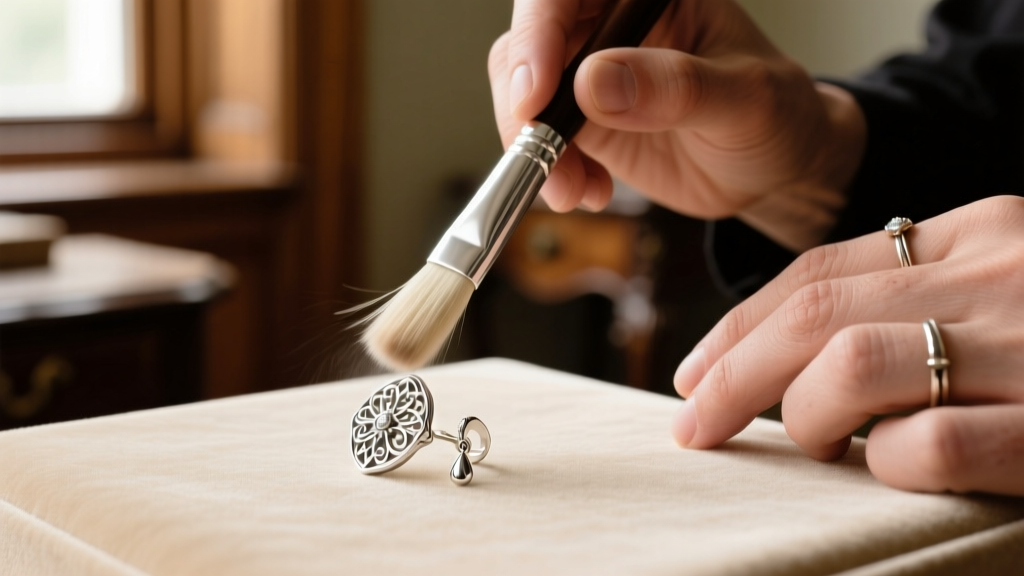
For routine maintenance and dust removal, the dry-brush technique is the safest approach. Lay the earring on a clean, soft towel. Using your soft-bristled brush, gently sweep across the surface of the rhinestones and into the crevices of the metalwork. Always brush in a circular motion to dislodge trapped skin oils, cosmetics, and dust without putting lateral pressure on the prongs. Use a wooden toothpick to carefully pick out stubborn debris from the metal filigree, ensuring you never scrape the glass stones.
The Damp-Cloth Method (For Metal Only)
If the metal framework requires deeper cleaning, you must isolate the stones from the moisture. Mix a single drop of mild dish soap into a small bowl of distilled water. Dampen a corner of your microfiber cloth in the solution, then wring it out until it is barely moist. Carefully wipe the metal surfaces, avoiding direct contact with the rhinestones. Immediately follow up with a dry section of the cloth to buff the metal and remove any residual moisture. According to the Lang Antiques vintage care guidelines, keeping moisture away from the stone settings is the single most important rule for preserving costume jewelry.
Critical Mistakes to Avoid When Cleaning Vintage Costume Jewelry
Many well-intentioned collectors ruin valuable Eisenberg earrings by treating them like modern fine jewelry. Avoid these catastrophic errors at all costs:
- Ultrasonic Cleaners: The high-frequency vibrations can shatter vintage glass rhinestones and shake loose hand-set prongs. The heat generated can also melt vintage adhesives.
- Commercial Silver Dips: Never dip rhodium-plated or gold-washed Eisenberg earrings into chemical silver cleaners. These harsh acids will strip the plating down to the base brass in seconds.
- Ammonia and Alcohol: These solvents can degrade the adhesive holding the stones in place and will instantly destroy the reflective foil backing on the rhinestones.
- Submersion: Never soak vintage earrings. Water will inevitably seep under the settings and ruin the foil backing.
'The brilliance of an Eisenberg Ice piece lies in its original foil-backed stones. Once moisture breaches the prong line, the oxidation is irreversible. Dry cleaning isn't just a recommendation; it is a strict requirement for preservation.' — Vintage Costume Jewelry Appraisal Standards.
Maintenance: Checking Prongs and Clip-On Tension
Cleaning is only half the battle; structural maintenance ensures your earrings remain wearable. Eisenberg was famous for hand-setting their stones using metal prongs rather than relying solely on glue. Over decades of wear, these prongs can lift, exposing the edges of the stones to snagging on clothing.
Tightening Prongs Safely
Using your 10x jeweler's loupe, inspect the perimeter of every stone. If you notice a lifted prong, do not attempt to push it down with your fingernail or standard metal pliers, which can scratch the rhodium or crack the stone. Use a brass or nylon-jaw prong pusher to gently apply pressure to the tip of the prong, bending it back over the girdle of the stone. For complex repairs, consult a professional who specializes in vintage costume jewelry, as base metals can become brittle with age.
Adjusting Clip-On Mechanisms
Many vintage Eisenberg earrings feature clip-on or screw-back mechanisms. Over time, the tension on clip-on paddles weakens, causing the earrings to slip off the earlobe. To adjust the tension, use nylon-jaw pliers to gently squeeze the hinge area. Never bend the metal back and forth, as vintage base metals are highly susceptible to metal fatigue and will snap if flexed repeatedly. If the earrings feature a screw-back mechanism, apply a microscopic drop of sewing machine oil to the screw thread to ensure smooth operation without stripping the vintage threads.
Proper Storage Environments for Long-Term Preservation
How you store your Eisenberg earrings is just as critical as how you clean them. The enemy of vintage costume jewelry is humidity, temperature fluctuation, and friction.
- Anti-Tarnish Solutions: Store each pair of earrings in its own individual anti-tarnish ziplock bag. These specialized polyethylene bags are treated with compounds that absorb sulfur and other airborne pollutants that cause brass and silver to tarnish.
- Climate Control: Keep your jewelry box in a climate-controlled room. Avoid storing Eisenberg pieces in bathrooms or basements where high humidity can accelerate the oxidation of both the metal plating and the stone foils.
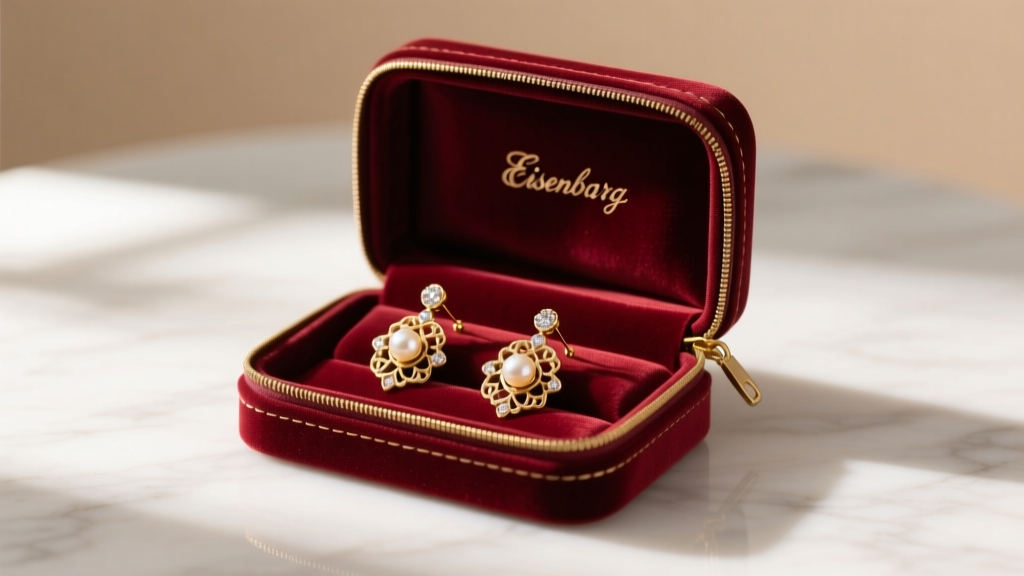
- Friction Prevention: Never toss multiple pieces into a single drawer. The hard rhinestones on one earring can easily scratch the rhodium plating or glass of another. Use a velvet-lined box with individual compartments, or wrap pieces in acid-free tissue paper before bagging them.
Sourcing Replacement Stones and Professional Restoration
Despite your best efforts, you may acquire an Eisenberg earring with a missing or dead stone. Sourcing exact replacements is a meticulous process. You must match not only the shape (e.g., chaton, baguette, marquise) and size in millimeters, but also the specific cut and color refraction of the original Austrian or Swarovski stones. The GIA Gem Care Guide notes that maintaining the original optical properties of vintage jewelry is essential for preserving its historical integrity.
If you cannot find a dead-stock vintage rhinestone to match, seek out specialized vintage jewelry restorers who maintain vast inventories of salvaged stones from donor pieces. Attempting to replace a missing stone with a modern, non-foil-backed acrylic or glass stone will drastically reduce the earring's collector value and disrupt the visual harmony of the piece.
Conclusion
Caring for vintage Eisenberg earrings requires a shift in mindset from modern jewelry maintenance to historical preservation. By embracing dry-cleaning techniques, respecting the fragility of foil-backed rhinestones, and storing your pieces in controlled, anti-tarnish environments, you ensure that these mid-century masterpieces continue to sparkle for generations to come. Treat every pair not just as an accessory, but as a wearable piece of fashion history that demands respect, patience, and expert handling.


