Best Materials For Mercedes Earrings: A Durability Guide
Discover the best materials for Mercedes earrings. We compare titanium, sterling silver, and surgical steel for durability, detail, and skin safety.

The Engineering Behind Automotive-Inspired Jewelry
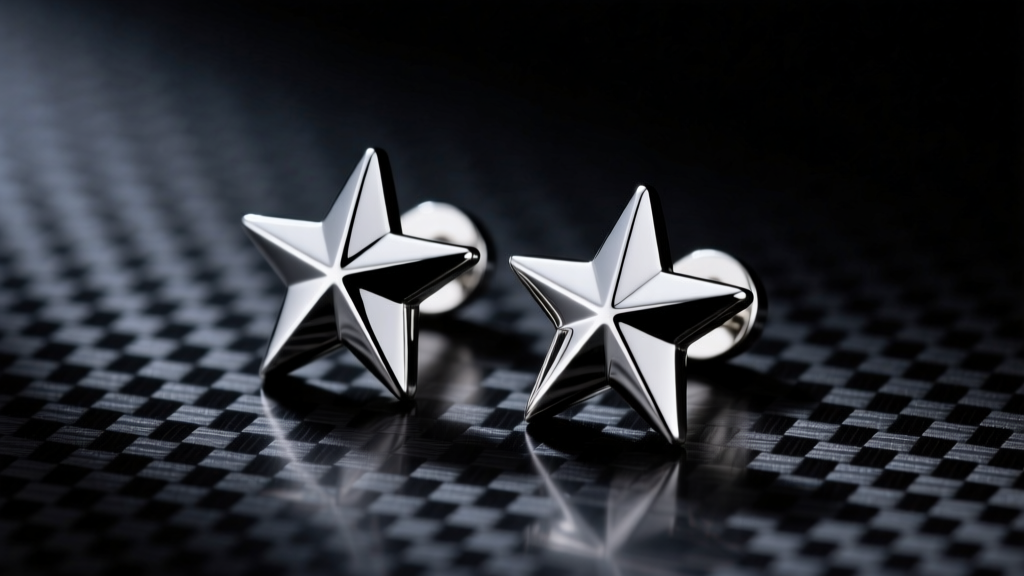
As automotive-inspired fashion continues to dominate accessory trends in 2026, the iconic three-pointed star remains a highly sought-after motif. However, when shopping for Mercedes earrings, the aesthetic appeal of the logo is only half the battle. The metallurgical properties of the jewelry dictate not only how sharp and precise the star points remain over time, but also whether the earrings will cause contact dermatitis or tarnish after a few wears. Many mass-produced novelty earrings are cast from cheap zinc alloys or brass, leading to dull edges, green skin, and bent posts. To ensure your automotive jewelry is both a stylish statement and a durable investment, we must examine the specific materials used by high-end jewelers and specialized automotive merchandisers.
Material Breakdown: What Makes the Best Mercedes Earrings?
The three-pointed star design features sharp, radiating angles that require a metal with excellent detail retention. If the metal is too soft, the points will bend or round off during the casting and polishing process. If it is too brittle, the delicate tips can snap. Here is how the top jewelry metals perform when tasked with replicating this iconic automotive emblem.
Implant-Grade Titanium (ASTM F136)
For those with sensitive skin or nickel allergies, implant-grade titanium is the undisputed champion. According to the Association of Professional Piercers, ASTM F136 titanium is completely biocompatible and releases virtually zero nickel. Because titanium is incredibly hard and lightweight, it is often CNC-machined or die-struck rather than cast. This results in Mercedes earrings with razor-sharp star points that will never bend or lose their geometric precision. The only downside is that titanium cannot be easily resized or repaired by a traditional jeweler if damaged, and it lacks the brilliant white luster of precious metals, offering a more subdued, gunmetal-grey industrial aesthetic.
Sterling Silver (925) vs. Argentium
Traditional 925 sterling silver is the most common material for licensed automotive jewelry. It offers a beautiful, bright white shine and is easy to cast using the lost-wax method, allowing for intricate 3D beveling on the star logo. However, standard sterling silver contains 7.5% copper, which makes it prone to tarnishing when exposed to sulfur in the air or sweat. For a superior alternative, look for Mercedes earrings crafted from Argentium silver. As noted by The Silver Institute, Argentium replaces some of the copper with germanium, creating a highly tarnish-resistant alloy that maintains its brilliant polish for years without requiring constant rubbing with a polishing cloth.
316L Surgical Steel
Surgical steel is a popular choice for budget-friendly logo earrings, typically priced between $15 and $35. The "316L" designation means it is a low-carbon stainless steel containing molybdenum, which increases corrosion resistance. While it is highly durable and resistant to scratching, it does contain trace amounts of nickel (usually around 8-10%). For the vast majority of wearers, the nickel is bound tightly within the alloy and poses no issue. However, if you have a severe nickel allergy, prolonged contact with sweat can trigger a reaction, making titanium a much safer bet for fresh piercings or sensitive lobes.
White Gold and Platinum
For luxury buyers, 14k or 18k white gold and platinum offer unparalleled prestige. White gold is alloyed with metals like palladium or nickel and plated with rhodium to achieve a mirror-like finish that perfectly mimics the chrome grille of a luxury vehicle. Platinum is naturally white, incredibly dense, and hypoallergenic. Because platinum is so heavy, a solid 10mm Mercedes star earring can weigh over 2.5 grams per ear. This weight requires a robust post and backing system to prevent the earlobe from drooping over time.
Comparative Data: Weight, Tarnish, and Detail Retention
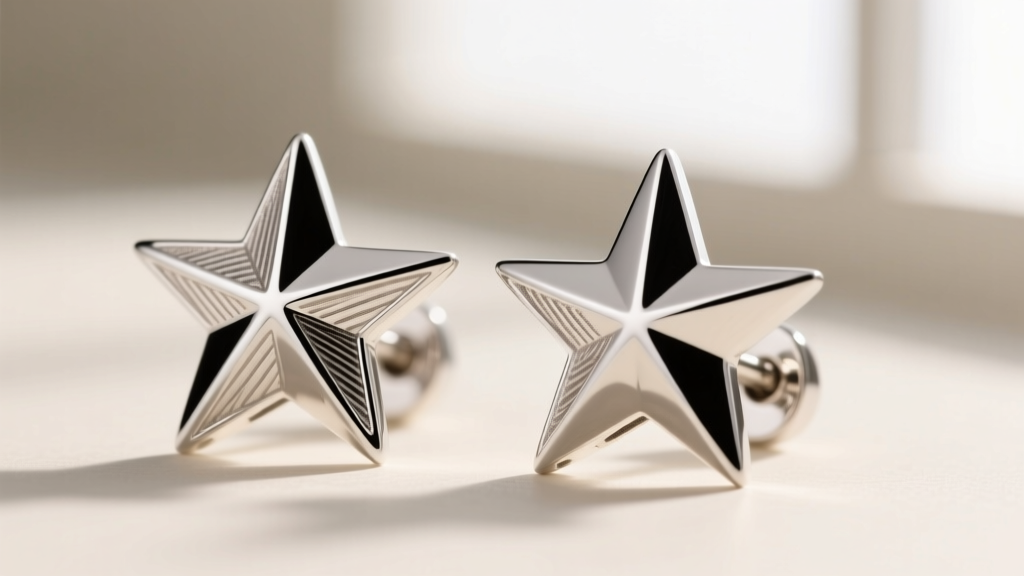
When selecting your earrings, it helps to view the materials through a comparative lens. The table below breaks down the physical properties of the most common metals used for automotive logo jewelry, assuming a standard 8mm stud size.
| Material | Hardness (Vickers) | Tarnish Risk | Nickel-Free? | Avg. Price Range (Pair) | Detail Retention |
|---|---|---|---|---|---|
| ASTM F136 Titanium | 330-350 HV | None | Yes | $50 - $120 | Excellent (Machined) |
| 925 Sterling Silver | 60-70 HV | High | Mostly | $40 - $85 | Good (Cast) |
| Argentium Silver | 75-85 HV | Very Low | Mostly | $60 - $110 | Very Good (Cast) |
| 316L Surgical Steel | 150-190 HV | None | No (Trace) | $15 - $35 | Good (Stamped/Cast) |
| 14k White Gold | 120-150 HV | Low (Rhodium) | Varies | $250 - $600+ | Excellent (Die-Struck) |
Post and Backing Mechanics for Logo Studs
The material of the earring face is only part of the equation; the post and backing mechanics are critical for comfort and security, especially for geometric designs that can easily catch on hair or clothing.
- Gauge Thickness: Most high-quality Mercedes earrings feature a 20-gauge (0.8mm) or 18-gauge (1.0mm) post. Avoid 22-gauge posts, as they are too thin and will easily bend if the star catches on a sweater.
- Friction Backs vs. Screw Backs: Standard butterfly friction backs are fine for lightweight titanium or silver studs. However, if you are wearing solid gold or platinum, the weight of the metal demands a screw-back or a specialized clutch (like the La Poussiere clutch) to prevent the earring from sliding off the post and getting lost.
- Flat-Back Labrets: For cartilage piercings or sleepers, look for Mercedes stars mounted on flat-back titanium labret posts. These eliminate the sharp poke of a traditional post and sit flush against the ear, making them ideal for helix or tragus placements.
How to Spot Cheap Alloy Fakes
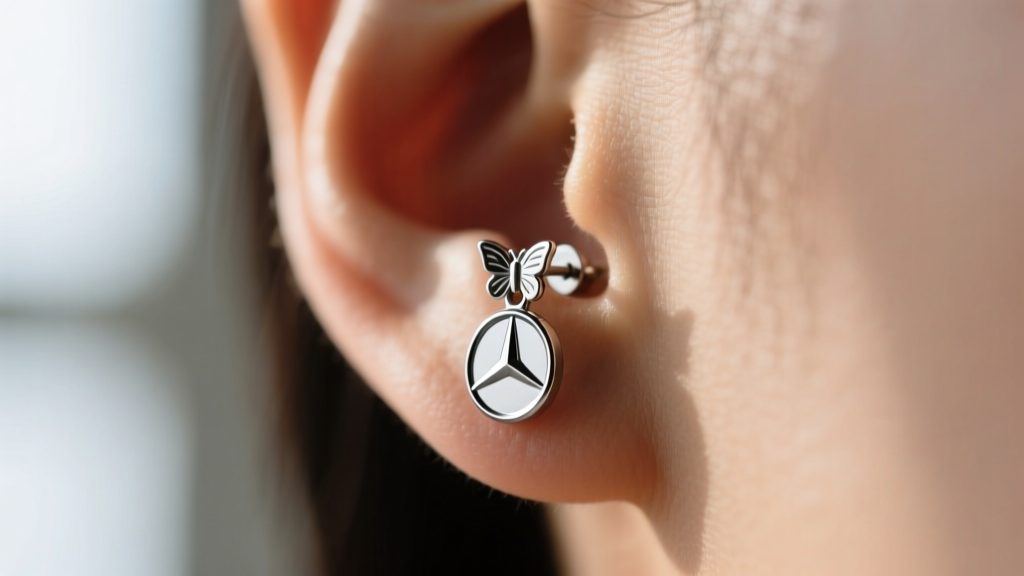
The market is flooded with unlicensed, counterfeit automotive jewelry made from "pot metal" (a mix of zinc, lead, and cadmium). These materials are not only terrible for the environment but can cause severe allergic reactions and heavy metal exposure. Here is how to identify sub-par materials:
- The Magnet Test: While not foolproof, cheap steel alloys will often stick strongly to a magnet, whereas titanium, silver, gold, and high-grade 316L surgical steel are largely non-magnetic or only very weakly magnetic.
- The Weight Test: Zinc alloy fakes feel surprisingly light and hollow compared to solid silver or steel. If an 8mm star earring feels like it weighs nothing, it is likely plated plastic or cheap zinc.
- Examine the Edges: Look closely at the three points of the star. Cheap cast alloys shrink unevenly in the mold, resulting in rounded, asymmetrical, or pitted tips. High-quality metals will feature crisp, symmetrical, and sharp geometric lines.
- Look for Hallmarks: Genuine precious metals will always be stamped. Look for "925", "14k", or "PT950" on the back of the star or the post. Titanium and steel may not have stamps, but reputable sellers will provide material certification.
Final Verdict: Which Material Should You Choose?
Choosing the right material for your Mercedes earrings ultimately depends on your lifestyle, budget, and skin sensitivity. If you want a lightweight, hypoallergenic option with an edgy, industrial vibe that will never tarnish, ASTM F136 Titanium is the superior choice. For those who prefer the classic, brilliant shine of traditional jewelry and don't mind occasional polishing, 925 Sterling Silver (or ideally, Argentium) offers the best balance of affordability and prestige. Finally, if you are buying a gift for a luxury car enthusiast and budget is not a concern, 14k or 18k White Gold provides an unmatched level of detail retention and heirloom-quality weight. By prioritizing metallurgical quality over cheap novelty manufacturing, you ensure that your automotive-inspired jewelry remains as sharp and enduring as the engineering it represents.


