Buying Earrings From the 20s: What to Look For in 2026
Discover how to authenticate and buy genuine earrings from the 20s. Learn about Art Deco materials, screw-back findings, and 2026 pricing tiers.

The Allure of the Roaring Twenties
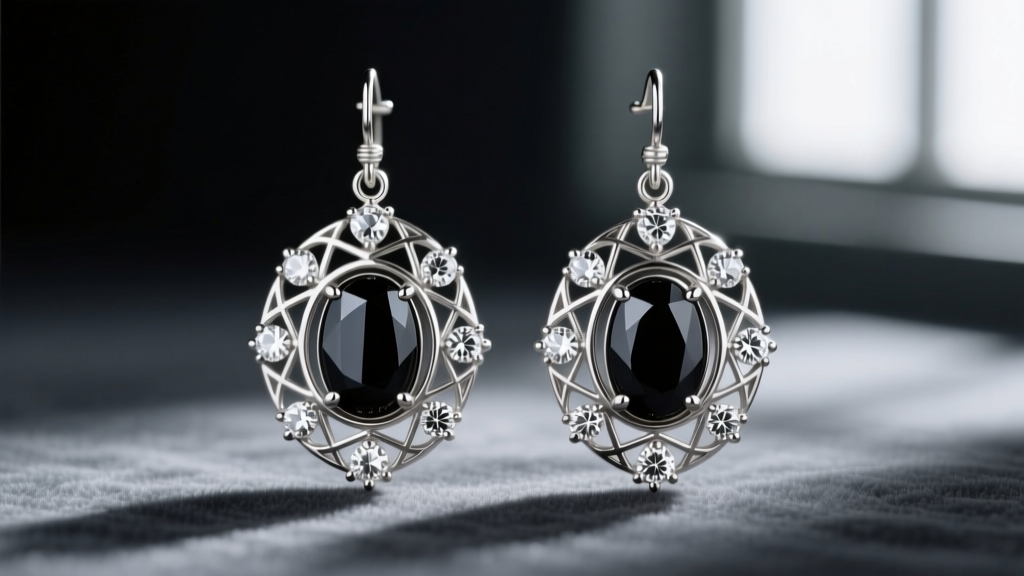
When collectors and vintage enthusiasts search for earrings from the 20s, they are embarking on a journey into one of the most dynamic eras of jewelry design. The 1920s, famously dubbed the Roaring Twenties, brought about a radical shift in fashion and society. As women abandoned the restrictive corsets and towering updos of the Edwardian era in favor of dropped-waist flapper dresses and sleek, bobbed haircuts, the demand for dramatic, elongated ear ornaments skyrocketed. According to the Victoria and Albert Museum, the Art Deco movement that defined this decade was characterized by bold geometric shapes, stark color contrasts, and a fascination with global antiquities. Today, acquiring authentic 1920s pieces requires a discerning eye, as the market is flooded with high-quality reproductions. This comprehensive 2026 buying guide will equip you with the metallurgical, gemological, and mechanical knowledge needed to confidently authenticate and purchase genuine antique earrings.
Key Materials: What Defined the Decade
Precious Metals and the White Gold Boom
Platinum was the undisputed king of high-end 1920s jewelry. Its immense tensile strength allowed jewelers to create intricate, nearly invisible settings and delicate millegrain (beaded) edges that defined the Art Deco aesthetic. However, because platinum was exceedingly expensive, the decade saw the massive commercial rise of white gold. Early 1920s white gold was typically 14k or 18k, alloyed heavily with nickel to achieve a stark, silvery-white color that mimicked platinum. Expert Warning: If you have a modern nickel allergy, you must exercise extreme caution when buying authentic 1920s white gold earrings, as the nickel content in vintage alloys is significantly higher than in modern, nickel-free white gold formulations.
The Rise of Synthetics: Bakelite and Celluloid
Not all earrings from the 20s were crafted from precious metals. The costume jewelry market exploded during this era, driven by designers like Coco Chanel who championed the mixing of fine and faux pieces. Bakelite and celluloid were the premier synthetic plastics of the day. Bakelite, a phenolic resin, was often carved into heavy, geometric bangles and matching drop earrings in rich hues of butterscotch, cherry red, and deep mahogany. Celluloid, which is highly flammable and much more fragile, was frequently molded to imitate ivory, tortoiseshell, and jade. When evaluating plastic vintage pieces, look for the distinct, slightly rounded molding seams on celluloid, and the heavy, substantial weight and lack of mold lines on carved Bakelite.
Gemstones and the Egyptian Revival
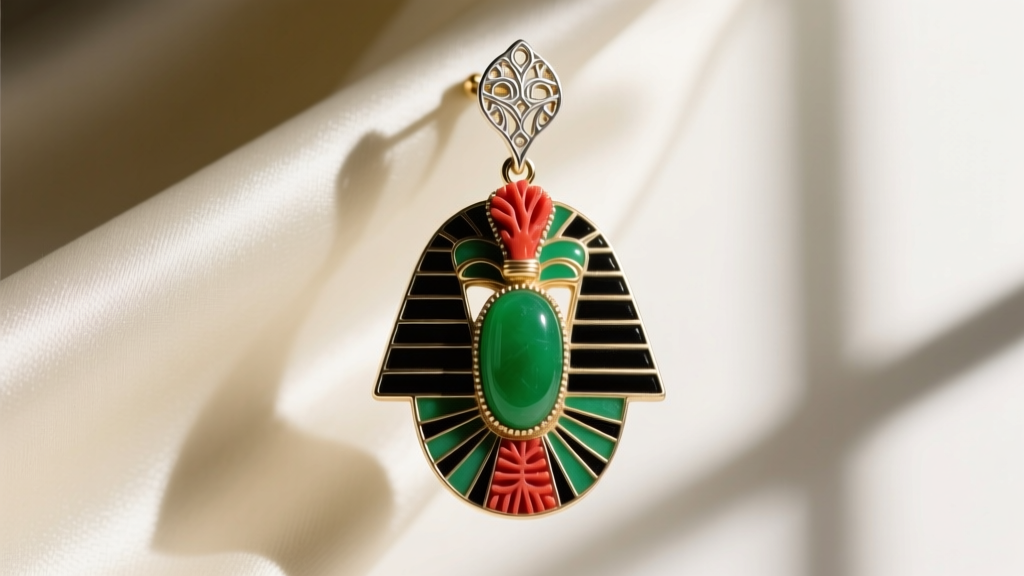
The discovery of King Tutankhamun’s tomb by Howard Carter in 1922 sent shockwaves through the global design community, sparking the 'Egyptian Revival' sub-genre of Art Deco. Authentic earrings from this specific niche frequently feature carved coral, lapis lazuli, turquoise, and black onyx arranged in motifs of scarabs, sphinxes, and lotus flowers. Furthermore, the lapidary techniques of the 1920s were highly specialized. You will frequently encounter calibré-cut gemstones—stones custom-cut to fit perfectly into a specific geometric channel or halo without any gaps. If you see perfectly uniform, machine-cut channel stones in a piece claiming to be from the 1920s, it is likely a modern reproduction, as vintage calibré stones often show slight, hand-cut variations under a 10x jeweler's loupe.
Decoding the Findings: The Ultimate Authentication Test
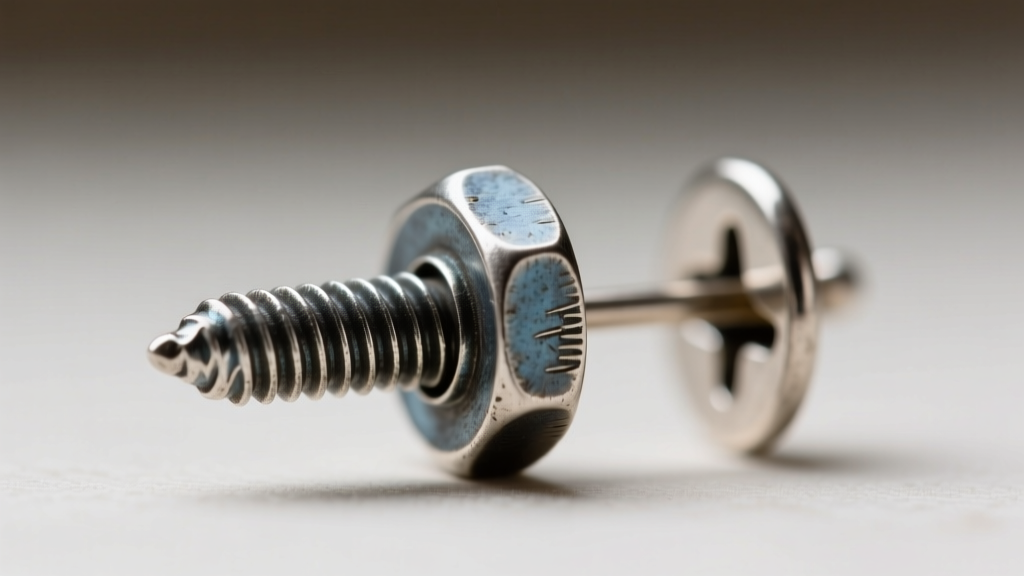
The most reliable way to date antique jewelry is by examining the findings—the clasps, posts, and hinges. The mechanics of ear piercings underwent a massive transition in the early 20th century. In the 1920s, pierced ears were still largely considered taboo among 'respectable' Western women, meaning the vast majority of authentic earrings from the 20s were designed for unpierced ears. As noted by the jewelry historians at Lang Antiques, the screw-back clasp was the dominant technology of the era.
| Clasp Type | Era of Prominence | Authentication Notes for 1920s Pieces |
|---|---|---|
| Screw-Back (Threaded Post) | 1894 - 1940s | The most common 1920s finding. Look for thick, hand-cut threads and a paddle-style nut. Modern reproductions use thin, machine-cut threads. |
| Early Leverback | 1880s - Present | Used for pierced ears. 1920s leverbacks often have a simple, unadorned wire hook and a thicker gauge wire (usually 18g or 20g) compared to modern 22g wires. |
| Clip-On (Miracle Clip) | 1930s - 1950s | A major red flag. The hinged clip-on mechanism was not patented until the 1930s. If a piece has a standard spring-clip, it is not from the 1920s. |
| Post and Friction Back (Butterfly) | 1940s - Present | Another red flag. The modern push-back clutch was not widely adopted until the mid-20th century. Avoid pieces with these if sold as 1920s antiques. |
Red Flags: Spotting Modern Reproductions
As the demand for authentic Art Deco jewelry surges in 2026, so does the sophistication of counterfeiters. Here are three critical failure modes and red flags to watch for when inspecting potential purchases:
- Casting Porosity and Seams: Authentic 1920s platinum and gold earrings were largely hand-fabricated or cast using early vulcanized rubber molds that required extensive hand-finishing. If you spot a distinct, raised casting seam running along the side of a geometric plaque, or notice tiny, uniform pits (porosity) under magnification, the piece was likely cast using modern lost-wax techniques.
- Diamond Cuts: The modern round brilliant cut (with 57/58 facets) was not standardized until the late 1930s and 1940s. Earrings from the 20s will feature single-cut diamonds (17 or 18 facets, often used for small melee stones) or Old European cuts (with a high crown, small table, and large culet). If the tiny accent diamonds are perfectly uniform modern brilliant cuts, the piece is a reproduction or has been heavily altered.
- Laser Hallmarks: While European pieces from the 1920s often bear stamped assay marks (like the French eagle's head for 18k gold or the dog's head for platinum), these were struck with steel punches, resulting in slightly blurred, deep, or uneven impressions. Crisp, perfectly uniform hallmarks are a sign of modern laser engraving.
2026 Market Pricing Guide
The valuation of antique earrings depends heavily on material integrity, the presence of original findings, and the complexity of the design. Below is a general pricing framework for the current market:
| Category | Materials | Estimated 2026 Price Range (USD) |
|---|---|---|
| Costume / Synthetic | Bakelite, Celluloid, Rhinestones, Base Metals | $150 - $450 |
| Semi-Fine / Silver | Sterling Silver, Marcasite, Seed Pearls, Jade | $250 - $700 |
| Fine Art Deco | 14k/18k White Gold, Onyx, Coral, Single-Cut Diamonds | $1,200 - $4,500 |
| High Jewelry / Platinum | Platinum, Calibré Sapphires, Old European Diamonds | $8,000 - $35,000+ |
Care and Maintenance for Century-Old Jewelry
Owning earrings from the 20s requires a commitment to specialized preservation. Never place antique jewelry in an ultrasonic cleaner. The high-frequency vibrations can easily shatter the delicate, naturally included emeralds often used in Egyptian Revival pieces, and will dissolve the historical adhesives used to secure seed pearls and Bakelite inlays. Instead, clean your vintage earrings using a soft, natural-bristle baby brush, a few drops of pH-neutral dish soap, and lukewarm water. For intricate platinum millegrain work, use a wooden toothpick to gently dislodge century-old lotion and powder buildup from the crevices. Always store your Art Deco drops individually in soft, acid-free tissue paper to prevent the harder gemstones from scratching the softer gold settings or enamel work.
Final Verdict: Buying authentic 1920s earrings is an exercise in historical detective work. By prioritizing the examination of screw-back findings, verifying single-cut diamonds, and understanding the metallurgical realities of early white gold, you can build a museum-quality collection that truly captures the rebellious, glamorous spirit of the Jazz Age.


