Butterfly Earring Back Value: Upgrades, Costs & Fixes
Discover the true value of the butterfly earring back. Compare material costs, failure modes, and budget-friendly upgrades for secure wear.

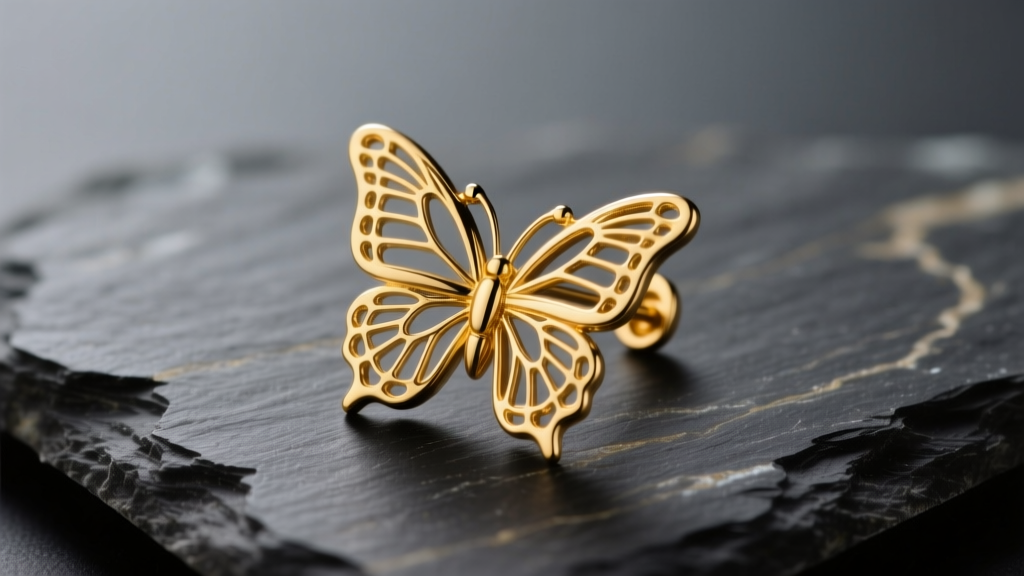
The butterfly earring back—technically known in the jewelry industry as a friction back or scroll back—is the most ubiquitous earring securing mechanism in the world. Included with nearly every pair of stud earrings from fine jewelers to fast-fashion retailers, it is the default standard for lobe piercings. However, when assessing jewelry from a strict budget and value perspective, the standard butterfly earring back presents a complex financial paradox. It is cheap to manufacture and replace, yet it harbors hidden costs related to earring loss, medical treatments for contact dermatitis, and premature wear on precious metal posts.
In this comprehensive value assessment, we dissect the true cost of the butterfly earring back, analyze material failure modes, and provide a data-driven framework for upgrading your earring security without breaking the bank.
The True Cost of the Standard Butterfly Earring Back
To understand the value proposition, we must first look at how these components are manufactured. The vast majority of butterfly backs included with budget and mid-tier earrings are stamped from base metal alloys, primarily brass or nickel-silver, and subsequently plated with a microscopically thin layer of silver, gold, or rhodium. According to the Federal Trade Commission (FTC) Jewelry Guides, manufacturers are not required to stamp or disclose the base metal of earring backs, only the primary precious metal content of the visible earring itself.
This creates a massive value discrepancy. A consumer might pay $400 for a pair of 14k gold diamond studs, only to find them secured by $0.10 stamped brass backs that will degrade, lose tension, and potentially cause an allergic reaction within six months.
Material Breakdown: What Are You Actually Paying For?
When sourcing replacement backs or evaluating the included hardware of a new purchase, the material dictates both the financial cost and the functional lifespan. Below is a comparative value matrix based on current 2026 wholesale and retail pricing.
| Material Grade | Avg. Cost (Per Pair) | Hypoallergenic Rating | Tension Lifespan | Best Use Case |
|---|---|---|---|---|
| Brass/Base Alloy (Plated) | $0.10 - $0.50 | Poor (High Nickel Risk) | 3 - 6 Months | Temporary wear, costume jewelry |
| Sterling Silver (925) | $2.00 - $6.00 | Fair (Copper Allergy Risk) | 1 - 2 Years | Everyday silver studs |
| 14k Yellow/White Gold | $15.00 - $35.00 | Excellent | 5 - 10+ Years | Fine jewelry, high-value diamonds |
| Implant-Grade Titanium | $4.00 - $10.00 | Excellent (ASTM F136) | 3 - 5 Years | Sensitive lobes, fresh piercings |
| Medical-Grade Silicone | $0.05 - $0.25 | Excellent | 1 - 3 Months | Active lifestyles, sleep, sports |
The Hidden Expenses of Cheap Friction Backs
When conducting a budget assessment, the initial purchase price is only one variable. The hidden expenses associated with low-quality butterfly backs frequently outweigh the upfront savings.
1. The Contact Dermatitis Tax
The most common failure mode of cheap butterfly backs is the wearing away of the outer plating, exposing the nickel-rich brass core. The American Academy of Dermatology (AAD) notes that nickel allergy is one of the most common causes of allergic contact dermatitis. The cost of over-the-counter hydrocortisone creams, dermatologist copays, and the forced retirement of earrings you can no longer wear comfortably constitutes a significant hidden financial loss.
2. Post Groove Degradation and Earring Loss
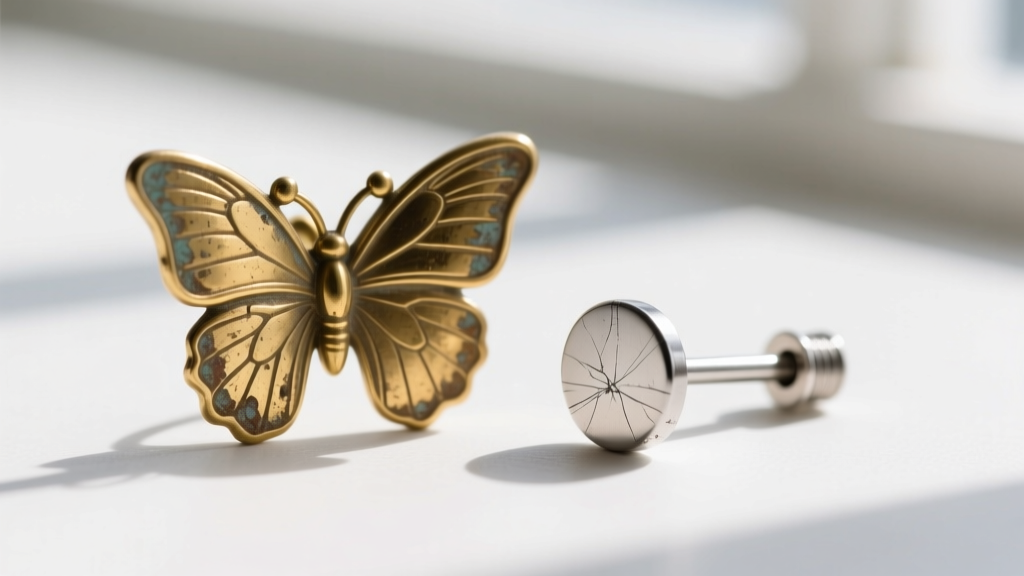
A standard earring post is typically 20-gauge (0.81mm) or 18-gauge (1.0mm) and features a machine-cut notch or groove near the end. Premium butterfly backs feature an interior dimple designed to "click" into this groove. Cheap stamped backs lack this dimple, relying entirely on the friction of the metal wings squeezing the post. Over time, the friction of a cheap back scraping against a precious metal post will literally sand down the post's groove, ruining the earring's ability to hold *any* back securely and necessitating a $30-$50 jeweler repair to re-tip or replace the post.
Structural Failure Modes: Why Butterfly Backs Slip
To maximize the value of your jewelry collection, you must understand the mechanical limitations of the friction back. The Association of Professional Piercers (APP) frequently advises against friction backs for healing piercings due to their mechanical instability. According to APP guidelines on jewelry materials and fitting, secure jewelry must accommodate swelling and resist accidental displacement.
- Spring Tension Fatigue: The "wings" of the butterfly back act as leaf springs. Repeated pulling and pushing stretches the metal past its yield strength, causing the back to become loose and slide off the post with minimal resistance.
- Gauge Mismatch: Many consumers attempt to use a 20-gauge butterfly back on an 18-gauge or 16-gauge post. This forces the wings open too wide, permanently destroying the spring tension and ensuring the back will fall off.
- Debris Accumulation: The open scroll design traps dead skin cells, sebum, and hair products. This buildup creates a slippery barrier between the metal wings and the post, drastically reducing the coefficient of friction.
Budget-Friendly Alternatives and Strategic Upgrades
If you are looking to optimize your jewelry budget, reallocating funds from replacing lost earrings to upgrading your securing mechanisms offers an exceptional return on investment.
The Silicone O-Ring and Disc Stopper
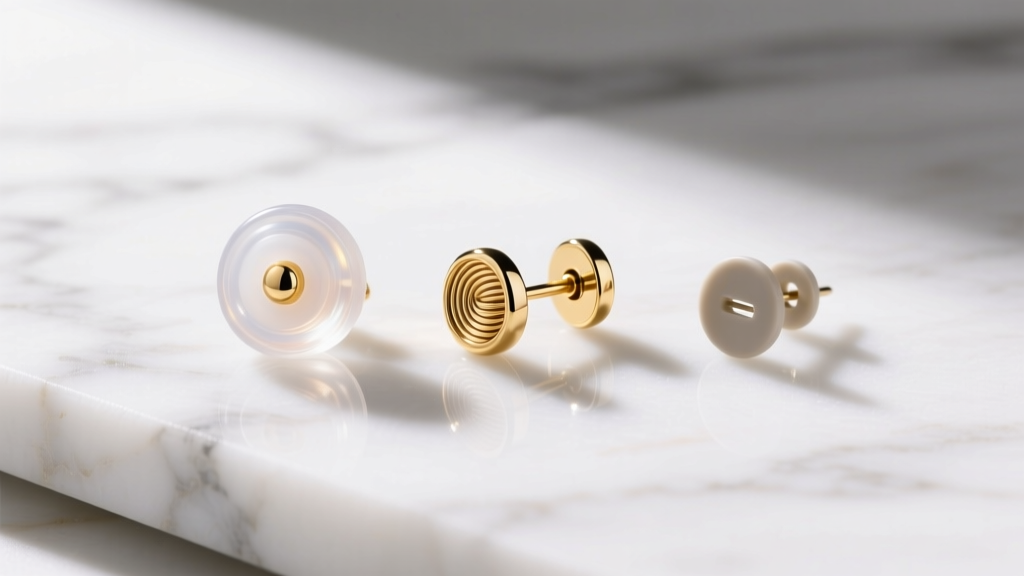
For under $5, you can purchase a pack of 50 medical-grade silicone earring stoppers. These slide onto the post and grip via material friction rather than metal tension. They are entirely hypoallergenic, waterproof, and immune to spring fatigue. While they lack the aesthetic prestige of gold, their value for nighttime wear, gym sessions, and travel is unmatched.
The La Pousette Locking Back
For high-value diamond or gemstone studs (where the replacement cost exceeds $500), the La Pousette locking back is the gold standard. Utilizing a dual-spring mechanism that physically locks over a notch on the post, it eliminates the risk of accidental loss. While a pair of 14k gold La Pousette backs will cost between $60 and $90, this is a fractional insurance premium compared to losing a $2,000 diamond.
The Cartilage Caveat: Ditch the Butterfly
If you are wearing earrings in the helix, tragus, or conch, the butterfly back represents a negative value proposition. Cartilage piercings require precise post lengths to avoid embedding. Butterfly backs force the wearer to push the back tightly against the ear to secure it, which restricts blood flow, traps moisture, and causes irritation bumps. The superior value alternative for cartilage is the flat-back labret post, which utilizes a threaded or push-pin end on the front and a flat, flush disc on the back, distributing pressure evenly and eliminating the friction back entirely.
"Never pair a high-value precious metal earring with a base-metal friction back. The galvanic reaction between dissimilar metals, combined with the mechanical wear of the friction clasp, will degrade your earring post faster than daily wear alone."
— Senior Bench Jeweler & Appraiser
Expert Verdict: Where to Allocate Your Jewelry Budget
The butterfly earring back is not inherently flawed; rather, it is frequently manufactured to the lowest possible price point rather than the highest functional standard. To extract the maximum value from your earring collection, adopt the following budget allocation framework:
- Audit your current backs: Use a magnifying loupe to check the interior of your butterfly backs. If you see brassy discoloration or the wings easily pull apart with minimal force, discard them immediately.
- Match the back to the asset: Never use sterling silver or plated backs on 14k/18k gold posts. The harder alloys in the cheap backs will act as an abrasive file against your softer gold posts.
- Invest in locking mechanisms for heirlooms: If an earring holds significant financial or sentimental value, budget $50-$100 for precision-machined locking backs.
- Stockpile silicone for utility: Keep a $5 pouch of silicone stoppers in your travel bag and gym locker to prevent loss during high-movement activities.
By shifting your perspective from viewing earring backs as disposable afterthoughts to recognizing them as critical structural components, you protect your financial investment, preserve your ear health, and ensure your favorite pieces remain securely in place for decades.


