How to Choose Small Stud Earrings for Men: A Buying Guide
Discover what to look for when buying small stud earrings for men. Explore gauge sizes, hypoallergenic metals, and styles for lobe and cartilage piercings.

The Evolution of Men's Ear Jewelry
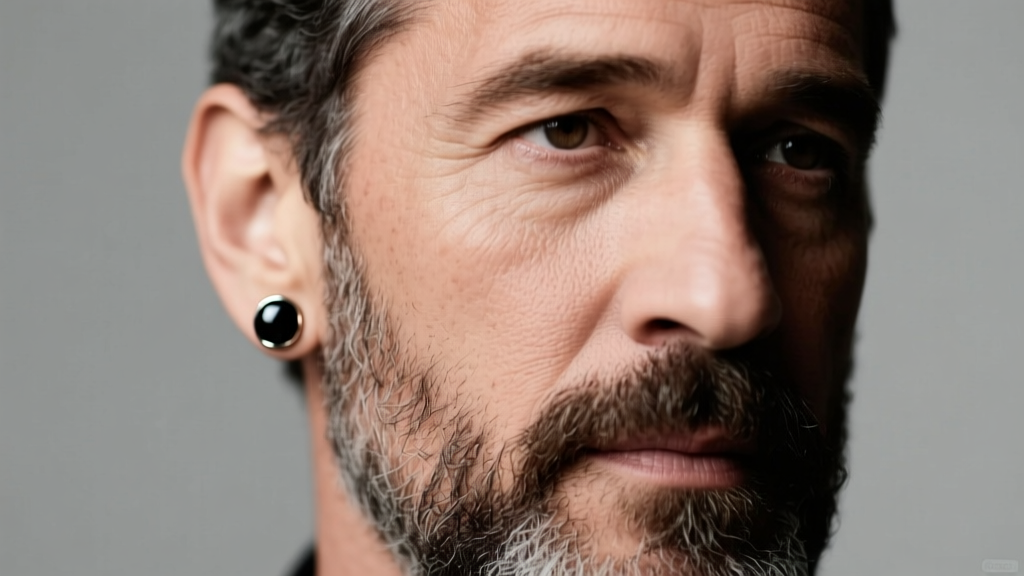
The landscape of men's jewelry has shifted dramatically over the last decade. Moving past the oversized diamond solitaires and novelty shapes of the early 2000s, modern menswear favors refined, minimalist aesthetics. Today, small stud earrings for men are a staple of contemporary style, offering a subtle edge that complements everything from tailored suits to casual streetwear. However, the market is flooded with poorly made accessories that can cause skin irritation, tearing, or premature fading. This comprehensive buying guide cuts through the noise, providing you with the exact specifications, material grades, and structural details you need to invest in high-quality ear jewelry that lasts a lifetime.
Decoding Gauge Sizes and Post Lengths
One of the most critical mistakes men make when buying earrings is ignoring the gauge (thickness) of the post. Many mass-market jewelers sell ultra-thin 22-gauge or 20-gauge posts. While these might fit a standard piercing, they are highly susceptible to the "cheese-cutter effect"—a phenomenon where a thin wire slowly slices through the earlobe tissue due to the weight of the jewelry or accidental snags. For men, a slightly thicker post provides structural integrity and a more proportional, masculine look.
| Gauge Size | Millimeter (mm) | Best Placement | Expert Notes |
|---|---|---|---|
| 20G | 0.81mm | Standard Lobe (Retail) | Too thin for long-term wear; high risk of tearing. |
| 18G | 1.02mm | Standard Lobe | Acceptable for very lightweight, small 3mm studs. |
| 16G | 1.29mm | Lobe & Cartilage (Helix) | The ideal sweet spot for men's durability and comfort. |
| 14G | 1.60mm | Lobe & Industrial | Excellent for heavy sleepers; requires professional piercing. |
Post length is equally vital. Standard friction-back earrings often feature long, pointed posts that protrude behind the ear, causing discomfort when sleeping or wearing over-ear headphones. Look for brands that offer customizable post lengths or specialized flat-back options to eliminate this issue.
Material Matters: Hypoallergenic and Durable Metals
When shopping for small stud earrings for men, the metal composition dictates both the longevity of the piece and the health of your skin. The Association of Professional Piercers (APP) strictly advises against "surgical steel" or generic stainless steel for sensitive or fresh piercings, as these alloys often contain nickel, a common contact allergen that causes itching, flaking, and localized dermatitis.
Top-Tier Metal Recommendations
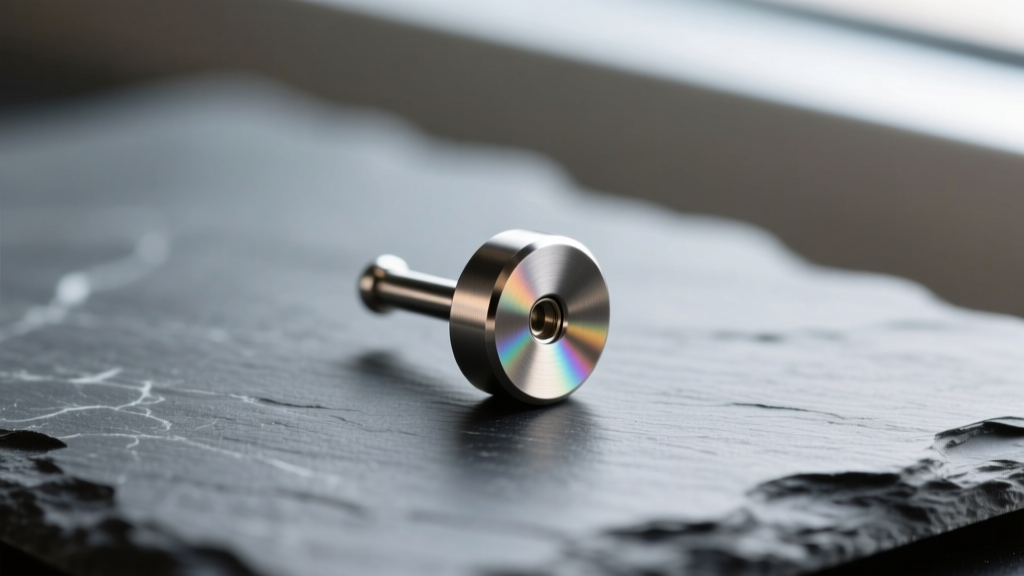
- Implant-Grade Titanium (ASTM F136): The gold standard for body jewelry. It is entirely nickel-free, highly resistant to corrosion, and lightweight. It is also anodizable, allowing for dark, masculine colors like gunmetal or bronze without using toxic paints or platings.
- Solid 14k or 18k Gold: Ensure the jewelry is solid, not gold-plated or gold-filled. Plating will eventually wear off, exposing base metals to your skin. 14k gold offers a slightly harder alloy than 18k, making it more resistant to scratching for everyday wear.
- Niobium: Similar to titanium, niobium is highly biocompatible and hypoallergenic, often used by high-end body jewelers for custom, dark-anodized masculine studs.
Pro Tip: Avoid "mystery metals" sold in mall kiosks or fast-fashion outlets. If the product description does not explicitly state the metal grade (e.g., ASTM F136 or 14k Solid Gold), assume it contains nickel or brass and proceed with caution.
Stone and Motif Selection for Masculine Aesthetics
The visual weight of a stud earring is determined by its diameter and the setting of its gemstone. For men, the optimal diameter for a small stud ranges between 3mm and 5mm. Anything larger begins to cross into statement territory, while anything smaller than 2.5mm can look disproportionate on a larger ear.
When selecting gemstones, durability is just as important as aesthetics. The Gemological Institute of America (GIA) uses the Mohs scale of hardness to rank gemstones. Diamonds (10 on the Mohs scale), black spinels, and sapphires are excellent for daily wear because they resist scratching and chipping. Conversely, porous stones like turquoise, lapis lazuli, or opal require careful maintenance and should be kept away from harsh chemicals, colognes, and prolonged water exposure.
Bezel vs. Prong Settings
For men's jewelry, bezel settings are vastly superior to traditional prong settings. A bezel setting encircles the gemstone with a smooth metal rim, protecting the edges of the stone and preventing the jewelry from snagging on towels, hair, or clothing collars. Prong settings, while allowing more light into a diamond, feature tiny metal claws that frequently catch on fabrics and bend over time, risking the loss of the stone.
Hardware and Backings: Comfort vs. Security
The mechanism that holds the earring in place is often an afterthought, but it dictates your daily comfort. Traditional "butterfly" friction backs are notorious for trapping dead skin cells, sebum, and soap residue, leading to foul odors and localized infections. Furthermore, the tension on the metal loops weakens over time, resulting in lost earrings.

Superior Backing Alternatives
- Threadless (Push-Pin) Jewelry: The industry standard for high-end body jewelry. A slightly bent pin is inserted into a hollow post, creating tension that holds the piece securely. It is incredibly secure, easy to clean, and eliminates the need for tiny, easily lost backing clasps.
- Internally Threaded Screw-In: The threading is on the post, not the backing, ensuring a smooth surface passes through the piercing channel. This prevents micro-tears in the tissue.
- Flat-Back (Labret) Posts: Essential for cartilage piercings (like the helix or tragus) and highly recommended for lobes if you sleep on your side. The flat disc rests flush against the back of the ear, eliminating the sharp poke of a traditional post.
Pricing Tiers and Brand Recommendations
Understanding the pricing landscape helps you identify true value versus inflated brand taxes. Here is what you should expect to pay for quality small stud earrings for men in 2026:
- Entry-Level ($30 - $75): Expect implant-grade titanium (ASTM F136) with synthetic stones like cubic zirconia or black onyx. Brands like NeoMetal or Body Vision Los Angeles (BVLA) offer exceptional quality in this tier, though the designs are purely minimalist.
- Mid-Range ($100 - $350): This tier introduces solid 14k gold, genuine black spinels, and precision-machined bezel settings. Brands like Maria Tavares or Anatometal dominate this space, offering lifetime warranties and premium finishing.
- Luxury & Fine Jewelry ($500 - $2,000+): At this level, you are paying for brand heritage, 18k gold, and natural, ethically sourced diamonds. While beautiful, ensure the brand utilizes secure backing mechanisms, as many luxury fashion houses still rely on outdated and insecure friction backs.
Maintenance and Long-Term Care
To maintain the luster of your studs, establish a simple cleaning routine. For solid gold and titanium with durable stones, a weekly soak in warm water with a few drops of mild, fragrance-free dish soap, followed by a gentle brush with a baby toothbrush, will remove built-up oils. Avoid ultrasonic cleaners if your earrings feature fracture-filled diamonds or porous organic stones like pearls or coral, as the high-frequency vibrations can shatter or degrade the material. By prioritizing biocompatible materials, secure hardware, and proportional sizing, you ensure your ear jewelry remains a sophisticated, permanent fixture in your personal style arsenal.


