Why Do Earrings Smell Bad? Causes and Fixes for Ear Odor
Discover why do earrings smell bad, the science behind sebum buildup, and expert troubleshooting steps to eliminate odor and prevent infection.

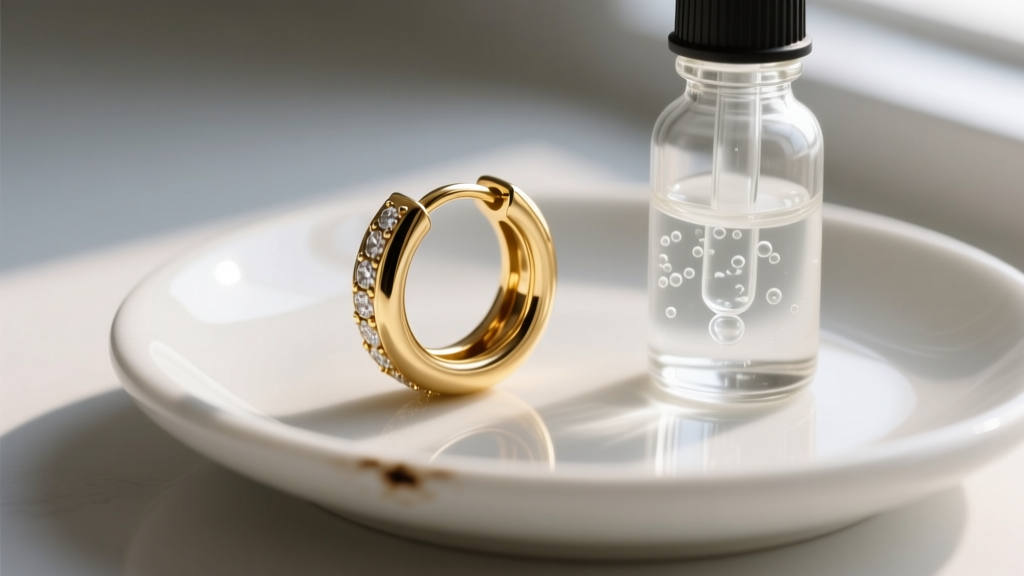
The Biological Culprit: What Exactly Is Ear Cheese?
If you have ever removed a pair of earrings and been hit with a pungent, sour odor, you are not alone. In the body modification and dermatology communities, this phenomenon is colloquially known as 'ear cheese.' But why do earrings smell bad in the first place? The answer lies in the natural biology of your skin and the microscopic environment of the piercing fistula (the healed tube of skin lining the piercing hole).
The human body is constantly shedding dead skin cells and producing sebum, an oily substance secreted by sebaceous glands to lubricate and waterproof the skin. According to the American Academy of Dermatology, sebum production is a continuous process. When you wear earrings, especially studs or hoops that sit flush against the skin, you create a warm, dark, and humid microenvironment. Sebum, dead keratinocytes (skin cells), and sweat become trapped against the jewelry post and inside the fistula.
This organic buildup becomes a feast for naturally occurring skin bacteria, particularly Corynebacterium and Staphylococcus species. As these bacteria break down the lipids in the sebum and the proteins in the dead skin, they release volatile organic compounds, such as isovaleric acid. This is the exact same chemical compound responsible for the smell of certain pungent cheeses and human body odor. Therefore, the smell is not the metal itself degrading, but rather the biological byproduct of bacterial digestion occurring right inside your piercing channel.
Material Matters: Why Cheap Alloys Trap Odor
While biology plays the leading role, the material of your earrings acts as the stage. Not all metals are created equal when it comes to porosity and bacterial adhesion. If you are frequently asking why do earrings smell bad even after cleaning them, the culprit is often the jewelry material itself.
Metals like plated brass, nickel alloys, and low-grade surgical steel have microscopic pits and fissures on their surface. These imperfections act as physical traps for sebum and bacteria, making them nearly impossible to clean with a simple wipe. Furthermore, nickel is a notorious allergen. The Mayo Clinic notes that nickel contact dermatitis triggers a Type IV hypersensitivity reaction. This causes the fistula to weep lymphatic fluid, which dries into crusts that harbor bacteria and produce a distinctly foul, metallic-sweet odor.
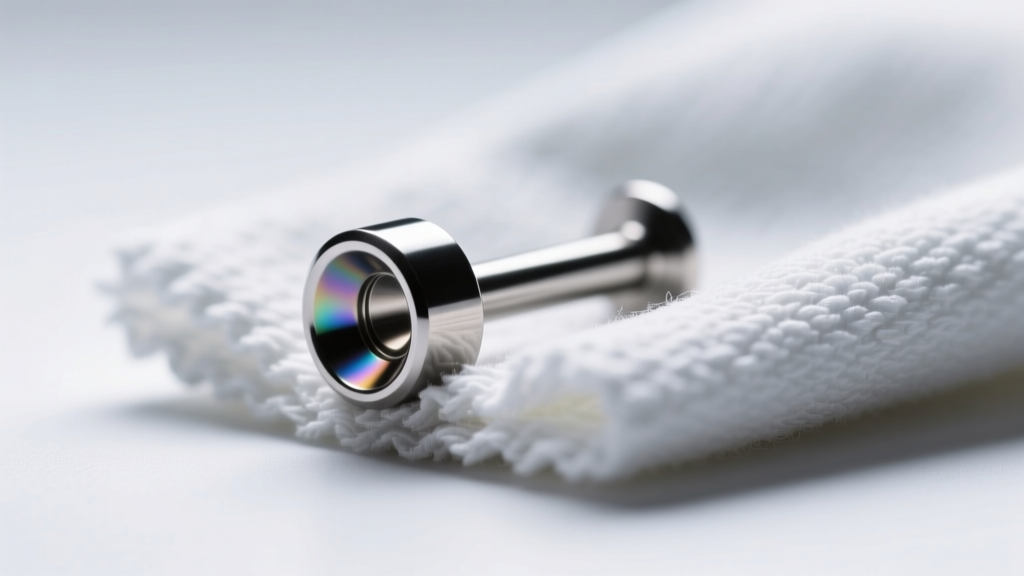
Material Porosity & Odor Retention Chart
To permanently solve the odor issue, upgrading your jewelry is non-negotiable. Below is a troubleshooting matrix to help you identify which materials are contributing to the problem.
| Material Grade | Porosity Level | Odor Risk | Troubleshooting Verdict |
|---|---|---|---|
| Implant-Grade Titanium (ASTM F136) | Non-Porous | Very Low | Highly recommended. Inert, polished surface repels sebum. |
| Solid 14k / 18k Gold | Non-Porous | Very Low | Excellent for sensitive ears. Ensure it is nickel-free alloyed. |
| Surgical Steel (316L) | Low-Medium | Moderate | Acceptable for healed lobes, but contains trace nickel. |
| Acrylic / Bioflex | Highly Porous | Very High | Avoid. Micro-scratches harbor bacteria and absorb odors. |
| Plated Brass / Mystery Alloys | Highly Porous | Extreme | Discard immediately. Causes weeping, crusting, and severe odor. |
Anatomy of the Fistula: Lobe vs. Cartilage Odor Traps
The location of the piercing drastically alters how sebum accumulates and why do earrings smell bad in specific areas of the ear. Earlobes are composed of soft tissue and adipose (fat) cells, with a robust blood supply. They heal relatively quickly and tend to have larger, more forgiving fistulas, especially if pierced at standard 18-gauge or 16-gauge sizes. However, because the lobe is soft, heavy earrings can cause the fistula to stretch and fold inward, creating deep crevices where dead skin packs tightly against the post.
Cartilage piercings (such as the helix, tragus, or conch) present a different set of challenges. Cartilage lacks its own direct blood supply, relying on the perichondrium for nutrients. The fistulas here are rigid, tight, and heal much slower. If you wear a 16-gauge or 14-gauge labret stud in a cartilage piercing, the space between the jewelry and the skin is microscopic. Moisture from showers or sweat becomes trapped in this narrow channel, creating an anaerobic environment where odor-causing bacteria thrive. Furthermore, hair products and dry shampoo frequently coat the back of cartilage studs, adding a layer of chemical residue that mixes with sebum to create a waxy, foul-smelling buildup.
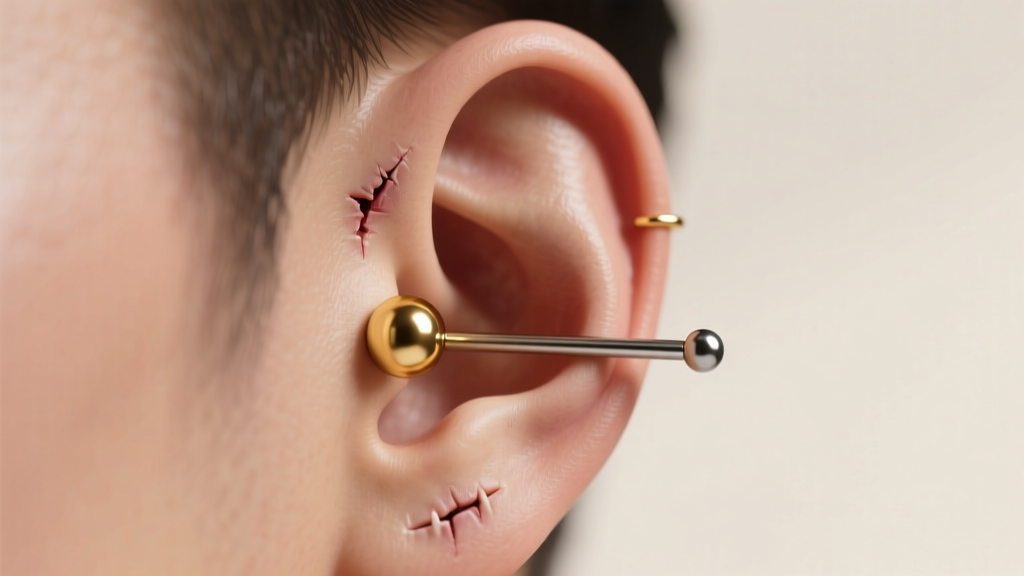
The 4-Step Troubleshooting Protocol to Eliminate Odor
Now that we understand the biological and material causes, it is time to implement a rigorous, professional-grade cleaning protocol. The Association of Professional Piercers emphasizes that harsh chemicals damage the delicate epithelial lining of the fistula. Follow these steps to reset your piercing environment.
- Remove and Isolate the Jewelry: If your piercing is fully healed (minimum 6-12 months for lobes, 12-18 months for cartilage), remove the earrings. Do not clean the jewelry while it is still inside the ear, as you will simply push the debris deeper into the fistula.
- Cleanse the Jewelry with Precision: For titanium and solid gold, use a 40kHz ultrasonic jewelry cleaner filled with warm water and a drop of fragrance-free Castile soap. The microscopic cavitation bubbles will blast sebum out of the threaded ends and post crevices. Never use rubbing alcohol or hydrogen peroxide, as these degrade gemstone settings and ruin the mirror finish of the metal, creating micro-scratches that trap future odors.
- Flush the Fistula: While the jewelry is out, gently flush the piercing channel with sterile 0.9% sodium chloride wound wash. Use a clean, non-woven gauze pad soaked in the saline to softly wipe the entrance and exit points of the hole. Avoid cotton swabs, which leave behind microscopic fibers that can cause irritation and odor.
- Dry Completely Before Reinsertion: Bacteria require moisture to multiply. Ensure both the earlobe and the jewelry are 100% dry before reinserting the earring. You can use a hairdryer on the 'cool' setting to ensure the fistula is completely devoid of trapped moisture.
When to See a Professional: Infection vs. Normal Buildup
It is vital to distinguish between standard sebum buildup and a developing infection. While 'ear cheese' smells sour or cheesy, an infection presents with distinctly different clinical signs. If the odor is accompanied by radiating heat, severe throbbing pain, swelling that consumes the earlobe or cartilage, or the discharge of thick, opaque yellow/green pus, you are likely dealing with a bacterial infection such as Pseudomonas aeruginosa or a severe Staphylococcus outbreak.
Expert Warning: Never attempt to treat a suspected cartilage infection at home with over-the-counter antibiotic ointments. Ointments block oxygen flow to the fistula and trap bacteria inside the rigid cartilage tissue, potentially leading to perichondritis or permanent cosmetic deformity. Seek immediate medical evaluation from a dermatologist or physician.
By understanding the biological mechanics of sebum production, upgrading to non-porous, implant-grade materials, and adopting a gentle, targeted cleaning routine, you can completely eliminate ear odor. High-quality earrings should be a seamless, comfortable extension of your personal style, free from the discomfort and embarrassment of unwanted smells.


