The Ultimate Guide to Buying 0.5 Carat Diamond Earrings in 2026
Discover everything about 0.5 carat diamond earrings. Learn pricing, the 4Cs, best settings, and metal choices for your perfect first pair.

Introduction: The Sweet Spot of Fine Jewelry
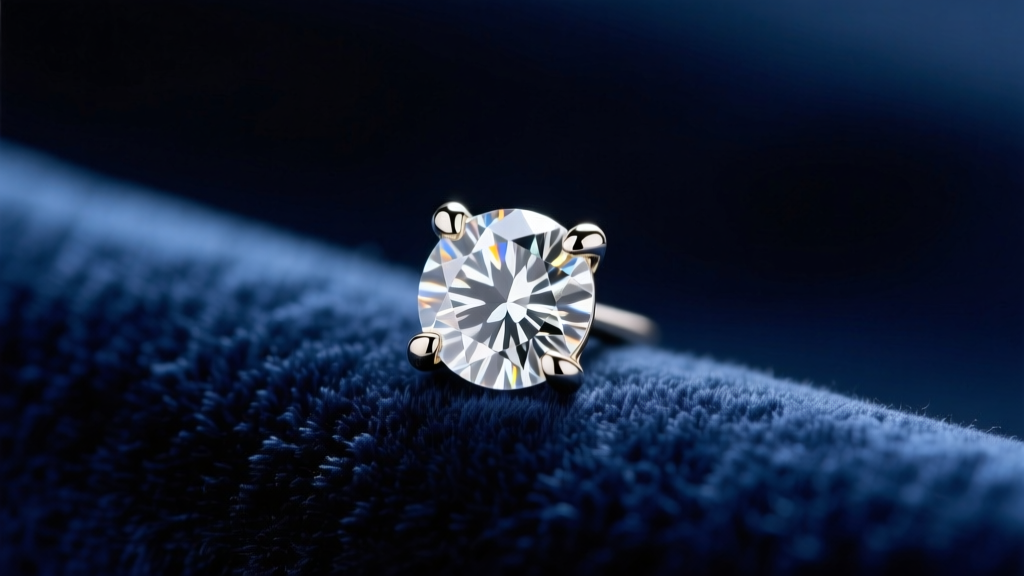
When it comes to building a timeless jewelry collection, 0.5 carat diamond earrings represent the ultimate milestone. Often referred to as "half-carat studs," they offer a substantial, noticeable sparkle without crossing into the ostentatious territory of larger carat weights. Whether you are purchasing your first pair of genuine diamond studs or upgrading from a smaller 0.25 CTW pair, understanding the nuances of diamond grading, setting mechanics, and modern market pricing is essential. In this 2026 guide, we break down exactly what you need to know to make a confident, informed purchase, avoiding common beginner traps along the way.
The "Total Weight" Trap: CTW vs. CW
The most common mistake first-time buyers make is misunderstanding carat weight terminology. When you search for 0.5 carat diamond earrings, retailers will often list the Carat Total Weight (CTW). A 0.50 CTW pair means the combined weight of both earrings is half a carat, meaning each individual diamond is only 0.25 carats (approximately 4.1mm in diameter).
If your goal is to have a 0.50 carat diamond in each ear (resulting in a 1.00 CTW pair and a 5.1mm diameter per stone), you must specifically look for listings that state "0.50 ct each" or "1.00 CTW." Always verify the individual stone weight before purchasing, as a 4.1mm diamond looks significantly different on the earlobe than a 5.1mm diamond.
Understanding the 4Cs for Half-Carat Stones
Diamond grading relies on the 4Cs (Cut, Color, Clarity, and Carat), but you do not need to pay top dollar for the highest grades across the board. According to the GIA's 4Cs of Diamond Quality, optimizing for visual impact rather than arbitrary perfection is the smartest buying strategy.
Cut: The Non-Negotiable Factor
For round brilliant diamonds, never compromise on cut. A 0.50 carat diamond with an "Excellent" or "Ideal" cut grade will face up larger and reflect significantly more light than a poorly cut 0.60 carat stone. The cut dictates the diamond's fire and scintillation. In 2026, with the full integration of AGS cut-grading heritage into the GIA ecosystem, looking for GIA Excellent or AGS 0 (Ideal) cut grades ensures maximum optical performance.
Color and Clarity: Where to Compromise
Because half-carat diamonds are relatively small, inclusions are much harder to see with the naked eye compared to larger stones.
- Clarity: You can safely drop down to SI1 (Slightly Included 1) or even SI2, provided the diamond is "eye-clean." Avoid black carbon spots located directly under the table facet.
- Color: For white gold or platinum settings, a near-colorless grade of G or H is perfect. If you are setting the diamonds in 14k or 18k yellow gold, you can comfortably drop to a J or K color, as the warm metal masks the faint yellow tint of the diamond.
Proportions, Sizing, and Face Shapes
A standard 0.50 carat round brilliant diamond measures approximately 5.1mm to 5.2mm in diameter. This size is incredibly versatile and flatters virtually every face shape. For those with petite features or smaller earlobes, a 5.1mm stud provides a striking presence without overwhelming the ear. If you have multiple cartilage piercings, 0.50 carat studs are generally too large for the upper ear; reserve these for your primary lobe piercings, which are typically done at a standard 20-gauge (0.81mm) or 18-gauge (1.02mm) thickness.
Choosing the Right Setting and Metal
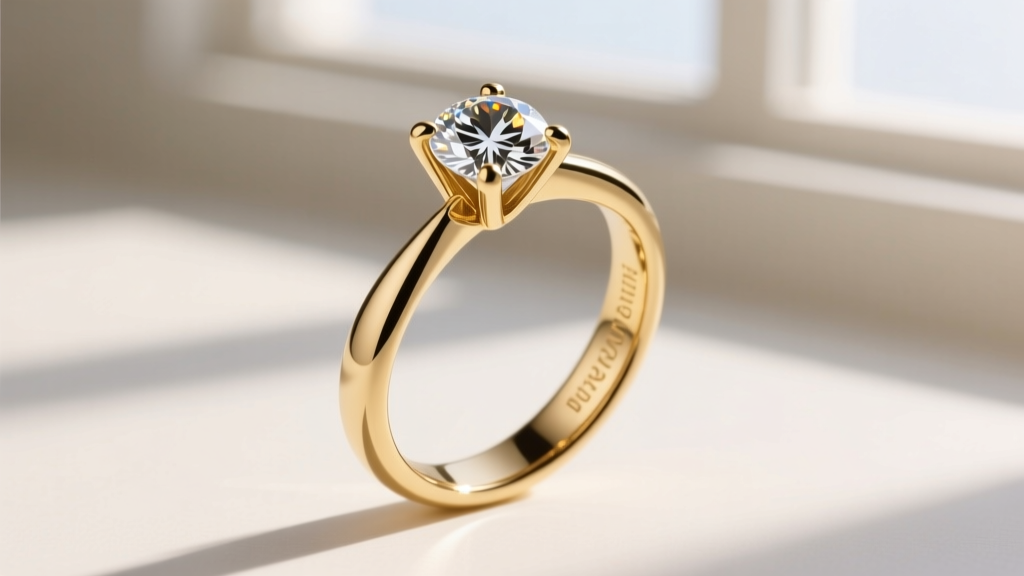
The setting dictates both the security of your diamond and how it sits on your earlobe. Because a 0.50ct diamond weighs roughly 0.1 grams, you want a setting that is lightweight enough to prevent drooping, but secure enough for daily wear.
Setting Styles
- 3-Prong Martini: The most popular choice for half-carat stones. The three prongs maximize the visible surface area of the diamond, making it appear larger. Because 0.50ct is relatively light, the martini setting will sit flush against the lobe without drooping.
- 4-Prong Basket: Offers superior security and a classic look. The basket base sits slightly off the earlobe, which is excellent for those with thicker lobes or sensitive skin, as it allows for better airflow.
- Bezel: A modern, sleek option where a metal rim encircles the diamond. While highly secure and snag-free, a bezel setting can hide up to 10% of the diamond's spread, making a 5.1mm stone look closer to 4.8mm.
Metals and Backings
For the metal, 14k gold is the industry standard for earring posts due to its durability and resistance to bending. Platinum is excellent but heavier. Crucially, do not rely on standard "butterfly" friction backs for a valuable pair of diamond studs. Upgrade to La Pousette locking backs or screw-backs, which mechanically lock onto the post groove, preventing accidental loss.
2026 Pricing Breakdown: Natural vs. Lab-Grown
The diamond market has shifted dramatically. Lab-grown diamonds, which are optically, chemically, and physically identical to mined diamonds, now dominate the entry-level and mid-tier stud market. Below is a realistic pricing guide for 2026, assuming excellent cut, G-H color, and VS-SI clarity.
| Diamond Type | Weight Configuration | Average Price Range (USD) | Best For |
|---|---|---|---|
| Natural (Mined) | 0.50 CTW (0.25ct each) | $600 - $900 | Traditionalists, heirloom gifts |
| Natural (Mined) | 1.00 CTW (0.50ct each) | $2,200 - $3,500 | Investment buyers, milestones |
| Lab-Grown | 0.50 CTW (0.25ct each) | $150 - $250 | Everyday wear, budget-conscious |
| Lab-Grown | 1.00 CTW (0.50ct each) | $400 - $700 | Maximum sparkle per dollar |
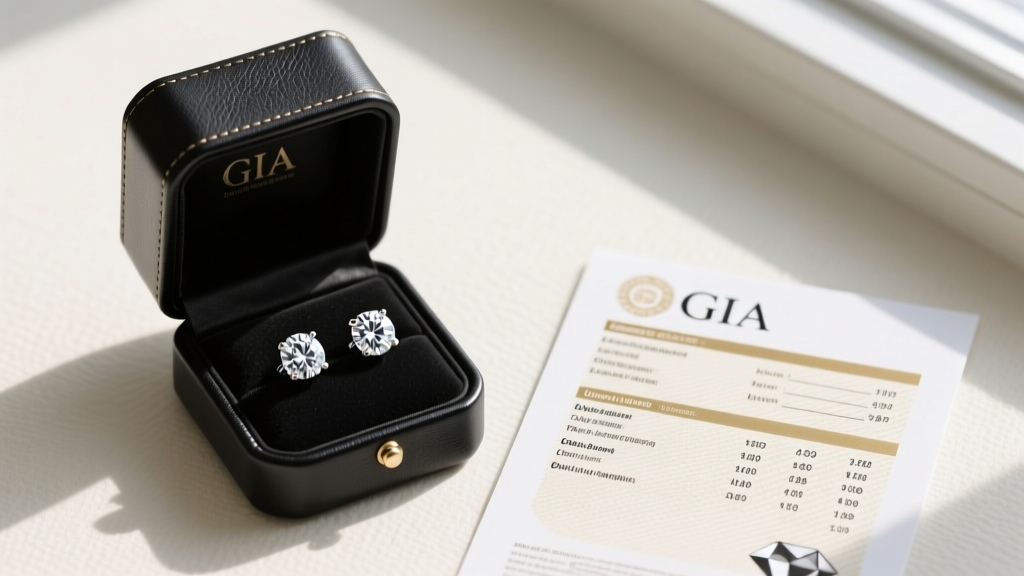
Note: Always ensure lab-grown diamonds come with a comprehensive grading report from a reputable lab like IGI or GIA, as detailed in the GIA Diamond Grading Report guidelines.
Expert Tips for First-Time Buyers
To ensure you get the absolute best value and quality, keep these insider tips in mind before checking out:
- Leverage Fluorescence: If you are buying a natural diamond in the I or J color range, look for a stone with "Medium" or "Strong" blue fluorescence. In natural sunlight, the blue fluorescence will counteract the yellow tint, making the diamond appear whiter and brighter, often at a 10-15% discount.
- Check the Post Thickness: If you have sensitive piercings or recently healed lobes, verify the post gauge. Most commercial diamond studs use 20-gauge posts. If you require a thicker 18-gauge or 14-gauge post for comfort, you may need to buy the diamonds loose and have a local jeweler craft custom settings.
- Match the Pair: When buying two separate diamonds to be set into a pair, ensure the jeweler "matches" them not just by carat weight, but by physical diameter in millimeters. A 0.50ct diamond can be cut deep (5.0mm) or shallow (5.3mm); mismatched diameters will be obvious to the naked eye.
Final Thoughts
Purchasing 0.5 carat diamond earrings is an exciting step into the world of fine jewelry. By understanding the difference between total weight and individual carat weight, prioritizing cut quality, and choosing a secure setting with locking backs, you guarantee a pair of earrings that will last a lifetime. Whether you opt for the earth-mined tradition or the modern value of lab-grown stones, your half-carat studs will remain a versatile, everyday staple in your wardrobe for decades to come.


