How to Hide Earrings at Work: Stealth Piercing Trends & Retainers
Learn how to hide earrings at work or school with stealth retainers, skin-tone titanium, and PTFE. Expert guide on materials, gauges, and styling.

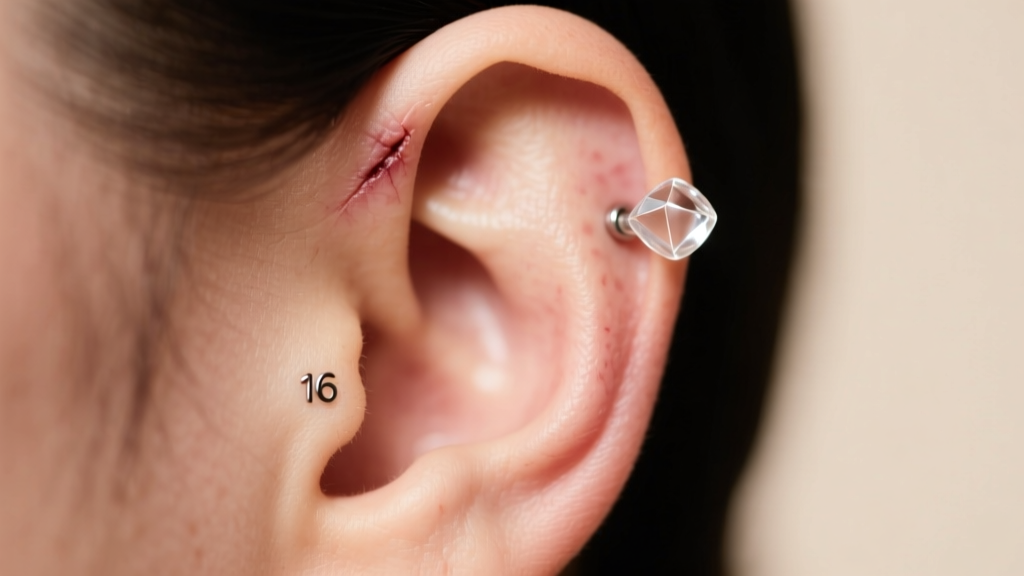
The 2026 Shift: Why Stealth Piercings are Dominating
The modern corporate landscape has evolved, yet strict dress codes regarding visible body modifications remain a reality in many conservative industries, healthcare settings, and academic institutions. As remote work transitions back into hybrid or on-site models, a massive surge in demand for covert jewelry has emerged. Learning how to hide earrings without sacrificing the integrity of your piercing is no longer just about pulling your hair down; it is a specialized niche of body modification that blends material science with subtle styling.
In 2026, the "stealth piercing" trend is defined by high-end, biocompatible retainers and skin-tone PVD (Physical Vapor Deposition) coatings. Piercing enthusiasts and professionals alike are moving away from the bulky, obvious silicone plugs of the past decade, opting instead for precision-engineered glass and medical-grade polymers that sit flush against the anatomy. This guide breaks down the exact materials, gauge specifications, and anatomical strategies required to keep your piercings open, healthy, and entirely undetectable.
Material Science: Engineering the Invisible Ear Jewel
When hiding a piercing, the material is just as critical as the visual profile. The fistula (the piercing channel) requires a non-porous, inert surface to prevent irritation bumps and bacterial trapping. According to the Association of Professional Piercers (APP) Material Guidelines, only specific materials are safe for long-term, unmonitored wear in a professional environment.
The PTFE Advantage
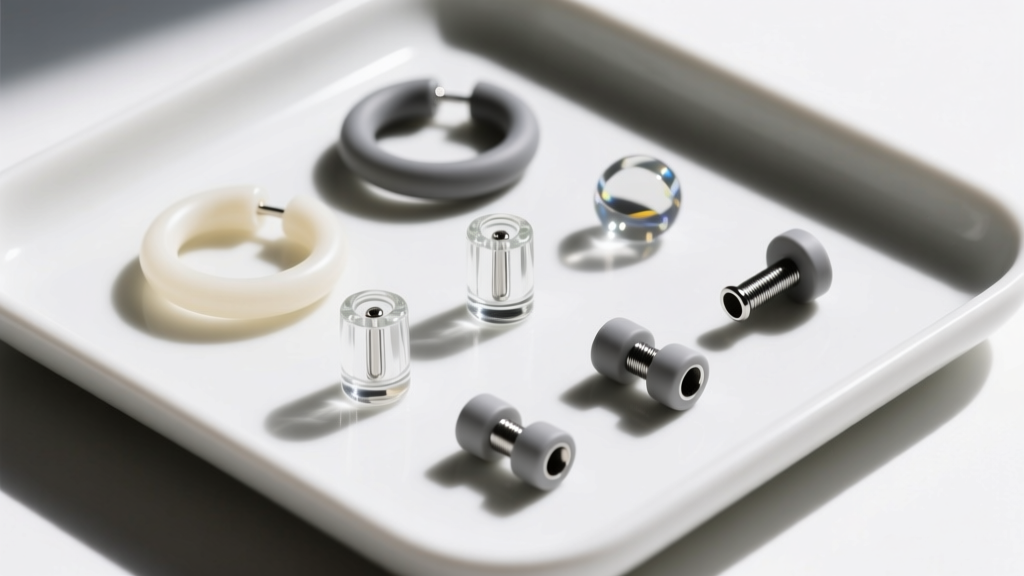
Polytetrafluoroethylene (PTFE), commonly known by the brand name Teflon, is the gold standard for flexible retainers. It is 100% biocompatible, non-magnetic, and safe for MRI machines—a crucial factor for healthcare workers who may need to hide their piercings during sudden medical imaging procedures. PTFE is highly flexible, allowing it to bend to the contours of the ear without putting pressure on the fistula, which reduces the risk of migration. However, PTFE should only be used in fully healed piercings, as its slightly porous surface can harbor bacteria in open wounds.
Fused Glass and Inert Stability
For those who need a rigid retainer that mimics the weight and feel of metal, fused glass is the superior choice. Brands like Glasswear Studios create eyelets and flat-back retainers from borosilicate or soda-lime glass. Glass is completely non-porous, hypoallergenic, and can be autoclaved. Because glass has a natural translucency, a clear glass flat-back labret in a helix or tragus piercing will catch the light similarly to the surrounding skin, rendering it nearly invisible from a distance.
The Acrylic Trap: Why Bioplast Fails
A common mistake when figuring out how to hide earrings is reaching for cheap acrylic or "Bioplast" retainers. While marketed as medical-grade, acrylics degrade over time when exposed to the body's natural sebum and pH levels. They develop micro-fractures that trap dead skin cells and bacteria, leading to contact dermatitis and foul odors. Never use acrylic for long-term stealth wear.
How to Hide Earrings: Location-Specific Strategies
The anatomy of your ear dictates the type of stealth jewelry you can use. A standard lobe piercing requires a completely different approach than a snug or conch piercing. Below is a structural breakdown of the best covert solutions based on standard piercing gauges.
| Piercing Location | Standard Gauge | Best Stealth Material | Recommended Jewelry Style |
|---|---|---|---|
| Standard Lobe | 18g - 16g (1.0mm - 1.2mm) | Skin-Tone Titanium | Threadless flat-back with matte PVD end |
| Helix / Forward Helix | 16g (1.2mm) | Fused Glass | Clear glass flat-back labret |
| Tragus | 16g (1.2mm) | PTFE | Flexible PTFE retainer with a flush disc |
| Conch | 14g - 12g (1.6mm - 2.0mm) | Skin-Tone Titanium | Internally threaded matte titanium plug |
| Industrial | 14g (1.6mm) | PTFE | Custom-bent PTFE barbell (requires professional fitting) |
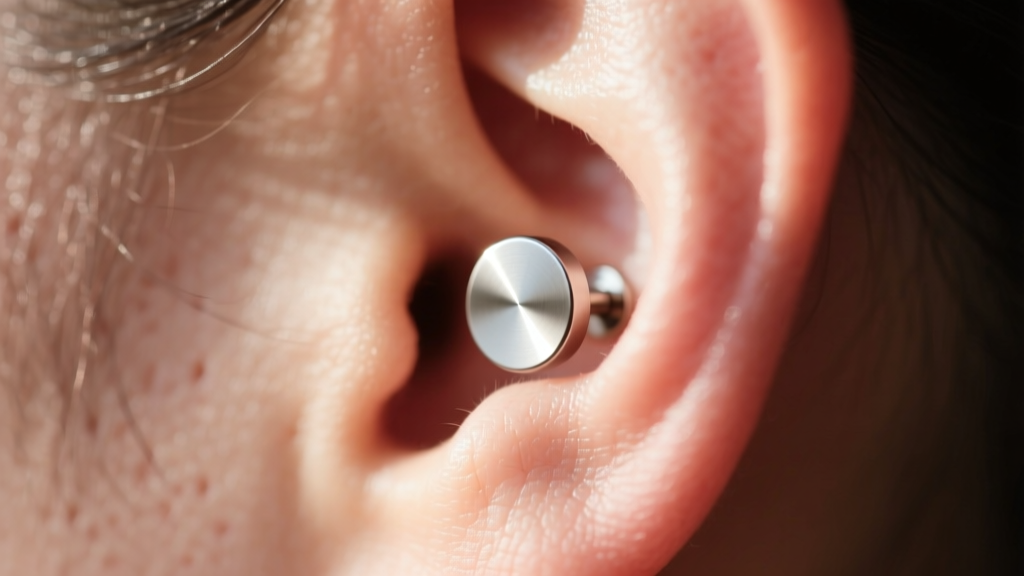
Advanced Camouflage: PVD Coatings and Threadless Tech
If you prefer to keep your jewelry in place rather than swapping to a clear retainer, the latest innovation in stealth jewelry is PVD (Physical Vapor Deposition) coating over implant-grade titanium (ASTM F-136). PVD allows manufacturers to bond a microscopic layer of color to the titanium surface without using toxic paints or enamels that can chip off in the fistula.
By selecting a PVD coating that matches your specific skin undertone—such as matte rose gold for warm undertones or a brushed gunmetal for cooler, shadowed areas of the ear—you can effectively camouflage the jewelry. Furthermore, utilizing threadless (press-fit) jewelry from brands like NeoMetal ensures that the end of the jewelry sits completely flush against the skin. Unlike internally threaded jewelry, which requires a visible lip or O-ring to secure the end, threadless pins bend slightly inside the post, creating a seamless, gapless profile that mimics a natural skin dimple.
The Healing Timeline: When is it Safe to Downsize?
A critical rule of piercing aftercare is knowing when it is safe to swap your jewelry. According to the APP Healing Guidelines, cartilage piercings (like the helix, conch, or tragus) take anywhere from 6 to 12 months to fully heal, while lobes may heal in 3 to 4 months.
Attempting to hide a fresh piercing by inserting a PTFE or glass retainer too early is a recipe for disaster. The friction of swapping jewelry in an unhealed fistula can cause hypertrophic scarring (irritation bumps). If you are starting a new job and must hide a healing piercing, the safest protocol is to visit a professional piercer to have a sterile, implant-grade titanium flat-back labret installed. You can then use strategic hair styling—such as an updo with face-framing pieces or a textured bob—to obscure the ear while the tissue matures. Once the piercing is fully seasoned (typically after the 1-year mark), you can safely transition to flexible PTFE or glass retainers for daily covert wear.
Styling Hacks: Using Anatomy to Your Advantage
Beyond the jewelry itself, understanding how light and shadow interact with your ear's anatomy can help you hide earrings effortlessly:
- The Tragus Shadow: The tragus naturally casts a shadow over the ear canal. Using a dark, matte-finish titanium stud here will absorb light rather than reflect it, making it invisible in dimly lit offices or classrooms.
- The Helix Fold: For helix piercings, choose a flat-back labret with a low-profile disc (2mm to 3mm). If the disc sits perfectly inside the scapha (the inner ridge of the ear), the natural fold of the helix will physically block the line of sight from anyone standing at eye level.
- Strategic Layering: If you have a lobe piercing you cannot remove, wearing a small, skin-tone huggie hoop that hugs the base of the earlobe can mimic the appearance of a natural skin crease or shadow, especially on medium to deep skin tones when matched with gold or bronze PVD.
Conclusion: Balancing Professionalism and Self-Expression
Figuring out how to hide earrings doesn't mean you have to compromise your personal style or risk the closure of your carefully curated piercings. By investing in high-quality, biocompatible materials like fused glass, PTFE, and PVD-coated titanium, you can navigate strict professional environments with confidence. The stealth jewelry market has matured significantly, offering precision-engineered solutions that prioritize both the health of your fistula and the subtlety of your appearance. Always consult with an APP-certified piercer when transitioning to retainers to ensure your gauge and post length are perfectly mapped to your unique anatomy.


