2026 Gift Guide: How to Choose Antique Girandole Earrings
Discover the perfect vintage gift with our 2026 guide to girandole earrings. Learn about materials, authentication, and styling tips.

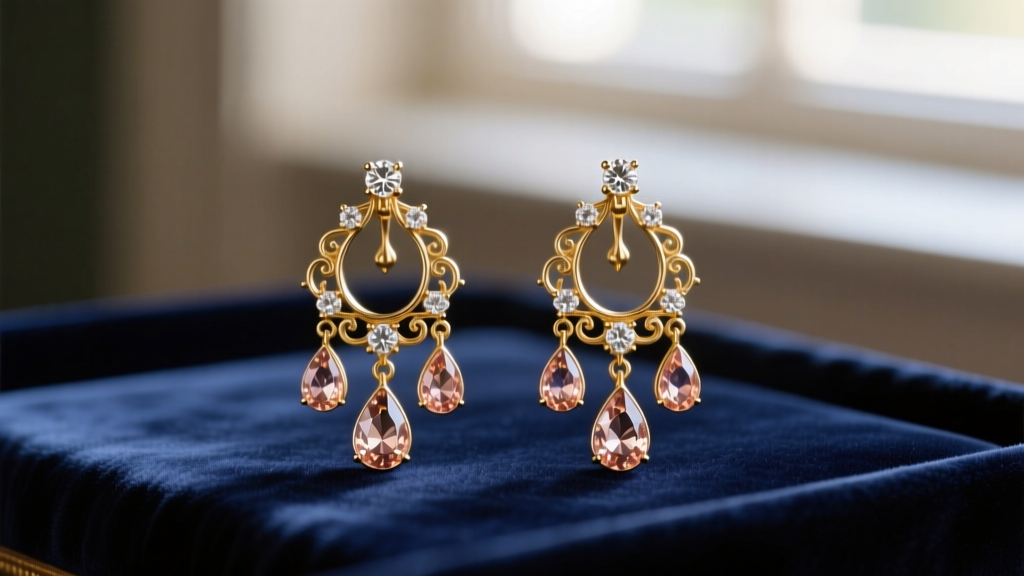
When it comes to gifting fine jewelry, few pieces carry the historical weight, visual drama, and unmistakable elegance of girandole earrings. Named after the ornate, branching candelabras and chandeliers of the 17th and 18th centuries, these statement drops are defined by a central motif that suspends three pear-shaped pendeloques. In 2026, fueled by a sustained cultural fascination with historical dramas and a shift toward sustainable, investment-grade antique jewelry, girandole earrings have become one of the most highly sought-after gifts for collectors and vintage enthusiasts. However, purchasing antique jewelry requires a discerning eye. This comprehensive gift guide will walk you through the anatomy, authentication, pricing, and wearability of girandole earrings, ensuring your gift is both historically significant and structurally sound.
The Anatomy of a True Girandole
Before investing in a pair, it is crucial to understand what separates a true girandole from a standard drop earring. According to the Victoria and Albert Museum, the classic girandole design emerged in France during the late 17th century and peaked in popularity throughout the Georgian era (1714–1837). The architecture of the earring is rigid and specific:
- The Central Motif: Typically a bow, a rosette, a cameo, or a floral cluster positioned at the earlobe.
- The Three Pendeloques: Three teardrop or pear-shaped gemstones suspended from the central motif. Crucially, the center drop is almost always slightly larger or hangs marginally lower than the two flanking drops, mimicking the staggered light levels of a chandelier.
- The Articulation: Authentic antique pairs feature articulated joints (tiny metal loops connecting the drops to the body), allowing the stones to tremble and catch the light with the wearer's movement. Solid, non-moving drops are a hallmark of modern, mass-produced reproductions.
Occasion Matching: When to Gift Girandoles
Girandole earrings are not everyday wear; they are event-driven heirlooms. Matching the occasion to the era and material of the earring is the hallmark of a thoughtful gift.
Milestone Anniversaries and Black-Tie Galas
For a 25th, 35th, or 40th wedding anniversary, or for a partner who regularly attends black-tie galas, Victorian-era (1837–1901) girandoles crafted in 15k or 18k gold with rose-cut diamonds are the ultimate choice. The warm gold tones and open-back settings of the Victorian era offer a sophisticated sparkle that complements modern evening gowns without looking like a theatrical costume. They signify permanence, legacy, and enduring love.
Heirloom Gifting for Graduations and Debuts
For a PhD graduation or a major milestone birthday (such as a 30th or 40th), Georgian paste girandoles make an extraordinary gift. "Paste" is a highly prized, hand-cut leaded glass used in the 18th century to mimic diamonds. Far from being "fake," antique paste is a respected collector's category. Gifting a pair of silver-topped gold Georgian paste girandoles offers the recipient a tangible piece of 18th-century history, perfect for a lover of art history, museum curation, or antique aesthetics.
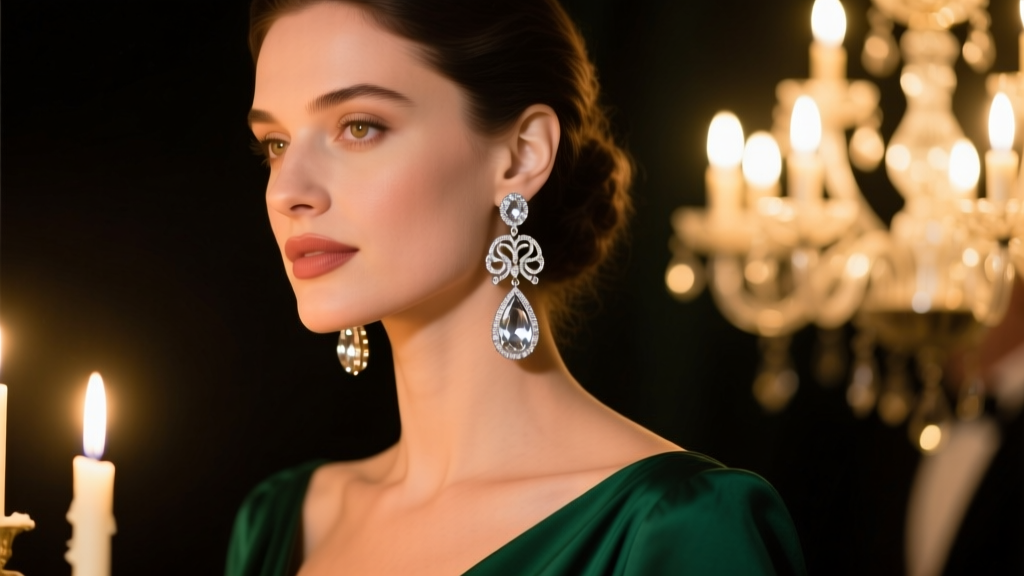
The Buyer’s Matrix: Eras, Materials, and Pricing
Pricing for antique girandole earrings varies wildly based on era, material, and condition. The 2026 market has seen a 15% increase in demand for intact Georgian pairs due to their scarcity. Use the table below to align your budget with the appropriate historical era.
| Era | Primary Materials | Earring Findings | 2026 Market Price Range | Best Gift Profile |
|---|---|---|---|---|
| Georgian (1714–1837) | Silver-topped gold, Paste, Foil-backed gems | Shepherd hook, Closed collet | $1,200 – $4,500 | Antique purists, History buffs |
| Victorian (1837–1901) | 15k/18k Gold, Rose-cut diamonds, Garnets | C-clasp, Kidney wire | $3,500 – $15,000+ | Milestone anniversaries, Galas |
| Art Deco Revival (1920s) | Platinum, Onyx, Calibré-cut sapphires | Leverback, Screw-back | $2,000 – $8,000 | Vintage glamour lovers |
| Modern Reproductions | Sterling silver, CZ, Enamel | Post & Butterfly, French wire | $80 – $400 | Theatrical gifts, Costume drama fans |
Authentication: Spotting Centuries-Old Hallmarks
The secondary market is flooded with modern replicas masquerading as antique girandole earrings. To ensure your gift is authentic, you must examine the earring under a 10x jeweler's loupe, focusing on three critical areas:
1. Foil Backing and Black Dot Paste
Georgian gemstones and paste were almost always "foil-backed"—a thin layer of silver or colored foil placed behind the stone in a closed collet setting to enhance brilliance. Over 200 years, moisture can breach the collet, causing the foil to oxidize, turn black, or flake. While severe foil degradation ruins the stone's sparkle, minor aging is a guarantee of authenticity. Furthermore, look for "black dot paste." Georgian jewelers painted a tiny black dot on the culet (bottom point) of the glass to simulate the culet of an old mine-cut diamond. Modern replicas omit this painstaking detail.
2. Solder Joints and Articulation
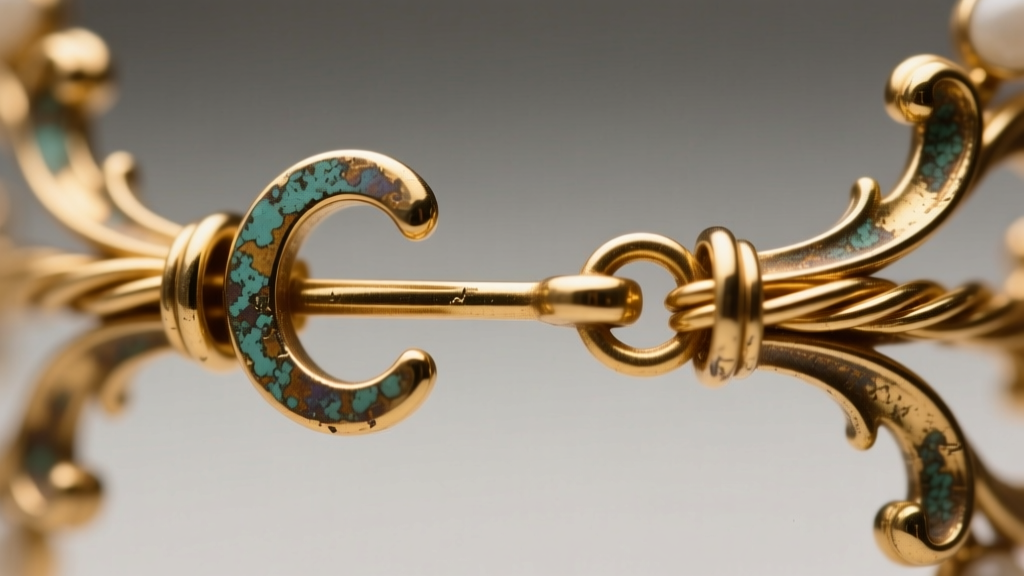
As documented by Lang Antiques University, antique earrings were constructed using early soldering techniques that leave slightly rounded, softer joints. Modern laser soldering leaves sharp, perfectly uniform, or microscopically pitted joints. Additionally, the tiny wire loops connecting the three drops to the central motif should show slight, natural wear and asymmetry. If the loops are perfectly uniform and machine-stamped, the piece is likely a modern reproduction.
3. The Earring Findings (Backings)
The wire that pierces the ear is the most frequently replaced part of an antique earring. However, the hinge and clasp on the earring body can reveal its age. Victorian girandoles often feature a "C-clasp" or a tube hinge with a T-bar pin. If you see a modern "butterfly" clutch post soldered onto a supposedly 18th-century earring body, it has been heavily altered, which significantly diminishes its collector value.
The Weight Factor: Wearability and Lobe Support
The most common failure mode when gifting heavy antique earrings is ignoring the physical toll they take on the earlobe. A standard modern diamond stud weighs between 1 and 3 grams. A fully articulated, three-drop Victorian girandole can easily weigh between 15 and 28 grams per earring. This concentrated weight creates a "cheese-cutter" effect, pulling the piercing downward and potentially tearing the lobe over time.
Gauge Sizes and Wire Thickness
When inspecting the shepherd hooks or kidney wires, check the gauge. Many antique wires were forged at a thicker 18-gauge (1.02mm) to support the weight. If the wire has been replaced with a flimsy 22-gauge (0.64mm) modern wire, the earring will tilt forward awkwardly and increase the risk of the wire snapping. Ensure the hook is at least 20-gauge (0.81mm) for structural integrity.
The Gifting Solution: Invisible Support Patches
If you are gifting a heavy pair of girandoles, elevate the presentation by including a pack of medical-grade silicone earring support patches (such as Lobe Wonder). These adhesive patches adhere to the back of the earlobe, distributing the 25-gram weight across a 1-inch surface area rather than concentrating it on the 1mm piercing hole. Including this practical accessory shows a deep understanding of jewelry wearability and ensures the recipient can comfortably wear their gift for hours at a gala or dinner party.
Styling and Face Shape Compatibility
Because girandole earrings are inherently long, narrow, and heavily weighted at the bottom, they act as a visual anchor for the face. They are exceptionally flattering for round and square face shapes, as the elongated drops draw the eye downward, softening strong jawlines and creating the illusion of a longer, more oval facial structure. Conversely, they are generally not recommended for oblong or long face shapes, as the extreme vertical drop can exaggerate facial length. For an oblong face, a wider, chandelier-style earring with horizontal spread is a more appropriate gift.
Where to Source Authentic Girandole Earrings in 2026
To guarantee authenticity and avoid the pitfalls of mislabeled estate jewelry, source your gift from vetted platforms and reputable dealers. Established antique jewelry purveyors on platforms like 1stDibs, or auction houses like Sotheby's and Bonhams, provide rigorous condition reports and provenance documentation. Always request high-resolution macro photography of the earring backs, the articulation loops, and the collet settings before finalizing a purchase. By prioritizing historical integrity and structural wearability, your gift of girandole earrings will not only dazzle the recipient but will also stand the test of time as a treasured family heirloom.


