JCPenney Clip On Earrings: A Material & Comfort Guide
Discover the material properties of JCPenney clip on earrings. Learn how metal plating, resin, and weight impact comfort and skin sensitivity.

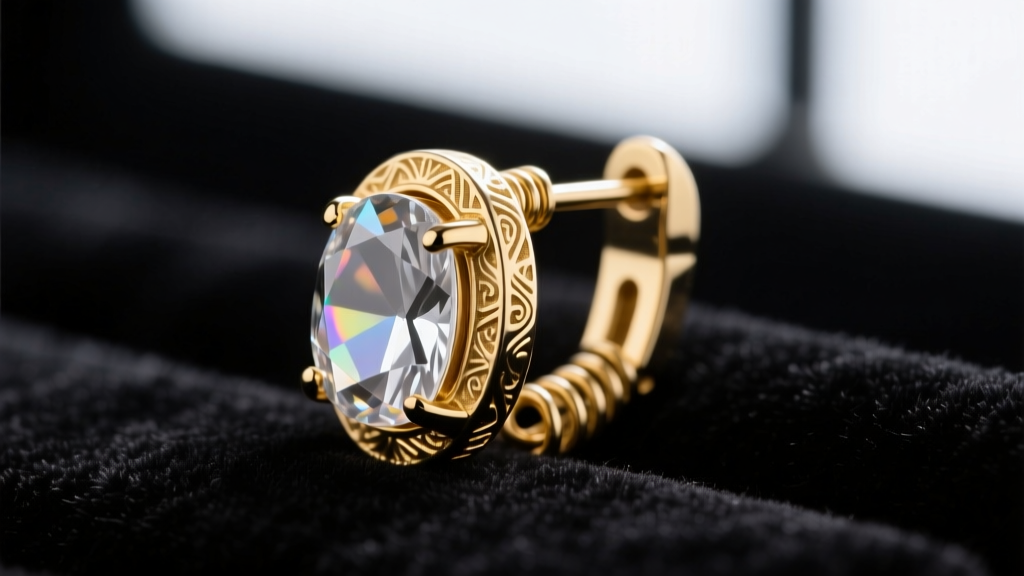
The Resurgence of Non-Pierced Jewelry
Clip-on earrings have evolved dramatically from the painful, pinching contraptions of the mid-20th century into sophisticated, comfortable accessories that rival their pierced counterparts. As the non-pierced jewelry market expands, JCPenney remains a staple for accessible fashion jewelry, offering a vast array of non-pierced options ranging from vintage-inspired button clips to modern minimalist hoops. However, when shopping for JCPenney clip on earrings, understanding the underlying material properties is the difference between a comfortable evening out and aching earlobes. The comfort of a clip-on earring is not just about the padding on the back of the clip; it is fundamentally dictated by the density, weight, and dermatological profile of the materials used in its construction.
The Physics of Non-Pierced Jewelry: Weight and Tension
To understand material selection, we must first look at the physics of the clip-on mechanism. A standard spring-hinge clip-on relies on mechanical pressure to stay attached to the earlobe. The ideal clamping force for comfort and security sits between 1.5 and 2.5 Newtons. If an earring is crafted from dense, heavy materials, the spring tension must be increased to prevent the earring from slipping off during movement. This increased pressure compresses the capillary beds in the earlobe, leading to ischemia (restricted blood flow). Ischemia is the primary cause of the dull, throbbing pain associated with wearing clip-ons for extended periods. Therefore, the density of the materials used in JCPenney clip on earrings is the most critical factor in determining their long-term wearability.
Core Materials Used in JCPenney Clip On Earrings
JCPenney’s fashion jewelry inventory utilizes a diverse range of materials, each with distinct physical properties that affect both the aesthetics and the mechanics of the earring.
Base Alloys and Plating: The Structural Core
The majority of metal-based JCPenney clip on earrings are cast from base metals, most commonly brass or zinc alloys like Zamak. Zamak is favored in fashion jewelry because it is inexpensive, melts at a relatively low temperature, and captures intricate mold details perfectly. However, Zamak has a high density of approximately 6.6 g/cm³, making it quite heavy. To make these base metals attractive and skin-safe, they are electroplated with a microscopically thin layer of gold-tone, rose-gold-tone, or rhodium (silver-tone). It is important to note that fashion jewelry plating is typically between 0.1 and 0.5 microns thick. While this provides a beautiful finish, it means the underlying heavy alloy dictates the earring's weight, which in turn dictates the required spring tension on the clip.
Lightweight Polymers: Acrylic and Resin
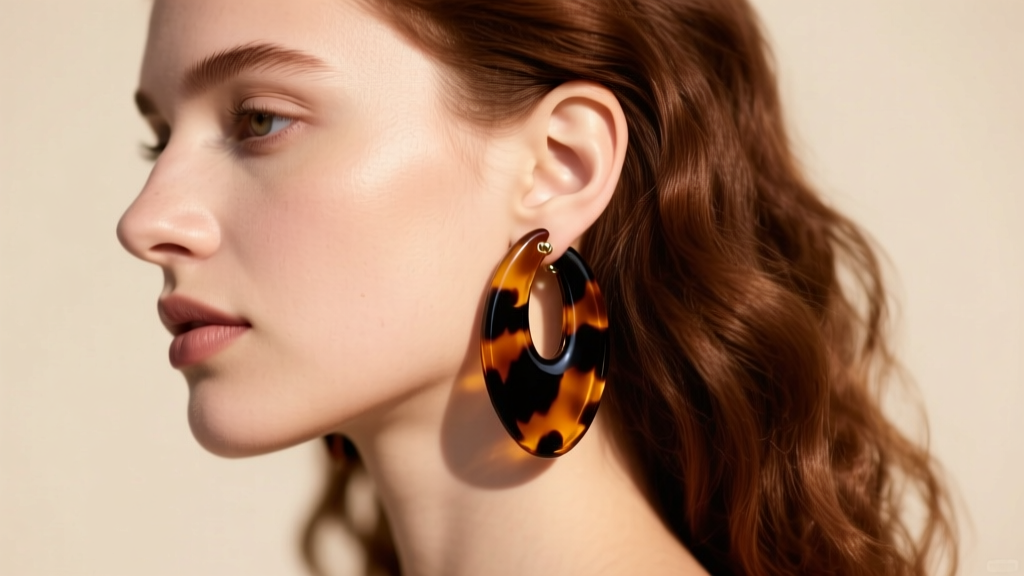
For oversized, statement-making JCPenney clip on earrings, designers frequently turn to polymers like acrylic (PMMA) and epoxy resins. Acrylic has a remarkably low density of just 1.18 g/cm³—nearly a sixth of the weight of Zamak. This makes acrylic the undisputed champion for large, sculptural clip-ons, such as thick vintage-style hoops or oversized geometric shapes. Because the material is so light, the clip-on hinge can utilize a much gentler spring tension, allowing the wearer to keep the earrings on for hours without experiencing lobe fatigue.
Simulated Gemstones vs. Glass
When it comes to adding sparkle, material density again plays a massive role. Cubic Zirconia (CZ), the most common diamond simulant used in fashion jewelry, has a high density of roughly 5.6 to 6.0 g/cm³. According to the Gemological Institute of America (GIA), CZ is significantly heavier than most natural gemstones. Conversely, acrylic resin stones share the low 1.18 g/cm³ density of their polymer counterparts, while standard lead glass sits in the middle at about 2.5 g/cm³. For chandelier or drop-style clip-ons, earrings featuring acrylic or lightweight glass stones will always be more comfortable than those heavily encrusted with large CZ stones.
Material Comparison Chart: Density and Skin Impact
The following table breaks down the common materials found in JCPenney's non-pierced collections, comparing their physical weight and dermatological profiles.
| Material | Density (g/cm³) | Hypoallergenic Profile | Best Clip-On Style |
|---|---|---|---|
| Zamak (Zinc Alloy) | ~6.6 | Low (Requires intact plating) | Small studs, button clips |
| Brass | ~8.5 | Low (Often contains nickel) | Small huggies, minimalist clips |
| Acrylic / Resin | ~1.18 | High (Inert polymer) | Oversized hoops, statement drops |
| Cubic Zirconia | ~5.8 | High (Inert crystal) | Small accent stones, tennis clips |
| Enamel | ~2.5 | High (Fused glass powder) | Color-blocked geometric clips |
Navigating Metal Sensitivities in Non-Pierced Jewelry
A common misconception is that because clip-on earrings do not pierce the skin, they cannot cause allergic reactions. In reality, contact dermatitis is a significant concern with base-metal fashion jewelry. The American Academy of Dermatology notes that nickel allergy is one of the most common causes of allergic contact dermatitis. Even though the metal sits on the epidermis rather than inside the dermal tissue, prolonged contact can trigger a reaction.
The catalyst for this reaction is often sweat. Human sweat contains sodium chloride, which acts as an electrolyte. When you wear JCPenney clip on earrings made of plated base metals, sweat can accelerate the leaching of nickel ions through microscopic pores in the thin electroplating. If you have sensitive skin, it is highly recommended to opt for JCPenney’s acrylic, resin, or enamel-heavy designs, or to apply a thin barrier of clear nail polish or a specialized jewelry shield to the metal clip paddle before wearing.
Maintenance: Preserving Plating and Spring Tension
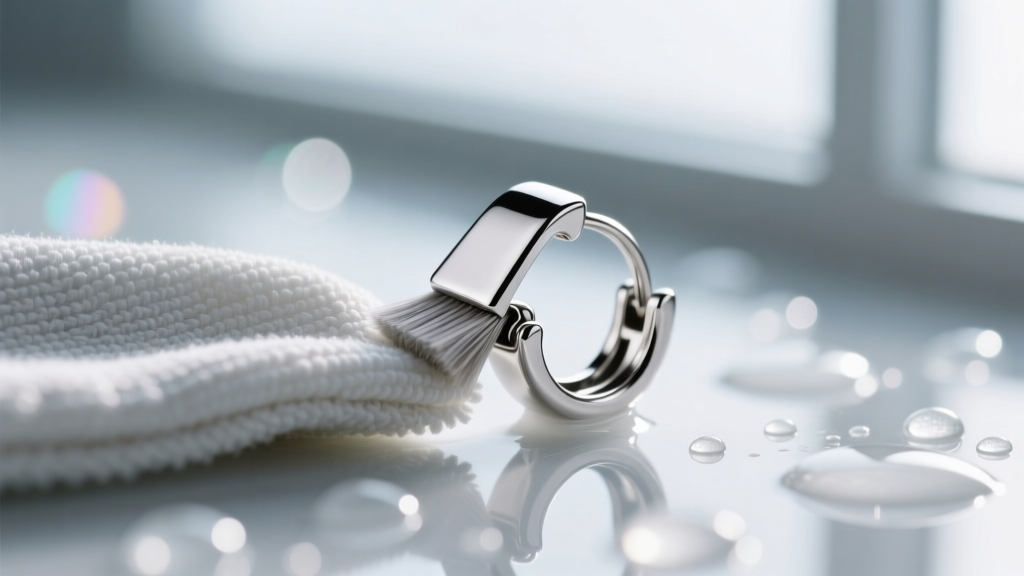
The longevity of your JCPenney clip on earrings depends heavily on how you care for the materials. Because the gold-tone and rhodium platings are exceptionally thin, aggressive cleaning methods will strip the finish entirely, exposing the raw, easily tarnished base metal underneath.
- Avoid Ultrasonic Cleaners: The high-frequency vibrations and harsh chemical baths used in ultrasonic cleaners will instantly degrade fashion jewelry plating.
- Gentle Wiping: After each wear, use a dry, lint-free microfiber cloth to wipe away skin oils and sweat from both the decorative front and the clip mechanism.
- Protect the Hinge: Keep moisture away from the spring hinge. If water gets trapped in the mechanical joint, it can cause the internal steel spring to rust, leading to a stiff or broken clip.
- Proper Storage: Store your clip-ons in individual anti-tarnish pouches. This prevents the pieces from scratching one another and slows down the oxidation process of the base metals.
Final Thoughts on Material Selection
JCPenney offers a fantastic entry point into the world of non-pierced jewelry, provided you shop with a materials-first mindset. By prioritizing lightweight acrylics and resins for statement pieces, and reserving heavier base-metal alloys for smaller, stud-style clips, you can build a versatile, comfortable collection. Understanding the interplay between material density, spring tension, and skin chemistry transforms the clip-on earring from a painful compromise into a highly wearable, stylish choice.


