Choosing Feather Earrings: Real vs Metal Materials
Compare real, metal, and synthetic feather earrings. Discover material properties, weight limits, hypoallergenic traits, and expert care tips.

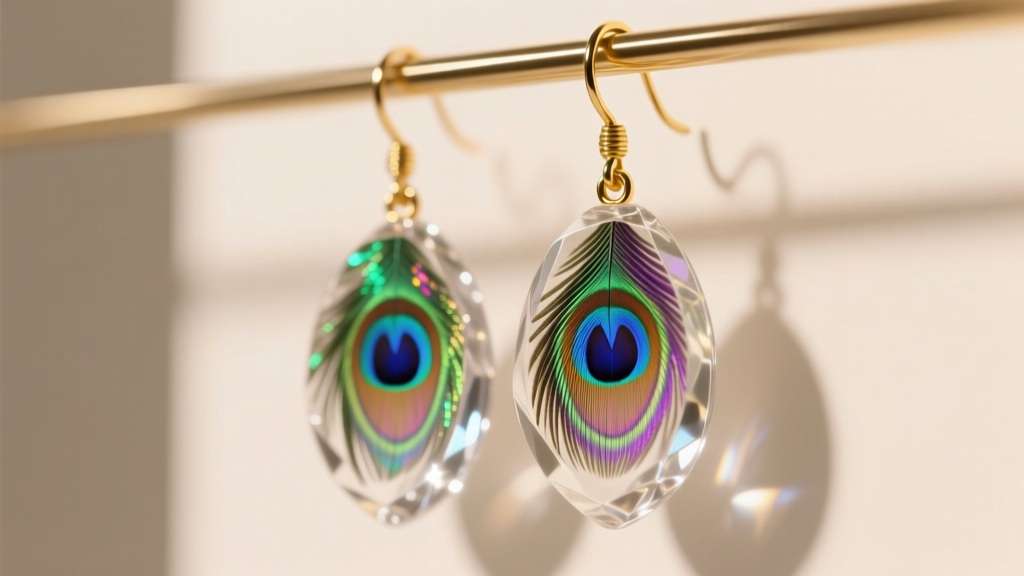
The Allure of Feather Earrings: Beyond the Aesthetic
Feather earrings represent a unique intersection of bohemian aesthetics and material engineering. Whether you are drawn to the delicate, organic sway of natural plumage or the structured, architectural lines of metal feather earrings, understanding the underlying material science is critical for both longevity and ear health. As a jewelry style guide, we frequently see consumers purchase earrings based solely on visual appeal, only to be disappointed by rapid tarnishing, allergic reactions, or structural failure. This comprehensive guide breaks down the exact material properties, fabrication methods, and biomechanical impacts of real versus metal feather earrings, giving you the actionable data needed to make an informed purchase.
Natural Plumage: Properties of Real Feather Earrings
Authentic feather earrings are typically crafted from the molted plumage of birds such as peacocks, pheasants, guinea fowl, or macaws. From a materials science perspective, a feather is composed almost entirely of keratin—the same fibrous structural protein found in human hair and nails. While visually stunning, keratin is highly hygroscopic, meaning it readily absorbs moisture from the surrounding environment.
Because of this hygroscopic nature, unsealed real feather earrings will quickly warp, curl, and lose their structural integrity in high-humidity environments. Furthermore, natural keratin is susceptible to UV degradation, which causes the vibrant iridescence of peacock or macaw feathers to fade into a dull brown when exposed to prolonged sunlight. To combat these failure modes, high-quality natural feather earrings must undergo a rigorous sealing process.
Sealing and Fabrication Techniques
Master jewelers and artisan crafters utilize specific chemical sealants to stabilize natural feathers without adding excessive weight:
- UV-Curing Resin: A thin layer of optically clear, UV-curing epoxy resin is brushed over the vane of the feather. This provides a waterproof barrier and enhances the natural iridescence by increasing the refractive index of the surface.
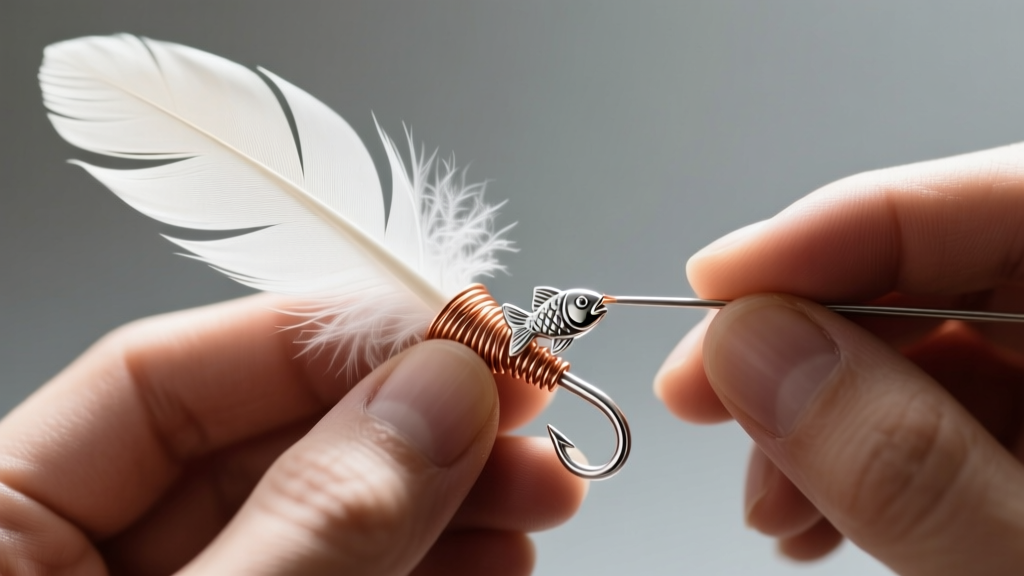
- Cyanoacrylate (CA) Glue: Used specifically to harden the fragile quill (calamus) where the earring finding will be attached, preventing the wire from slicing through the organic material.
- Wire-Wrapping: The quill is typically secured to the ear wire using 24-gauge or 26-gauge dead-soft wire (often copper or fine silver) to ensure a tight grip without cracking the hardened keratin.
Expert Sourcing Tip: Always verify that natural feather earrings are sourced from cruelty-free molting processes rather than plucking. Reputable artisans will explicitly state that their plumage is naturally shed and ethically collected from sanctuaries or free-range aviaries.
Metal Feather Earrings: Alloys, Gauges, and Weight
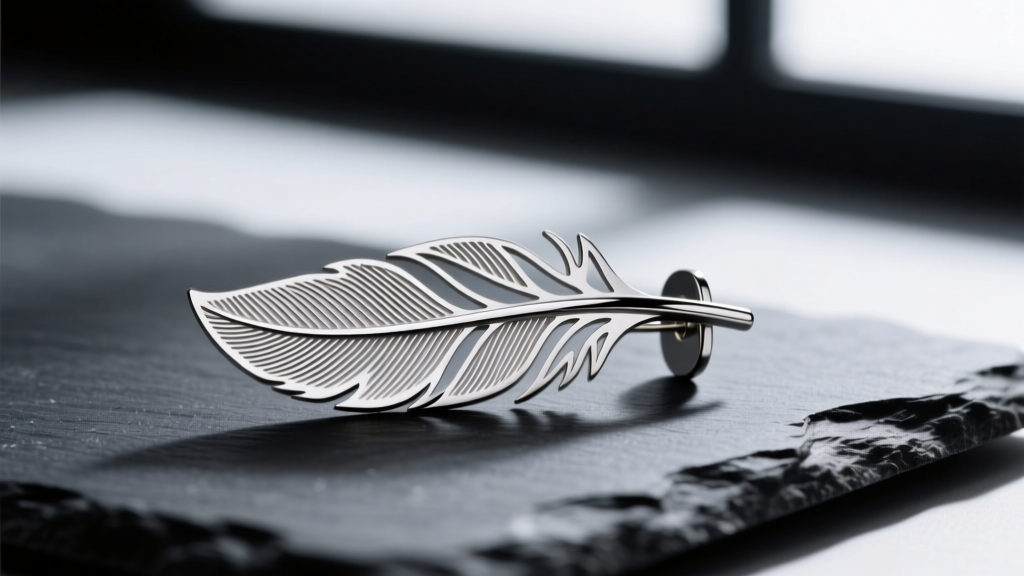
For those seeking the aesthetic of feathers without the fragility of organic materials, metal feather earrings offer a durable alternative. However, the choice of alloy drastically alters the weight, hypoallergenic properties, and price point of the piece. The three most common metals used for feather-motif earrings are 925 Sterling Silver, Brass, and Grade 23 Titanium.
925 Sterling Silver vs. Brass
When browsing metal feather earrings, you will frequently encounter 925 Sterling Silver and Brass. Sterling silver is an alloy consisting of 92.5% pure silver and 7.5% copper. The copper is added to increase the Vickers hardness of the metal, allowing for intricate stamped or cast feather vein details. However, this copper content makes sterling silver prone to tarnishing (forming silver sulfide) when exposed to sulfur compounds in the air or sweat. According to metallurgical guidelines from Rio Grande, regular polishing with a treated jeweler's cloth is required to maintain the luster of silver feather earrings.
Brass, an alloy of copper and zinc, is significantly cheaper and often used for large, statement-sized metal feather earrings. While brass is lighter than silver, it is highly porous and frequently plated with gold or rhodium. Once this plating wears away from friction against the hair and skin, the raw brass can react with the acidity in your sweat, leaving a harmless but unsightly green residue on your earlobes.
The Biomechanics of Earlobe Stretching
One of the most overlooked aspects of metal feather earrings is their weight. Human earlobe tissue is composed of collagen and elastin fibers. When subjected to a constant downward force, these tissues experience a phenomenon known in biomechanics as "tissue creep"—a slow, permanent deformation over time. A solid-cast sterling silver feather earring measuring 3 inches in length can easily weigh between 12 and 18 grams per ear. Wearing earrings of this weight for more than 4 to 6 hours a day will inevitably lead to earlobe stretching and sagging.
Actionable Solution: If you own heavy metal feather earrings, utilize silicone support discs (such as Lobe Wonder pads) behind the earlobe. These discs distribute the downward vector force across a wider surface area of the ear, preventing localized tissue tearing and stretching.
Material Comparison Matrix
To help you decide which material best fits your lifestyle, budget, and skin sensitivity, refer to the comparison table below:
| Material | Average Weight (Pair) | Hypoallergenic Rating | Durability & Maintenance | Price Range (USD) |
|---|---|---|---|---|
| Natural Feather (Sealed) | 1g - 3g | High (if nickel-free hooks) | Fragile; keep dry; avoid UV | $25 - $60 |
| 925 Sterling Silver | 8g - 18g | Moderate (copper allergy risk) | High; requires anti-tarnish care | $60 - $150 |
| Plated Brass | 6g - 12g | Low (nickel/zinc exposure) | Moderate; plating will wear off | $15 - $45 |
| Grade 23 Titanium | 3g - 6g | Exceptional (100% nickel-free) | Extreme; zero tarnish or rust | $80 - $200+ |
Hypoallergenic Considerations for Sensitive Ears
For individuals with contact dermatitis or metal sensitivities, the earring finding (the wire that actually pierces the ear) is just as important as the feather charm itself. The Gemological Institute of America (GIA) and global dermatological standards note that nickel allergies affect approximately 15% to 20% of the population. Many mass-produced feather earrings utilize cheap base-metal ear wires that contain high levels of nickel.
If you have reactive ears, you must look for specific material markers. Avoid terms like "silver-toned" or "hypoallergenic" (which is an unregulated marketing term). Instead, demand ASTM F136 compliant Grade 23 Titanium (Ti-6Al-4V ELI) or Niobium ear wires. Titanium is biologically inert and is the exact same metal used in surgical implants, guaranteeing zero allergic response. If you prefer the look of gold, ensure the ear wire is made of solid 14k or 18k gold, or at minimum, heavily plated gold-filled (1/20 14k GF) wire, which contains 100 times more gold than standard gold-plated wire and will not wear down to a base metal core.
Final Verdict: Matching Material to Lifestyle
Choosing the perfect feather earrings ultimately depends on your daily environment and physical sensitivity. If you are attending a single evening event, festival, or photoshoot, lightweight, naturally molted feather earrings offer an unmatched, ethereal movement that metal simply cannot replicate. However, for daily wear, office environments, or individuals with reactive skin, laser-cut Grade 23 titanium or lightweight hollow-formed sterling silver feather earrings provide the bohemian silhouette with the structural permanence and biocompatibility required for long-term ear health. Always check the gauge of the ear wire—opting for 20-gauge (0.8mm) or 18-gauge (1.0mm) wires ensures the earring will not bend or slip out of your piercing during wear.


