Buying Guide: How to Choose 2 Earrings for Double Piercings
Learn how to choose and style 2 earrings for double lobe piercings. Expert guide on spacing, gauge sizes, safe metals, and threadless backings.

The Anatomy of a Double Lobe Pairing
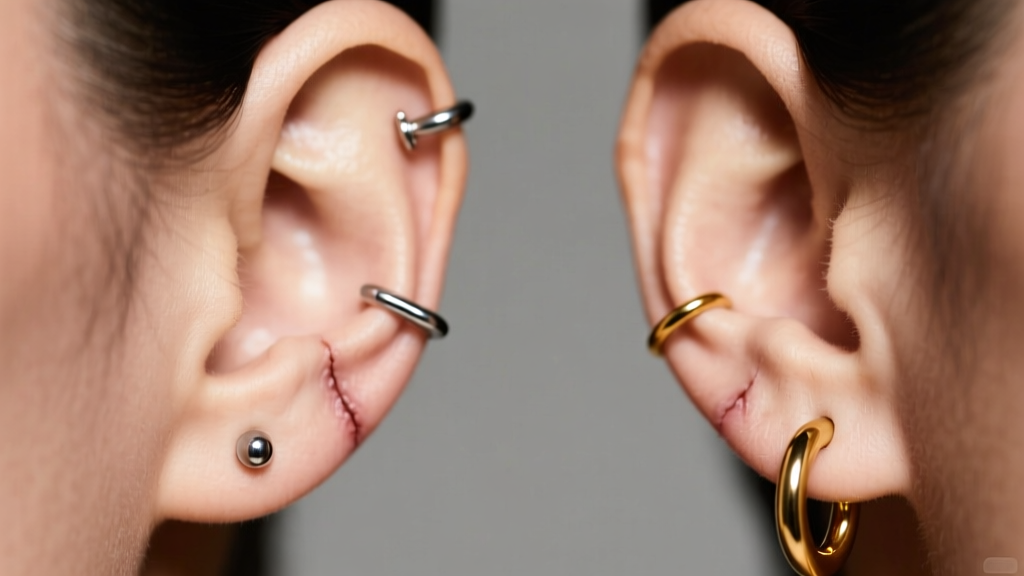
Buying a standard pair of matching earrings is a straightforward endeavor, but curating a set of 2 earrings specifically for a double lobe setup requires a nuanced understanding of spatial dynamics, metal biocompatibility, and visual weight. When you are shopping for 2 earrings to fill adjacent piercings, you are no longer just buying jewelry; you are engineering a micro-curation. The primary challenge lies in the physical spacing of the fistulas (the healed piercing channels). The average distance between the center of a first lobe piercing and a second lobe piercing is between 6mm and 8mm. If your piercer placed them closer together—say, 4mm or 5mm—your options for wearing 2 earrings that do not physically overlap or tangle are severely restricted. Before purchasing, use a digital caliper to measure the exact millimeter distance between the centers of your two holes. This single metric will dictate the maximum diameter of hoops and the maximum millimeter width of gemstone settings you can comfortably wear in tandem.
Proportions and Sizing: The 60/40 Visual Rule
When styling 2 earrings in a vertical line, visual balance is paramount. Jewelry stylists and professional piercers often recommend the 60/40 rule for double lobes. This means the earring in the first (lower) hole should carry roughly 60% of the visual weight, while the earring in the second (higher) hole should carry 40%. This mimics the natural tapering of the earlobe and prevents the upper piercing from looking top-heavy or cluttered. If you attempt to wear two identical 8mm statement studs, the result is often visually overwhelming and physically uncomfortable, as the jewelry will press against each other when you sleep or wear headphones.
Optimal Sizing Combinations for Double Lobes
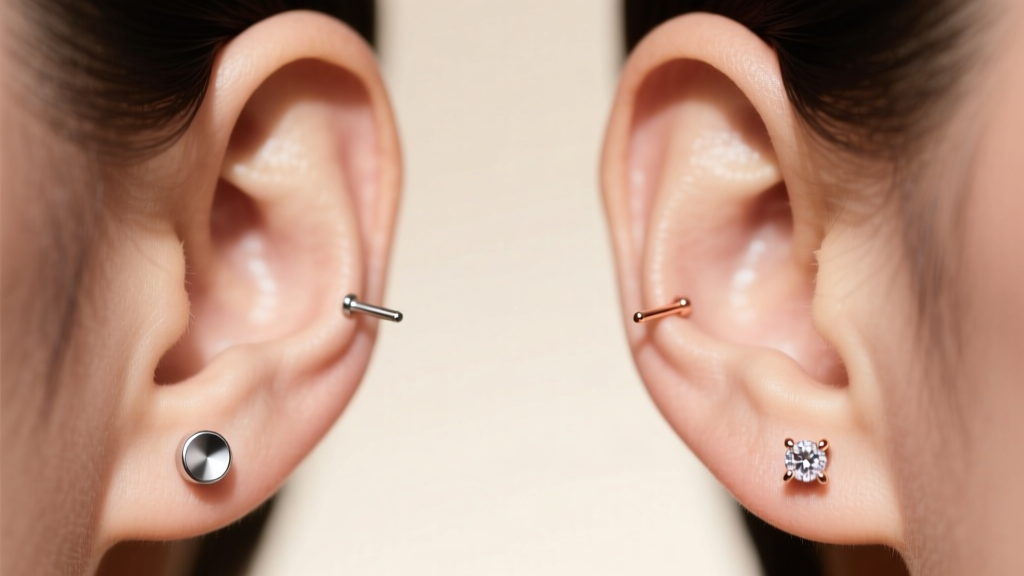
The following table outlines proven combinations for buying 2 earrings that harmonize perfectly without overlapping, assuming a standard 7mm piercing distance.
| First Hole (Lower Lobe) | Second Hole (Upper Lobe) | Visual Effect & Comfort Level |
|---|---|---|
| 6mm - 8mm Hoop / Huggie | 2mm - 3mm Micro Stud | High comfort. The micro stud tucks neatly above the hoop's curve without catching on hair. |
| 5mm Bezel-Set Gemstone | 3mm Prong-Set Diamond | Classic elegance. The bezel setting prevents the upper prongs from snagging on fabrics. |
| 8mm Threadless Spike | 4mm Titanium Ball Stud | Edgy and minimalist. Ideal for streetwear aesthetics and highly resistant to impact. |
| 10mm Chunky Chain Drop | 2mm Flush-Set Opal | High fashion. The flush setting ensures the upper earring remains completely flat against the lobe. |
Material Grades and Hypoallergenic Requirements
When investing in high-quality body jewelry, you must scrutinize the metallurgical composition. The Association of Professional Piercers (APP) strictly recommends implant-grade materials for long-term wear. If you are buying 2 earrings for daily use, avoid "surgical steel" (which is an unregulated marketing term and often contains high nickel content) and gold-plated brass. Instead, look for these specific material grades:
- ASTM F136 Implant-Grade Titanium: The gold standard for sensitive ears. It is entirely nickel-free, highly polished, and lightweight. Brands like Anatometal and Industrial Strength use this exclusively.
- Solid 14k or 18k Gold: Ensure the gold is alloyed for body jewelry (often palladium-based rather than nickel-based). Avoid anything under 14k, as the higher copper content in 10k gold can cause oxidation and skin discoloration.
- Niobium: A highly reactive metal that can be anodized into vibrant colors without the use of toxic dyes or plating. It is an excellent, budget-friendly alternative to gold.
The American Academy of Dermatology notes that nickel allergy is the most common cause of contact dermatitis, affecting up to 18% of adults. Wearing cheap alloys in a double piercing setup doubles your exposure risk, making strict material adherence non-negotiable.
Threading and Backing Types: Beyond the Butterfly Clutch
The mechanism that holds your 2 earrings in place is just as critical as the front design. Traditional "butterfly" push-backs are notorious for harboring dead skin cells, sebum, and bacteria in their tight crevices, leading to foul odors and localized infections. Furthermore, the sharp posts of standard friction-back earrings can poke the neck during sleep. When buying your curated set, prioritize these advanced backing systems:
Threadless (Push-Pin) Jewelry
Threadless jewelry relies on tension rather than screws. The pin on the earring top is slightly bent before insertion into the hollow post. This creates a secure, friction-based lock that is incredibly difficult to lose, yet easy for a piercer to remove with specialized pliers. It is the premier choice for the second hole, where fiddling with tiny screw threads is frustrating.
Internally Threaded Flat Backs
In internally threaded jewelry, the screw mechanism is inside the hollow post, and the ball or gem top screws into it. This ensures the post is completely smooth, preventing tissue damage during insertion. Flat back (labret style) posts sit flush against the back of the earlobe, eliminating the "poke" factor and allowing you to sleep comfortably on your side.
Gauge Sizes and the Cheese-Cutter Effect
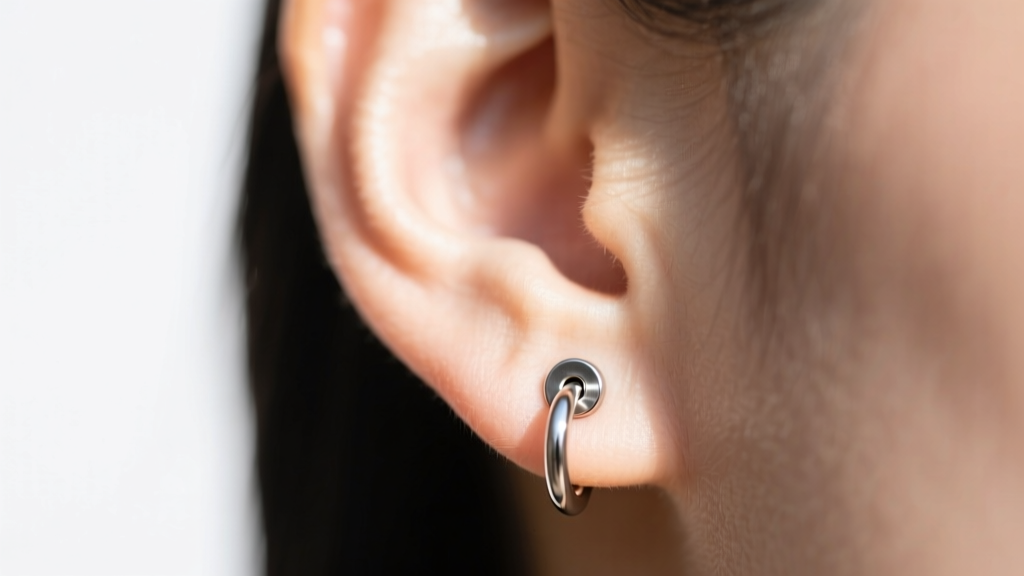
Standard earlobe piercings are typically done at 18-gauge (1.0mm) or 16-gauge (1.2mm). However, many commercial mall-kiosk earrings are manufactured at 20-gauge (0.8mm) or even 22-gauge (0.6mm). Buying 2 earrings at these ultra-thin gauges is a critical mistake for long-term wear. A wire that is too thin acts like a wire cheese cutter against the flesh of the earlobe. Over time, the weight of the earring combined with the thin wire will slowly migrate downward, stretching the fistula and potentially causing a blowout or a split lobe. Always verify that the 2 earrings you are purchasing are at least 18-gauge, with 16-gauge being the optimal choice for structural integrity and long-term tissue health.
Pricing Expectations and Brand Recommendations
Transitioning from commercial jewelry to professional body jewelry requires a shift in purchasing paradigms. High-end brands do not sell "pairs"; they sell individual components (tops and posts separately). Therefore, when you set out to buy 2 earrings, you are actually purchasing two posts and two decorative tops. Expect the following pricing tiers for authentic, implant-grade pieces:
- Entry-Level Titanium ($35 - $60 per piece): Brands like Junipurr Jewelry or NeoMetal offer exceptional threadless titanium options with synthetic or lab-created gems.
- Mid-Tier Solid Gold ($80 - $180 per piece): Maria Tada and BVLA offer stunning 14k gold designs. A simple 3mm prong-set diamond top will cost around $120, plus $20 for the titanium or gold post.
- High-End Custom ($250 - $600+ per piece): Pieces featuring genuine sapphires, alexandrites, or intricate custom gold casting from artisan body jewelers.
While the initial investment for 2 high-quality earrings may range from $150 to $400 total, the longevity, biocompatibility, and brilliance of the gems far outlast disposable fashion jewelry.
Troubleshooting Common Double Piercing Issues
Even with perfect spacing and premium materials, wearing 2 earrings in a curated setup can present unique mechanical challenges. Here is how to troubleshoot the most common issues:
Angle Mismatch
If your two piercings were done years apart, or by different piercers, the angle of the fistula may not be perfectly parallel. If you insert a rigid flat-back stud into an angled piercing, the gemstone will sit crooked, and the post will press unevenly against the back of the lobe. The Fix: Use a hinged segment ring or a flexible bio-compat polymer post for the misaligned hole, or visit a professional piercer who can use a taper to gently coax the fistula into a uniform angle over a few weeks.
Tangling and Snagging
Wearing a drop earring in the first hole and a hoop in the second is a recipe for disaster. The drop chain will inevitably catch on the bottom of the hoop, pulling on both piercings and risking migration. The Fix: Keep the second hole strictly reserved for flush-fitting studs, micro-gems, or tight-fitting clicker huggies that leave no open gaps for adjacent jewelry to slip through.
Ultimately, buying 2 earrings for a double lobe setup is an exercise in precision. By prioritizing implant-grade metals, respecting the 60/40 visual weight rule, and investing in threadless or flat-back mechanics, you will build a curated ear that is as comfortable as it is visually striking.


