Troubleshooting House of Harlow 1960 Earrings: Weight, Care & Fixes
Solve common issues with House of Harlow 1960 earrings. Expert fixes for heavy earlobe droop, bent posts, tarnish, and styling statement pieces.

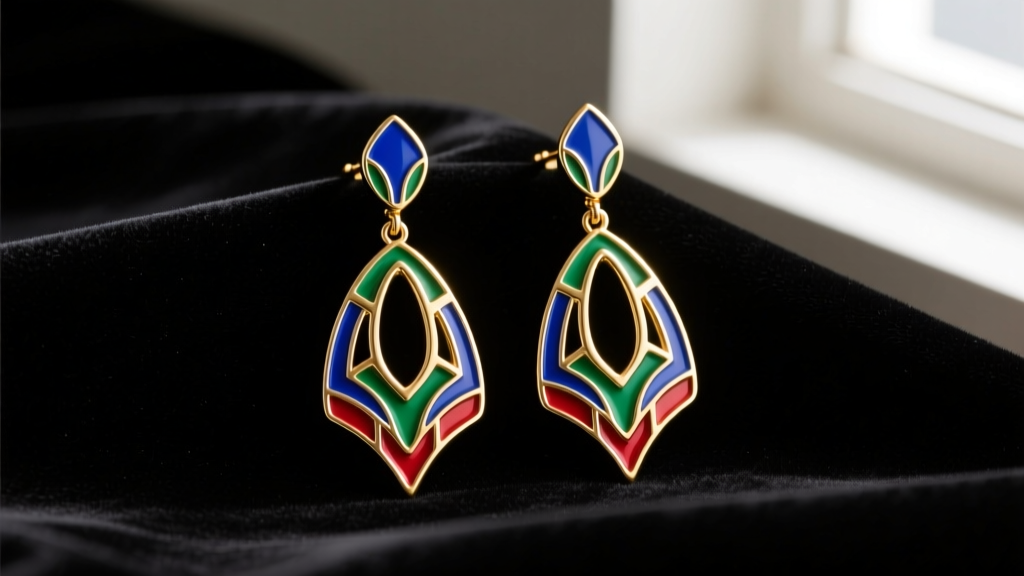
House of Harlow 1960 earrings are iconic in the world of bohemian and vintage-inspired fashion jewelry. Founded by Nicole Richie, the brand is celebrated for its bold, art-deco geometric shapes, intricate enamel work, and heavy statement silhouettes. However, the very characteristics that make these pieces so visually striking also introduce a unique set of structural and styling challenges. From severe earlobe drooping to delicate material care, owning these statement pieces requires a specialized approach to jewelry maintenance.
As a senior jewelry stylist, I frequently consult clients who love the aesthetic of House of Harlow 1960 but struggle with the physical realities of wearing them. This comprehensive troubleshooting guide will walk you through expert solutions for weight distribution, hardware failures, base-metal sensitivities, and face-shape styling, ensuring your investment pieces remain comfortable and pristine in 2026 and beyond.
The Gravity Problem: Managing 20+ Gram Statement Pieces
The most common complaint regarding House of Harlow 1960 dangles and drop earrings is their substantial weight. While a standard gold stud earring weighs between 2 and 4 grams, many House of Harlow statement pieces weigh between 18 and 35 grams per ear. This excessive weight causes 'earlobe ptosis' (drooping), where the earring pulls the lobe downward, causing the decorative face of the earring to tilt forward and hide its design.
Over time, consistently wearing heavy jewelry can stretch the piercing fistula, leading to permanent elongation of the earlobe. According to guidelines on piercing care from the American Academy of Dermatology, continuous tension on the earlobe can cause micro-tears and thinning of the skin tissue.
Troubleshooting Earlobe Droop
- Earlobe Support Patches: Products like LobeWonder are adhesive, invisible patches applied to the back of the earlobe. They feature a reinforced hole that distributes the weight of the earring post across a wider surface area of skin, preventing the post from slicing through the lobe and keeping the earring facing perfectly forward.
- Silicone Disc Backs: Replace standard metal butterfly clutches with 10mm or 12mm flat silicone disc backs. The wide surface area rests flush against the back of the ear, providing a stable anchor that prevents the heavy front from tilting.
- The 'Double-Back' Method: For exceptionally heavy pieces (30g+), use a small silicone disc flush against the earlobe, followed by a secure locking metal clutch behind it to prevent the silicone from sliding off the post.
Bent Posts and Slipping Clutches: Hardware Fixes
Fashion jewelry brands typically utilize Zamak zinc alloys or brass for their earring posts to keep costs manageable and allow for intricate casting. These metals are inherently softer than surgical steel or titanium. A 20-gauge or 22-gauge brass post will easily bend if dropped or snagged on clothing, and standard butterfly backs frequently slip off under the pendulum-like swinging motion of heavy dangles.
| Back Type | Material | Weight Capacity | Pros | Cons |
|---|---|---|---|---|
| Standard Butterfly | Base Metal | Up to 5g | Included with purchase | Slips easily, digs into heavy lobes |
| Flat Silicone Disc | Medical Silicone | Up to 25g | Distributes weight, comfortable | Can degrade with oil/perfume exposure |
| Locking Leverback | Stainless Steel | Up to 40g | Physically locks onto the post | Requires manual dexterity to apply |
| Adhesive Lobe Patch | Polyurethane | Up to 50g | Prevents lobe stretching entirely | Single-use, recurring cost |
Pro-Tip for Bent Posts: Never use your fingers to bend a brass post back into place; the uneven pressure will create a weak point that will eventually snap. Instead, use a pair of nylon-jaw jewelry pliers to gently apply even pressure and straighten the 20-gauge wire without scratching the gold-tone plating.
Tarnish and Enamel Damage: Material-Specific Care
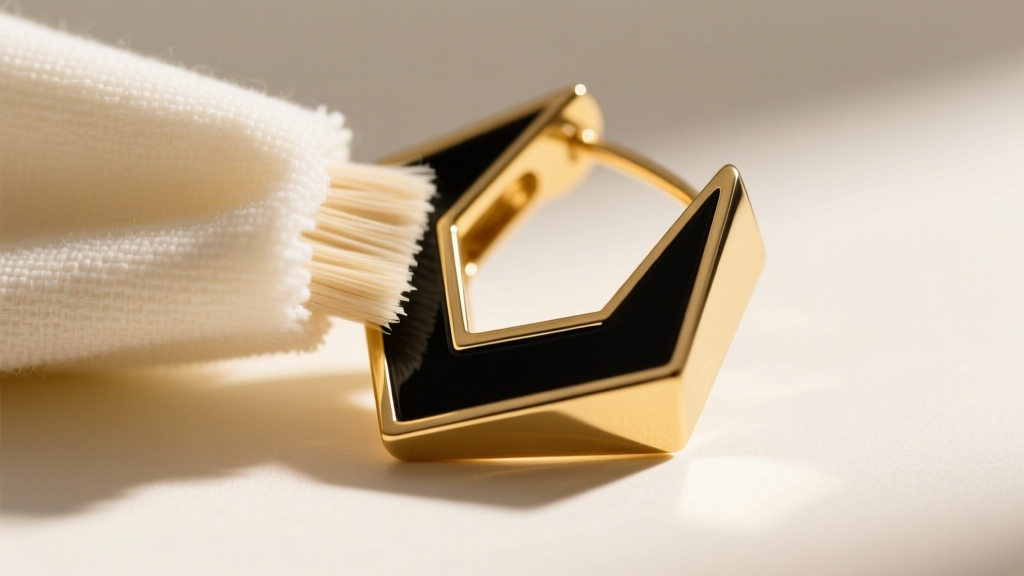
House of Harlow 1960 earrings frequently feature a mix of materials: gold-tone plated brass, epoxy resin, dyed howlite (often used to imitate turquoise), and glass enamel. This mixed-media construction makes them highly susceptible to damage from standard jewelry cleaning methods.
The Gemological Institute of America strictly warns against using ultrasonic cleaners or harsh chemical dips on porous stones, enamel, or plated jewelry. An ultrasonic cleaner's high-frequency vibrations will shatter epoxy resin inlays and cause glass enamel to crack or detach from the brass backing.
Safe Cleaning Protocol
- Dry Dusting: Use a clean, dry microfiber cloth to gently buff the gold-tone metal. This removes daily skin oils and environmental dust without scratching the plating.
- Targeted Crevice Cleaning: For dirt trapped in art-deco geometric grooves, dip a cotton swab in a solution of warm water and a single drop of pH-neutral dish soap. Wring the swab out until it is barely damp, then gently trace the metal lines. Never let moisture pool near the enamel or resin inlays.
- Chemical Avoidance: Hairspray, alcohol-based perfumes, and sunscreen will dissolve the top layer of epoxy resin and strip the gold-tone plating, exposing the raw brass underneath. Always apply your beauty products and allow them to dry completely before putting on your statement earrings.
Allergic Contact Dermatitis: Managing Base Metal Sensitivities
Because these pieces are crafted from gold-tone plated base metals, they are not hypoallergenic. As the gold plating wears thin on the earring post due to friction during insertion and removal, the underlying brass or zinc alloy is exposed. Skin acidity reacts with the copper in the brass, leading to the dreaded 'green ear' effect or, worse, allergic contact dermatitis characterized by itching, redness, and weeping of the piercing hole.
The Barrier Method: To troubleshoot this without retiring your favorite earrings, apply a thin coat of clear, flexible nail polish (or a specialized jewelry shielding lacquer) to the earring post and the back of the decorative face that rests against your skin. Allow it to cure for 24 hours before wearing. This creates an invisible, non-reactive barrier between the base metal and your skin. Reapply every few weeks as the lacquer wears off from friction.
Styling Troubleshooting: Balancing the Bohemian Aesthetic

The sheer scale of House of Harlow 1960 earrings can easily overwhelm the wearer if not styled with intentional proportion. Troubleshooting the styling of these pieces requires an understanding of facial geometry and neckline balance.
Face Shape Mapping
- Round Faces: Avoid wide, circular hoop styles from the brand. Instead, opt for their long, angular, geometric drop earrings (like their signature arrow or chevron motifs). The sharp angles and vertical length create an optical illusion that elongates the face and jawline.
- Square Faces: Counteract a strong, angular jawline by choosing House of Harlow pieces with curved elements, such as oval cabochon drops or soft, filigree fan shapes. Avoid boxy, rigid art-deco squares that will only emphasize the jaw's width.
- Heart-Shaped Faces: Look for chandelier styles that are wider at the bottom than the top. This adds visual volume to the narrower lower half of the face, creating perfect symmetry.
Neckline Pairing
Because these earrings act as the primary focal point, they require 'negative space' around the neck. Deep V-necks, scoop necks, and strapless bodices provide the ideal canvas. Avoid wearing House of Harlow statement dangles with high-neck turtlenecks, ruffled collars, or busy patterned blouses, as the visual competition will make the overall look feel cluttered and chaotic.
Stylist's Rule of Thumb: If your House of Harlow 1960 earrings feature heavy turquoise or enamel detailing, keep your necklaces minimal or skip them entirely. Let the ears command the room. A delicate, 18-inch gold chain is the only necklace that should ever compete with a 30-gram statement drop.
Final Thoughts on Statement Jewelry Care
Owning House of Harlow 1960 earrings is an exercise in balancing bold aesthetics with practical maintenance. By upgrading your earring backs to support the heavy gram weight, implementing strict dry-cleaning protocols for the mixed-media inlays, and mapping the silhouettes to your specific face shape, you can transform these pieces from cumbersome accessories into comfortable, show-stopping staples of your wardrobe.


