Antique Victorian Earrings: The Ultimate Buying Guide
Master the art of buying antique Victorian earrings. Explore authentication tips, rare materials like gutta-percha, and pricing frameworks in our expert guide.

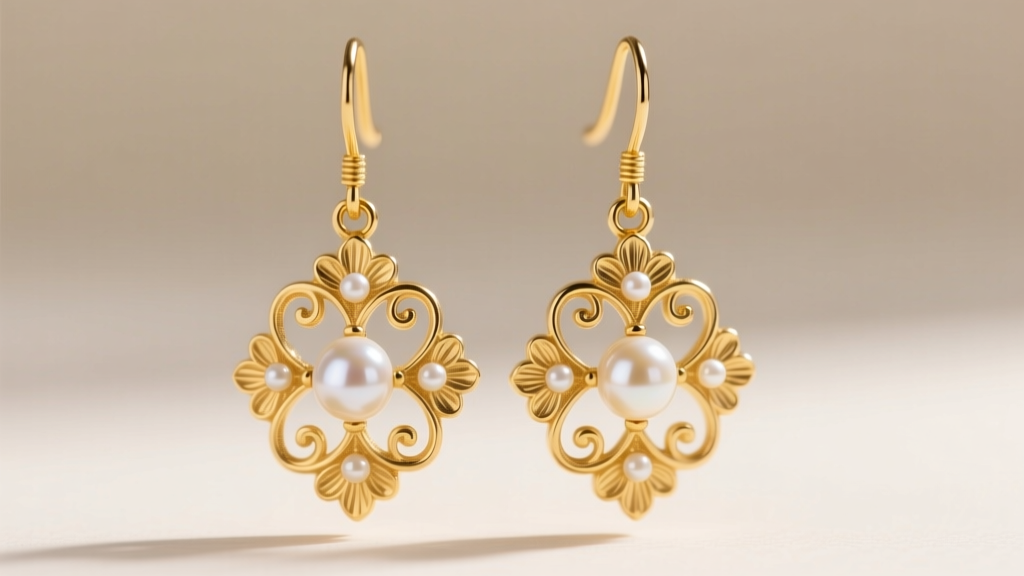
The market for antique Victorian earrings has evolved significantly, transitioning from niche estate sales to highly competitive global auctions. Spanning the reign of Queen Victoria from 1837 to 1901, this era produced some of the most sentimental, intricate, and materially diverse jewelry in history. However, as demand surges in 2026, so does the prevalence of altered pieces, franken-jewelry (assembled from unrelated parts), and high-quality reproductions. For the serious collector or the discerning buyer, understanding the nuances of 19th-century goldsmithing, hallmarking, and material science is no longer optional—it is essential.
This comprehensive buying guide will equip you with the forensic tools needed to authenticate, evaluate, and invest in genuine antique Victorian earrings, ensuring your acquisitions are as historically accurate as they are beautiful.
Decoding the Eras: Romantic, Grand, and Aesthetic
The Victorian era is not a monolith; it is divided into three distinct sub-periods, each with unique design philosophies and material preferences. Identifying which sub-period a pair of earrings belongs to is the first step in authentication.
The Romantic Period (1837–1860)
Marked by Queen Victoria’s youth and courtship, Romantic Period earrings are characterized by light, nature-inspired motifs. Expect to see delicate goldwork featuring vines, leaves, and flowers. Seed pearls were heavily utilized, often set in 15k or 18k yellow gold. Earrings from this era are typically drop or dangle styles, utilizing early shepherd hook wires. Because platinum was not yet commercially viable for jewelry, silver or silver-topped gold was used to set diamonds and paste stones.
The Grand Period (1861–1885)
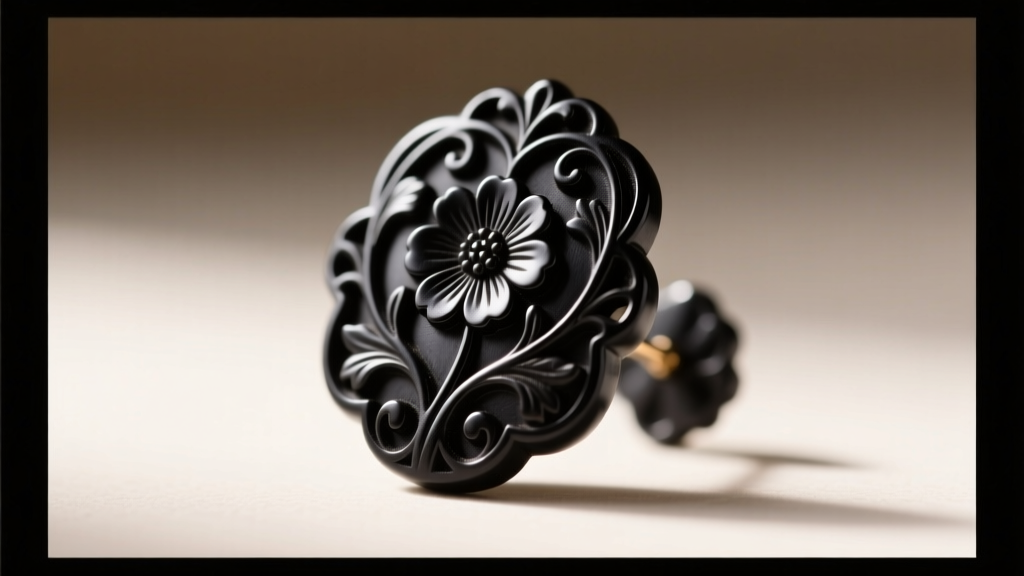
Triggered by the death of Prince Albert, the Grand Period saw a massive shift toward mourning jewelry and heavier, more somber designs. This is the era of Etruscan Revival, championed by jewelers like Castellani, featuring intricate granulation and wirework. Dark materials became mandatory for mourning, leading to the rise of Whitby jet, French jet (black glass), bog oak, and gutta-percha. Earrings became larger, often featuring heavy drop pendants and closed-back settings to protect delicate foil-backed garnets and amethysts.
The Aesthetic Period (1885–1901)
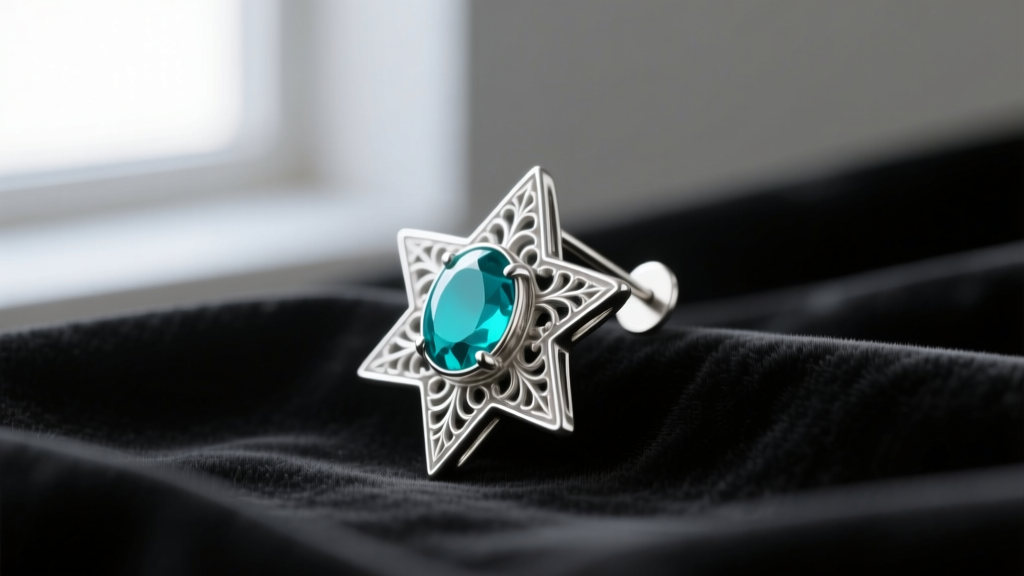
As the rigid mourning rules relaxed, jewelry became lighter, more whimsical, and focused on artistic expression. Motifs shifted to stars, crescent moons, insects, and Japanese-inspired designs. Silver became highly fashionable, often paired with turquoise cabochons, coral, and small rose-cut diamonds. This period also saw the introduction of the screw-back earring finding, patented in 1894, which revolutionized how earrings were worn by those without pierced ears.
Material Forensics: Beyond Gold and Silver
Victorian jewelers were master innovators, utilizing a wide array of unconventional materials, particularly for mourning jewelry. Recognizing these materials is critical for accurate valuation.
| Material | Composition | Identification Traits |
|---|---|---|
| Gutta-Percha | Vulcanized natural rubber | Matte black finish; emits a distinct rubbery odor when rubbed vigorously or warmed by friction. |
| Pinchbeck | Copper and zinc alloy | Mimics 18k gold; lightweight; does not tarnish like brass; shows no wear-through to base metal. |
| Whitby Jet | Fossilized araucaria wood | Extremely lightweight; warm to the touch; leaves a light brown streak when rubbed on unglazed porcelain. |
| Bog Oak | Peat-preserved wood | Dark brown to black; visible wood grain under 10x magnification; often carved with Irish motifs like shamrocks. |
| Vulcanite | Hardened rubber | Similar to gutta-percha but often molded rather than carved; may show mold lines; turns brown with UV exposure. |
According to the Victoria and Albert Museum, the use of gutta-percha and vulcanite allowed the middle class to participate in the strict mourning etiquette dictated by the royal court, as these materials were far more affordable than hand-carved Whitby jet.
Authentication: Wires, Findings, and Hallmarks
The most common point of failure for novice buyers is ignoring the earring findings. The hardware of an antique earring tells a story that the front-facing design often hides.
- Shepherd Hooks and C-Clasps: The vast majority of pierced Victorian earrings utilized simple shepherd hook wires or C-clasp hoop mechanisms. The wire should show signs of age, patina, and hand-forging. Machine-perfect, uniform wires are a red flag for modern reproduction.
- The Screw-Back Anomaly: The screw-back finding was invented in 1894. If a piece is advertised as "mid-Victorian" or "Grand Period" but features a screw-back, it has either been altered (the original wire removed and replaced) or is misdated.
- Post-and-Clutch: The modern butterfly clutch did not exist in the 19th century. Any Victorian earring featuring a modern post and clutch has been converted. While conversions are common and acceptable for wearability, they diminish the piece's numismatic and antique value by 20% to 40%.
- Hallmarks and Karat Stamps: British gold standards during this era included 9k, 12k, 15k, 18k, and 22k. The 15k gold standard was uniquely prominent in Britain until it was discontinued in 1932. Finding a "15" or "15ct" stamp is a strong indicator of authentic British Victorian origin. French pieces will typically feature an eagle’s head hallmark for 18k gold, stamped on the wire or the clasp.
Foil-Backed Stones and Closed Settings
When evaluating gemstone earrings from the Romantic and Grand periods, you will frequently encounter closed-back settings. Jewelers used metallic foil behind diamonds, paste (lead glass), and colored gems like garnets to reflect light and enhance color. Because moisture will oxidize and ruin the foil, these stones were sealed in closed-back bezels. Never submerge foil-backed earrings in water or use ultrasonic cleaners. If you notice a dark, cloudy, or blackened appearance behind the stone, the foil has likely deteriorated, which significantly impacts the value.
Pricing Framework & Investment Value
As of the mid-2020s market, pricing for antique Victorian earrings varies wildly based on material, condition, and provenance. The Gemological Institute of America (GIA) notes that collectors are increasingly prioritizing pristine condition and original findings over sheer carat weight.
- Entry-Level ($150 – $450): Pinchbeck drop earrings, vulcanite mourning hoops, and silver Aesthetic Period studs with minor enamel loss or missing small stones.
- Mid-Tier ($800 – $2,500): 9k or 15k gold Etruscan Revival dangles, intact gutta-percha parures (sets), and 18k gold earrings featuring natural seed pearls and turquoise.
- High-End ($4,000 – $15,000+): Signed pieces by renowned houses like Castellani or Giuliano, high-carat diamond and enamel Grand Period drops, and museum-quality hairwork jewelry encased in rock crystal.
Caring for 19th-Century Ear Jewelry
Preserving antique earrings requires a departure from modern jewelry care routines. Avoid commercial silver dips and ultrasonic cleaners, which can dissolve the solder used in delicate 19th-century granulation and shatter fragile foil-backed stones. Instead, clean gold and gemstones gently with a soft, dry microfiber cloth. For stubborn grime, use a barely damp cotton swab with a mild, phosphate-free soap, ensuring no moisture seeps into closed-back settings. Store your earrings individually in acid-free tissue paper or anti-tarnish flannel pouches to prevent the sulfur in the air from oxidizing silver and low-karat gold alloys.
Conclusion
Buying antique Victorian earrings is an exercise in historical detective work. By looking past the ornate facades and scrutinizing the findings, testing the materials, and understanding the distinct sub-periods, you can build a collection that is not only visually stunning but historically authentic. Whether you are drawn to the somber elegance of Grand Period jet or the whimsical silver stars of the Aesthetic era, the key to success lies in rigorous authentication and a deep respect for 19th-century craftsmanship.


