How to Safely Wear Sterling Silver Earrings for Sensitive Ears
Learn how to choose and wear sterling silver earrings for sensitive ears. Our step-by-step guide covers alloys, gauges, and allergy prevention.

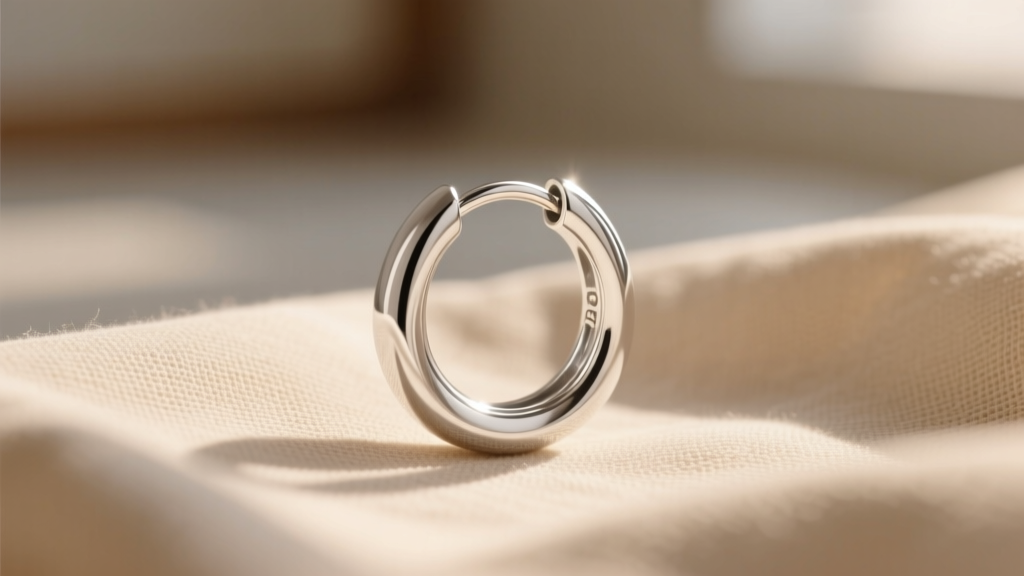
Finding the perfect pair of earrings shouldn't feel like a gamble with your health. If you frequently experience redness, itching, swelling, or weeping after wearing jewelry, you are likely dealing with allergic contact dermatitis. While many assume pure silver is the ultimate hypoallergenic metal, the reality of commercial jewelry is far more complex. Learning how to select and wear sterling silver earrings for sensitive ears requires a deep understanding of metallurgy, jewelry construction, and skin biology.
This comprehensive, step-by-step guide will walk you through the exact specifications you need to look for, how to avoid hidden irritants, and how to maintain your jewelry to ensure your piercings remain healthy and comfortable.
The Science of Silver Allergies: Why .925 Can Irritate
Pure silver (99.9% silver) is highly biocompatible and rarely causes allergic reactions. However, pure silver is too soft for everyday jewelry; a pure silver earring post would easily bend or break under minor pressure. To solve this, jewelers create sterling silver, which is an alloy consisting of 92.5% pure silver and 7.5% other metals.
The 7.5% alloy is the wild card. While high-quality jewelers use copper to make up this 7.5%, copper oxidizes and tarnishes quickly. To prevent tarnish and increase the brightness and hardness of the metal, some manufacturers substitute copper with nickel. Nickel is a notorious sensitizer. According to the American Academy of Dermatology, nickel allergy is the most common contact allergy, affecting up to 20% of the population. When nickel-laced sterling silver rests against the delicate, vascular tissue of a piercing, sweat acts as an electrolyte, leaching nickel salts into the skin and triggering an immune response.
Step 1: Decoding Silver Stamps and Alloys
The first step in finding safe sterling silver earrings for sensitive ears is verifying the exact composition of the metal. Do not rely solely on the word 'silver' or a simple '925' stamp, as these do not guarantee the absence of nickel.
Traditional Sterling vs. Argentium Silver
If you have highly reactive skin, traditional .925 sterling silver might always carry a slight risk due to inconsistent manufacturing standards overseas. The ultimate upgrade for sensitive ears is Argentium Silver. According to the Gemological Institute of America (GIA), Argentium is a modern silver alloy that replaces some of the copper with germanium. This not only makes the metal highly tarnish-resistant but also exceptionally hypoallergenic.
| Metal Type | Composition | Nickel Risk | Tarnish Resistance | Best For |
|---|---|---|---|---|
| Traditional .925 | 92.5% Ag, 7.5% Cu/Ni | Moderate to High | Low | Budget-conscious buyers |
| Nickel-Free .925 | 92.5% Ag, 7.5% Cu | None | Low | Standard sensitive ears |
| Argentium .935 | 93.5% Ag, Cu, Germanium | None | Very High | Highly reactive piercings |
| Rhodium-Plated .925 | .925 core, Rhodium coat | Low (until worn) | High (temporary) | Occasional wear |
Pro Tip: Always look for jewelers who explicitly state 'Nickel-Free' and comply with the EU Nickel Directive, which strictly limits nickel release to 0.2 micrograms per square centimeter per week.
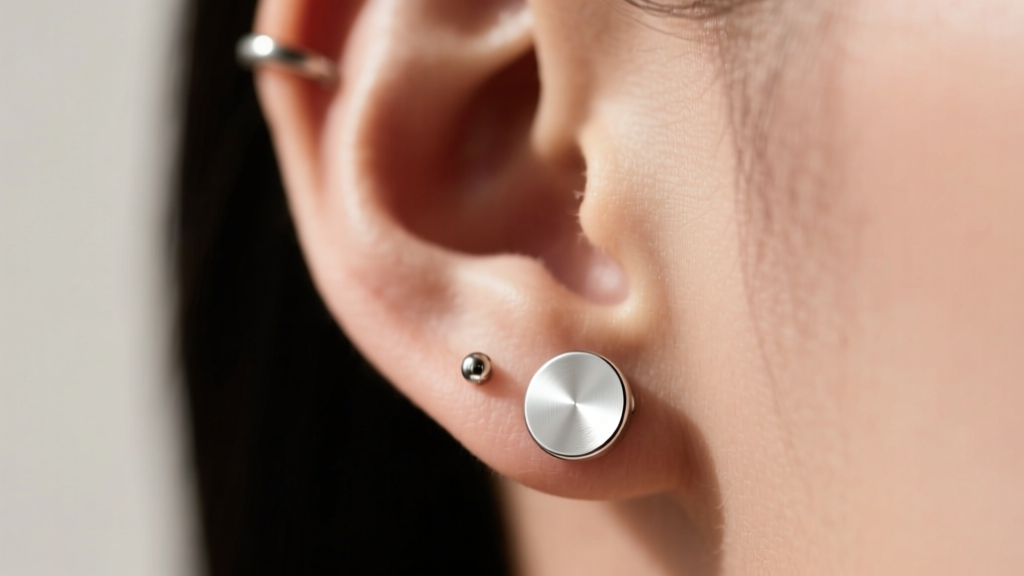
Step 2: Selecting the Right Gauge and Backing
Many people mistake mechanical irritation for a metal allergy. If your earring post is too thin, or your backing traps moisture, your ear will become inflamed regardless of the metal's purity.
The 'Cheese-Cutter' Effect and Gauge Sizing
Earring thickness is measured in gauges (G). The higher the number, the thinner the wire. Standard fashion earrings are often 22G (0.64mm) or 20G (0.81mm). For sensitive or easily irritated lobes, a thin wire can act like a cheese cutter, creating micro-tears in the fistula (the piercing hole). These micro-tears introduce bacteria and cause swelling that mimics an allergic reaction.
- 20G (0.81mm): Standard for basic lobe piercings. Acceptable if the earring is lightweight.
- 18G (1.02mm): Ideal for sensitive lobes. Provides enough structural integrity to prevent micro-tearing.
- 16G (1.29mm): The gold standard for cartilage piercings (helix, tragus, conch). Essential for preventing migration and irritation bumps.
Ditch the Butterfly Backing
Traditional butterfly (push) backings are a haven for trapped dead skin, sebum, and moisture. This creates a breeding ground for bacteria and fungi, leading to contact dermatitis. For sensitive ears, swap butterfly backs for flat-back labret studs (which sit flush against the ear) or use medical-grade silicone O-rings to secure standard posts without pinching the tissue.
Step 3: The 48-Hour Patch Test Protocol
Before wearing a new pair of sterling silver earrings for a full day, conduct a controlled patch test. The Mayo Clinic recommends patch testing to identify specific contact allergens before they cause a severe localized reaction.
The Patch Test Method: Clean the inside of your forearm with mild soap and water. Tape the earring post securely against the skin using a hypoallergenic paper tape. Leave it undisturbed for 48 hours. If you experience any localized redness, itching, or blistering, the metal contains an allergen (likely nickel) and should not be worn in your piercings.
Step 4: Maintenance and Barrier Hacks
Even nickel-free sterling silver contains copper, which reacts with sulfur in the air and your sweat to create silver sulfide (tarnish). Tarnish is not just unsightly; the chemical compounds on the surface of tarnished silver can irritate open or healing piercings.
Safe Cleaning Routines
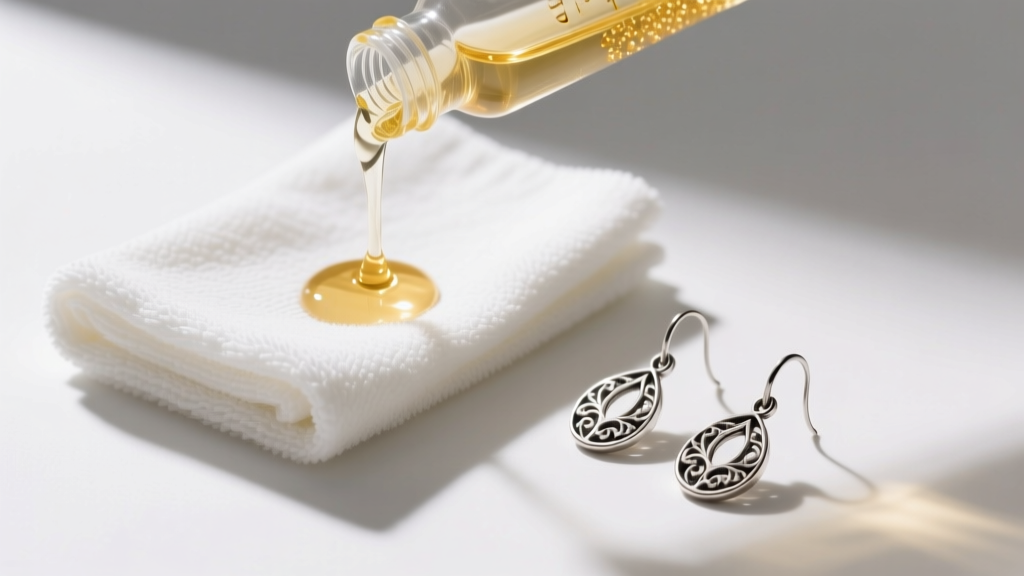
Avoid harsh chemical dips, which can leave microscopic toxic residues in the crevices of your earrings. Instead, use a gentle, non-abrasive approach:
- Mix a few drops of phosphate-free dish soap into warm distilled water.
- Soak the earrings for 5 minutes to loosen sebum and environmental debris.
- Gently brush with an extra-soft baby toothbrush.
- Rinse thoroughly with distilled water and dry completely with a microfiber cloth before storing.
The Clear Polish Barrier (A Temporary Fix)
If you have a pair of vintage or inherited sterling silver earrings and cannot verify their nickel content, you can create a physical barrier. Paint a thin layer of clear, hypoallergenic nail polish over the earring post and the part of the earring that touches the skin. This creates a temporary shield between the metal and your tissue. Note that this barrier will wear off after a few uses and must be reapplied regularly.
Troubleshooting: When Your Ears Still React
If you have verified your earrings are nickel-free Argentium or high-quality .925, selected an 18G post, and used a flat-back, but your ears are still irritated, consider these alternative culprits:
- Traction Alopecia / Heavy Earrings: Large sterling silver hoops or heavy drop earrings pull on the fistula, causing chronic inflammation. Switch to lightweight huggies or studs for daily wear.
- Trapped Moisture: Sleeping with wet hair or failing to dry behind the ears after a shower can cause a fungal infection, which presents as intense itching and flaking, easily confused with a metal allergy.
- Nickel in the Solder: Some complex jewelry designs use nickel-based solder to attach the post to the earring head. Always buy from reputable jewelers who use laser welding or silver-based solders.
By treating your jewelry choices with the same scrutiny as your skincare routine, you can confidently wear beautiful, shining metals. Understanding the nuances of alloys, gauges, and hygiene transforms the experience of wearing sterling silver earrings for sensitive ears from a painful gamble into a comfortable, lifelong style staple.


