The Ultimate Beginner Guide to Purple and Silver Earrings
Discover how to choose, style, and care for purple and silver earrings. Learn about gemstone types, silver grades, and gauge sizes in this beginner guide.

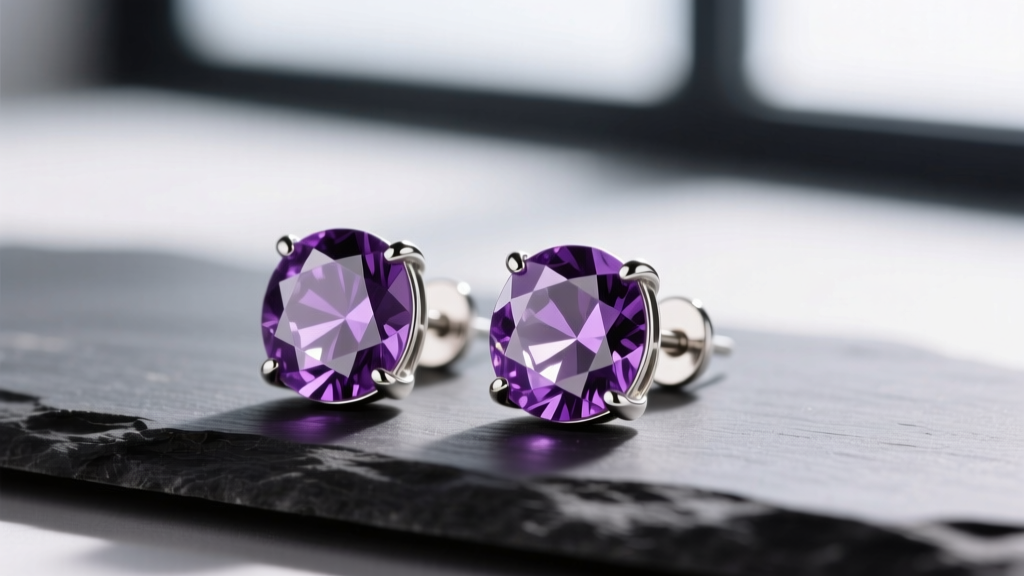
Introduction: The Allure of Amethyst and Argentium
When building a foundational jewelry wardrobe, few combinations offer the versatility and striking contrast of purple and silver earrings. The cool, reflective luster of silver acts as the perfect canvas for the rich, regal hues of purple gemstones. However, for beginners, navigating the myriad of metal grades, gemstone hardness levels, and piercing gauges can be overwhelming. Buying the wrong silver alloy can lead to rapid tarnishing or allergic reactions, while choosing a soft gemstone for an active lifestyle can result in scratched or shattered stones.
This comprehensive explainer breaks down the exact specifications you need to know. From understanding the Mohs hardness scale to selecting the correct post thickness for your specific piercing placement, we will equip you with the technical knowledge to invest in purple and silver earrings that last a lifetime.
Decoding the Metals: Which Silver is Safe for Your Lobes?
Not all silver is created equal. Pure silver is inherently too soft for jewelry that requires structural integrity, such as earring posts or clasps. Therefore, it is alloyed with other metals. Understanding these alloys is critical for preventing contact dermatitis and minimizing maintenance.
Sterling (925) vs. Argentium vs. Fine Silver
Traditional Sterling Silver (925) consists of 92.5% pure silver and 7.5% copper. While durable, the copper content makes it highly susceptible to tarnishing when exposed to humidity and sulfur in the air. Argentium Silver is a modern innovation where the copper is partially replaced with germanium. This creates a transparent germanium oxide layer on the surface, making it highly tarnish-resistant and hypoallergenic. Fine Silver (999) is 99.9% pure; it is hypoallergenic and bright but too soft for earring posts, though it is sometimes used for bezel settings.
| Silver Grade | Composition | Tarnish Resistance | Best Earring Application | Price Range (Studs) |
|---|---|---|---|---|
| Sterling (925) | 92.5% Ag, 7.5% Cu | Low (Requires polishing) | Standard posts, huggies, hoops | $25 - $150 |
| Argentium (935/960) | 93.5%+ Ag, Germanium | High (Low maintenance) | Sensitive ear posts, daily wear | $45 - $250 |
| Fine Silver (999) | 99.9% Ag | Very High | Bezel wire, decorative accents | N/A (Rare for full posts) |
Pro Tip: If you have sensitive ears or a known nickel allergy, always verify that the silver is nickel-free. While true sterling and Argentium do not contain nickel, cheap, unverified silver alloys from fast-fashion brands often use nickel as a hardening agent.
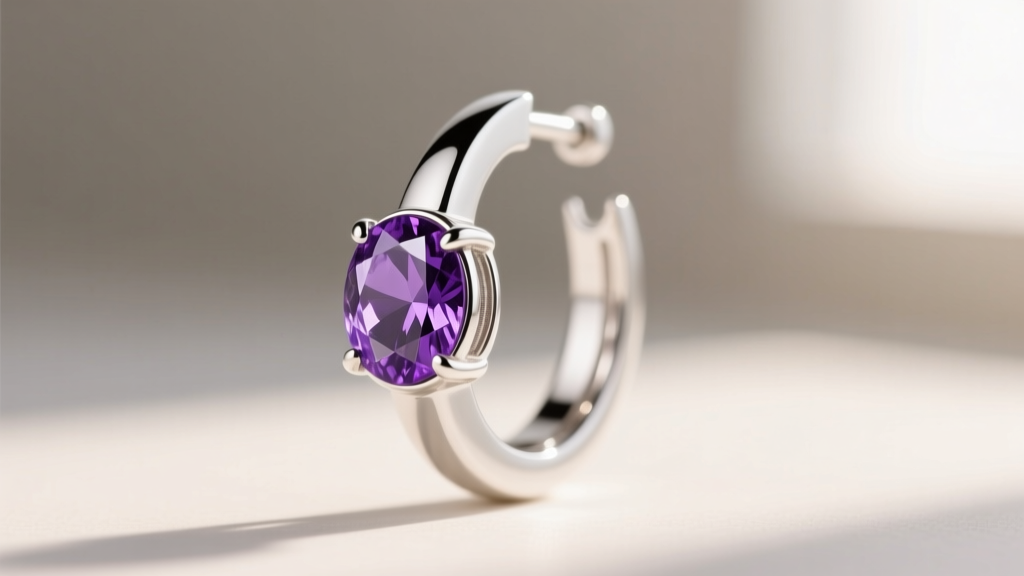
Purple Gemstones Explained: Hardness, Hue, and Failure Modes
The term "purple gemstone" encompasses a wide variety of minerals and synthetics, each with distinct physical properties. According to the GIA Gem Encyclopedia, a stone's durability is measured by its Mohs hardness (resistance to scratching) and its toughness (resistance to chipping or breaking).
- Amethyst (Mohs 7): The most popular and affordable purple quartz. It is durable enough for everyday stud earrings but can be scratched by dust (which contains quartz particles). Prolonged exposure to direct sunlight can cause amethyst to fade to a pale gray.
- Purple Sapphire (Mohs 9): Exceptionally hard and tough, making it the ultimate choice for active individuals. It will not scratch easily and requires no special protective settings. Expect to pay a premium, typically starting at $500 for high-quality, ethically sourced stones.
- Tanzanite (Mohs 6 - 7): Prized for its vivid violet-blue to purple pleochroism. Critical Failure Mode: Tanzanite has perfect cleavage, meaning a hard knock against a table can split the stone cleanly in half. Always choose bezel or halo settings over delicate prong settings for tanzanite drop earrings.
- Purple Enamel: Not a stone, but powdered glass fused to silver. It offers a vibrant, opaque purple at a low price point ($20-$80). However, enamel is brittle and will chip or crack if dropped on a hard tile floor.
Sizing and Piercing Placements: Getting the Gauge Right
Buying beautiful purple and silver earrings is only half the battle; they must physically fit your piercings. Earring posts and wires are measured in "gauge" (G), where a higher number indicates a thinner wire. Forcing a thick wire into a delicate piercing can cause micro-tears, leading to irritation bumps and scar tissue.
Lobe vs. Cartilage Specifications
Standard earlobe piercings performed with a piercing gun are typically 20G (0.8mm) or 18G (1.0mm). Most commercial silver stud earrings and drop earrings are manufactured with 20G or 18G posts. If you have stretched lobes, you will need to look for specialized 14G or 12G silver plugs with purple inlays.
Cartilage piercings (helix, tragus, conch, forward helix) are almost exclusively pierced with hollow needles at 16G (1.2mm) or 18G (1.0mm). If you are buying silver huggies or flat-back labrets for your cartilage, you must verify the gauge. Inserting a standard 20G lobe post into a 16G cartilage hole will cause the piercing channel to shrink, making it painful to re-insert your original jewelry later.
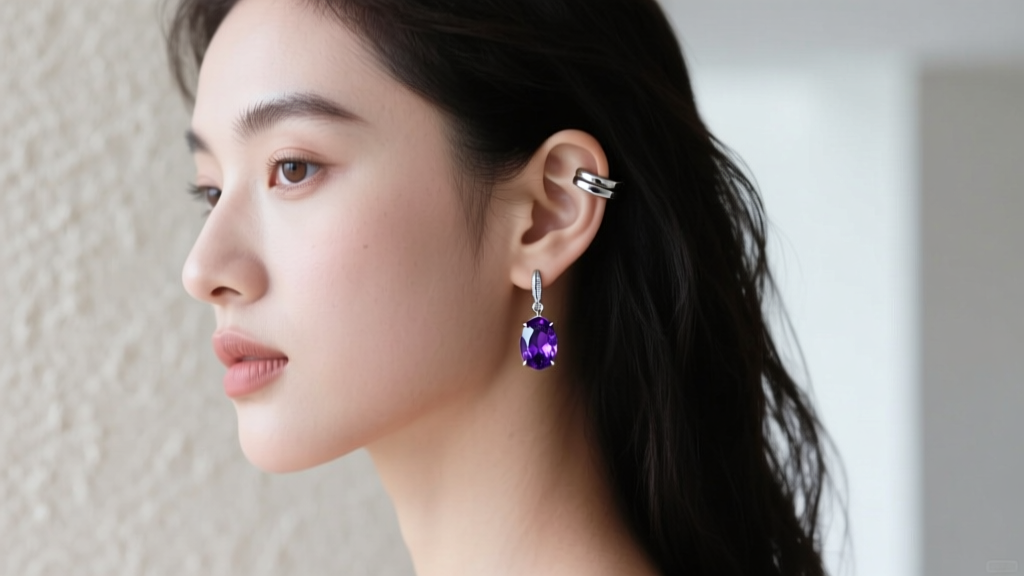
Styling Framework: Matching Purple and Silver to Your Undertone
Silver is inherently a cool-toned metal, and purple is a secondary color made by combining warm red and cool blue. How you style your purple and silver earrings depends heavily on your skin's undertone.
"When styling cool metals like silver, lean into blue-based purples like tanzanite or deep plum amethyst for cool undertones to create a harmonious, icy look. If you have warm undertones but love silver, opt for reddish-purples like raspberry garnet or magenta sapphires to bridge the temperature gap between the metal and your skin." — Senior Jewelry Stylist, Jewel Style Radar
For a cohesive curated ear, mix textures rather than just colors. Pair a high-polish silver huggie featuring a micro-pavé amethyst halo with a matte-brushed silver helix stud. The contrast in metal finishes prevents the purple stones from looking overly matched or dated.
Maintenance: Preventing Tarnish and Gemstone Scratching
Proper maintenance ensures your earrings retain their optical brilliance. The Jewelers of America recommends specific protocols based on the materials involved. The most common beginner mistake is using harsh chemicals or ultrasonic cleaners indiscriminately.
The Safe Cleaning Protocol
- The Solution: Mix three drops of mild, phosphate-free dish soap into a bowl of lukewarm water. Avoid hot water, which can fracture temperature-sensitive stones like tanzanite.
- The Agitation: Use a baby-soft toothbrush to gently brush the back of the gemstone (the pavilion) and the silver setting. Dirt and skin oils accumulate here, blocking light return and making the purple stone look muddy.
- The Rinse: Rinse under a gentle stream of lukewarm water. Always ensure the sink drain is plugged.
- The Dry: Pat dry with a lint-free microfiber cloth. Do not use paper towels, as the wood fibers can cause micro-scratches on softer stones like amethyst or enamel.
Ultrasonic Cleaner Warning: Never place tanzanite, enamel, or fracture-filled amethyst in an ultrasonic cleaner. The high-frequency vibrations will shatter tanzanite along its cleavage planes and strip the glossy finish right off purple enamel.
Conclusion
Investing in purple and silver earrings is a fantastic way to introduce color and sophistication into your daily rotation. By prioritizing hypoallergenic metals like Argentium, respecting the Mohs hardness scale when selecting your gemstones, and adhering to proper gauge sizes for your specific piercings, you can avoid the common pitfalls that frustrate jewelry beginners. Treat your pieces with the correct cleaning protocols, and your silver and amethyst, sapphire, or tanzanite earrings will remain vibrant and secure for years to come.


