The Collector's Guide to Buying Authentic 14k JCM Earrings
Discover how to authenticate, evaluate, and buy vintage 14k JCM earrings. Learn hallmark identification, gold weight pricing, and clasp inspections.

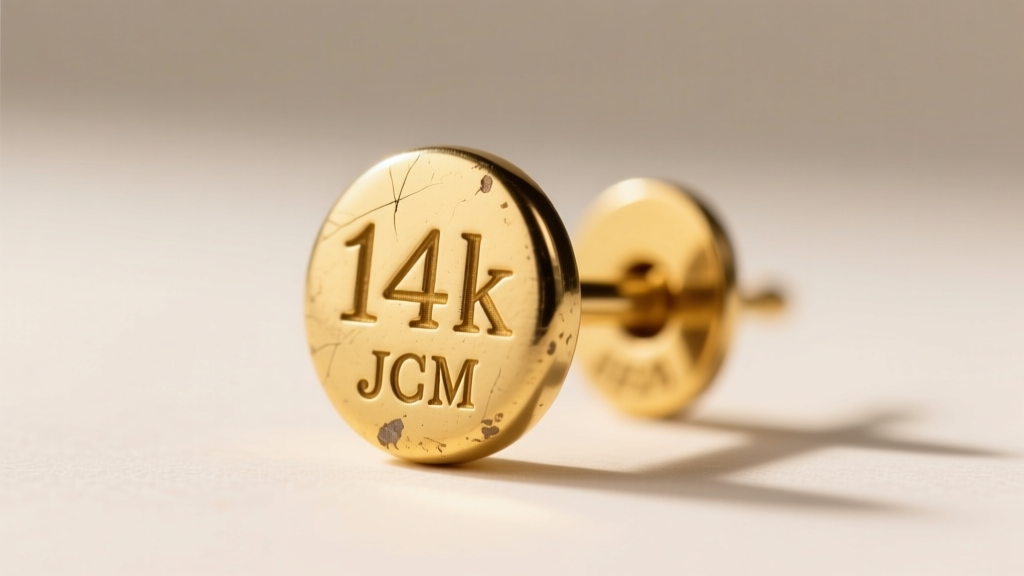
Decoding the JCM Maker's Mark on Vintage Gold
Navigating the estate jewelry market requires a keen eye for hallmarks, especially when hunting for specific mid-century and vintage pieces. Among the most sought-after finds for gold purists are 14k JCM earrings. The "JCM" stamp is a recognized maker's mark—often attributed to specific mid-to-late 20th-century jewelry manufacturers and importers—that signifies a piece of distinct heritage. However, as the vintage gold market has surged in recent years, so too has the proliferation of counterfeit stamps designed to mimic reputable maker's marks.
According to the Lang Antiques University, a maker's mark is the equivalent of a signature, holding the original manufacturer accountable for the metal's purity and craftsmanship. When evaluating 14k JCM earrings, you are not just buying gold; you are buying a piece of jewelry history. But how do you separate genuine vintage artifacts from modern reproductions with laser-etched fake stamps? This guide breaks down the exact authentication, structural, and valuation frameworks you need before making a purchase.
Authentication Checklist: Spotting Genuine 14k JCM Earrings
Authenticating vintage gold earrings goes far beyond simply looking for the numbers "14k" and the letters "JCM". Counterfeiters frequently take low-karat or gold-plated vintage earrings and stamp them with false hallmarks. To verify authenticity, you must examine the quality and placement of the stamp itself.
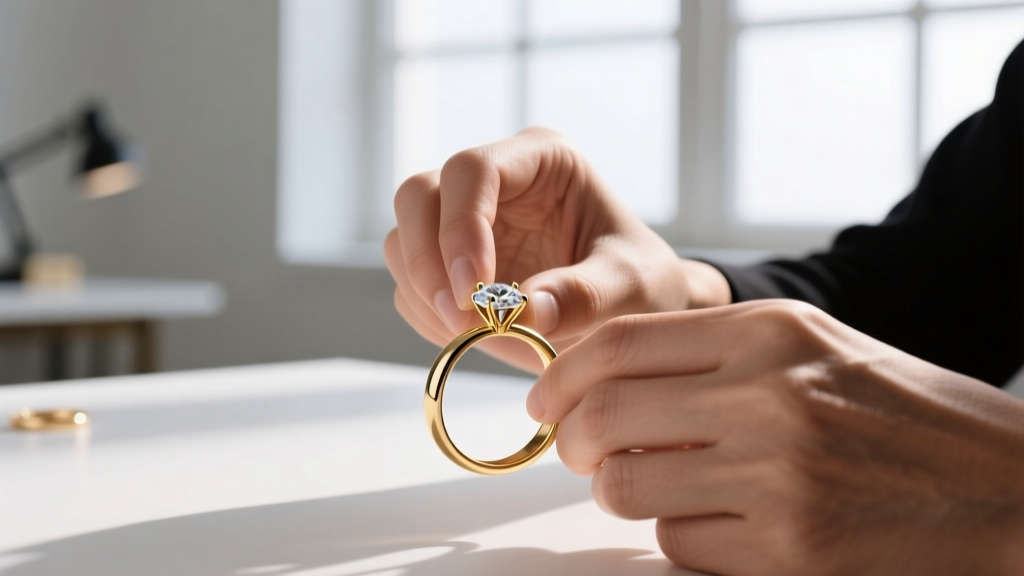
Stamped vs. Cast Marks
Genuine vintage JCM earrings were typically finished with hand-struck or machine-pressed steel stamps. This results in a crisp, deeply indented mark with sharp, clean edges. If the "14k" and "JCM" marks look soft, rounded, or slightly raised, they were likely cast into the mold rather than struck after finishing—a massive red flag for reproduction or counterfeit jewelry. Furthermore, authentic marks are usually placed on the earring post, the back of the friction clutch, or the interior of a hoop, often requiring a 10x jeweler's loupe to read clearly.
| Inspection Point | Green Light (Authentic) | Red Flag (Fake or Altered) |
|---|---|---|
| Hallmark Depth | Deeply struck, crisp edges, uniform depth | Shallow, blurry, or laser-etched surface marks |
| Font Consistency | Period-correct sans-serif or classic serif | Modern computer fonts, uneven spacing |
| Stamp Placement | Discreetly placed on post, clutch, or inner hoop | Stamped awkwardly on the front-facing design |
| Metal Color at Stamp | Consistent 14k yellow/white gold tone | Brassy or coppery tones revealing base metal |
Evaluating Condition: Vintage Posts, Clasps, and Solder Joints
When buying vintage 14k JCM earrings, structural integrity is just as critical as gold purity. Decades of wear introduce specific failure modes that modern jewelry rarely exhibits. Understanding these mechanical quirks will save you from buying a pair that requires immediate, expensive bench repairs.
Post Gauge and Friction Wear
Modern standard earring posts are typically 20-gauge (0.81mm). However, many vintage 14k gold earrings were manufactured with slightly thicker 18-gauge (1.02mm) or 19-gauge posts for added durability. Over time, the friction of pushing the earring through the earlobe can cause the post to thin or bend. Inspect the post under magnification; if it looks visibly pinched or bent near the base, the structural integrity is compromised. Additionally, check the solder joint where the post meets the earring body. Vintage repairs were sometimes done with lower-karat (10k) or lead-based solder. While the earring body may test as 14k, a heavy solder joint can cause skin irritation and will fail an XRF (X-ray fluorescence) test if the beam is aimed directly at the base.
Clasp Mechanics: Omega Backs and Screw-Backs
If you are evaluating vintage 14k JCM hoops or clip-ons, pay close attention to the hinge and tension mechanisms. Omega-back earrings rely on a sprung wire that clicks into a groove. Over 40+ years, the gold wire can lose its temper (springiness), resulting in a clasp that refuses to stay shut. Screw-back earrings, popular in the mid-century, often suffer from stripped threads due to decades of overtightening. Always test the clasp repeatedly; a genuine vintage piece in good condition should snap shut with a firm, authoritative click, not a soft, mushy closure.
Pricing Framework: How to Value 14k JCM Earrings
Valuing estate gold requires a dual-pronged approach: calculating the intrinsic melt value and assessing the numismatic or design premium. The Gemological Institute of America (GIA) notes that 14k gold is an alloy consisting of 58.3% pure gold, with the remainder made up of strengthening metals like copper, silver, and zinc.
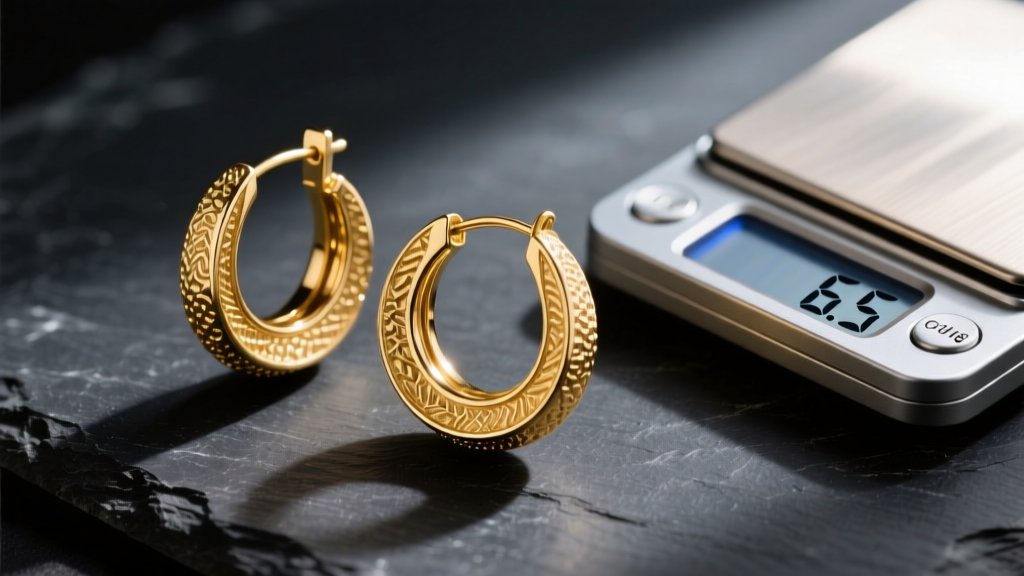
Step 1: Calculate the Melt Value
Never overpay for vintage gold without knowing its baseline scrap value. To calculate the melt value of a pair of 14k JCM earrings, you need a precise digital jewelry scale measuring to the hundredth of a gram.
- Formula: (Weight in grams) × 0.583 × (Current Spot Price of Gold per gram)
- Example: If a pair of vintage JCM textured hoops weighs 8.4 grams, and the spot price of pure gold is $65.00 per gram, the math is: 8.4 × 0.583 × 65.00 = $318.32.
This $318.32 is the absolute floor of the earrings' value. Any price below this is an instant buy; any price above requires justification based on design, condition, and provenance.
Step 2: Assess the Maker's Premium
While JCM is a respected mark, it does not command the astronomical premiums of high-end luxury houses like Cartier or Van Cleef & Arpels. Expect to pay a 15% to 40% premium over melt value for 14k JCM earrings in excellent, wearable condition. If the earrings feature high-quality natural gemstones (like unheated sapphires or VS-clarity diamonds), the valuation shifts entirely from scrap gold to gemological appraisal. Conversely, if the earrings feature synthetic stones or heavy scratching, they should be priced at or slightly above melt value.
Pro-Tip for Buyers: Always ask the seller for the exact gram weight before negotiating. Sellers who refuse to weigh vintage gold earrings on a calibrated scale in front of you (or via live video) are often hiding lightweight, hollow-core constructions that lack the durability of solid vintage gold.
Where to Buy and How to Protect Your Purchase
Sourcing authentic 14k JCM earrings requires moving beyond standard mall jewelers and into the secondary market. Estate sales, specialized online antique jewelry dealers, and vetted auction houses are your best avenues. When purchasing online, the golden rule of vintage jewelry acquisition is the return policy. Only buy from sellers who offer a minimum 14-day no-questions-asked return window. This allows you to take the earrings to an independent, certified gemologist or a bench jeweler equipped with an XRF precious metal analyzer.
XRF testing is non-destructive and will immediately reveal the exact elemental breakdown of the alloy, confirming the 58.3% gold content and identifying any hidden base metals or problematic solder joints. By combining a rigorous visual inspection of the JCM hallmark, a mechanical check of the vintage clasps, and a strict adherence to melt-value pricing frameworks, you can confidently build a collection of authentic, historically rich 14k gold earrings that will last for generations.


