Emerald Stud Earring Metals: Gold vs Platinum Properties
Discover the best metal for your emerald stud earring. We compare 14k gold, 18k gold, and platinum properties, durability, and prong security.

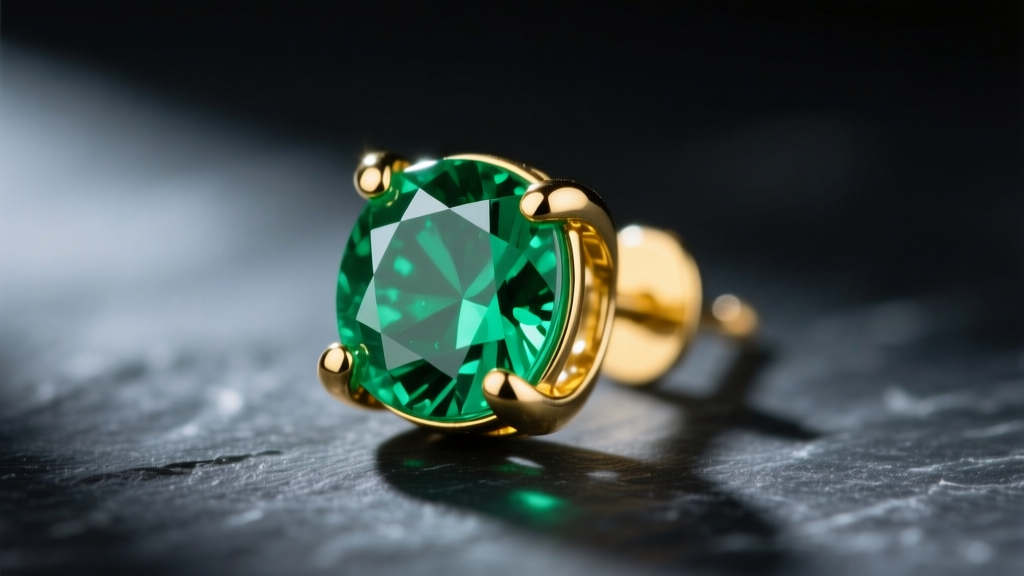
The Toughness Paradox: Why Emeralds Dictate Metal Choice
When selecting the perfect emerald stud earring, most buyers focus exclusively on the gemstone's color saturation, clarity, and carat weight. However, from a metallurgical and gemological perspective, the metal setting is just as critical to the jewel's survival. Emeralds rank between 7.5 and 8 on the Mohs scale of mineral hardness, which might suggest they are highly durable. In reality, hardness only measures resistance to scratching, not toughness.
Emeralds possess poor toughness due to their natural internal fractures and inclusions, affectionately known in the trade as jardin (French for garden). Because of this inherent brittleness, the metal holding the stone must provide specific structural properties. A metal that is too rigid can crack the stone during the setting process, while a metal that is too soft will allow the prongs to pull back, risking the loss of the gem. Understanding the alloy composition of your setting is the first step in protecting your investment.
14K vs. 18K Gold: Alloy Composition and Prong Tension
Gold in its pure 24K state is far too malleable for fine jewelry. To create a durable setting for an emerald stud earring, gold must be alloyed with other metals. The karat weight determines not only the color but the tensile strength and Vickers hardness (HV) of the prongs.
The Structural Advantage of 14K Gold
14K gold contains 58.5% pure gold, with the remaining 41.5% composed of copper, silver, and zinc. This higher ratio of base metals significantly increases the alloy's tensile strength. For heavily included emeralds with surface-reaching fractures, 14K gold is often the superior choice. Its higher rigidity means the prongs maintain their grip tighter over the girdle of the stone, resisting the everyday snags on clothing and hair that can bend softer metals.
The Aesthetic Appeal and Risks of 18K Gold
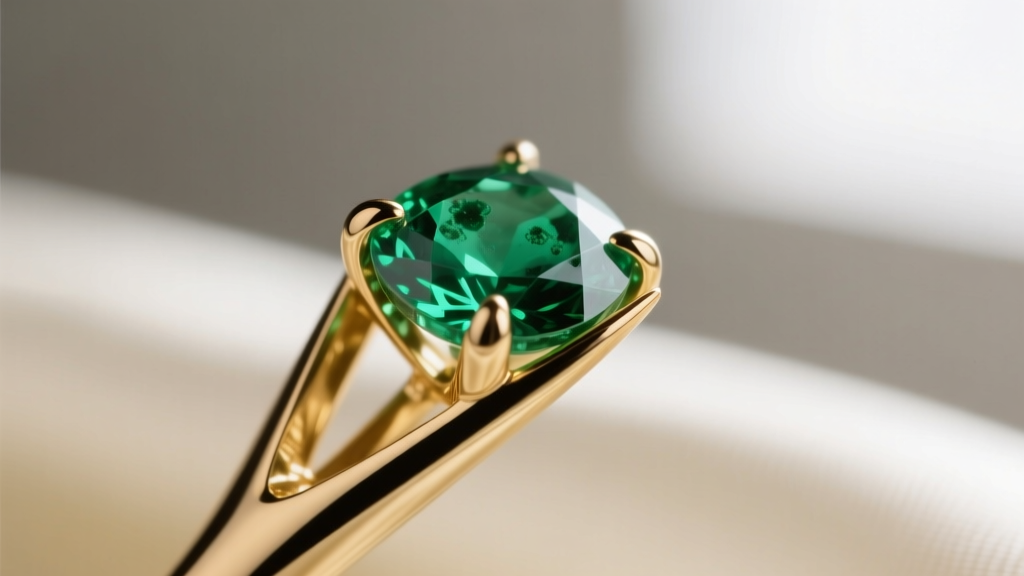
18K gold (75% pure gold) offers a richer, warmer yellow hue that beautifully complements the verdant green of a Colombian or Zambian emerald. However, this higher gold content results in a softer metal (approximately 115 HV compared to 14K's 130 HV). Jewelers must use slightly thicker prongs when setting emeralds in 18K gold to compensate for the reduced structural rigidity. If you lead an active lifestyle, 18K gold prongs will require more frequent professional check-ups to ensure they haven't worn thin or pulled away from the stone's corners.
The White Gold Rhodium Trap: A Warning for Emeralds
Many consumers opt for white gold to achieve a modern, silvery aesthetic that mimics platinum at a lower price point. However, white gold presents a unique and severe maintenance hazard for emeralds. White gold alloys (typically mixed with nickel, palladium, or manganese) are naturally pale yellow or grayish. To achieve a bright white finish, the metal is electroplated with a microscopic layer of rhodium.
The Gemological Hazard: Over 12 to 18 months of daily wear, the rhodium plating on white gold earrings will wear off, exposing the pale yellow alloy beneath. Re-plating requires the jeweler to clean the piece, often using ultrasonic machines and mild acid baths.
According to the Gemological Institute of America (GIA), the vast majority of commercial emeralds are fracture-filled with cedar oil or synthetic resins to improve their apparent clarity. Ultrasonic vibrations and harsh chemicals will boil out or dissolve these fillers, leaving your once-vibrant emerald looking cloudy, fractured, and dull. Therefore, choosing yellow gold, rose gold, or platinum eliminates the need for future rhodium plating, protecting your stone from repetitive chemical and vibrational trauma.
Platinum 950: The Ultimate Security for High-Carat Emeralds
For heirloom-quality emerald stud earrings, Platinum 950 is the undisputed champion of security. Platinum 950 is an alloy comprising 95% pure platinum and 5% secondary metals, typically ruthenium or iridium. According to Platinum Guild International, platinum possesses a unique property that makes it ideal for securing fragile gemstones.
Work Hardening and Prong Failure Modes
Unlike gold, which can become brittle and snap when subjected to repetitive stress, platinum is highly malleable and exhibits "work hardening." When a platinum prong is pushed over the girdle of an emerald, the friction and pressure actually increase the metal's hardness at that exact point. If a platinum prong is struck or snagged, it will bend and deform rather than snap off completely. This means the stone remains secured within the basket setting, giving you time to visit a jeweler for a simple push-back repair, whereas a broken gold prong often results in a lost gemstone.
| Metal Type | Purity | Primary Alloys | Vickers Hardness | Prong Security | Maintenance Risk |
|---|---|---|---|---|---|
| 14K Yellow Gold | 58.5% | Copper, Silver, Zinc | ~130 HV | High | Low |
| 18K Yellow Gold | 75.0% | Copper, Silver | ~115 HV | Medium | Low |
| 14K White Gold | 58.5% | Nickel/Palladium | ~135 HV | High | High (Rhodium dipping) |
| Platinum 950 (Ru) | 95.0% | Ruthenium | ~135 HV | Exceptional | Very Low |
Bezel vs. Prong: How Malleability Dictates the Setting
The physical properties of your chosen metal will also influence the setting style your jeweler can execute. The classic four-prong or six-prong basket is standard, but emeralds are typically cut in an "emerald cut" (a rectangular step cut) which leaves the four corners highly vulnerable to chipping.
- V-Prongs in Gold: To protect the corners, jewelers use V-shaped prongs. Because 14K and 18K gold have a certain degree of "memory" (springiness), the jeweler must carefully notch the gold to ensure it sits flush against the emerald's corner without applying outward pressure that could split the stone.
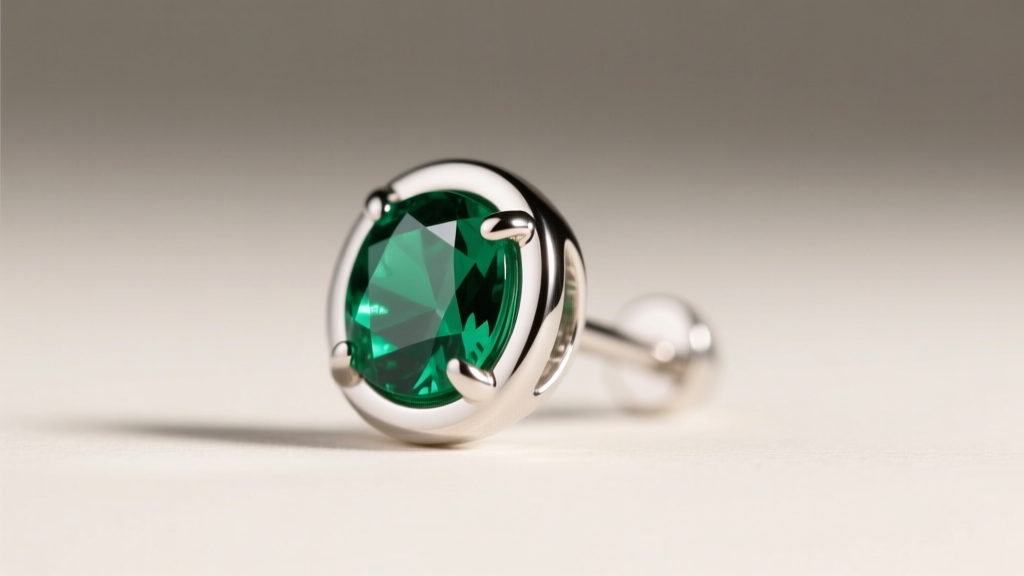
- Full Bezel in Platinum: Platinum's superior malleability allows it to be burnished smoothly over the entire perimeter of the emerald, creating a full bezel setting. A platinum bezel offers the ultimate protection for an active wearer, completely shielding the fragile girdle and corners from lateral impacts. The metal yields beautifully to the stone's exact dimensions without requiring excessive force.
Final Verdict: Matching Metal to Your Emerald's Clarity
Choosing the right metal for your emerald stud earring requires balancing aesthetics, budget, and the specific gemological profile of your stone. If your emerald is heavily included, has surface-reaching fractures, or is oil-treated, you must avoid white gold to prevent future rhodium-plating damage. Opt for 14K yellow or rose gold for maximum prong rigidity and everyday durability. If you are investing in a high-clarity, premium carat-weight emerald and want generational security, Platinum 950 is the only logical choice, offering unmatched prong retention and the ability to safely execute protective bezel settings.


