Dishta Earrings Buying Guide: Metals, Sizing & Care
Discover what to look for when buying Dishta earrings. Learn about metal grades, sizing, authentication, and care tips in our expert guide.

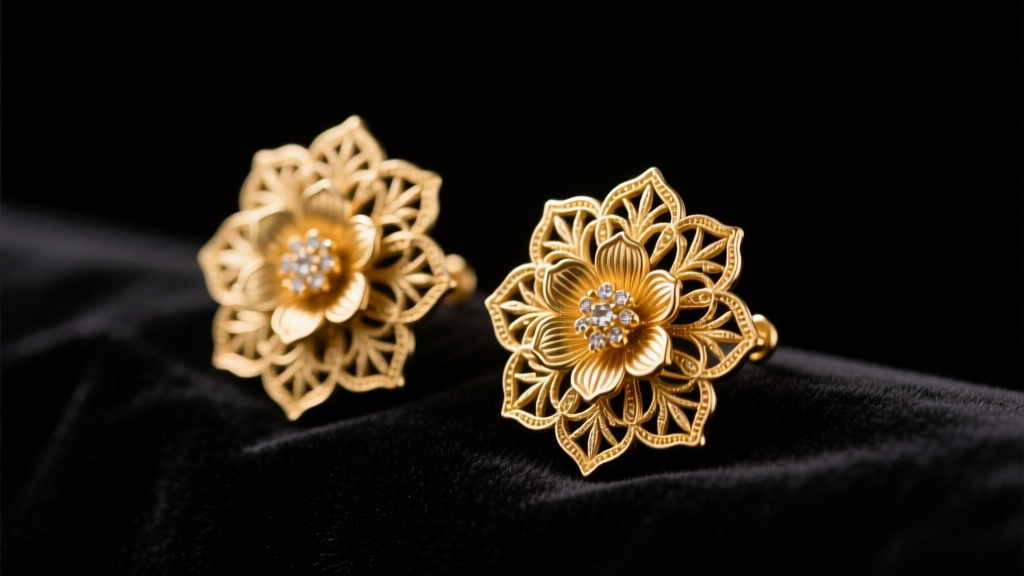
The Appeal of Dishta Craftsmanship
Dishta earrings have carved out a highly specific niche in the contemporary jewelry market, celebrated for their unique fusion of traditional artisan motifs and modern, wearable engineering. Unlike mass-produced stamped jewelry, authentic Dishta pieces often utilize specialized techniques like electroforming and hand-chasing to create intricate, three-dimensional designs that remain remarkably lightweight. As of 2026, the demand for these statement pieces has surged, but this popularity has also flooded the market with cheap imitations. Whether you are investing in a pair of 22k gold vermeil chandeliers or solid 14k geometric studs, understanding the metallurgical and structural hallmarks of genuine Dishta earrings is critical for making an informed purchase.
This comprehensive buying guide will walk you through the exact material grades, gauge specifications, and structural integrity tests you need to know before adding these artisan pieces to your collection.
Material Grades & Metal Compositions
The foundation of any fine earring lies in its base metal and surface finish. Authentic Dishta earrings typically fall into three distinct material categories. The brand and its authorized artisans are known for adhering to strict thickness standards for plated pieces, ensuring longevity that far exceeds standard 'flash-plated' fashion jewelry.
| Material Type | Base Metal | Surface / Finish | Expected Lifespan | Price Range |
|---|---|---|---|---|
| Heavy Vermeil | Sterling Silver (925) | 22k Gold (Min 2.5 microns) | 5-10+ Years | $85 - $250 |
| Solid Gold | 14k or 18k Gold Alloy | High Polish or Matte | Lifetime | $350 - $800+ |
| Artisan Brass | Jeweler's Brass | Antiqued or Raw Sealed | 2-5 Years | $45 - $120 |
According to the Gemological Institute of America (GIA), true gold vermeil requires a sterling silver base and a gold plating of at least 2.5 microns thick. Many counterfeit Dishta-style earrings use a brass base with a 0.5-micron flash plating, which will inevitably tarnish and flake within months of contact with skin oils and environmental moisture. Always look for the '925' stamp on the post or backing of vermeil pieces to verify the base metal.
Sizing, Weight, and Lobe Support
One of the most celebrated engineering feats in authentic Dishta drop and dangle earrings is the use of hollow-form electroforming. This process allows for massive, voluminous silhouettes that weigh less than 15 grams per earring. However, understanding the weight distribution is vital for earlobe health.
Gauge Thickness and Post Types
Standard fashion earrings typically use 20-gauge (0.81mm) posts. However, genuine Dishta earrings designed with larger surface areas or heavier gemstone inlays often upgrade to 18-gauge (1.02mm) or even 16-gauge (1.29mm) posts. This thicker wire prevents the post from bending under the pendulum weight of a swinging dangle earring.
When evaluating a pair, check the friction back (butterfly clutch). High-quality Dishta pieces utilize double-notched posts paired with either silicone disc backers or heavy-duty metal scroll backs with a wide surface area. This distributes the pressure across the earlobe, preventing the dreaded 'cheese-cutter' effect that leads to stretched piercings over time.
'The secret to a comfortable statement earring isn't just making it light; it's ensuring the center of gravity sits flush against the earlobe. A poorly balanced earring will pull forward, regardless of its actual gram weight.' — Master Jeweler & Structural Designer
How to Authenticate Genuine Dishta Pieces
With the rise of AI-generated jewelry renders and overseas drop-shipping, verifying the authenticity of Dishta earrings requires a keen eye for manufacturing details. Here is a practical framework for authentication:
- Laser Soldering Marks: Inspect the joint where the post meets the earring body. Authentic pieces use precision laser soldering, which leaves a clean, nearly invisible seam without heat discoloration on the surrounding metal. Cheap knockoffs use torch soldering, often leaving a dark, oxidized ring or excess solder blob at the base.
- Internal Hallmarks: While the post may be stamped '925' or '14k', look for the microscopic maker's mark or serial number etched into the flat backing plate or the inner curve of a huggie hoop.
- Mechanical Hinges: For Dishta ear cuffs and huggies, the hinge mechanism should operate with a crisp, audible 'click' and feature a seamless closure where the pin enters the catch. Wobbly hinges indicate poor CNC milling or cast degradation.
Common Failure Modes in Counterfeit Alternatives
Buyers frequently report specific failure modes when purchasing unverified 'Dishta-style' earrings from third-party marketplaces. Being aware of these will save you money and frustration:
Post Shearing: Because counterfeiters use brittle, low-grade brass or zinc alloys for the posts, the metal fatigues quickly. Bending the post even slightly to adjust the fit can cause it to snap cleanly at the solder joint.
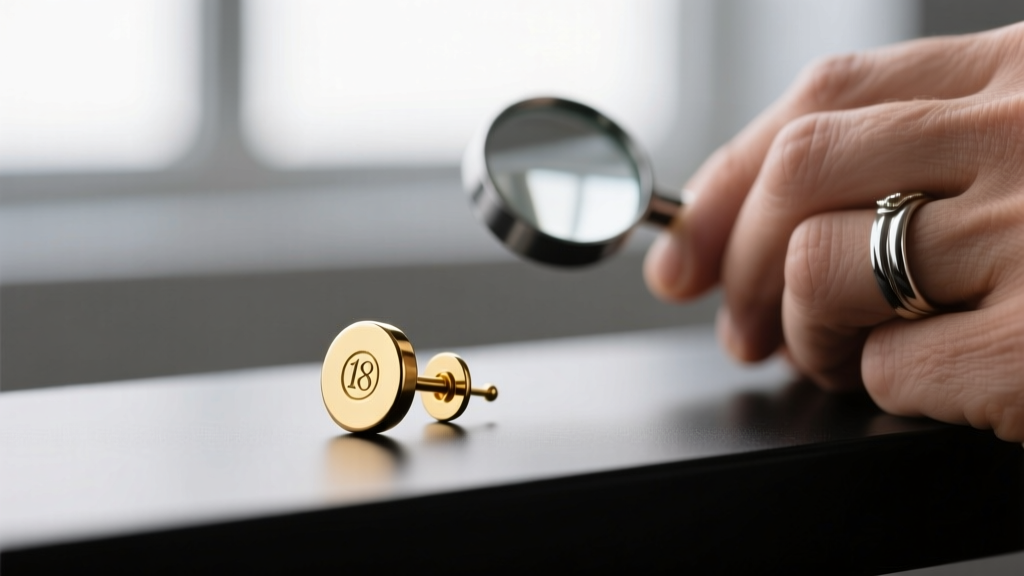
Porous Castings: Under a 10x jeweler's loupe, fake electroformed pieces often reveal a pitted, orange-peel texture. This happens when cheap casting resins are used instead of proper electroforming mandrels, resulting in a weak structure that can easily crush if dropped.

Pricing Tiers and Market Value
As outlined in recent market analyses by JCK Online, the shift toward lightweight, high-volume gold jewelry has driven prices up for authentic artisan work. Expect to pay between $85 and $150 for entry-level sterling silver vermeil studs and small huggies. Elaborate, shoulder-duster chandeliers featuring hand-set semi-precious stones (like turquoise or lapis lazuli) typically range from $250 to $450. Solid 14k gold iterations of their signature geometric motifs start around $400 and can exceed $1,200 for limited-edition runway pieces.
Care and Maintenance Framework
Proper maintenance is non-negotiable for preserving the intricate textures and finishes of Dishta earrings. Because many designs feature hollow-form bodies or delicate antiqued recesses, standard cleaning methods can cause irreversible damage.
Avoid Ultrasonic Cleaners: Never place hollow-form Dishta earrings in an ultrasonic cleaner. The high-frequency vibrations can compromise the structural integrity of the thin metal walls and shake loose any tension-set stones.
The Microfiber & Soap Method: For routine cleaning, use a few drops of pH-neutral dish soap in lukewarm water. Gently agitate the earrings with a soft-bristled baby toothbrush to reach into the chased crevices. Rinse thoroughly and pat dry with a lint-free microfiber cloth.
Storage Protocols: Store vermeil and silver pieces in anti-tarnish cloth pouches. Keep them separated from harder gemstones like diamonds or sapphires, which can easily scratch the high-polish surfaces of the gold or brass during transit.