How to Buy Authentic Talina Earrings: A Complete Guide
Discover how to authenticate Talina earrings, verify 925 silver and vermeil quality, spot fakes, and care for artisan gemstone jewelry.

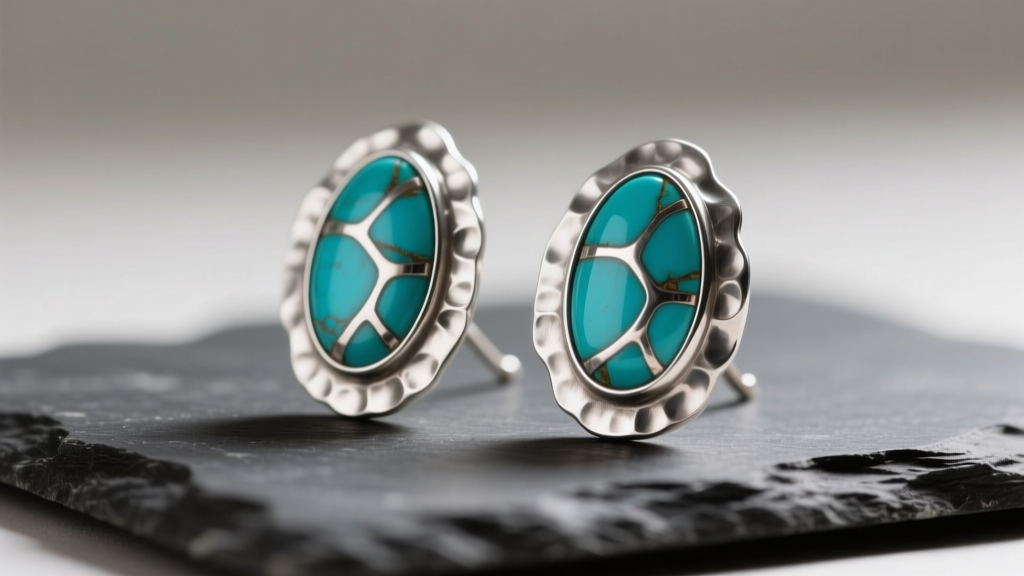
When investing in artisan jewelry, few names carry the distinctive bohemian elegance and intricate metalwork associated with Talina earrings. Known for their hand-hammered textures, semi-precious stone inlays, and lightweight statement designs, these pieces have become highly sought after in the boutique jewelry market. However, their rising popularity has inevitably led to a flood of mass-produced counterfeits and misleading "Talina-style" dropshipped goods. Whether you are hunting for a pair of vintage turquoise drops or modern gold vermeil hoops, knowing exactly what to look for is critical to ensuring you receive genuine craftsmanship rather than plated brass.
Decoding Material Integrity: The Vermeil and Silver Standard
Authentic Talina earrings are fundamentally anchored in high-quality base metals. The brand and its authorized artisan counterparts primarily utilize 925 sterling silver as the foundation. When shopping for gold-toned pieces, you must look specifically for gold vermeil, not standard gold plating.
The Vermeil Distinction
According to the Federal Trade Commission (FTC), for a piece to be legally classified as gold vermeil in the United States, it must feature a sterling silver base plated with at least 10k gold that is a minimum of 2.5 microns thick. Counterfeit Talina earrings typically use a brass or copper base with a 0.5-micron flash plating that will oxidize, turn your skin green, and flake off within weeks of wear. Always check the product specifications for the exact micron thickness and base metal disclosure.
Gemstone Verification: Beyond the Surface
Talina designs frequently feature cabochon-cut semi-precious stones like turquoise, lapis lazuli, and moonstone. The Gemological Institute of America (GIA) notes that natural turquoise has a Mohs hardness of 5 to 6, whereas dyed howlite—a common imitation—sits at a softer 3.5. If a seller claims a stone is natural turquoise but it features perfectly uniform, web-like matrix patterns with no color variation and an unnaturally bright, plastic-like sheen, it is likely stabilized or entirely synthetic. Genuine artisan stones will feature slight asymmetrical inclusions and natural color zoning.
Ergonomics, Gauge Sizes, and Weight Distribution
Artisan earrings often feature substantial decorative elements, making weight distribution a vital factor in comfort and long-term earlobe health. Authentic Talina earrings are engineered with specialized wire-wrapping and reinforced solder joints to prevent the earring from drooping forward.
| Specification | Authentic Artisan Standard | Mass-Market Knockoff |
|---|---|---|
| Post Gauge Size | 20G (0.8mm) or 18G (1.0mm) | 22G (0.6mm) - Prone to bending |
| Backing Hardware | Silicone friction backs or La Pousette | Flimsy stamped metal butterfly backs |
| Weight per Earring | 4g to 8g (Balanced center of gravity) | 10g+ (Top-heavy, causes lobe stretching) |
| Solder Joints | Laser-soldered, seamless connections | Glued or poorly welded, prone to snapping |
If you are purchasing heavy drop styles, consider investing in silicone earlobe support patches. These adhesive patches distribute the weight of the earring across a wider surface area of the ear, preventing the "slit" effect that heavy jewelry can cause over time.
The Authentication Checklist: Spotting the Fakes
Before clicking "checkout" on any online marketplace, run the piece through this rigorous authentication framework:
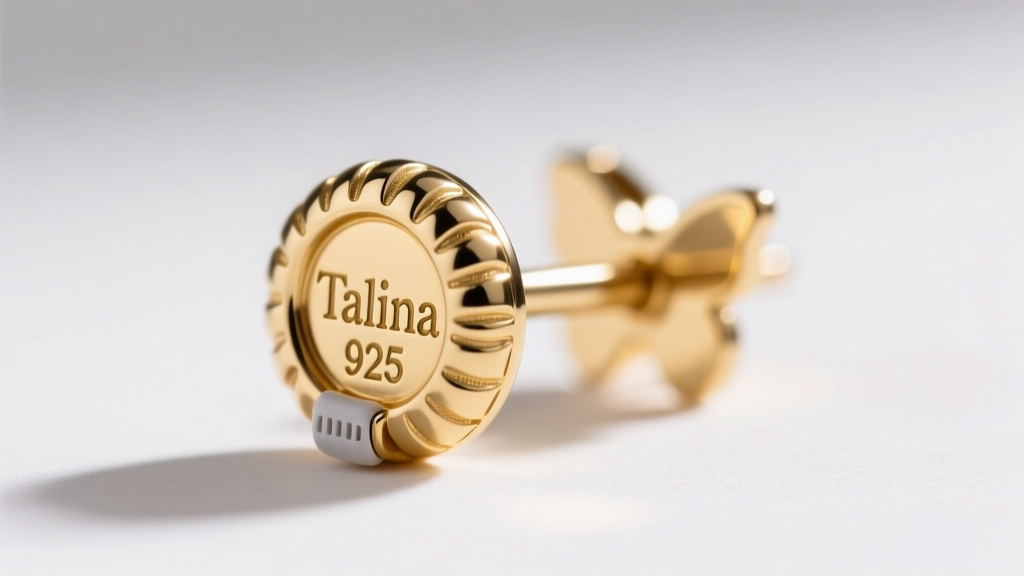
- Hallmark Verification: Genuine pieces will bear a crisp ".925" stamp on the post or the inside of a hoop. If the stamp looks blurred, stamped over a plated layer, or is missing entirely, walk away.
- Price Point Reality Check: Authentic hand-forged Talina earrings utilizing real semi-precious stones and thick vermeil typically retail between $85 and $250. Listings priced under $25 are almost certainly mass-produced brass alloys.
- Hardware Mechanics: Inspect the clutch or backing. High-end artisan pieces often use slightly larger, grooved silicone clutches that grip the 20G post securely without requiring excessive force that could bend the silver.
"The hallmark of true artisan jewelry isn't just in the aesthetic design, but in the unseen structural integrity. A well-soldered post and a properly tensioned clutch will outlive the trend cycle itself." — Master Jeweler's Bench Manual
Pricing Tiers and Market Value
Understanding the pricing architecture of Talina earrings helps you identify fair market value and avoid inflated reseller markups.
- Entry-Level Studs ($45 - $85): Typically feature smaller cabochons (4mm to 6mm) set in bezel settings with minimal hand-hammering. Excellent for everyday wear and cartilage piercings (helix or tragus) where a 20G post is required.
- Mid-Tier Drops and Dangles ($90 - $160): Incorporate more complex wire-wrapping, larger stones, and mixed-metal accents. These are the brand's signature pieces, offering high visual impact while maintaining a sub-10-gram weight profile.
- Statement Cuffs and Chandeliers ($180 - $300+): Reserved for limited-run collections. These pieces require advanced metallurgical techniques, such as oxidized silver detailing and multi-stone channel settings.
Long-Term Care and Maintenance Protocols
Because authentic Talina earrings rely on sterling silver and porous semi-precious stones, improper cleaning can permanently ruin the finish. Silver naturally reacts with sulfur in the air to form silver sulfide, resulting in black tarnish.
What to Avoid
Never use ultrasonic cleaners or harsh chemical dips (like Tarn-X) on Talina earrings. Chemical dips strip away the oxidized detailing that gives hand-hammered silver its depth and contrast. Furthermore, ultrasonic vibrations can shatter porous stones like turquoise, opal, and lapis lazuli, or loosen the adhesive in bezel settings.
The Correct Cleaning Method
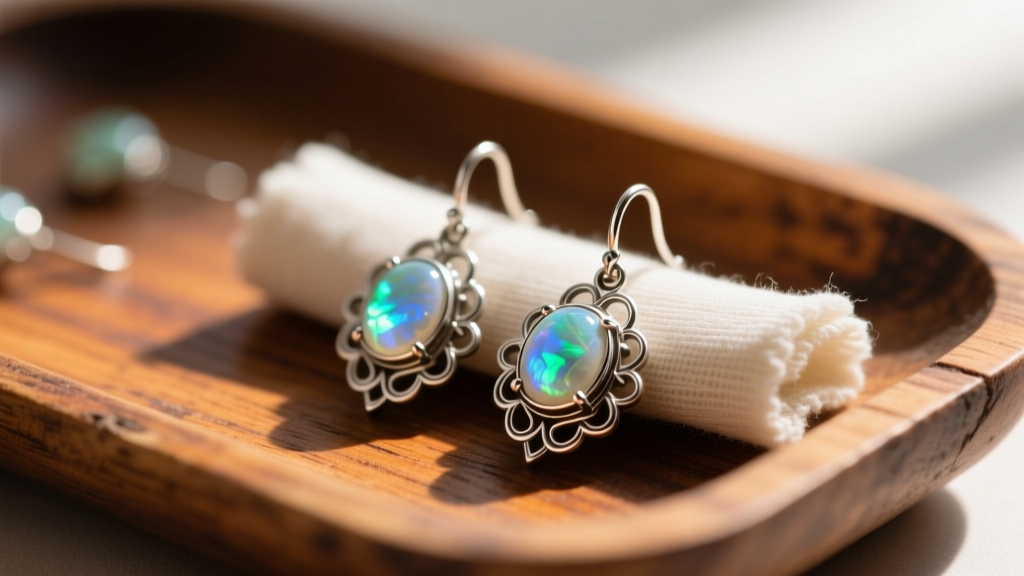
Use a dry, untreated microfiber cloth to gently buff the metal. For deeper cleaning, mix a few drops of mild, phosphate-free dish soap in lukewarm water. Dip a soft-bristled baby toothbrush into the solution and gently brush the silver settings, carefully avoiding direct scrubbing on the gemstones. Rinse quickly under distilled water and pat dry immediately. Store your earrings in an airtight ziplock bag with a 3M anti-tarnish strip to absorb ambient sulfur and moisture.
By prioritizing material transparency, structural ergonomics, and proper maintenance, you can confidently navigate the market and build a collection of authentic Talina earrings that will remain a staple in your jewelry wardrobe for decades.


