How to Buy Authentic Turquoise Pearl Earrings: A Guide
Discover what to look for when buying turquoise pearl earrings. Learn about gemstone grading, metal pairings, and pricing in our expert guide.

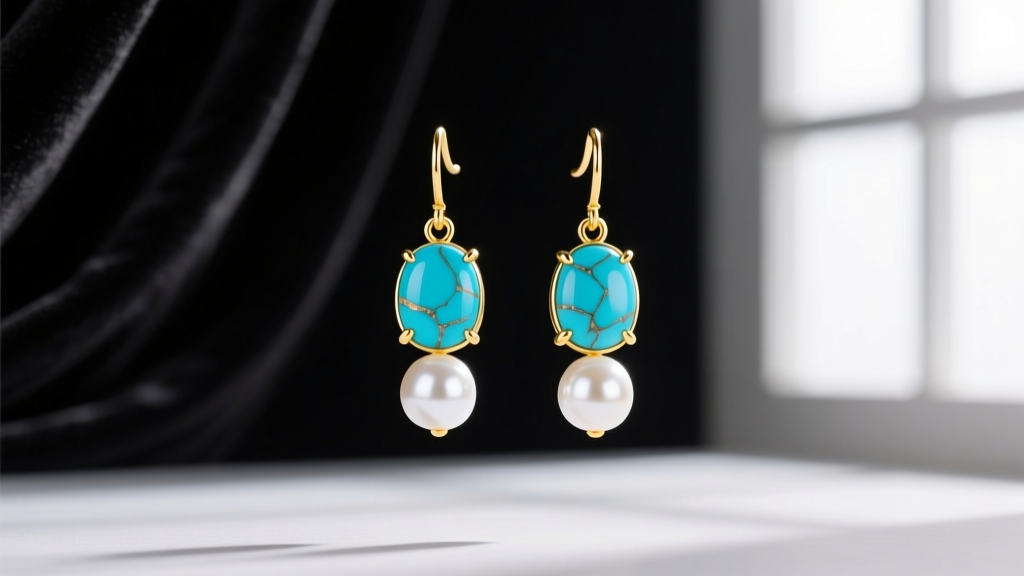
The Allure of Textural Contrast in Multi-Gem Jewelry
Few gemstone pairings command attention quite like the combination of opaque, earthy turquoise and the luminous, reflective surface of a pearl. As of 2026, the demand for turquoise pearl earrings has surged, driven by a resurgence in artisanal, bohemian-luxe aesthetics and a renewed appreciation for organic gemstones. However, buying multi-gemstone earrings requires navigating a minefield of treatments, imitations, and poor structural engineering. Turquoise and pearls are both remarkably delicate, porous materials that react poorly to standard jewelry manufacturing processes and harsh chemicals. This comprehensive buying guide will equip you with the gemological knowledge and structural insights necessary to invest in high-quality, authentic turquoise and pearl earrings that will last a lifetime.
Decoding Turquoise: Natural vs. Stabilized vs. Imitation
Turquoise is a hydrous phosphate of copper and aluminum, ranking between 5 and 6 on the Mohs hardness scale. Its natural porosity makes it highly susceptible to discoloration from skin oils, cosmetics, and environmental pollutants. Because high-grade, naturally stable turquoise is exceptionally rare, the market is flooded with treated and imitation stones.
Understanding Stabilization and the Zachery Treatment
According to the Gemological Institute of America (GIA), stabilization is a widely accepted industry practice, provided it is properly disclosed. The process involves infusing porous turquoise with a clear epoxy or resin under pressure to harden the stone and enhance its color. A more advanced, premium method is the Zachery treatment, which uses a potassium silicate solution to harden the stone without introducing plastics, allowing the turquoise to retain a more natural feel and polish. When shopping, always ask the jeweler if the turquoise is "natural," "stabilized," or "Zachery-treated." Avoid stones described merely as "enhanced" without further explanation.
Spotting Imitations: Howlite and Magnesite
The most common imitations for turquoise are dyed howlite and magnesite. These are naturally white, porous stones that readily absorb blue or green dyes. To spot a fake, examine the matrix (the dark webbing or veins running through the stone). In dyed howlite, the dye often pools in the natural crevices of the matrix, creating unnaturally dark, concentrated lines. Furthermore, howlite lacks the waxy luster of genuine polished turquoise.
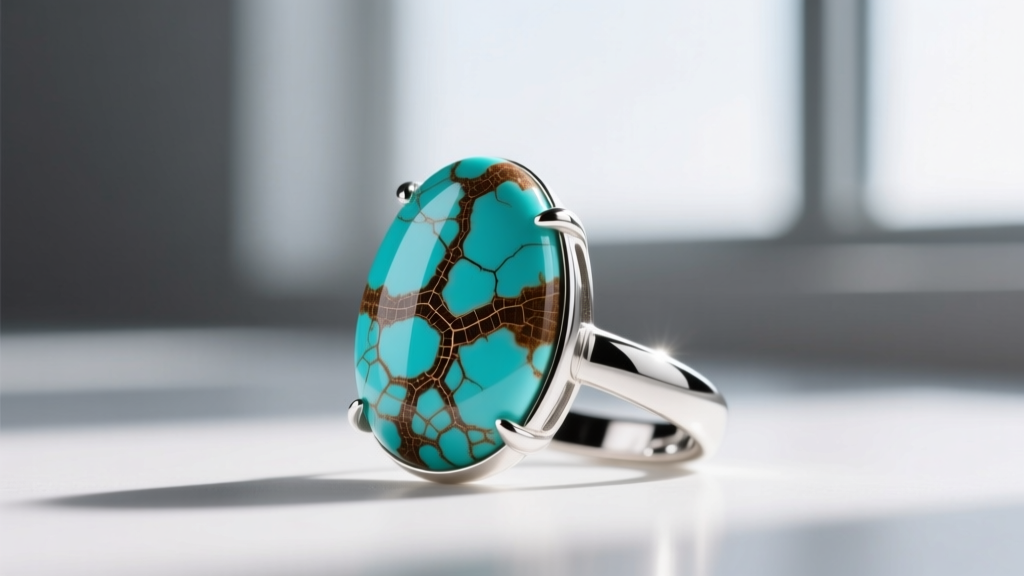
Matrix and Origin: Sleeping Beauty vs. Kingman
The origin of the turquoise drastically affects its value and aesthetic profile:
- Sleeping Beauty (Arizona): Prized for its solid, intense sky-blue color with little to no matrix. It is the most sought-after variety for fine jewelry and commands a premium price.
- Kingman (Arizona): Famous for its deep blue color intertwined with intricate black or brown matrix webbing. It offers a more rustic, organic look that pairs beautifully with the smooth surface of a pearl.
- Persian (Iranian): Historically the benchmark for "robin's egg blue" turquoise, though authentic, untreated Persian stones are increasingly rare and expensive in the modern market.
Pearl Grading: What to Demand in Multi-Gem Earrings
While turquoise provides the color, the pearl provides the light. The GIA Pearl Quality Factors emphasize luster, surface cleanliness, shape, and nacre thickness. When paired with a bold stone like turquoise, the pearl must have exceptional luster to avoid looking dull or chalky by comparison.
Nacre Thickness and Luster Orient
Nacre is the crystalline substance secreted by the mollusk to form the pearl. In saltwater pearls (like Akoya), a thin nacre layer (under 0.4mm) will eventually peel or crack, especially when subjected to the friction of earring wear. Always demand pearls with a minimum nacre thickness of 0.4mm, though 0.8mm or higher is ideal for heirloom-quality pieces. Look for "orient"—the iridescent play of colors just beneath the pearl's surface—which indicates a thick, well-formed nacre structure.
| Pearl Type | Average Size | Luster Profile | Ideal Turquoise Pairing |
|---|---|---|---|
| Akoya (Saltwater) | 6.0 - 8.5mm | Mirror-like, sharp reflections | Sleeping Beauty (high contrast) |
| Freshwater | 7.0 - 10.0mm | Soft, satiny glow | Kingman with heavy matrix |
| Tahitian (Saltwater) | 8.0 - 14.0mm | Metallic, peacock overtones | Deep green/blue turquoise |
Metal Settings and Hardware: Preventing Structural Failure
The engineering of the earring setting is just as critical as the gemstones themselves. Turquoise and pearls are highly sensitive to the chemicals used in jewelry manufacturing, particularly rhodium plating baths and ultrasonic cleaners.
The Danger of Post-Setting Rhodium Plating
Many mass-market jewelers cast earrings in white gold or silver, set the stones, and then dip the entire piece in a rhodium bath to achieve a bright white finish. The sulfuric acid and electrical currents in this bath will permanently destroy a pearl's nacre and alter the color of natural turquoise. Always buy from artisans who cast and plate the metal settings first, and then hand-set the turquoise and pearls cold.
Bezel vs. Prong Settings for Soft Stones
Because turquoise is relatively soft, prong settings leave the edges (girdle) of the cabochon exposed to chipping. A full or partial bezel setting in 14k or 18k gold not only secures the stone more effectively but also protects the perimeter from impact. For the pearls, ensure they are mounted on a sturdy cup-and-peg setting using a jeweler's epoxy, rather than simply glued flat against a metal surface, which can degrade over time.
Hardware for Heavy Drops
Turquoise cabochons are dense and heavy. If you are buying drop or dangle earrings, standard butterfly friction backs will not suffice; the weight will cause the earring to droop, stretching the earlobe and risking loss. Look for:
- Locking Leverbacks: The most secure option for heavy dangles, providing a closed loop that cannot slip off.
- Screw Backs: Essential for valuable studs, ensuring the heavy stone does not pull the post through the earlobe.
- Silicone O-Rings: If the earrings only come with standard metal friction backs, immediately supplement them with medical-grade silicone earring backs to distribute the weight and increase grip.
Pricing Tiers: What You Should Actually Pay in 2026
Understanding the market value prevents you from overpaying for treated stones or underpaying for suspicious imitations. Prices fluctuate based on the origin of the turquoise and the grade of the pearl.
FTC Disclosure Rule: The Federal Trade Commission mandates that jewelers must disclose any gemstone treatments that are not permanent or that significantly affect the stone's value. If a seller cannot confirm whether their turquoise is natural or stabilized, walk away. (FTC Jewelry Guides)
Entry-Level ($60 - $150)
At this price point, expect stabilized turquoise (often dyed howlite if purchased from fast-fashion retailers) paired with commercial-grade freshwater pearls. The metal will likely be sterling silver or gold vermeil. These are fashion pieces, not heirlooms.
Mid-Range Artisan ($250 - $600)
This is the sweet spot for authentic, high-quality turquoise pearl earrings. You should expect natural or Zachery-treated Kingman or Sleeping Beauty turquoise, paired with AAA-grade Akoya or premium freshwater pearls. The settings will be solid 14k gold or heavy sterling silver with proper bezel work and secure leverback hardware.
High-End Luxury ($800 - $2,500+)
Luxury pieces feature untreated, high-grade Persian or rare Number 8 turquoise, set alongside Hanadama-certified Akoya pearls or Tahitian pearls with exceptional peacock orient. The craftsmanship will involve 18k solid gold, intricate metalwork, and custom-cut bezels.
Care and Maintenance for Porous Gemstones
Both turquoise and pearls are organic and porous, meaning they require a strict "last on, first off" protocol. Apply all perfumes, hairsprays, and lotions before putting on your earrings. The chemicals in cosmetics can strip the pearl's luster and cause turquoise to turn a sickly green over time.
Never use ultrasonic cleaners, steamers, or commercial silver dips on turquoise pearl earrings. The high-frequency vibrations will shatter the pearl's nacre and fracture the turquoise. Instead, wipe the pearls gently with a damp, lint-free microfiber cloth after each wear, and clean the metal settings with a dry, soft-bristled jewelry brush. Store the earrings in a breathable cotton pouch; sealing them in airtight plastic can dehydrate the pearls, leading to cracking and peeling.


