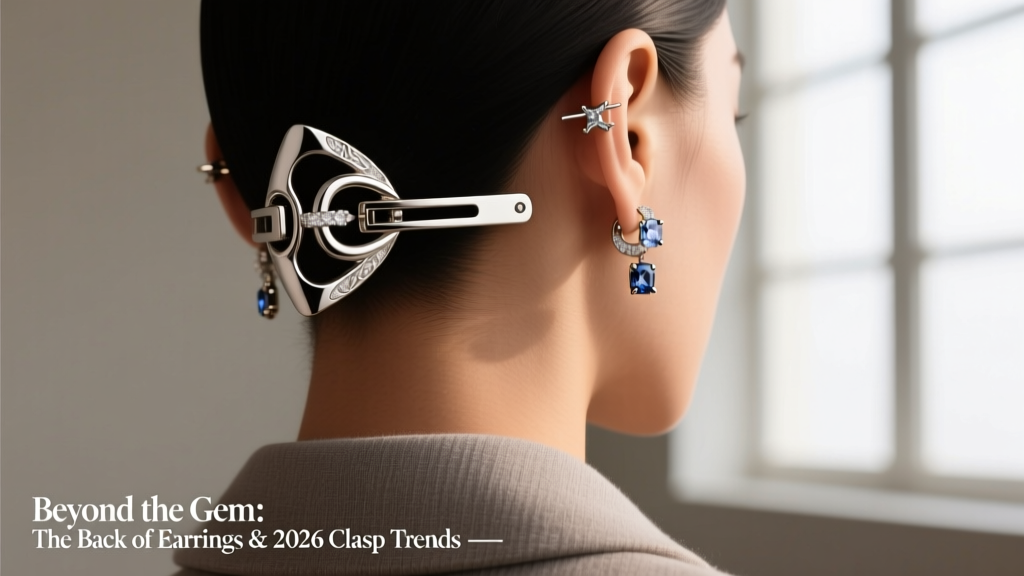
The 2026 Guide to Buying Colored Earrings: Gems & Enamel
Discover what to look for when buying colored earrings in 2026. Compare gemstones, enamel, and resin, plus expert tips on metal pairings and skin tones.

The Evolution of Colored Earrings in 2026
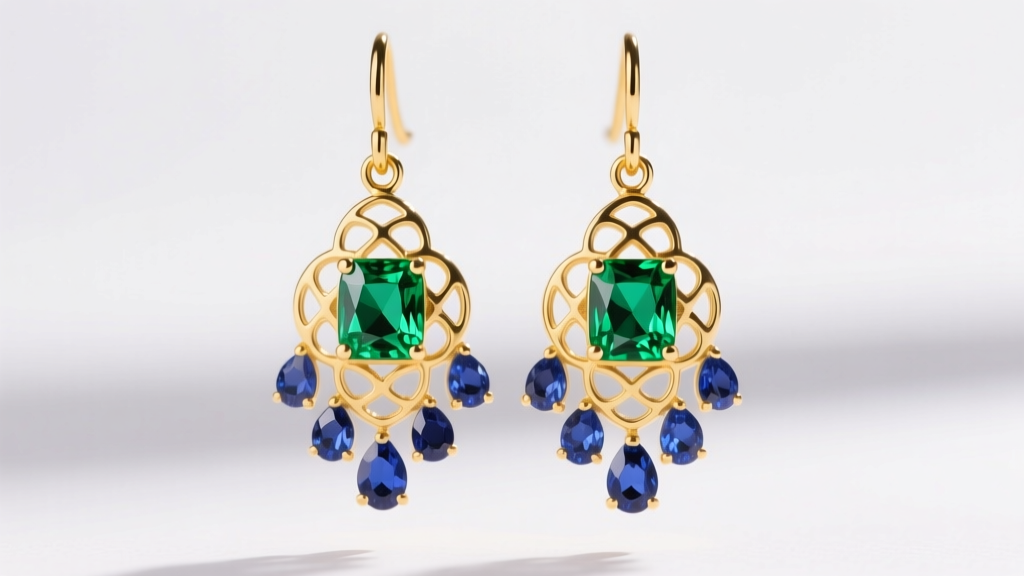
The market for colored earrings has undergone a massive transformation. Gone are the days when adding a pop of color meant settling for cheap, dyed howlite or easily scratched acrylics. In 2026, discerning buyers are gravitating toward traceable, ethically sourced gemstones and artisan-crafted vitreous enamel. Whether you are looking for a subtle pair of 18-gauge sapphire studs for the office or statement-making guilloché enamel hoops for evening wear, understanding the structural integrity and material science behind colored jewelry is paramount. This comprehensive buying guide will walk you through the exact specifications, failure modes, and pricing matrices you need to know before making a purchase.
Material Matrix: Gemstones vs. Enamel vs. Resin
Before selecting a style, you must understand how different colored materials behave when subjected to daily wear, temperature changes, and accidental impacts. The table below breaks down the most common materials used in high-end and artisan colored earrings.
| Material | Mohs Hardness | Avg. Price Range (Per Pair) | Primary Failure Mode | Best Earring Style |
|---|---|---|---|---|
| Sapphire / Ruby (Corundum) | 9 | $400 - $5,000+ | Cleavage / Chipping on hard impact | Studs, Huggies, Threadless Ends |
| Emerald (Beryl) | 7.5 - 8 | $300 - $8,000+ | Fracture / Oil Drying | Drops, Dangles (Low Impact) |
| Vitreous Enamel (Glass) | 5 - 6 | $150 - $1,200 | Shattering if dropped on tile | Ear Cuffs, Hoops, Cartilage |
| Cold Enamel (Epoxy Resin) | 2 - 3 | $30 - $150 | UV Yellowing, Surface Scratching | Statement Clip-ons, Acrylics |
Gemstone Grading & Treatments: What You Must Know
When buying colored gemstone earrings, the color you see is rarely entirely natural without human intervention. According to the Gemological Institute of America (GIA), the vast majority of colored gemstones on the market undergo some form of treatment to enhance their hue and clarity. Understanding these treatments is critical, as they dictate how you must clean and care for your earrings.
Heat Treatment and Beryllium Diffusion
Most sapphires and rubies are heat-treated to dissolve microscopic inclusions and intensify their color. This is a stable, permanent treatment accepted by the industry. However, you must be wary of beryllium diffusion, a process where beryllium is introduced during heating to artificially create vibrant oranges, pinks, and yellows in sapphires. While beautiful, diffused sapphires should be priced significantly lower than naturally colored counterparts. Always ask the jeweler for a lab report (from GIA or AGL) if you are spending over $1,000 on sapphire earrings.
Fracture Filling and the Ultrasonic Trap
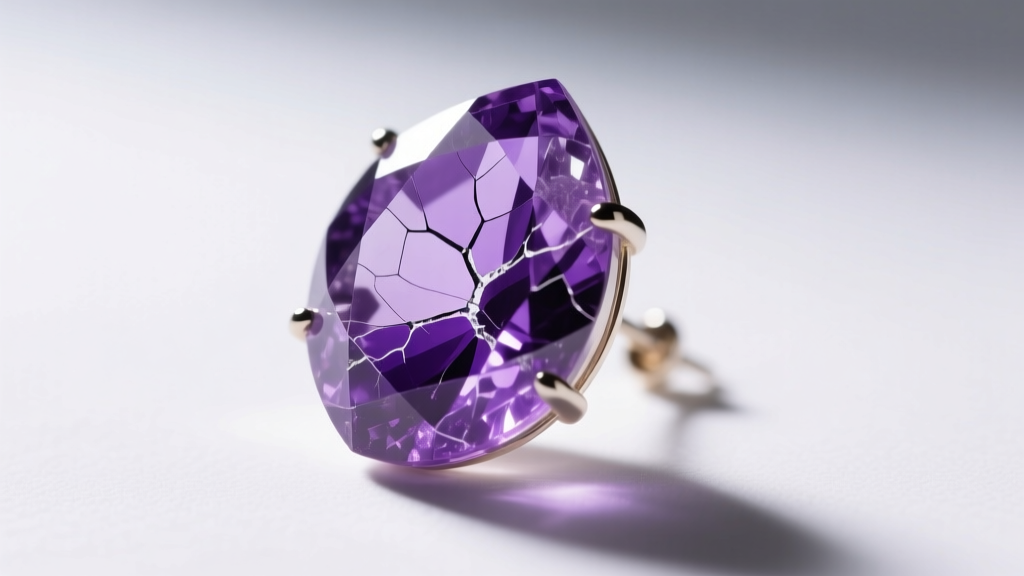
Emeralds are almost universally treated with cedar oil or synthetic resins to fill surface-reaching fractures, improving their apparent clarity. Never put fracture-filled emerald earrings in an ultrasonic cleaner. The high-frequency vibrations and heat will boil the oil out of the stone, leaving you with a cloudy, heavily included gem that looks entirely different from when you bought it. Clean emerald earrings only with a soft brush, lukewarm water, and mild dish soap.
Dyed Stones: The Red Flags
If you are buying brightly colored earrings at a lower price point (under $100), you are likely looking at dyed quartz, dyed howlite, or dyed agate. The primary failure mode here is color bleeding. If you wear dyed stone earrings in the rain, or if they come into contact with perfume and hairspray, the chemical solvents can strip the dye, leaving the stones a patchy, pale gray. Inspect the drill holes of the beads or the girdle of the faceted stones; if you see dark, concentrated rings of color, the stone has been dyed.
Enamel & Resin: The Artisan Alternatives
For those who want opaque, vivid colors without the price tag of fine gemstones, enamel is the premier choice. However, not all enamel is created equal. The terminology used by brands can be deceptive, and knowing the difference between true enamel and colored resin will save you from premature degradation.
Vitreous Enamel: Kiln-Fired Glass
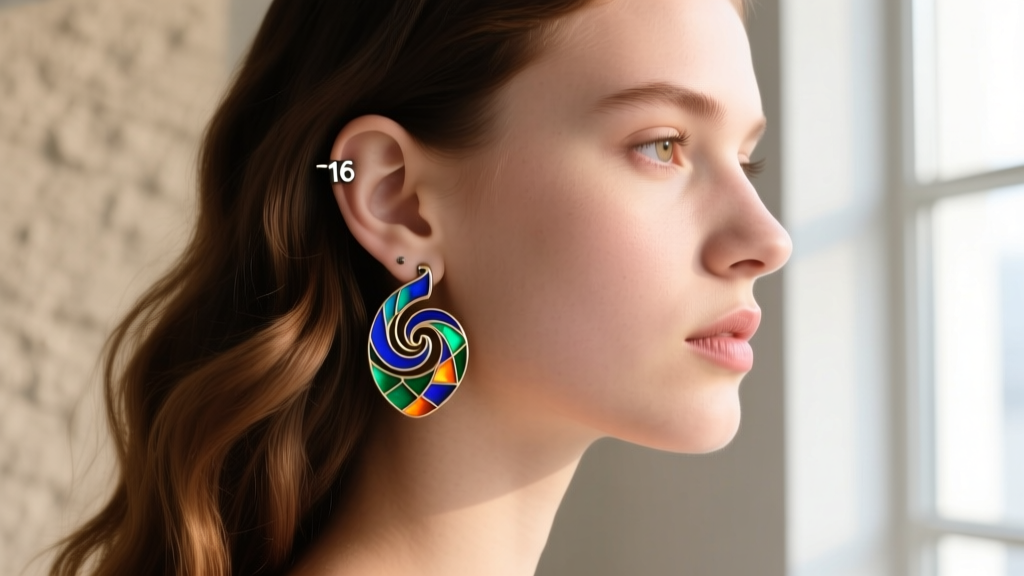
True vitreous enamel is powdered glass fused to a metal base (usually 18k gold, platinum, or high-karat silver) in a kiln at temperatures exceeding 1,400°F (760°C). The result is a brilliant, scratch-resistant, and UV-stable surface that will not yellow or fade over decades. Artisan techniques like guilloché (where the enamel is laid over an engraved, textured metal base to catch the light) and plique-à-jour (a stained-glass effect with no metal backing) command premium prices, typically ranging from $300 to $2,500 per pair. For a deep dive into historical and modern applications, Lang Antiques' University on Enamel Jewelry offers an exceptional breakdown of these techniques.
Cold Enamel: The Epoxy Imposter
Often marketed simply as "enamel" by fast-fashion and mid-tier jewelry brands, cold enamel is actually a two-part epoxy resin. While it allows for a wider variety of bright, opaque colors and is much cheaper to produce ($30 to $80 per pair), it has a Mohs hardness of only 2 to 3. It will scratch easily against zippers or hairbrushes and, most importantly, it is highly susceptible to UV degradation. White and pale blue cold enamel earrings will inevitably yellow after a year or two of regular sun exposure.
Metal Pairings & Skin Undertones
The metal housing your colored earrings dramatically alters how the color is perceived against your skin. Use this framework to match metals, gemstones, and your natural undertones:
- Warm Undertones (Veins look green, skin tans easily): Pair with yellow gold. Enhance the warmth with earthy or fiery colored stones like citrine, peridot, fire opal, or warm-toned vitreous enamel (mustard, terracotta, deep olive).
- Cool Undertones (Veins look blue, skin burns easily): Pair with white gold or platinum. These metals amplify the icy brilliance of tanzanite, aquamarine, blue sapphire, and cool-toned enamel (cobalt, icy mint, magenta).
- Neutral Undertones (Veins look blue-green, adaptable skin): Rose gold is your secret weapon. The copper alloy in rose gold creates a stunning, soft contrast against morganite, pink sapphires, and peach-colored moonstones.
Sizing, Gauge, & Cartilage Considerations
Colored earrings are frequently worn in cartilage piercings (helix, tragus, conch), where sizing precision is non-negotiable. A poorly fitted post will cause the decorative colored face to sit at an awkward angle, ruining the visual symmetry of the stone or enamel face.
- Standard Lobe Piercings: Typically 20-gauge (0.8mm) or 18-gauge (1.0mm). Most commercial drop and dangle earrings are made with 20G wires.
- Cartilage Piercings: Usually 16-gauge (1.2mm) or 14-gauge (1.6mm). If you are buying colored gemstone or enamel ends for your cartilage, opt for threadless (push-pin) titanium hardware. Threadless ends allow you to bend the pin slightly, creating tension that holds the heavy colored face perfectly flush against the helix or tragus, preventing the "drooping" effect common with heavy stone studs.
- Post Length: For fresh or semi-healed cartilage piercings, ensure you are buying 1/4" (6mm) or 5/16" (8mm) posts to accommodate swelling. Standard 3/16" posts may embed into the tissue if the colored backplate is too heavy.
Final Pre-Purchase Checklist
Before you add that pair of colored earrings to your cart, run through this quick E-E-A-T verification checklist:
- Origin Verification: Are the gemstones natural, lab-grown, or dyed? (Demand a lab report for stones over $500).
- Treatment Disclosure: Has the jeweler disclosed fracture-filling or heat diffusion?
- Enamel Type: Is it kiln-fired vitreous glass, or UV-sensitive epoxy resin?
- Hardware Compatibility: Is the gauge (18G vs 16G) and post length correct for your specific piercing placement?
- Cleaning Protocol: Do you know exactly how to clean this specific material without destroying its color or clarity?
By prioritizing material science and structural integrity over fleeting trends, you ensure that your colored earrings remain vibrant, secure, and stunning for decades to come.