2026 Buyer's Guide: Diamond Princess Cut Stud Earrings
Master the 4 Cs and setting styles for diamond princess cut stud earrings. Our 2026 buying guide reveals exact specs, pricing, and what to avoid.

The Anatomy of a Princess Cut: Why Specs Matter More Here
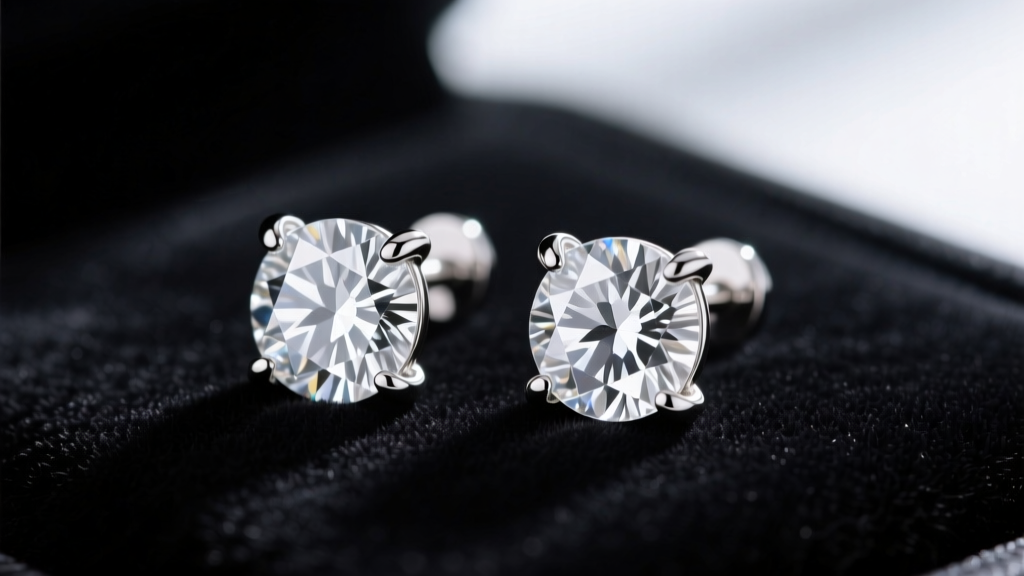
When shopping for diamond princess cut stud earrings, you are not just buying a diamond; you are investing in a highly specific geometric architecture. The princess cut, technically known as a 'square modified brilliant,' features an inverted pyramid base with a square or slightly rectangular face-up profile. Because of its sharp 90-degree corners and complex chevron facet pattern on the pavilion, light return is heavily dependent on precise proportions. Unlike round brilliant diamonds, which have a universally standardized cut grade from the GIA, princess cuts require a more nuanced, educated approach from the buyer.
In 2026, the market is flooded with both exceptionally cut natural stones and high-precision lab-grown alternatives. However, a poorly proportioned princess cut will suffer from 'extinction' (dark, lifeless areas) or a prominent bow-tie effect across the center. To ensure your studs offer maximum scintillation, you must look beyond the basic carat weight and focus on the critical metrics of depth and table percentages.
Ideal Proportions Cheat Sheet
| Metric | Excellent / Ideal Range | Very Good Range | Red Flag (Avoid) |
|---|---|---|---|
| Depth % | 65% - 75% | 75.1% - 78% | Over 79% (Hides weight in the bottom) |
| Table % | 65% - 75% | 75.1% - 78% | Over 80% (Causes windowing) |
| Girdle | Thin to Slightly Thick | Very Thin to Thick | Extremely Thin (Chipping risk) |
| Length-to-Width Ratio | 1.00 - 1.05 (Square) | 1.06 - 1.10 (Rectangular) | Over 1.15 (Loses the square aesthetic) |
Re-evaluating the 4 Cs for Square Studs
The traditional 4 Cs (Cut, Color, Clarity, Carat) apply to all diamonds, but their hierarchy shifts dramatically when you are selecting diamond princess cut stud earrings. According to the Gemological Institute of America (GIA), the lack of a standardized cut grade for fancy shapes means the buyer must act as their own grader.
1. Cut: The Engine of Brilliance
Because the GIA does not assign a cut grade to princess diamonds, rely on the American Gem Society (AGS) grading reports if available, or insist on viewing high-resolution 360-degree videos of the stones. Look for symmetrical chevron patterns on the pavilion. If the chevrons are misaligned or if the diamond has a 'French corner' pavilion rather than a 'bezel corner' pavilion, the light performance will be compromised. For studs, where the diamonds are viewed primarily from a static, face-up angle, a superior cut is non-negotiable to achieve that signature crushed-ice sparkle.
2. Color: Metal Pairing is Everything
Princess cuts tend to retain slightly more body color than round brilliants due to their deeper pavilions.
- Platinum or White Gold Settings: Stick to D-G color grades. The stark white metal will amplify any yellowish tint in an H or I grade stone.
- Yellow or Rose Gold Settings: You can safely drop to H-J color grades. The warm reflections from the metal will mask slight warmth in the diamond, allowing you to allocate more budget toward carat weight or clarity.
3. Clarity: The Corner Vulnerability
This is where many buyers make a critical error. The four sharp corners of a princess cut are its most vulnerable points. If a diamond has an SI1 or SI2 clarity grade because of an inclusion located exactly on or near a corner, the structural integrity of the stone is compromised. During the setting process, the pressure from the prong can cause the diamond to cleave or chip. Always choose VS1 or VS2 clarity, and meticulously inspect the plotting diagram to ensure no feathers or crystals are situated at the 90-degree edges.
Setting Styles: Protecting the Pointed Corners
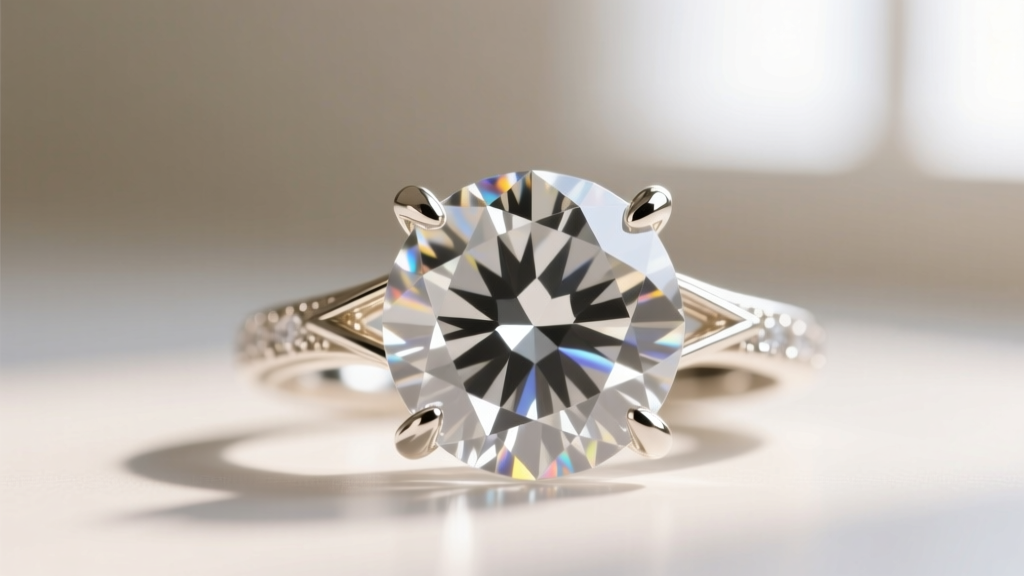
The setting you choose for your diamond princess cut stud earrings dictates both their aesthetic profile and their long-term survivability. Because the corners are prone to chipping if struck against a hard surface, the metalwork must be engineered to absorb impact.
| Setting Style | Aesthetic Profile | Security Level | Best For |
|---|---|---|---|
| Standard 4-Prong | Classic, maximizes light entry | Moderate (Corners exposed) | Low-profile, occasional wear |
| V-Prong (Corner Prong) | Modern, frames the square shape | Excellent (Corners fully encased) | Daily wear, active lifestyles |
| Bezel | Sleek, geometric, vintage-inspired | Maximum (Entire girdle protected) | Snag-free environments, medical professionals |
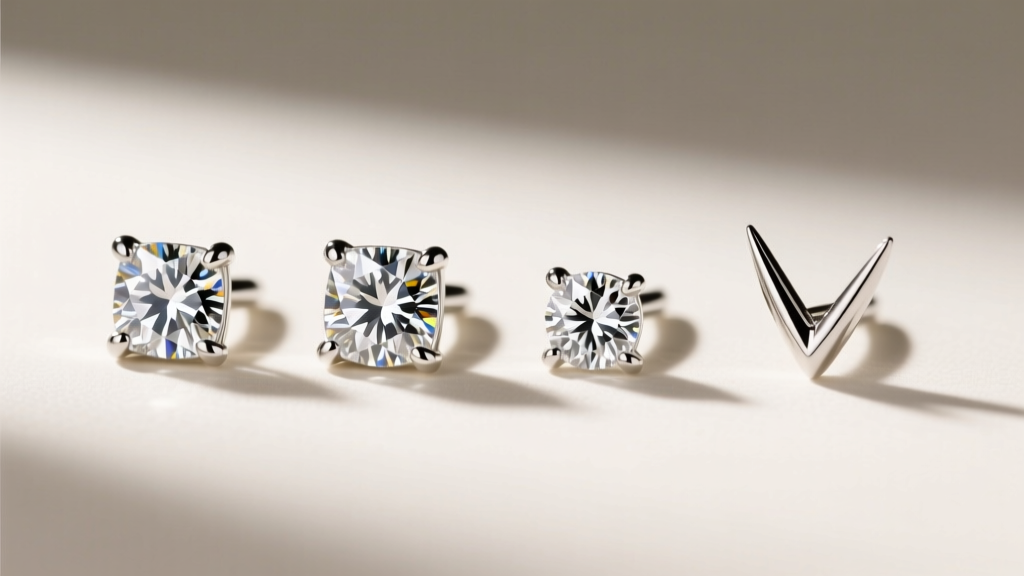
For everyday stud earrings, the V-prong setting is widely considered the gold standard among master jewelers. It wraps a triangular wedge of metal around each of the four corners, effectively neutralizing the risk of chipping while maintaining the illusion of a larger, uninterrupted square silhouette.
2026 Market Pricing: Lab-Grown vs. Natural
The pricing landscape for diamond studs has shifted significantly over the last few years. With the maturation of Chemical Vapor Deposition (CVD) and High Pressure High Temperature (HPHT) technologies, lab-grown diamonds now offer identical optical and physical properties at a fraction of the cost. The Federal Trade Commission (FTC) mandates clear disclosure of lab-grown origins, ensuring market transparency.
Estimated Pricing Tiers (1.00 Carat Total Weight - CTW)
- Lab-Grown (VS Clarity, F-G Color): $600 - $1,100. Ideal for buyers who want maximum size and flawless visual performance without the natural diamond premium.
- Natural (SI1 Clarity, H-I Color): $2,500 - $3,800. The entry-point for natural stones, requiring careful vetting to ensure eye-cleanliness and safe corner inclusions.
- Natural (VS1 Clarity, D-F Color): $4,500 - $7,000+. Investment-grade natural diamonds with top-tier light performance and pristine clarity.
Expert Tip: When buying lab-grown princess cuts, always check the report for 'post-growth treatment' disclosures. Some CVD diamonds undergo HPHT treatment after growth to improve color. While perfectly stable and safe for earrings, untreated stones are generally preferred by purists and hold marginally better resale value.
Red Flags and Troubleshooting
Before finalizing your purchase, run the diamonds through this troubleshooting checklist to avoid common pitfalls specific to the princess cut:
- The 'Cruciform' Dark Pattern: If you look through the table and see a dark, cross-like shape that does not scintillate when tilted, the pavilion angles are too steep. Walk away.
- Asymmetrical Facets: The concentric squares visible on the crown should be perfectly centered. Off-center tables indicate poor cutting symmetry, which ruins the geometric appeal of the stud.
- Polish Lines on the Girdle: Because princess cuts are often polished with the girdle left slightly rough or bruted, ensure the grading report notes the girdle as 'faceted' or 'polished.' A rough girdle can trap dirt and oils, making your earrings look perpetually cloudy.
- Mismatched Pairs: Unlike round diamonds, finding two princess cuts with the exact same length-to-width ratio and facet alignment is difficult. Ensure the vendor guarantees a 'matched pair' with a variance of less than 0.05mm in diameter and identical color grades.
Final Verdict: Building Your Perfect Pair
Diamond princess cut stud earrings are a bold, contemporary alternative to the traditional round brilliant. They offer a larger face-up spread per carat and a distinct, architectural brilliance that catches the light in sharp, fiery flashes. By prioritizing V-prong settings for corner protection, demanding a depth percentage between 65% and 75%, and carefully mapping inclusions away from the 90-degree edges, you will secure a pair of earrings that are as durable as they are dazzling. Whether you opt for the accessible luxury of a lab-grown pair or the geological rarity of a natural stone, the principles of precision cutting remain your ultimate guide to a flawless purchase.


