Buying Earrings in Greece: 2026 Value & Budget Guide
Discover how to buy authentic earrings in Greece without overpaying. Our 2026 budget guide covers gold hallmarks, silver filigree, and fair pricing.

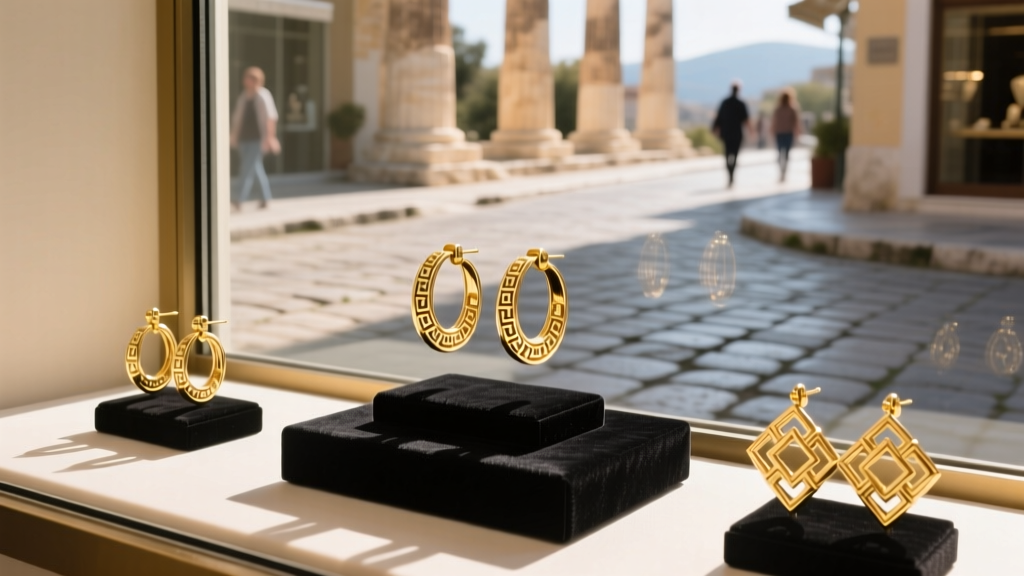
Greece has been a global epicenter of goldsmithing and metallurgy for over three millennia. From the intricate granulation techniques of the Minoans to the bold, sculptural gold masterpieces of the Hellenistic period, the heritage of Greek jewelry is unparalleled. For modern travelers and collectors, buying earrings in Greece offers a unique opportunity to own a piece of this living history. However, navigating the bustling tourist hubs of Athens, Mykonos, and Santorini requires a sharp eye for value, material authenticity, and fair pricing.
As gold prices continue to surge in 2026, understanding the true cost of materials versus artisan craftsmanship is critical. This comprehensive budget and value assessment will help you decode Greek hallmarks, avoid tourist traps, and invest in earrings that offer genuine long-term value.
The Allure of Greek Jewelry: Beyond the Tourist Traps
When shopping for earrings in Greece, you will generally encounter two distinct categories: historical replicas and contemporary artisan designs. Historical replicas often feature the Meandros (Greek key), the Minoan bee, or Byzantine cross motifs. Contemporary designs, heavily influenced by legends like Ilias Lalaounis, focus on hammered textures, woven gold wire, and organic shapes inspired by Greek mythology.
The primary challenge for buyers is distinguishing between mass-produced, imported souvenir jewelry and authentic, locally crafted pieces. According to the Ilias Lalaounis Jewelry Museum, true Greek goldsmithing relies on specialized hand-tools and techniques like filigree and granulation that cannot be perfectly replicated by modern casting machines. Recognizing these hand-finished details is your first step in assessing true value.
Decoding Greek Gold and Silver Hallmarks
Greece maintains strict assaying standards overseen by the Chemical Laboratory of the State. Unlike some countries where hallmarking is optional, precious metals sold in reputable Greek boutiques must be stamped.
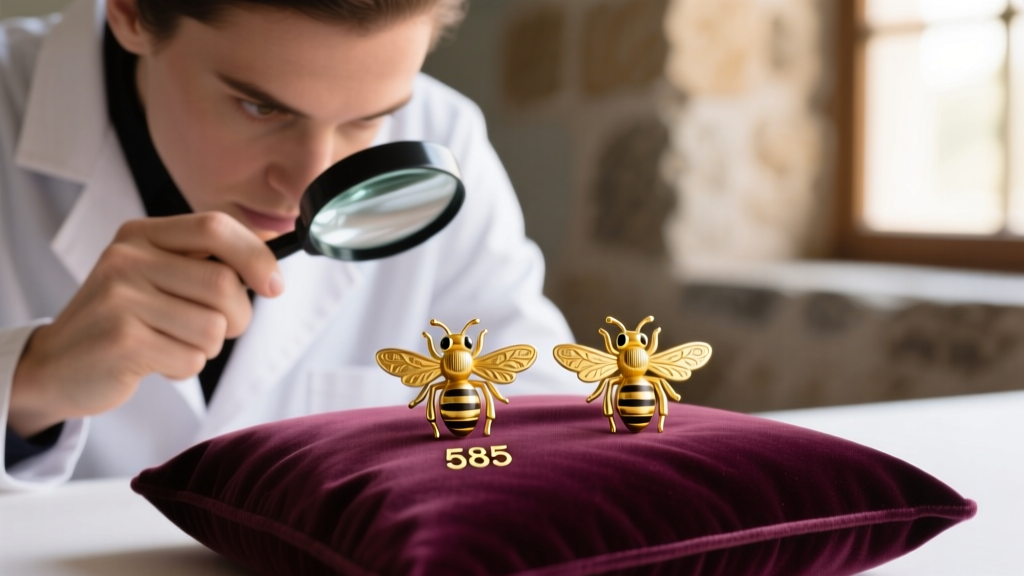
- 14-Karat Gold (585): The most common gold purity for everyday Greek earrings. It offers an excellent balance of durability and rich color, making it ideal for intricate hoop mechanisms and dangles.
- 18-Karat Gold (750): Reserved for high-end, luxury pieces. It has a deeper yellow hue but is softer, meaning it is usually found in stud earrings or protective bezel settings rather than thin, continuous wire hoops.
- Sterling Silver (925): Widely used, particularly in traditional regional designs. Always look for the '925' stamp alongside the maker's mark.
Value Tip: In 2026, the raw material cost of gold is exceptionally high. If a vendor offers 'heavy' 18K gold dangle earrings at a surprisingly low price, they are likely hollow-formed (electroformed) or gold-plated brass. Always ask to see the hallmark with a jeweler's loupe.
Technical Specs: Gauge Sizes and Ear Wire Styles
A frequently overlooked aspect of buying earrings abroad is the wire gauge, which can drastically affect comfort and wearability. Traditional Greek continuous hoop earrings, known locally as krikelia, are renowned for their secure, seamless closure. However, to maintain structural integrity without soldering, Greek jewelers typically use thicker wire than American mass-market brands.
- Standard US Hoops: Usually 20-gauge (0.81mm) or 22-gauge (0.64mm).
- Traditional Greek Krikelia: Often 18-gauge (1.02mm) or 19-gauge (0.91mm).
If you have sensitive or recently healed piercings, an 18-gauge Greek hoop might cause discomfort. When assessing value, factor in whether you will need to pay a local jeweler back home to swap the ear wires to a thinner gauge, which can cost an additional $30 to $50 and alter the original design's integrity.
Regional Specialties: Where to Buy What
Geography plays a massive role in the pricing and style of earrings in Greece. Where you buy is just as important as what you buy.
Ioannina: The Capital of Silver Filigree
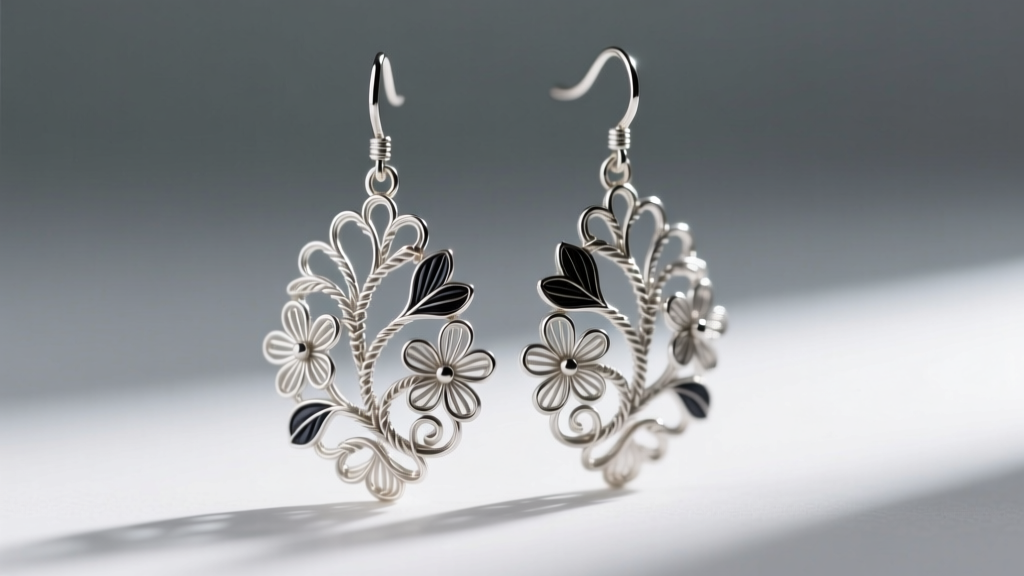
If you are seeking silver earrings, bypass the Athens tourist shops and look for pieces originating from Ioannina in northwestern Greece. This region has a centuries-old tradition of silver filigree (filigrani). Artisans here twist and solder microscopic threads of 925 silver into lace-like floral and geometric patterns. The value proposition here is immense; you are paying for master-level handcraftsmanship at a fraction of the cost of equivalent work in Western Europe.
Athens (Plaka & Monastiraki): Gold Replicas
Athens is the best destination for museum-quality replicas of ancient Minoan and Mycenaean earrings. Reputable shops in the Plaka district will provide a certificate of authenticity detailing the historical era the design is based on. Avoid the street vendors in Monastiraki selling 'antique' gold; these are almost universally brass alloys with a chemical patina.
The Cyclades (Mykonos & Santorini): Premium Contemporary
Expect a 30% to 50% markup on contemporary designer earrings in the Cyclades due to high retail overhead and luxury positioning. While the designs are stunning and often feature unique Aegean sea-glass or volcanic stone inlays, they do not represent the best 'budget' value for pure precious metal weight.
2026 Budgeting Guide: What Should You Actually Pay?
To help you assess whether a price tag is fair, we have compiled a 2026 pricing matrix based on current precious metal markets and average Greek artisan labor rates. Use this table as your baseline when negotiating or comparing shops.
| Earring Style & Material | Average Weight | Fair Price Range (EUR) | Value Verdict |
|---|---|---|---|
| 925 Silver Simple Studs | 1.5g - 2g | €25 - €45 | Good (Souvenir level) |
| 925 Silver Ioannina Filigree Drops | 3g - 5g | €60 - €120 | Excellent (High artisan value) |
| 14K Gold (585) Meander Hoops | 2.5g - 4g | €180 - €280 | Fair (Standard market rate) |
| 14K Gold (585) Byzantine Woven Drops | 5g - 7g | €350 - €500 | Excellent (Investment piece) |
| 18K Gold (750) Granulation Studs | 2g - 3g | €250 - €400 | Premium (Luxury tier) |
Note: Prices fluctuate with the daily spot price of gold and silver. Always calculate the 'melt value' (weight in grams multiplied by the daily spot price of the metal purity) and ensure the artisan markup does not exceed 100% to 150% for handcrafted items.
Navigating VAT and Tax-Free Shopping
For non-EU tourists, the sticker price is not the final price. Greece imposes a Value Added Tax (VAT) of 24% on jewelry. According to the official Visit Greece Shopping Guide, non-EU residents can claim a tax refund on purchases exceeding €120 at a single retailer.
To maximize your budget:
- Consolidate your purchases at one reputable boutique to easily cross the €120 threshold.
- Request a 'Tax-Free' form at the point of sale. You will need your passport.
- Validate the form at the customs desk at the airport before checking your luggage (customs may ask to see the physical earrings).
- Expect to receive roughly 12% to 15% back after the processing agency takes their commission. This effectively acts as a significant discount on your investment.
Red Flags: How to Avoid Counterfeits
Protecting your budget means knowing when to walk away. Keep these critical red flags in mind while shopping for earrings in Greece:
- The 'Haggle' Expectation: Unlike flea markets, established Greek jewelry boutiques do not haggle on precious metals. If a shopkeeper immediately offers a 40% discount when you show hesitation, the initial price was heavily inflated, or the metal is not solid.
- Missing the 'Apodeixi': By Greek law, you must be provided with an official receipt (apodeixi) that details the exact weight, karat, and material of the earrings. A generic credit card slip is insufficient for insurance or resale purposes.
- Magnetic Testing: Gold and silver are non-magnetic. If a vendor's 'gold' hoop earrings stick to a magnet, they contain a ferrous core (like steel or iron) and are a complete counterfeit.
Final Verdict: Are Greek Earrings Worth the Investment?
When approached with a strategic, value-driven mindset, buying earrings in Greece is a highly rewarding endeavor. The true value lies not in the mass-produced trinkets found near the Acropolis, but in the regional specialties like Ioannina silver filigree and the meticulously crafted 14K gold historical replicas found in specialized Athenian ateliers. By verifying hallmarks, understanding gauge differences, and leveraging the VAT refund system, you can acquire museum-quality, wearable art that holds both intrinsic metal value and profound historical significance.


