Restoring Vintage Lia Sophia Earrings: Care & Cleaning
Learn expert techniques to clean, restore, and store vintage Lia Sophia earrings without damaging delicate plating, rhinestones, or faux pearls.

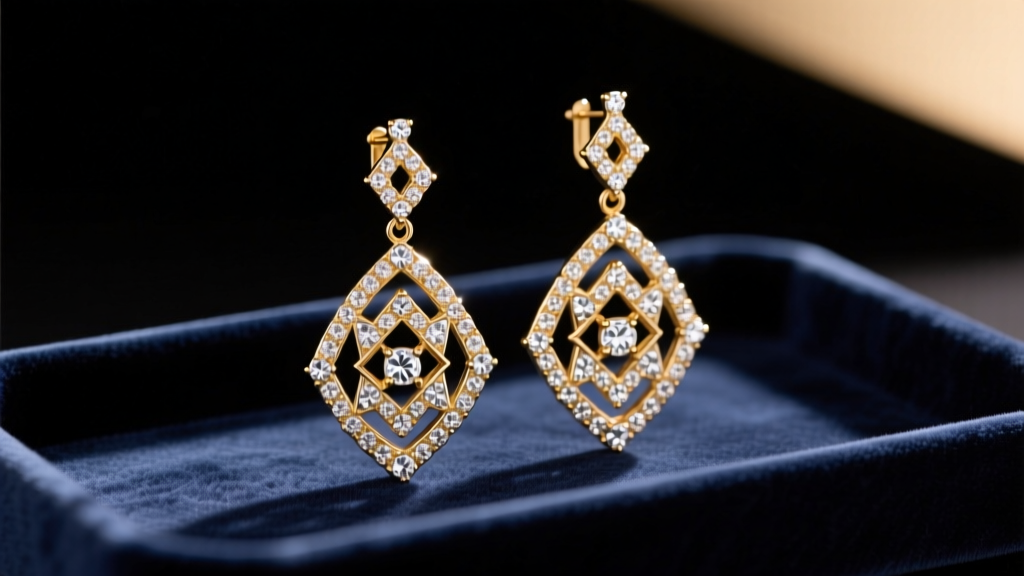
Lia Sophia was a titan of the direct-sales jewelry world, celebrated from the 1990s through the early 2010s for its bold, trend-setting designs and accessible luxury. Although the company officially closed its doors in 2014, vintage Lia Sophia earrings remain highly coveted on the secondary market. From intricate gold-tone chandeliers to enameled huggies and faux-pearl drops, these pieces represent a specific era of costume jewelry craftsmanship. However, because they are primarily crafted from electroplated base metals, glass rhinestones, and resin, they require a highly specialized approach to maintenance. Standard jewelry cleaning methods—like ultrasonic baths or harsh chemical dips—will instantly destroy the delicate finishes and adhesive bonds of these vintage pieces.
As a vintage jewelry conservationist, I have restored hundreds of direct-sales costume pieces. In this comprehensive guide, we will explore the exact protocols for cleaning, maintaining, and storing your Lia Sophia earrings to ensure they remain vibrant and wearable for decades to come.
Identifying Your Lia Sophia Materials and Vulnerabilities
Before applying any cleaning solution, you must identify the specific materials used in your earrings. Lia Sophia primarily utilized pewter or brass bases plated with 14k or 18k gold or rhodium (silver-tone). Understanding the chemistry of these materials is the first step in preventing irreversible damage.
| Material | Common Styles | Primary Vulnerabilities | Safe Cleaning Agents |
|---|---|---|---|
| Gold/Silver Electroplate | Hoops, Huggies, Studs | Friction, moisture, ammonia | Mild dish soap, distilled water |
| Foil-Backed Rhinestones | Dangles, Chandeliers | Water (ruins foil), ultrasonic waves | Dry brushing, wooden toothpick |
| Faux Pearls | Drops, Clip-ons | Acids, abrasives, alcohol | Damp microfiber cloth only |
| Enamel / Cold Resin | Statement Dangles | Chipping, solvent-based cleaners | Dry polishing cloth |
According to the Smithsonian Museum Conservation Institute, costume jewelry requires a conservative approach because the adhesives used to set stones are often water-soluble or degrade when exposed to modern chemical solvents. Never submerge a fully assembled Lia Sophia earring in liquid.
The Dry-Clean Method for Rhinestone and Crystal Pieces
Many of the most popular Lia Sophia designs feature pavé or prong-set rhinestones. In vintage costume jewelry, these stones are almost always 'foil-backed,' meaning a thin layer of metallic paint or silver leaf is applied to the back of the glass to increase refraction and sparkle. If moisture seeps under the prongs and touches this foil, it will oxidize, turn black, or flake off entirely, leaving the stone looking dead and gray.
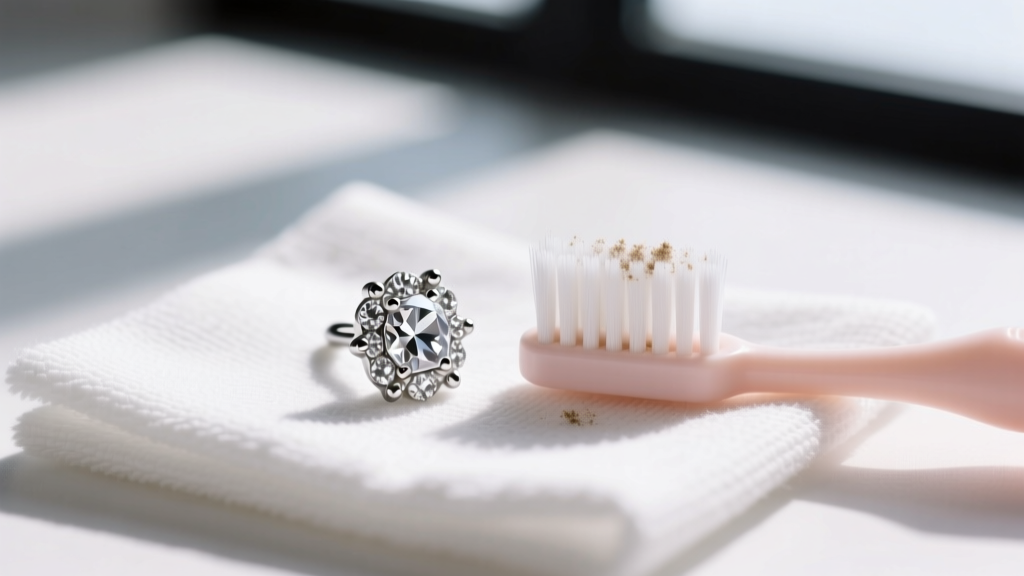
Step-by-Step Rhinestone Cleaning Protocol
- Surface Dusting: Use a clean, dry, soft-bristled baby toothbrush or a clean makeup blending brush to gently sweep away surface dust and skin cells from the stone tables and prongs.
- Grime Removal: For stubborn buildup (like hairspray or lotion) between the prongs, do not use water. Instead, take a wooden toothpick and gently scrape the residue. Wood is softer than glass and will not scratch the rhinestones or bend the plated prongs.
- The Breath Technique: To restore shine to cloudy stones without liquids, gently breathe on the stone to create a micro-layer of condensation, then immediately buff it with a dry, lint-free microfiber cloth. This mimics the effect of a glass cleaner without the risk of chemical damage.
Deep Cleaning Gold-Tone and Silver-Tone Plated Metals
Over time, the electroplated surfaces of Lia Sophia hoops and studs accumulate a layer of oxidized skin oils, perfume residue, and environmental sulfur. This causes the metal to look dull or slightly greenish. To restore the luster without stripping the microscopic layer of gold or rhodium plating, you must use a targeted, low-moisture approach.
The Q-Tip and Distilled Water Method
- Mix one cup of distilled water (tap water contains chlorine and minerals that can spot the plating) with a single drop of pH-neutral dish soap, such as original Dawn.
- Dip a cotton swab (Q-tip) into the solution and squeeze it out until it is barely damp. You want the swab to be moist, not dripping.
- Gently roll the damp swab over the metal surfaces of the earring, avoiding any glued stones or enamel inlays.
- Immediately follow with a dry cotton swab to absorb any remaining moisture.
- Finish by buffing the metal with a untreated, soft jeweler's polishing cloth. Never use a silver polishing cloth (like a Sunshine cloth) on gold or silver-plated costume jewelry, as the mild abrasives embedded in the cloth will strip the plating right down to the base brass or pewter.
Maintaining Faux Pearls and Enamel Inlays
Lia Sophia frequently incorporated faux pearls and cold enamel into their drop and dangle earrings. Faux pearls are typically created by coating glass or plastic beads with a pearlescent substance derived from fish scales or synthetic mica. The Gemological Institute of America (GIA) notes that pearlescent coatings are highly sensitive to acids, alcohols, and abrasives.
To clean faux pearl Lia Sophia earrings, simply wipe them down with a dry microfiber cloth after every wear to remove acidic skin oils. If they require a deeper clean, use a cloth very lightly dampened with distilled water, then dry immediately. Never use Windex, ammonia, or alcohol-based hand sanitizers near these pieces, as the solvents will dissolve the pearl coating, leaving you with a bare, cloudy plastic bead. Similarly, enamel inlays should only be dusted; liquid cleaners can seep into micro-cracks in the resin and cause it to lift from the metal base.
Troubleshooting Hardware: Posts, Clutches, and Clip-Ons
Care extends beyond the aesthetic elements to the structural findings. Vintage Lia Sophia earrings typically feature 20-gauge or 22-gauge stainless steel or plated brass posts. A common issue with older costume jewelry is the degradation of the earring backs (clutches) and the tension of clip-on mechanisms.
Upgrading Earring Backs
The original butterfly clutches provided with Lia Sophia earrings often lose their tension or accumulate corroded skin oils that are impossible to clean. Discard the original metal backs and replace them with medical-grade silicone O-rings or flat-disc friction backs. Silicone provides a more secure grip on thinner 22-gauge vintage posts and prevents the heavy dangle earrings from drooping forward on the earlobe.
Adjusting Vintage Clip-Ons
If you collect Lia Sophia clip-on earrings for non-pierced ears, you may notice the paddles have lost their grip or become too tight, causing ear pain. Using a pair of nylon-jaw pliers (never bare metal pliers, which will scratch the plating), you can gently bend the metal paddle outward by millimeter increments to relieve pressure. Apply a tiny dab of clear nail polish or Renaissance Wax to the inside of the paddle to create a cushioned, non-slip grip against the ear cartilage.
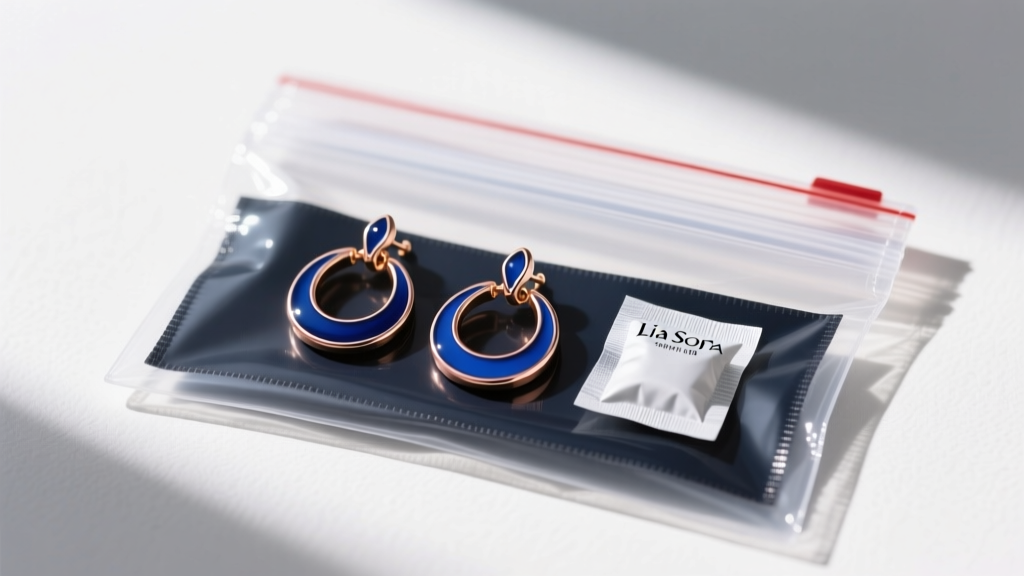
Proper Storage to Prevent Tarnish and Scratching
How you store your Lia Sophia collection is just as critical as how you clean it. Base metals like brass and pewter react rapidly with sulfur and humidity in the air, leading to dark tarnish spots that are difficult to remove from porous plated surfaces.
- Use Polyethylene, Not PVC: Store your earrings in individual polyethylene ziplock bags. Avoid PVC plastics, which can off-gas chemicals that permanently cloud rhinestones and degrade enamel.
- Anti-Tarnish Strips: Place a 3M anti-tarnish strip inside each storage bag or jewelry box drawer. These strips absorb ambient sulfur gases and must be replaced every 6 months.
- Moisture Control: Include a small silica gel desiccant packet in your primary jewelry box to control ambient humidity, especially if you live in a coastal or high-humidity environment.
- Hang the Dangles: For long, intricate chandelier earrings, hanging them on a velvet-lined rack prevents the delicate wire-wrapping and jump rings from becoming tangled or bent under the weight of other pieces.
By treating your vintage Lia Sophia earrings not as disposable fashion accessories, but as collectible pieces of early 21st-century design history, you can preserve their brilliance and structural integrity. Consistent, gentle, dry-first maintenance will ensure these statement pieces continue to turn heads for generations.


