Silver Seashell Earrings: A Beginner's Guide to Coastal Style
Discover how to choose, style, and care for silver seashell earrings. Learn about .925 sterling silver, gauge sizes, and coastal styling tips.

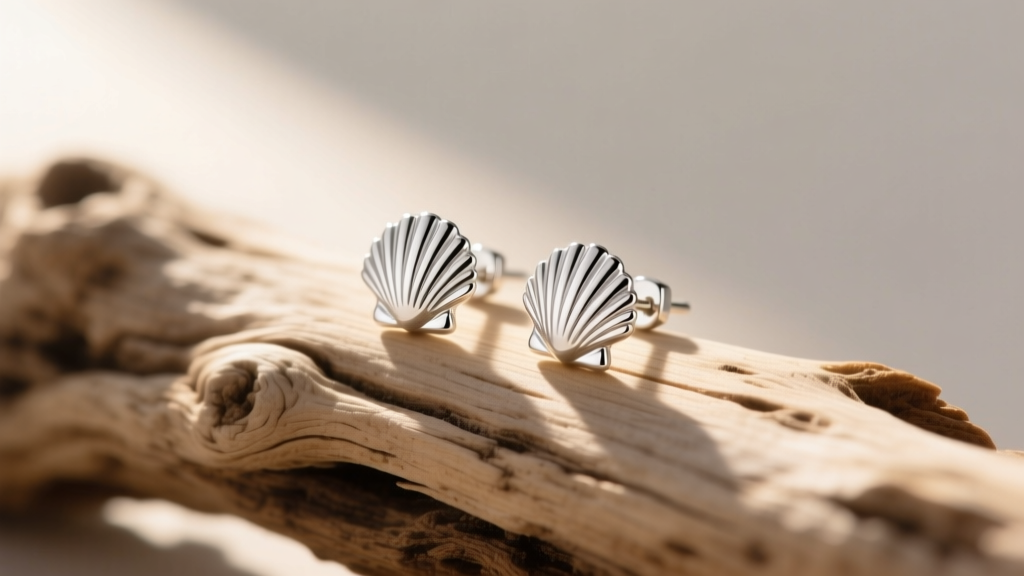
Coastal jewelry has evolved far beyond the souvenir-shop trinkets of the past. In the current 2026 jewelry market, silver seashell earrings represent a sophisticated, year-round staple that bridges the gap between relaxed beachwear and elevated everyday elegance. Whether you are drawn to the geometric ridges of a scallop shell or the smooth, organic curves of a cowrie, navigating the metals, sizing, and craftsmanship of these pieces requires a bit of foundational knowledge.
This beginner-friendly explainer will decode the metallurgy, sizing standards, and styling frameworks you need to confidently invest in high-quality silver shell earrings that will not irritate your piercings or tarnish after a single summer.
Decoding the Metal: What 'Silver' Actually Means
Not all silver is created equal. When shopping for seashell earrings, the terminology used in the product description dictates the longevity, hypoallergenic properties, and structural integrity of the jewelry. According to the Jewelers of America, understanding these stamps is your first line of defense against buying subpar metals.
| Metal Type | Composition | Durability & Tarnish | Best Use in Shell Earrings |
|---|---|---|---|
| Sterling Silver (.925) | 92.5% Silver, 7.5% Copper | Highly durable; prone to tarnish over time due to copper. | Ideal for earring posts, studs, and detailed cast shells. |
| Fine Silver (.999) | 99.9% Pure Silver | Tarnish-resistant but extremely soft and malleable. | Best for delicate electroformed shell charms, never for posts. |
| Silver-Plated | Brass/Copper core with a thin silver wash | Low durability; plating wears off, exposing reactive base metals. | Avoid entirely if you have sensitive or freshly healed piercings. |
| Rhodium-Plated Sterling | .925 Sterling core plated with rhodium | Highly tarnish-resistant; bright white finish. | Excellent for polished shell studs, though plating wears on friction points. |
Expert Tip: Always look for the '.925' or 'Sterling' stamp on the earring post. If you have metal sensitivities, be aware that some cheaper sterling silver alloys use nickel instead of copper for the 7.5% base. The American Academy of Dermatology notes that nickel is the leading cause of contact dermatitis in jewelry. If your ears itch, switch to nickel-free sterling or titanium posts with silver shell charms.
Sizing, Gauge, and Piercing Compatibility
A beautiful seashell earring will quickly become unwearable if the post or wire does not match your piercing gauge. The 'cheese-cutter effect'—where a heavy earring on a thin wire slowly migrates through the earlobe—is a common issue with solid silver dangles.
Standard Gauge Measurements
- 20-Gauge (0.81mm): The industry standard for commercial stud earrings and lightweight shell huggies. Perfect for standard lobe piercings.
- 18-Gauge (1.02mm): Recommended for medium-weight silver shell dangles. The extra thickness provides structural support for the earlobe.
- 16-Gauge (1.29mm): Essential if you are wearing a seashell charm on a cartilage, helix, or tragus piercing, which naturally heal at thicker gauges.
Weight Considerations for Dangles
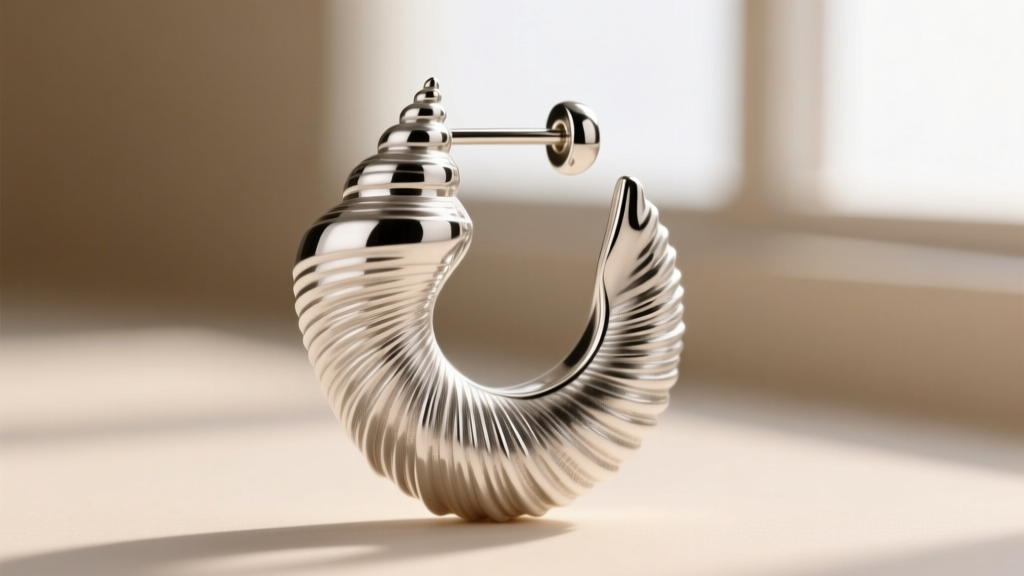
Solid .925 silver is dense. A pair of solid cast cowrie shell dangles can easily exceed 8 grams per earring. If you love the look of large, statement-making shells but have delicate lobes, look for electroformed silver or hollow-cast designs. These manufacturing techniques capture the exact volume and shape of a large shell while keeping the weight under 3 grams, ensuring all-day comfort without stretching your piercing.
The Craft: How Jewelers Capture the Ocean
The method used to create your silver seashell earrings drastically affects their texture, symmetry, and price point. In 2026, sustainable and recycled .925 silver has become the industry standard, but the shaping techniques remain rooted in both ancient and modern technology.
1. Lost-Wax Casting (The Artisan Approach)
Jewelers carve a wax model of a shell (or take a silicone mold of a real seashell) and encase it in plaster. Molten .925 silver is poured in, burning away the wax. This method allows for deep, dramatic oxidization, where the jeweler intentionally darkens the recessed ridges of the shell to create striking contrast against the polished high points.
2. CAD and 3D Printing (The Modern Approach)
For perfectly symmetrical, stylized, or geometric shell designs, jewelers use Computer-Aided Design (CAD). The digital file is 3D printed in castable resin and then cast in silver. This results in a highly polished, uniform look that is less 'raw nature' and more 'modern architectural coastal'.
3. Electroforming (The Exact Replica)
A real, ethically sourced seashell is painted with a conductive solution and submerged in a silver electrolyte bath. Over several days, pure .999 silver builds up atom by atom over the shell. The organic matter is later dissolved or left inside, resulting in an impossibly detailed, lightweight, exact replica of a natural shell.
Care and Maintenance Protocol
Silver reacts with hydrogen sulfide in the air to form silver sulfide, which appears as a black or yellowish tarnish. Because seashell earrings feature deep grooves, ridges, and spirals, they trap moisture, lotions, and sulfur more easily than flat jewelry.
What to Do:
- Use a Treated Polishing Cloth: A micro-abrasive cloth (like a Sunshine cloth) is the safest way to polish the raised ridges of a silver shell without damaging the metal.
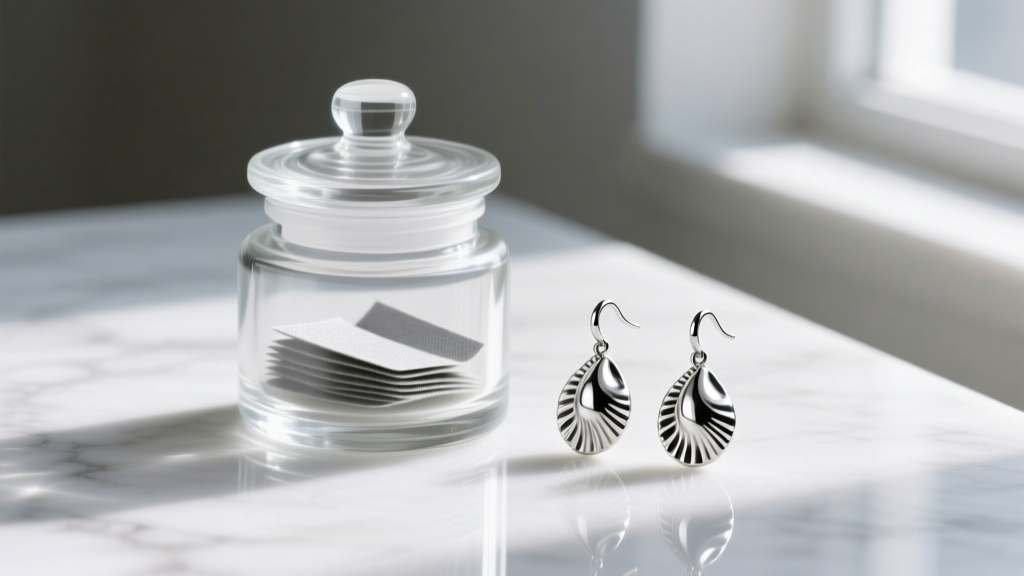
- Store with Anti-Tarnish Strips: Keep your earrings in an airtight ziplock bag with a 3M anti-tarnish tab to absorb ambient sulfur.
- Wash After Ocean Exposure: Saltwater and silver do not mix well. Rinse your earrings in distilled water and dry them thoroughly after a beach trip.
What to Avoid:
- Liquid Silver Dips: Never submerge oxidized silver seashell earrings in chemical liquid cleaners. The dip will strip the intentional dark patina from the deep grooves, leaving the shell looking flat and artificially white.
- Ultrasonic Cleaners: If your shell earrings feature inlaid mother-of-pearl or freshwater pearls, ultrasonic vibrations can fracture the delicate nacre.
Styling Framework: Matching Shells to Face Shapes
Seashells come in a vast array of geometries. Using basic styling principles, you can select a silver shell silhouette that complements your natural features.
- Round Faces: Opt for elongated, vertical designs. Silver razor clam shells or long, spiraled auger shell dangles draw the eye downward, creating a lengthening effect.
- Square Faces: Soften strong jawlines with curved, organic shapes. Silver scallop shell studs or small conch shell huggies add softness without adding harsh angles.
- Heart-Shaped Faces: Balance a narrower chin with wider, bottom-heavy designs. Teardrop-shaped silver abalone shells or wide fan-shaped pecten shells work beautifully as medium-length dangles.
- Oval Faces: The universal shape. You can effortlessly pull off everything from tiny, minimalist tellin shell studs to massive, hollow-cast triton shell statement hoops.
Final Thoughts for the Beginner
Investing in silver seashell earrings is about more than just capturing a vacation memory; it is about integrating organic, nature-inspired geometry into your daily wardrobe. By insisting on .925 sterling silver, verifying the gauge of your posts, and understanding how to properly clean textured metals, you ensure your coastal collection remains as timeless as the ocean itself.


