2026 Earrings Advent Calendar Guide: Decoding Metal Safety
Discover what metals are really inside your 2026 earrings advent calendar. We compare materials, nickel risks, and skin safety.

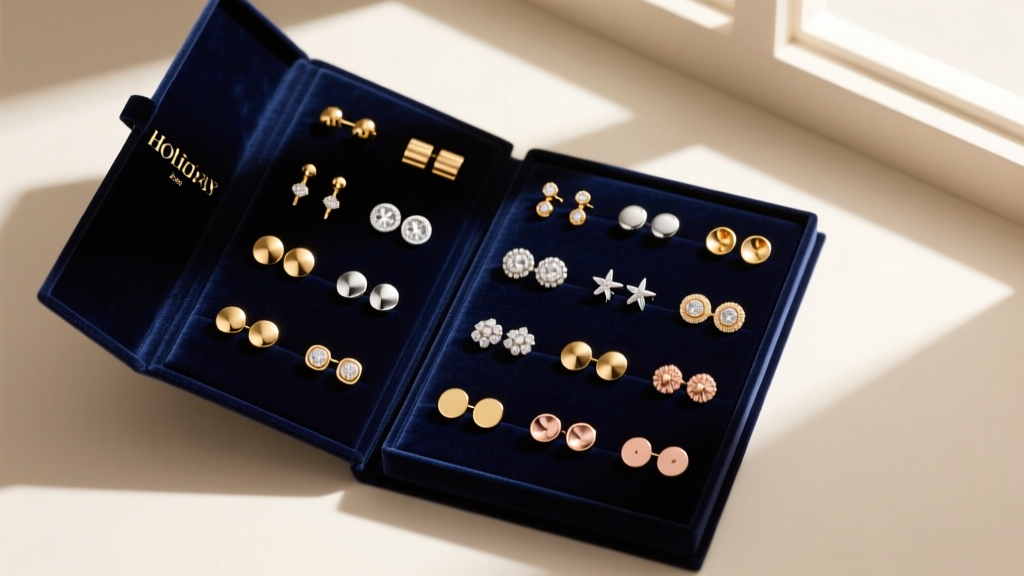
The Allure and the Alloy: What is Really in Your Holiday Calendar?
The 2026 holiday season has seen a massive surge in the popularity of the jewelry advent calendar, with the earrings advent calendar emerging as the undisputed favorite for gifting and self-care. The premise is undeniably charming: 24 days of unboxing a new pair of studs, hoops, or dangles. However, beneath the festive velvet packaging and gold-toned finishes lies a complex metallurgical reality that dermatologists and piercers have been warning about for years. As consumers become more educated about contact dermatitis and metal hypersensitivity, evaluating the material properties of these mass-produced holiday sets is no longer optional—it is essential for ear health.
Most commercial earring calendars retail between $30 and $80, meaning the cost per pair averages less than $3. At this price point, manufacturers rely heavily on base metals like brass, zinc alloy (Zamak), and low-grade stainless steel, often masked by ultra-thin electroplating. In this comprehensive guide, we dissect the exact materials used in this year's top calendars, analyze their biocompatibility, and provide a data-driven framework to help you wear your holiday haul safely.
Material Breakdown: Comparing the Metals Inside Holiday Calendars
To understand why some calendar earrings cause immediate itching while others remain comfortable, we must examine the base metal and the plating methodology. Here is what you are actually inserting into your piercings.
Zinc Alloy (Zamak) & Brass: The Budget Baseline
Approximately 65% of budget-friendly advent calendars utilize Zamak 3 (a zinc-aluminum alloy) or raw brass for their earring posts and decorative fronts. Zamak is favored for its low melting point and excellent castability, allowing for intricate holiday motifs like snowflakes and stars. However, Zamak is highly porous. To make it wearable, it must be plated. The failure mode here is galvanic corrosion: when the plating wears off and the porous base metal is exposed to the slightly acidic pH of human sweat (which contains chlorides), rapid tarnishing occurs. Furthermore, brass is an alloy of copper and zinc, but cheaper variations often contain trace amounts of nickel and lead as hardening agents, posing a severe risk for sensitized individuals.
316L Surgical Stainless Steel: The Mid-Tier Standard
Mid-range calendars (typically $50–$90) often upgrade the earring post to 316L surgical stainless steel while keeping the decorative front as alloy. 316L contains roughly 10-14% nickel. However, the nickel is tightly bound within the steel's crystal lattice structure, meaning it does not easily leach into the skin. For fully healed earlobes, 316L is generally well-tolerated. The danger arises if the calendar includes heavy dangles; the standard 20-gauge (0.8mm) posts used in these calendars can cause the 'cheese-cutter effect' in fresh or stretched piercings due to uneven weight distribution.
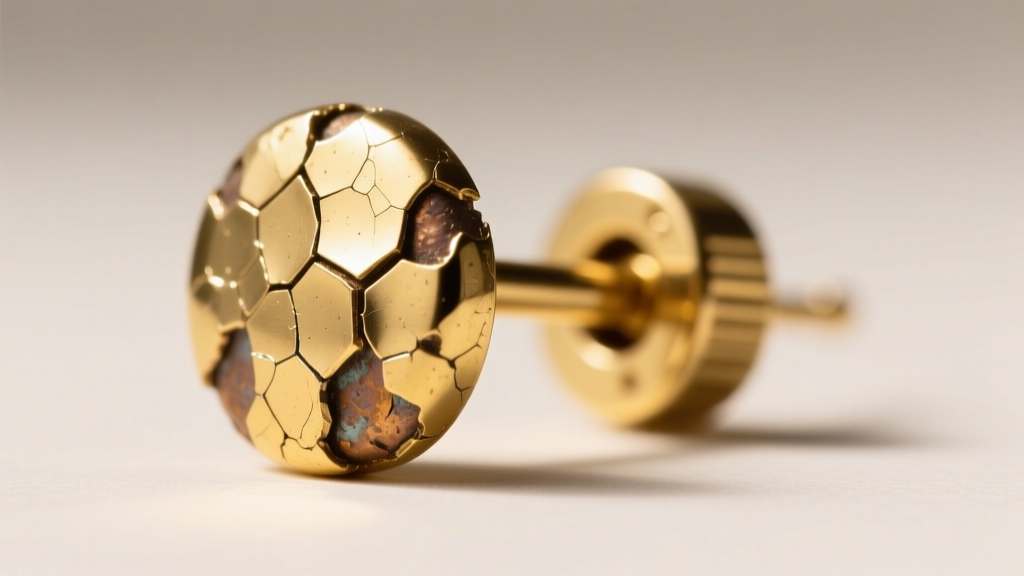
The Plating Hierarchy: Flash vs. PVD vs. Vermeil
The color of the earring is rarely solid gold; it is a surface treatment. Understanding plating thickness (measured in microns) is critical for predicting the lifespan of your advent calendar jewelry:
- Flash Plating (0.1 to 0.2 microns): The industry standard for sub-$50 calendars. It provides a brilliant initial shine but wears through to the base metal within 3 to 5 wears due to friction from hair and clothing.
- PVD (Physical Vapor Deposition): A superior 2026 manufacturing technique where titanium nitride is vaporized and bonded to the base metal in a vacuum. PVD coatings are up to 10 times more durable than traditional electroplating and are highly hypoallergenic, though rarely found in budget sets.
- Gold Vermeil (2.5+ microns over Sterling Silver): Reserved for premium, luxury advent calendars ($150+). The thick gold layer over a 925 silver base ensures longevity and significantly reduces allergic reactions.
The Nickel Factor: Regulatory Blind Spots
Nickel allergy is the most common contact allergy globally, affecting roughly 15-20% of the population, according to the American Contact Dermatitis Society. When evaluating an earrings advent calendar, geography matters as much as metallurgy.
The European Union's REACH regulation strictly limits nickel release from post-assemblies to less than 0.5 µg/cm²/week. However, the United States currently lacks a federal equivalent for nickel restriction in adult jewelry, meaning calendars manufactured for the US market may contain highly reactive base metals that would be illegal to sell in Europe.
If you are purchasing a calendar from a fast-fashion retailer, assume the nickel release rate is unregulated unless explicitly certified. For individuals with known nickel sensitivities, inserting unverified calendar posts into a piercing is a direct pathway to allergic contact dermatitis, characterized by erythema, scaling, and intense pruritus.
E-E-A-T Data Table: Material Properties & Wearability Matrix
Use this matrix to evaluate the tags and descriptions on your specific advent calendar packaging. If the manufacturer only lists 'gold-tone metal,' default to the Zamak/Brass profile.
| Material Profile | Base Metal | Typical Plating | Nickel Risk | Best Use Case | Avg Cost/Pair |
|---|---|---|---|---|---|
| Budget Alloy | Zamak 3 / Brass | Flash Gold (0.1µm) | High | Occasional wear, clipped to non-pierced ears | $1.50 - $3.00 |
| Surgical Steel Post | 316L Steel / Alloy Front | Standard (0.5µm) | Low-Medium | Fully healed standard lobe piercings | $3.00 - $5.00 |
| Sterling Silver | 925 Silver | Rhodium / Unplated | Very Low (Copper allergy risk) | Daily wear, sensitive healed lobes | $6.00 - $10.00 |
| Implant Grade Titanium | ASTM F136 Ti | PVD / Anodized | Zero | Fresh piercings, severe metal allergies | $15.00+ |
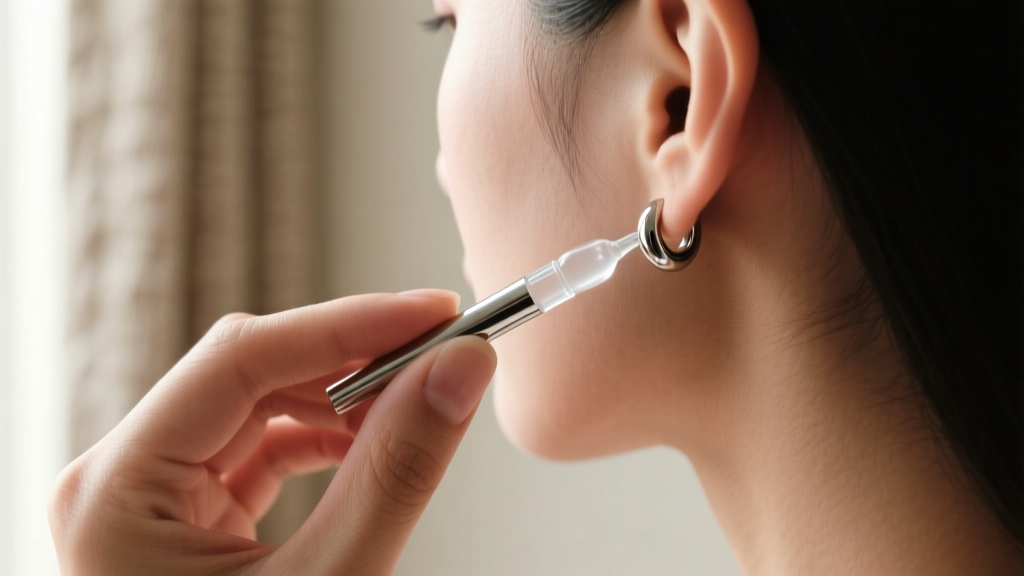
How to Hack Your Earrings Advent Calendar for Sensitive Ears
You do not need to discard a beautiful holiday calendar just because the metallurgy is suboptimal. As jewelry specialists, we recommend the following practical modifications to extend wearability and protect your piercings:
- The Polyurethane Barrier: Apply a micro-thin layer of clear, flexible polyurethane coating (often sold as 'jewelry guard') to the earring posts and butterfly backs. This creates a physical, hypoallergenic barrier between the base metal and your skin. Reapply every 4-5 wears.
- Swap the Friction Backs: Most calendars include cheap metal 'butterfly' friction backs that trap dead skin cells and moisture against the post, accelerating corrosion and bacterial growth. Discard these immediately and replace them with medical-grade silicone O-rings or flat-disc labret backs, which distribute pressure more evenly and allow the piercing channel to breathe.
- The Magnet Test: Keep a neodymium magnet on your desk. While not foolproof, highly magnetic earring posts often indicate high iron content and lower nickel content (like some ferritic steels), whereas non-magnetic posts that still cause itching are likely high-nickel austenitic steels (like poor-grade 304 stainless) or copper-nickel alloys.
- Limit Wear Time: Treat alloy and flash-plated earrings as 'event jewelry.' Insert them for a 4-hour holiday party, then remove them, wipe the posts with an alcohol swab to remove skin acids, and store them in an anti-tarnish ziplock bag. Never sleep in them, as the friction against your pillow will strip the 0.1-micron flash plating overnight.
Final Verdict: Are Holiday Calendars Worth the Hype?
The 2026 earrings advent calendar remains a fantastic vehicle for discovering new silhouettes, experimenting with bold holiday aesthetics, and enjoying the daily dopamine hit of unboxing. From a stylistic perspective, they are unmatched. However, from a material science perspective, they are overwhelmingly designed for short-term, aesthetic use rather than long-term biocompatibility.
By understanding the difference between a 316L post and a Zamak casting, and by recognizing the limitations of flash plating, you can curate your daily selections intelligently. Reserve the titanium and sterling silver pieces for your daily rotation, use the surgical steel pairs for your weekend outings, and deploy the budget alloys strictly for your holiday party photos. For more information on safe metal standards, refer to the European Chemicals Agency (ECHA) guidelines on REACH compliance. Armed with this metallurgical knowledge, you can enjoy your holiday countdown without the post-holiday dermatological dread.


