A Collector's Guide to Buying 12mm Pearl Earrings
Discover what to look for when buying 12mm pearl earrings. Expert advice on pearl origins, nacre thickness, heavy-duty hardware, and 2026 pricing tiers.

The 12mm Threshold: Why Pearl Origin Matters
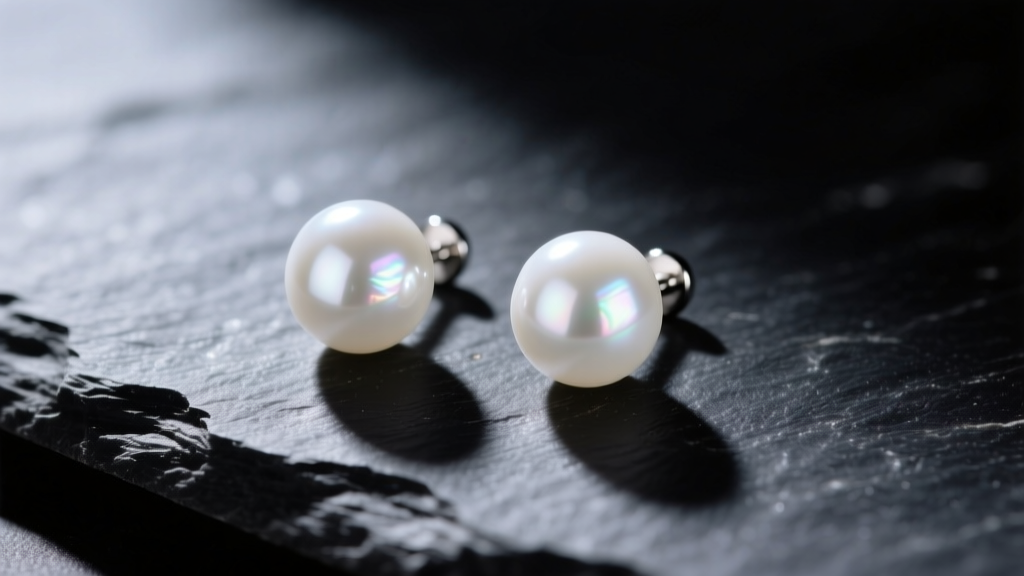
When shopping for statement jewelry, 12mm pearl earrings occupy a unique tier of luxury. At this substantial diameter, the pearl transitions from a subtle everyday accessory to a bold, red-carpet-ready focal point. However, the 12mm mark is also where misinformation runs rampant in the jewelry market. Understanding the biological limitations of pearl-producing oysters is your first line of defense against overpaying or purchasing mislabeled gems.
The most critical rule to remember is that genuine Akoya pearls do not exist in 12mm sizes. The Akoya oyster (Pinctada fucata martensii) is relatively small and typically maxes out at 9.0mm to 9.5mm. If a retailer attempts to sell you '12mm Akoya studs,' you are either looking at a mislabeled nucleated freshwater pearl or an outright scam. According to the Gemological Institute of America (GIA), true 12mm pearls are almost exclusively sourced from three origins: White or Golden South Sea pearls, Tahitian black pearls, and modern bead-nucleated freshwater pearls (often branded as Edison pearls).
South Sea pearls, cultivated in the massive Pinctada maxima oyster, are the traditional standard for large, luxurious pearls. Tahitian pearls, from the Pinctada margaritifera oyster, offer dark, exotic overtones. Meanwhile, advanced nucleation techniques in Chinese freshwater farming have recently flooded the market with 12mm round freshwater pearls that mimic the look of South Sea gems at a fraction of the cost. Knowing which origin you are purchasing dictates the baseline price and the specific visual characteristics you should demand.
Decoding the Value Factors for Large Pearls
Evaluating a 12mm pearl requires a different lens than evaluating smaller gems. Because the surface area is significantly larger, flaws, variations in nacre thickness, and luster inconsistencies become magnified. Here is how to grade the quality of your 12mm earrings based on industry standards.
Luster and Nacre Thickness
Luster is the soul of a pearl. At 12mm, you want a 'mirror-like' or 'excellent' luster grade, meaning you can clearly see your own reflection on the pearl's surface with sharp, unblurred edges. However, high luster is entirely dependent on nacre thickness. South Sea and Tahitian pearls are bead-nucleated, meaning a mother-of-pearl shell bead is inserted into the oyster, and nacre layers form over it.
For a 12mm South Sea pearl, the nacre thickness should ideally exceed 1.5mm. If the nacre is too thin (under 0.8mm), the pearl will exhibit a dull, chalky appearance over time and is prone to peeling. Tahitian pearls have a strict legal export minimum of 0.8mm nacre thickness enforced by French Polynesia, but premium 12mm specimens will boast 1.2mm to 2.0mm of nacre, resulting in deep, glowing overtones like peacock green or aubergine. The American Gem Society (AGS) emphasizes that thick nacre is non-negotiable for heirloom-quality large pearls.
Surface Quality and Shape Tolerances
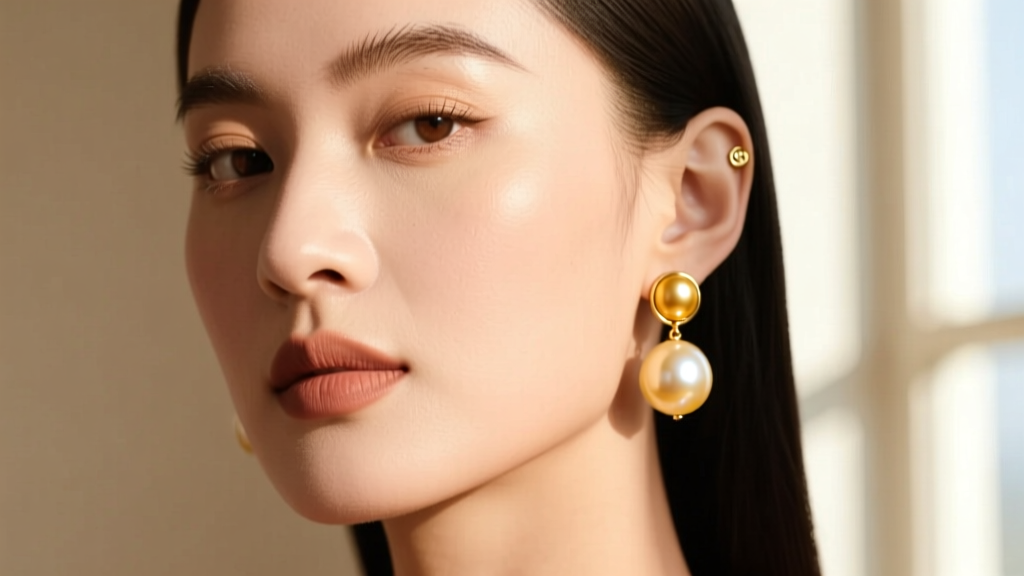
Finding a perfectly round, 100% clean 12mm pearl is exceptionally rare and commands a massive premium. The industry accepts minor surface blemishes, provided they do not compromise the structural integrity of the gem. Look for 'eye-clean' pearls, meaning no visible spots, pits, or wrinkles from a distance of 12 inches. When evaluating shape, true rounds should have a variance of less than 2% in diameter. If the pearl is slightly off-round (oval or drop-shaped), it should be priced 20% to 40% lower than a perfectly matched round pair, assuming equal luster and surface quality.
Hardware Engineering: Supporting a Heavy Gem
One of the most frequently overlooked aspects of buying large pearl earrings is the hardware. A single 12mm pearl weighs between 2.5 and 3.5 grams. When you add the weight of the metal setting, each earring can easily exceed 4 grams. Standard 20-gauge earring posts with lightweight butterfly friction backs are entirely inadequate for this weight. They will bend under the stress, causing the heavy pearl to droop forward against the earlobe, completely ruining the visual profile of the earring.
To ensure your 12mm pearl earrings sit flush and upright against the ear, you must demand specialized hardware. The post should be a minimum of 18-gauge (1.0mm thick), though 16-gauge (1.2mm) is preferred for maximum rigidity. Furthermore, the backing mechanism must provide substantial surface area against the back of the earlobe to distribute the weight.
| Backing Type | Post Gauge | Support Level for 12mm Pearls | Best Use Case |
|---|---|---|---|
| La Pousette (Locking) | 18G or 16G | Excellent | High-value South Sea/Tahitian studs; prevents loss and drooping. |
| Screw Back | 18G | Very Good | Secure daily wear; requires threaded posts which adds manufacturing cost. |
| Omega Clip / Hinge | 16G | Excellent | Non-pierced or heavy drop styles; wide surface area prevents lobe tearing. |
| Standard Butterfly | 20G | Poor (Avoid) | Too weak; will bend and cause the 12mm pearl to droop severely. |
Market Pricing: What You Should Actually Pay in 2026
Pricing for 12mm pearl earrings varies wildly based on origin, luster, and matching. Because pairing two identical 12mm pearls is difficult, matched pairs carry a 'matching premium' of 15% to 30% over the cost of two individual loose pearls. Below is a realistic pricing framework for AAA-grade, well-matched 12mm stud earrings in 18k gold settings.
- Bead-Nucleated Freshwater (Edison): $250 – $600. These offer incredible luster and roundness but lack the deep nacre complexity of saltwater pearls. They are the best budget-friendly option for large statement studs.
- Tahitian Black Pearls: $900 – $2,800. Price scales heavily based on overtone rarity. A standard gray 12mm pair sits at the lower end, while matched pairs with intense 'peacock' or 'pistachio' overtones command top dollar.
- White South Sea Pearls: $1,500 – $4,500+. The classic luxury choice. Silver or rose overtones are most desirable. Ensure the pearls have a deep, satiny luster rather than a flat, chalky white appearance.
- Golden South Sea Pearls: $1,800 – $5,500+. Deep, unbleached 24k gold hues are the most expensive. Beware of dyed golden pearls; always request a gemological report verifying natural color for stones in this price bracket.
Final Verification Checklist Before Checkout
Before finalizing your purchase of 12mm pearl earrings, run through this expert verification checklist to ensure you are receiving a high-quality, structurally sound piece of jewelry:
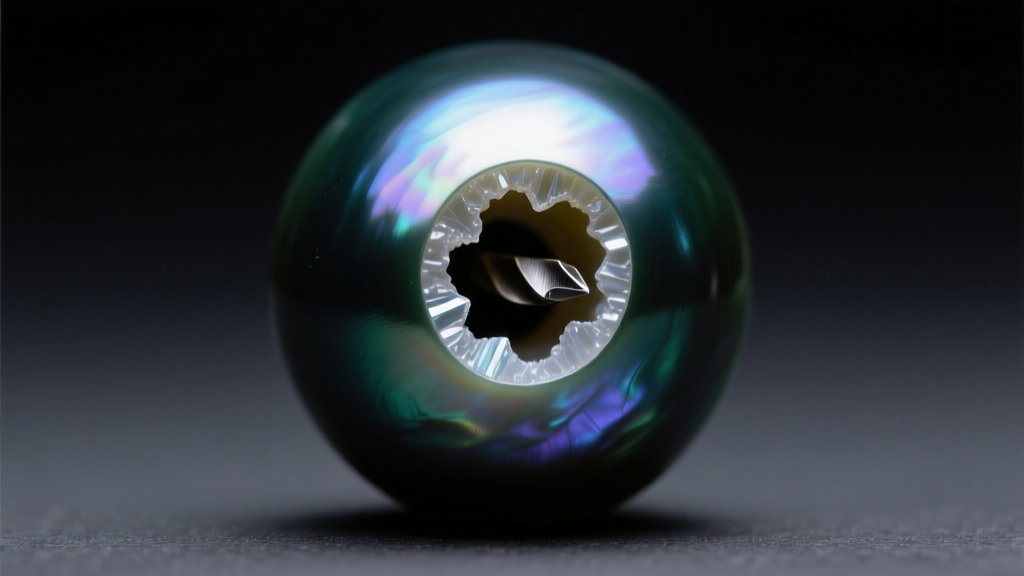
- Inspect the Drill Hole: Use a jeweler's loupe to look inside the drill hole. The hole should be clean, measuring no more than 0.8mm to 1.0mm in diameter. Large, jagged holes indicate poor manufacturing and can lead to nacre chipping. Furthermore, the hole should reveal solid nacre layers, not a plastic or glass bead core (a common trick in ultra-cheap fakes).
- Verify the Post Thickness: Confirm with the jeweler that the posts are at least 18-gauge. If they are using flimsy 20-gauge wire, ask if they can upgrade the setting to a heavier 16-gauge custom post.
- Check for Color Treatments: Especially relevant for Tahitian and Golden South Sea pearls. Ask explicitly if the pearls have been subjected to irradiation, dyeing, or 'pinking' (a common treatment for white pearls to mimic Akoya rose overtones). Natural, untreated colors are always preferred for investment-grade 12mm gems.
- Demand a Matching Guarantee: Ensure the retailer offers a return policy specifically covering 'poor matching.' Even if both pearls are individually flawless, a mismatch in overtone or luster between the left and right earring will make the pair look unbalanced.
Expert Insight: When investing in 12mm pearl earrings, always prioritize luster over perfect roundness. A slightly off-round 12mm South Sea pearl with mirror-like luster will look infinitely more beautiful on the ear than a perfectly round, chalky pearl with thin nacre. The luster is what catches the light from across the room, while minor shape deviations are virtually undetectable when worn.


