How to Buy Big Heart Earrings: Weight, Metals & Fit Guide
Discover what to look for when buying big heart earrings. Learn about weight limits, metal grades, backings, and face shape proportions.

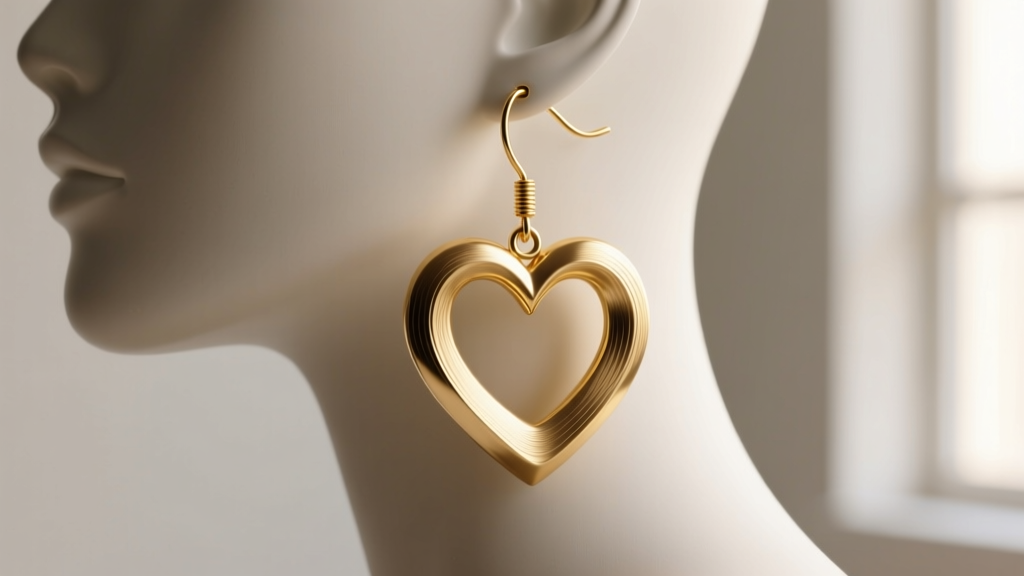
Big heart earrings have transcended fleeting trends to become a permanent staple in statement jewelry wardrobes. As we navigate the 2026 jewelry landscape, the demand for oversized, sculptural motifs continues to dominate runways and street style alike. However, buying large-scale jewelry requires a deeper understanding of ergonomics, metallurgy, and structural integrity than purchasing standard studs. A poorly constructed oversized heart can lead to lobe fatigue, allergic reactions, or warped metal. This comprehensive buying guide breaks down the exact specifications, material grades, and hardware requirements you need to evaluate before investing in big heart earrings.
The Physics of Statement Jewelry: Weight vs. Comfort
The most critical factor when purchasing big heart earrings is weight distribution. The human earlobe is composed of soft tissue and lacks cartilage, making it highly susceptible to stretching and downward pull. A standard ear piercing comfortably supports up to 10-15 grams of weight for extended wear. Once an earring exceeds 18 grams, the lobe begins to experience fatigue, leading to discomfort and potential long-term stretching of the piercing fistula.
Understanding Gram Weight in Oversized Motifs
- Lightweight (Under 10g): Ideal for all-day wear. Typically achieved through hollow construction or thin-gauge stamped metals.
- Mid-Weight (10g - 18g): Suitable for 4-6 hours of wear. Requires supportive backings to prevent drooping.
- Heavyweight (Over 20g): Strictly for short-term, editorial, or red-carpet wear. Requires silicone support discs or specialized lobe patches to distribute the load.
Expert Tip: Always check the product specifications for gram weight. If a retailer does not list the weight of a large statement earring, consider it a red flag regarding their quality control and transparency.
Construction Techniques: Solid Cast vs. Electroformed
To achieve a large silhouette without the punishing weight of solid metal, jewelers rely on specific manufacturing techniques. Understanding these will help you decipher why two visually identical big heart earrings might have drastically different prices and comfort levels.
Solid Cast: Molten metal is poured into a mold. While durable and heavy, a solid 2-inch brass or silver heart can easily exceed 25 grams. These are best reserved for smaller, chunky huggie styles rather than long drops.
Electroforming: This is the gold standard for oversized fine jewelry. A wax or resin model is coated in a conductive paint and submerged in an electrolyte bath, where gold or silver is deposited layer by layer. The core is later melted or dissolved away, leaving a hollow, incredibly lightweight metal shell. Electroformed big heart earrings offer massive visual impact while often weighing under 8 grams.
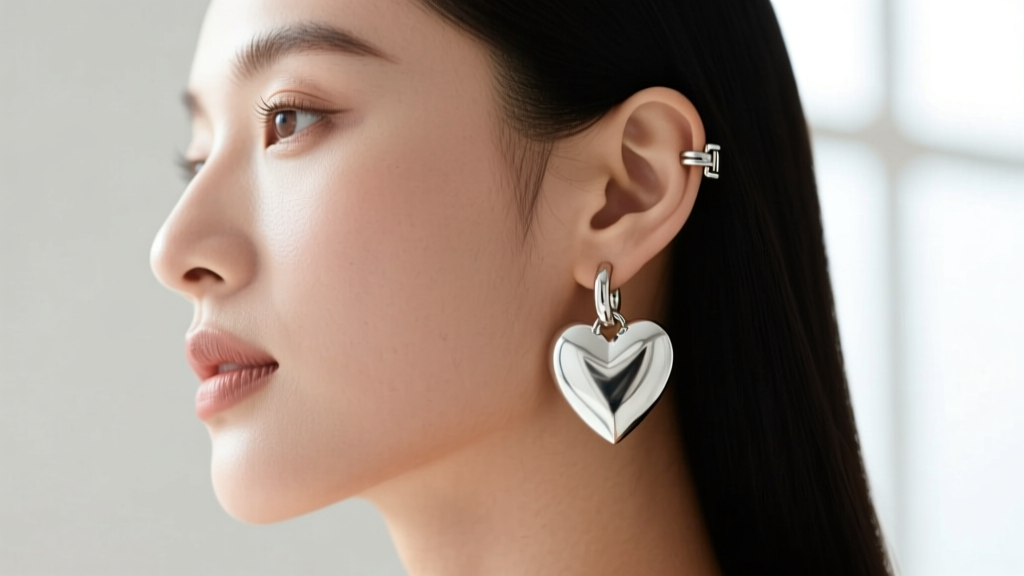
Material Grades & Skin Sensitivity
Because big heart earrings cover a larger surface area, they trap more heat and moisture against the skin, increasing the risk of irritation. According to the Mayo Clinic, nickel is the most common culprit for contact dermatitis in jewelry. Cheap, mass-market statement earrings often use nickel-heavy base alloys to keep costs down.
What to Look For on the Label
- 14k Gold Vermeil: Ensure the piece meets FTC guidelines, meaning it has a sterling silver base and a gold layer of at least 2.5 microns thick. Anything less is simple gold plating and will wear off quickly on large friction areas.
- 316L Surgical Steel: An excellent, budget-friendly alternative for large fashion pieces. It is highly resistant to tarnish and generally safe for sensitive skin.
- Enamel over Brass: If the heart is enameled, ensure the post and the back of the earring (the part touching your skin) are plated in rhodium or gold to prevent the brass from oxidizing and turning your skin green.
The Hardware Matrix: Gauges and Backings
The hardware connecting the heart to your ear is the unsung hero of statement jewelry. Standard butterfly clutches and thin wires will fail under the pendulum effect of a heavy heart motif.
Wire Gauge Thickness
For heavy drop earrings, the wire or post must be thick enough to resist bending. Standard earrings use 20-gauge (0.81mm) wire. For big heart earrings, look for 18-gauge (1.02mm) or even 16-gauge (1.29mm) French hooks or leverbacks. This added thickness prevents the metal from warping under the heart's swinging weight.
Supportive Backings
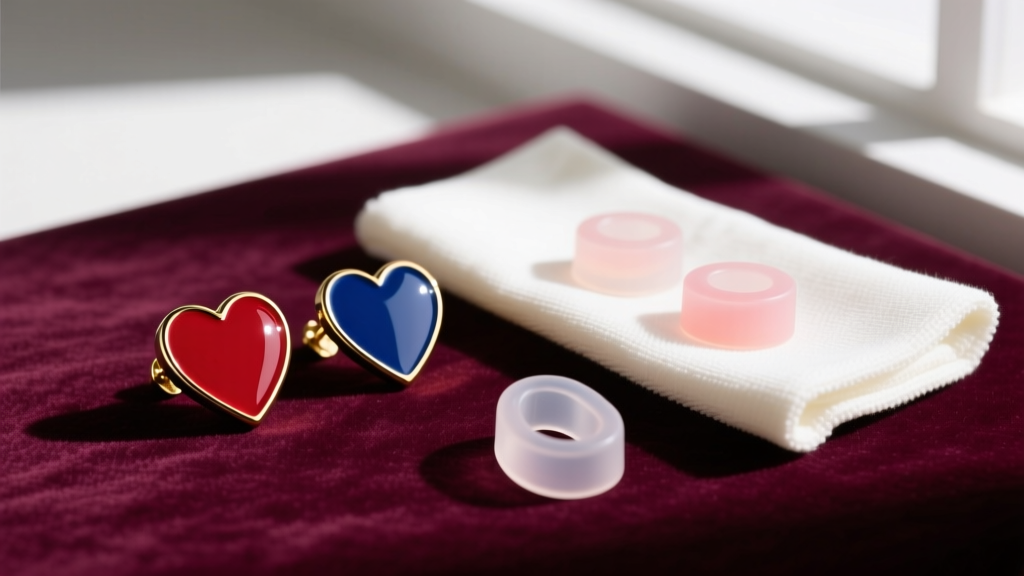
Ditch the standard push-back clutch. For heavy studs or drops, invest in La Pousette clutches (which use a mechanical locking mechanism) or wide silicone support discs. These discs act as a shock absorber, spreading the weight of the earring across a wider surface area of the lobe to prevent the "droop" effect.
Face Shape & Proportion Matrix
Not all big heart earrings suit every face shape. The geometry of the heart—whether it is wide and rounded or elongated and sharp—can dramatically alter your facial proportions. Use this matrix to find your ideal silhouette.
| Face Shape | Ideal Heart Silhouette | Recommended Style | Styles to Avoid |
|---|---|---|---|
| Round | Elongated, sharp bottom point | Long heart drop earrings with a V-shaped taper | Wide, chunky heart studs that add horizontal width |
| Oval | Any proportion | Oversized heart hoops or geometric heart cuffs | N/A (Oval faces are highly versatile) |
| Square | Soft, rounded lobes | Curved heart huggies or rounded resin heart drops | Angular, sharp-edged geometric hearts |
| Heart | Bottom-heavy, wider base | Inverted heart motifs or teardrop-heart hybrids | Top-heavy wide hearts that emphasize a narrow chin |
2026 Pricing Tiers & Brand Benchmarks
When shopping for big heart earrings, pricing is a strong indicator of the manufacturing technique and material longevity. Here is what you should expect to pay in the current market:
- Fast Fashion ($15 - $35): Typically solid cast brass or zinc alloys. These will be heavy (20g+), prone to tarnishing, and require careful monitoring for skin irritation.
- Mid-Tier Contemporary ($60 - $140): The sweet spot for electroformed hollow gold vermeil or enameled sterling silver. You get the oversized look with a lightweight, comfortable wear.
- Fine Jewelry ($350+): Solid 14k or 18k gold, often utilizing advanced hollow-core techniques or featuring pavé diamond accents. These are heirloom-quality pieces that will not tarnish or degrade.
Care, Storage, and Warping Prevention
Because large heart earrings have a broad surface area, they are uniquely vulnerable to bending and scratching. Never toss them into a communal jewelry box where they can be crushed by heavier items.
Store your big heart earrings flat in individual microfiber pouches. If the earring features a hollow electroformed construction, avoid pressing down on the metal, as the thin shell can dent permanently. For enameled pieces, keep them away from prolonged UV exposure and harsh perfumes, which can cause the colored resin to yellow or crack over time. By understanding the interplay of weight, material, and hardware, you can confidently invest in statement heart earrings that are as comfortable as they are captivating.


