Expert Guide to Buying Long Beaded Earrings (2026)
Discover what to look for when buying long beaded earrings. Our 2026 guide covers wire gauges, bead materials, weight limits, and face-shape styling.

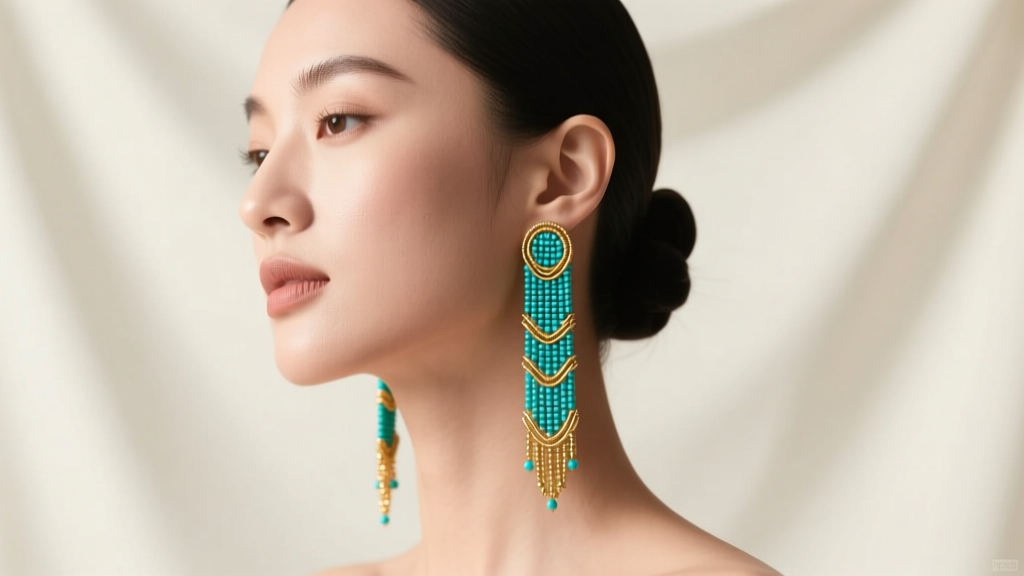
The Anatomy of High-Quality Long Beaded Earrings
When shopping for long beaded earrings in 2026, the market is flooded with mass-produced drops that prioritize visual impact over structural integrity. As a jewelry specialist, I frequently see clients dealing with stretched lobes, broken stringing wires, and allergic reactions from mystery metals. Long beaded earrings—whether they are linear seed bead drops, chandelier-style gemstone dangles, or artisan lampwork glass statements—require a precise balance of engineering and aesthetics. This comprehensive buying guide dissects the exact specifications you need to look for to ensure your earrings are durable, comfortable, and crafted to last.
Wire Gauge and Finding Types
The ear wire is the single most critical point of failure on any long dangle earring. The pendulum effect of a long beaded drop creates kinetic stress every time you move your head. For long beaded earrings, you must look for 20-gauge (0.81mm) ear wires. Many commercial brands use 22-gauge (0.64mm) wire to save on metal costs, but this thinner gauge will warp, bend, and eventually snap under the continuous swinging weight of beaded drops. Furthermore, the material of the wire matters immensely. If you have sensitive skin, seek out Rio Grande Earring Findings that specify pure niobium, implant-grade titanium (ASTM F136), or 14k gold-filled (1/20 14k) wires. Avoid 'silver-plated' or 'Tibetan silver' hooks, as the base metals often contain high levels of nickel and lead, which can cause severe contact dermatitis on the delicate skin behind the ear.
Stringing Materials: Beading Wire vs. Silk Thread
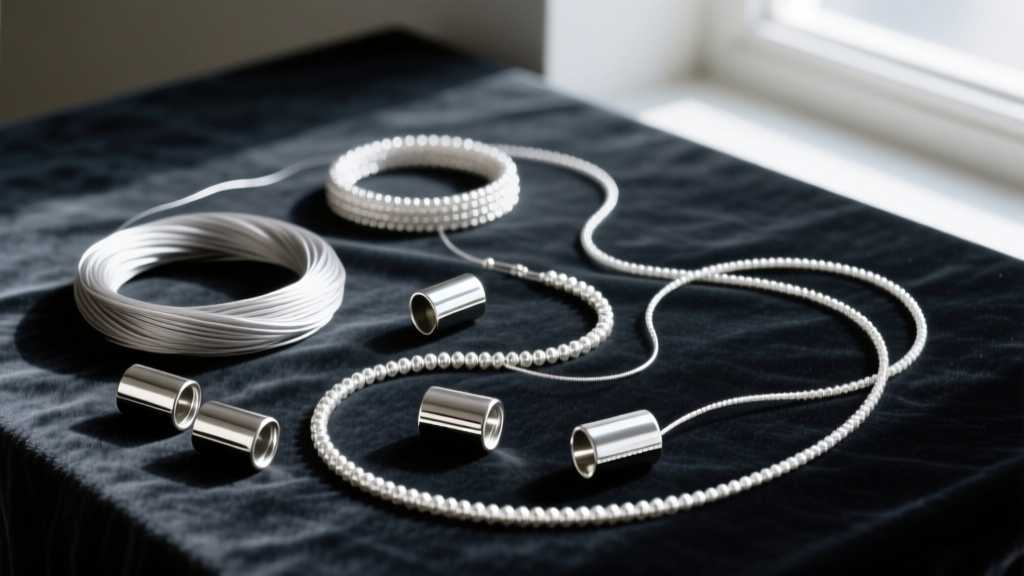
How the beads are strung dictates the lifespan of the earring. For heavy gemstone or glass beads, the industry standard is a 49-strand stainless steel micro-wire coated in nylon, commonly known by the brand name Soft Flex. You should look for a diameter of 0.018-inch or 0.024-inch for long drops. The beads should be secured with sterling silver or gold-filled crimp tubes that are properly flattened and folded using a micro-crimping tool. If the earrings are strung on silk thread (common with pearls or lightweight seed beads), inspect the top loop where the thread meets the metal ear wire. High-end artisan pieces will use French wire (bullion)—a tiny coil of fine metal wire that wraps around the silk loop to prevent the metal ear hook from sawing through the thread over time.
Bead Material Breakdown: Weight, Durability, and Cost
The choice of bead material drastically alters the drape, weight, and price point of long beaded earrings. According to the GIA Gem Encyclopedia, understanding gemstone treatments and material densities is crucial for making an informed purchase. Below is a structural comparison of the most common bead materials used in long dangle earrings.
| Bead Material | Average Weight (per inch) | Durability | Price Range |
|---|---|---|---|
| Seed Glass (Miyuki/Toho) | 1.2g | High (Shatter resistant) | $15 - $45 |
| Lampwork Glass | 8.5g | Medium (Fragile to impact) | $40 - $120 |
| Semi-Precious Stone | 6.0g | High (Scratch resistant) | $30 - $150 |
| Resin / Acrylic | 0.8g | Medium (Prone to scratching) | $10 - $35 |
| Hollow Metal Beads | 2.5g | Low (Dents easily) | $25 - $60 |
When buying semi-precious stone beads, be highly skeptical of perfectly uniform, vividly colored stones at low price points. Dyed howlite is frequently sold as turquoise, and dyed quartz is passed off as jade or emerald. Genuine high-grade gemstone beads will feature natural matrix inclusions, slight color zoning, and a higher price tag reflecting the lapidary labor required to cut and drill them.
Ergonomics: Managing Weight and Lobe Stress
Long beaded earrings are notorious for causing earlobe fatigue and, over time, permanent stretching of the piercing fistula. Understanding the ergonomics of earring weight is essential for daily wearability.
The 15-Gram Rule for Daily Wear
The human earlobe can comfortably support static weights up to about 15 grams per earring for an 8-hour day. However, long beaded earrings are rarely static. Walking, turning your head, and wind create a pendulum effect that multiplies the downward force on the piercing. A 15-gram earring can exert over 30 grams of dynamic force on the lobe. If you are purchasing long beaded earrings that exceed 12 grams, you must ensure they are designed with weight-distribution features.
Supportive Findings for Heavy Drops
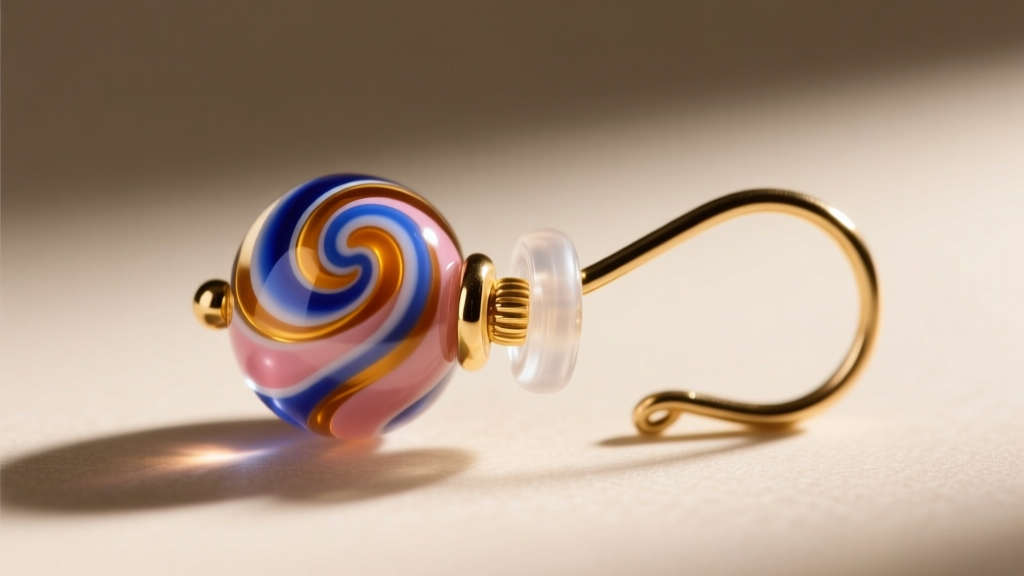
If you are investing in heavy lampwork glass or dense gemstone drops, avoid standard fishhook wires. Instead, look for leverback findings with a locking clasp paired with a clear silicone O-ring (clutch) that grips the post and rests against the back of the earlobe. This transfers some of the downward pull to the cartilage and back of the ear, rather than concentrating it entirely on the piercing hole. For extremely heavy chandelier styles, seek out designs that incorporate an 'ear jacket' or a secondary post that hugs the upper lobe to distribute the load.
Styling Long Beaded Earrings for Your Face Shape
Beyond the technical construction, long beaded earrings are a powerful tool for balancing facial proportions. The visual weight and linear direction of the beads can dramatically alter how your face shape is perceived.
- Round Faces: Opt for long, linear seed bead drops or single-column gemstone dangles that fall below the jawline. The vertical lines elongate the face and draw the eye downward, creating a slimming illusion. Avoid wide, clustered chandelier beads that add horizontal volume.
- Square Faces: Choose long beaded earrings with soft, rounded beads (like pearls or polished cabochon gemstones) that end just below the chin. The curves of the beads soften a strong jawline, while the length elongates the face.
- Long/Oval Faces: You can pull off wider, multi-strand beaded chandeliers or tassel-style drops that add horizontal width at the cheekbone level. Avoid excessively long, needle-thin drops that will over-elongate your features.
- Heart-Shaped Faces: Look for teardrop-shaped lampwork beads or bottom-heavy gemstone clusters. The added visual weight at the bottom of the earring balances a narrower chin and wider forehead.
Red Flags: What to Avoid When Shopping
When evaluating long beaded earrings online or in-store, walk away if you spot any of these critical manufacturing flaws:
- Sharp Crimp Edges: Run your fingernail over the metal crimp beads securing the wire. If they feel sharp or jagged, they will eventually slice through the nylon coating of the beading wire, causing the earring to disassemble and lose beads.
- Glue on Knots: If the beads are strung on silk thread, the knots should be tight and flush against the bead. If you see cloudy residue or stiff spots, the maker has used cyanoacrylate (Super Glue) instead of proper jeweler's knot sealer, which degrades silk fibers over time.
- Mismatched Metals: If the ear wire is stamped '14k' but the headpins and crimp covers are magnetic or show signs of brass oxidation, the piece is a frankenstein assembly that will tarnish unevenly and potentially cause allergic reactions.
Final Verdict: Investing in Artisan Beaded Drops
Buying long beaded earrings is an exercise in balancing artistry with structural engineering. By prioritizing 20-gauge hypoallergenic wires, 49-strand beading cables, and ethically sourced, untreated gemstones, you ensure your jewelry remains a staple in your wardrobe for decades. Whether you are selecting delicate seed bead fringes for a summer wedding or heavy, architectural gemstone drops for daily office wear, demanding these technical specifications will separate fine jewelry from disposable fast fashion.


