The Ultimate Guide to Buying Vintage Miriam Haskell Clip Earrings
Discover what to look for when buying vintage Miriam Haskell clip earrings. Learn authentication tips, pricing tiers, and how to spot fakes.

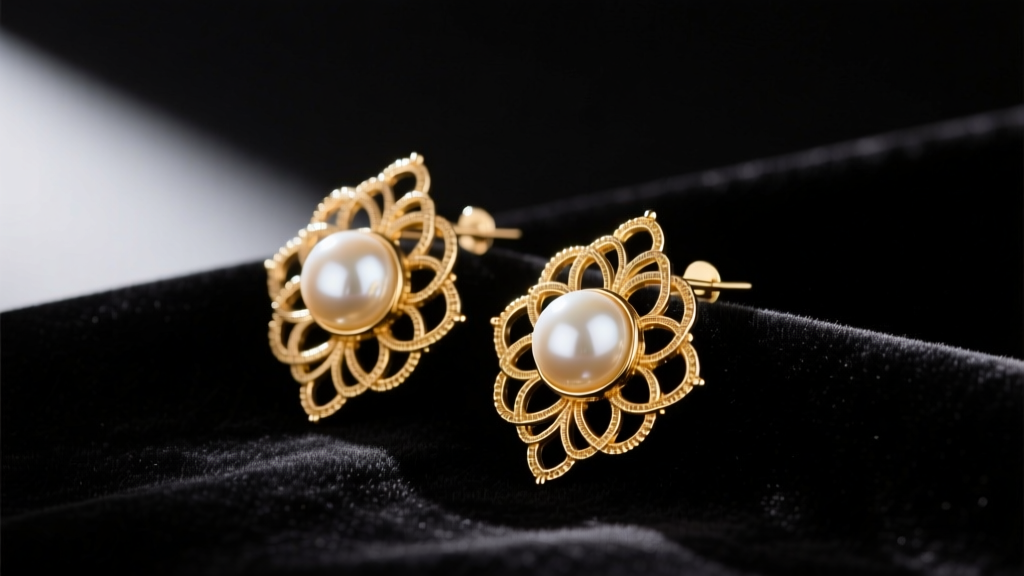
The Legacy of Miriam Haskell Clip-Ons
When it comes to vintage costume jewelry, few names command the reverence and collector demand of Miriam Haskell. Founded in 1926, the brand revolutionized American fashion jewelry by treating costume pieces with the same meticulous craftsmanship as fine jewelry. For collectors and enthusiasts, finding authentic miriam haskell clip earrings is a thrilling pursuit that requires a keen eye for detail, an understanding of mid-century construction techniques, and a solid grasp of market valuations.
During the 1930s through the 1960s, ear piercing was largely out of fashion in the United States. As a result, the clip-on earring became the dominant silhouette. Miriam Haskell, alongside her lead designer Frank Hess, capitalized on this by engineering clip-on earrings that were not only visually stunning but structurally sound. Unlike many contemporary manufacturers that relied on heavy stamping and glue, Haskell pieces were predominantly hand-wired, resulting in lightweight, intricate, and highly durable wearable art.
Key Materials and Construction Techniques
To accurately evaluate Miriam Haskell clip earrings, you must first understand the proprietary materials and techniques that define the brand. The absence of these specific traits is often the first indicator of a reproduction or a counterfeit piece.
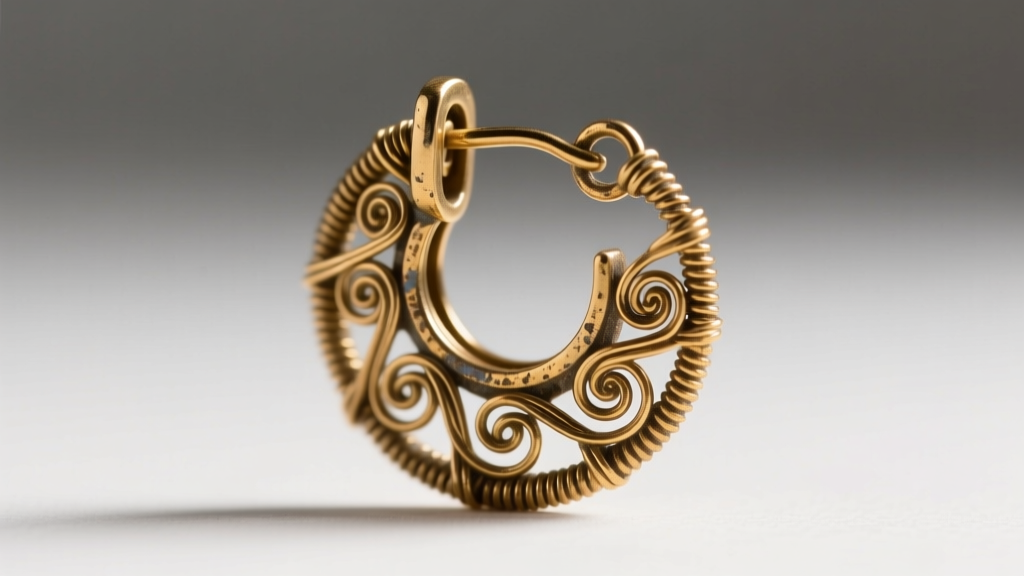
Russian Gold Plate
The hallmark of vintage Haskell jewelry is its 'Russian Gold' finish. This is not actual gold from Russia, but rather a specific, closely guarded plating formula developed in the 1920s. It consists of a copper and zinc alloy base plated with a mixture that includes real gold. The result is a distinct, soft, matte-yellow hue that resists tarnishing far better than standard brass or modern gold electroplate. Over decades, Russian gold develops a highly desirable, warm patina rather than the harsh, dark oxidation seen on lesser metals.
Faux Baroque Pearls and Glass Beads
Haskell sourced the finest imitation stones available globally. Early pieces frequently featured glass beads from Gablonz (a renowned glassmaking region in Czechoslovakia) and Venetian glass. The brand's faux baroque pearls are particularly legendary. Early iterations were coated using essence d'orient, a pearlescent solution derived from guanine (fish scales), which gave the beads an incredibly realistic, deep luster. Later decades saw a shift to high-quality synthetic pearl coatings, but the irregular, baroque shapes remained a staple.
Hand-Wired Assembly
Turn a suspected Haskell earring over. If you see globs of jeweler's glue holding stones in place, walk away. Authentic mid-century Haskell earrings are hand-wired. Artisans used incredibly fine brass or copper wire to lash beads, pearls, and filigree components together. This wirework is a primary authentication metric; it should look meticulous, tight, and purposeful.
How to Authenticate Miriam Haskell Earrings
Authentication is the most critical step when buying vintage Miriam Haskell clip earrings. The brand's marking practices evolved significantly over the decades, making a timeline approach essential for buyers.
| Era | Typical Markings | Authentication Notes |
|---|---|---|
| 1926 - 1940s | Unmarked / Paper Hang Tags | Early pieces rarely have metal stamps. Authentication relies on provenance, specific Russian gold tone, and hand-wired construction. |
| 1948 - 1950s | 'Miriam Haskell' in Horseshoe | A distinct horseshoe-shaped plaque soldered to the reverse, engraved with the full brand name. |
| 1960s - 1970s | 'HASKELL' Stamp | The word HASKELL stamped directly into the metal filigree or onto the clip mechanism itself. |
| 1980s - Present | 'Miriam Haskell' + © | Modern and late-vintage pieces feature the full name with a copyright symbol, often on a rectangular plaque. |
For a deeper dive into the evolution of these signatures, collectors frequently consult Invaluable's Miriam Haskell Guide, which provides excellent visual references for these obscure hallmarks.
Common Condition Issues and Failure Modes
Vintage costume jewelry is inherently fragile. When evaluating Miriam Haskell clip earrings, you must inspect them for specific failure modes that drastically affect both wearability and resale value.
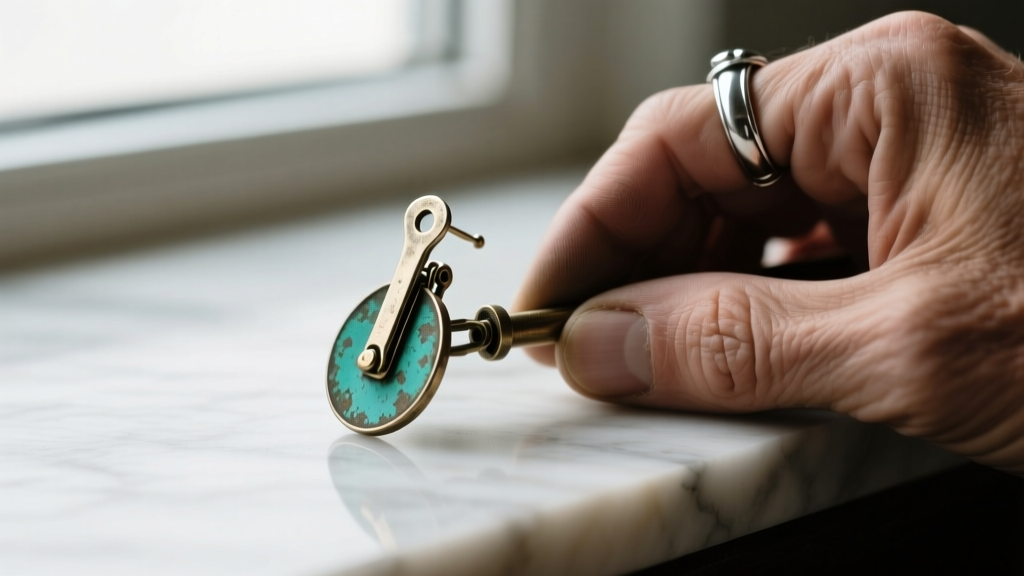
Pearl Peeling and Essence d'Orient Flaking
The most common and devastating condition issue is 'pearl peeling.' Because early faux pearls were coated with organic materials or thin layers of synthetic lacquer, exposure to moisture, perfume, and natural skin oils over decades can cause the coating to flake away, revealing the plain glass bead underneath. Pro Tip: Never attempt to clean Haskell pearls with liquid jewelry dips or ultrasonic cleaners; use only a barely damp, ultra-soft microfiber cloth.
Wire Fatigue and Filigree Bending
While hand-wiring is a sign of authenticity, brass wire subjected to decades of pressure can suffer from metal fatigue. Inspect the reverse side of the earring. If the structural wires holding the heavy glass stones are bent or slightly separated from the base plate, the piece is at high risk of losing stones during wear. Do not attempt to bend the wires back into place yourself; Russian gold plate can crack if manipulated cold, and the wire may snap entirely.
Clip Tension Loss
Mid-century Haskell earrings typically utilized 'paddle-back' clips or early spring-hinge mechanisms. Over time, the springs lose their tension, resulting in earrings that slide off the lobe. A professional vintage jeweler can often re-tension the spring or carefully tighten the paddle clip, but this should be factored into your purchasing budget.
Pricing Guide and Market Value Tiers
The market for Miriam Haskell clip earrings varies wildly based on era, complexity, and condition. According to market data aggregated by platforms like Ruby Lane's Miriam Haskell directory, pricing generally falls into the following tiers:
- Tier 1: Museum Quality / Early Unmarked (1930s-1940s) - $250 to $600+. These are highly complex, multi-layered chandelier or chandelier-style clip-ons with verified provenance and pristine Russian gold and pearls.
- Tier 2: Classic Marked Vintage (1950s-1960s) - $120 to $250. Standard, highly recognizable pieces featuring the horseshoe or HASKELL stamp, in excellent condition with minor, acceptable patina.
- Tier 3: Later Vintage / Simple Designs (1970s-1980s) - $60 to $120. Smaller button clips, simple hoops, or less intricate wirework from the later years of the original family ownership.
- Tier 4: Damaged / 'For Parts' - $20 to $45. Pieces with severe pearl peeling, missing stones, or broken clip mechanisms. These are typically bought by jewelers to harvest the Russian gold filigree and intact glass beads for restorations.
Where to Buy and Final Sourcing Tips
Sourcing authentic Miriam Haskell clip earrings requires moving beyond standard fast-fashion retailers and diving into specialized vintage markets. Estate sales remain the most lucrative hunting ground for underpriced, unmarked 1940s pieces, though they require a high degree of on-the-spot authentication skill.
For online purchasing, vetted vintage platforms like 1stDibs, Ruby Lane, and specialized Etsy sellers offer buyer protections and detailed photography. Always request high-resolution macro photos of the reverse side to inspect the wirework and the clip mechanism. If a seller cannot provide clear images of the back of the earrings, consider it a major red flag.
Collecting Miriam Haskell is not just about acquiring jewelry; it is about preserving mid-century American craftsmanship. Every hand-wired pearl and stamped filigree tells a story of an era when costume jewelry was treated as fine art.
By understanding the nuances of Russian gold, mastering the authentication timeline, and carefully evaluating condition, you can confidently build a stunning, historically significant collection of vintage Haskell clip-ons that will retain its beauty and value for generations to come.


