Troubleshooting Tarnish and Damage in Silver Moon Earrings
Fix deep tarnish, reshape bent posts, and secure heavy clasps on silver moon earrings with our expert jewelry troubleshooting guide.

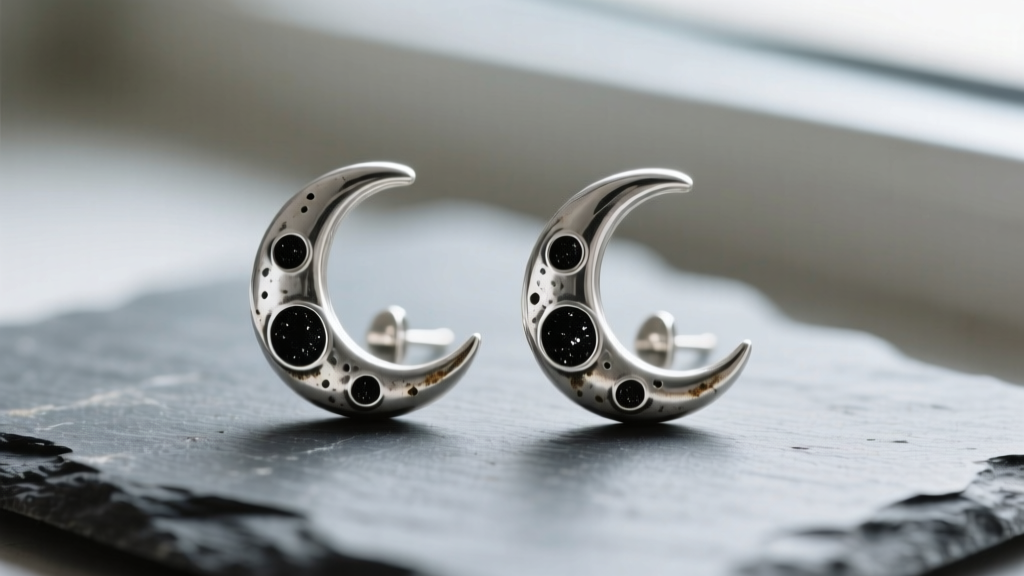
Celestial jewelry has maintained a massive footprint in the accessories market, but owning silver moon earrings comes with a unique set of metallurgical and structural challenges. Whether you favor delicate crescent studs, intricate moon-phase huggies, or heavy full-moon dangles, the very design elements that make these pieces beautiful—deep engravings, thin curved silhouettes, and top-heavy silhouettes—also make them prone to specific failure modes. As a jewelry specialist, I frequently see collectors struggle with accelerated tarnishing in lunar crevices, warped posts, and earlobe fatigue. This guide provides advanced, actionable troubleshooting steps to restore and maintain your celestial silver pieces.
The Unique Vulnerabilities of Celestial Silver Designs
To effectively troubleshoot your earrings, you must first understand the material science of sterling silver. Authentic .925 sterling silver is an alloy composed of 92.5% pure silver and 7.5% copper (or occasionally other metals like zinc). Pure silver is highly resistant to tarnish, but the copper added for structural integrity is highly reactive to sulfur and moisture in the environment. According to the Gemological Institute of America (GIA), this copper content is the primary culprit behind the black silver sulfide layer that forms on neglected jewelry.
Moon-themed designs exacerbate this chemical reaction. Crescent moons and lunar surface engravings feature deep craters, ridges, and recessed channels. These micro-crevices trap dead skin cells, cosmetic residues, and ambient humidity, creating a localized microclimate that accelerates copper oxidation far faster than on a smooth, flat surface.
Identifying Your Silver Grade
Before applying any cleaning or reshaping techniques, verify your metal. Look for the '925', 'Ster', or 'Sterling' hallmark, usually stamped on the earring post or the flat back of the moon charm. If your earrings are silver-plated over a brass or copper base, aggressive polishing will strip the microscopic silver layer entirely, exposing the base metal and ruining the piece.
Reversing Severe Tarnish in Lunar Crevices
Standard jewelry polishing cloths are largely ineffective for textured silver moon earrings. The cloth cannot reach into the deep engravings of a moon-phase design, leaving the recessed areas black while the high points become overly polished, destroying the intended contrast of the piece.
The Electrochemical Reduction Bath
For heavy, crusty tarnish in hard-to-reach lunar craters, skip the abrasive commercial dips and utilize an electrochemical reduction bath. This method converts silver sulfide back into pure silver without removing any metal from the earring.
- Step 1: Line a glass or ceramic bowl with aluminum foil, shiny side up.
- Step 2: Add 1 tablespoon of baking soda and 1 teaspoon of non-iodized salt.
- Step 3: Pour boiling water into the bowl to dissolve the powders.
- Step 4: Submerge your silver moon earrings, ensuring they physically touch the aluminum foil.
- Step 5: Let them sit for 3 to 5 minutes. You will smell a distinct rotten-egg odor (sulfur releasing from the silver and binding to the aluminum).
- Step 6: Remove with plastic tongs, rinse thoroughly in distilled water, and dry completely with a microfiber cloth.
Warning: Never use this method on silver moon earrings that feature porous gemstones like turquoise, opals, or pearls, as the hot water and alkaline solution will destroy the stones.
Reshaping Bent Crescents and Weak Solder Joints
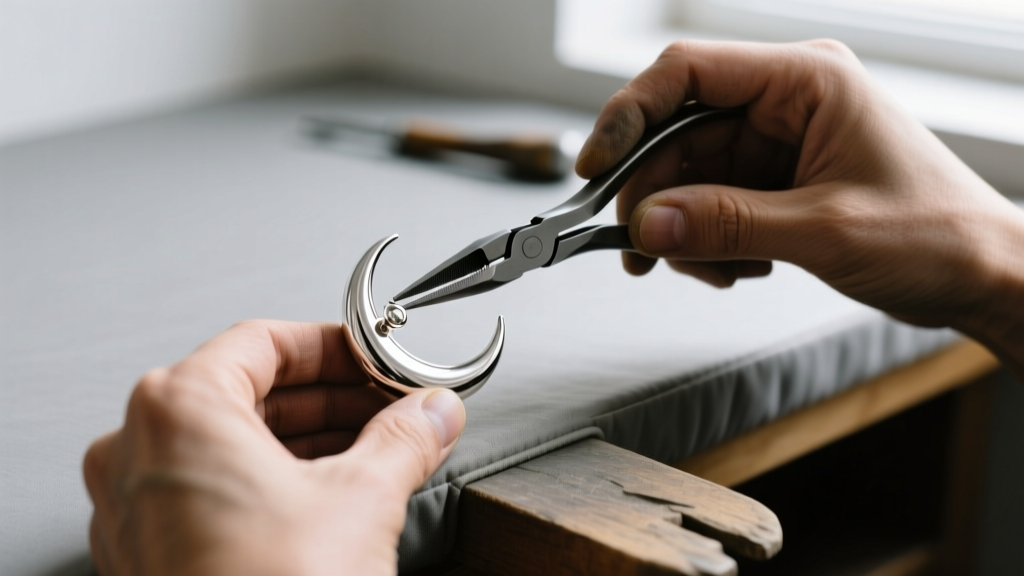
The crescent moon is an inherently weak geometric shape in metallurgy. Unlike a closed hoop or a solid stud, a crescent acts as a lever. If your earring features a thin silver crescent with a standard 20-gauge (0.81mm) post soldered to one tip, any accidental pressure—such as sleeping in them or catching them on a sweater—will transfer kinetic energy directly to the solder joint or the post itself.
Troubleshooting a Bent Post vs. a Warped Body
First, diagnose the exact point of failure. Hold the earring by the moon charm and look at the post.
- If the post is bent: Do not use standard steel jewelry pliers, as they will mar the silver and weaken the metal through work-hardening. Use nylon-jaw pliers to gently bend the 20G or 18G post back to a 90-degree angle relative to the charm. If the post snaps off, it must be re-soldered using hard silver solder and a butane micro-torch; superglue will never hold the shear weight of an earring.
- If the crescent body is warped: Place the earring on a steel bench block. Use a rawhide or nylon mallet to gently tap the warped silver back into its original curve. The rawhide transfers force without leaving hammer marks on the .925 silver surface.
Solving Weight Distribution on Heavy Moon Dangles
Oversized silver moon dangles and heavy ear cuffs are incredibly stylish, but they introduce a major ergonomic problem: earlobe drooping and clasp failure. A solid sterling silver full-moon dangle can easily weigh 8 to 12 grams per ear. Standard friction backs (butterfly clutches) were designed for lightweight studs, not swinging pendulums.
Clasp and Backing Upgrades
If your heavy moon earrings are constantly slipping out or pulling your piercing downward at an awkward angle, you need to upgrade your backing system. Below is a troubleshooting matrix for heavy dangle earrings:
| Backing Type | Weight Capacity | Best Application | Common Failure Mode |
|---|---|---|---|
| Standard Butterfly Friction | Under 3g | Lightweight studs, small huggies | Slips off due to gravity and hair snagging |
| Silicone Disc Backing (10mm+) | Up to 12g | Heavy dangles, top-heavy moon phases | Degrades over time with exposure to skin oils |
| Locking Leverback | Up to 15g | Elaborate celestial drop earrings | Hinge mechanism weakens if forced open |
| French Wire (Fishhook) | Variable | Bohemian/artisan moon designs | Falls out entirely without a silicone stopper |
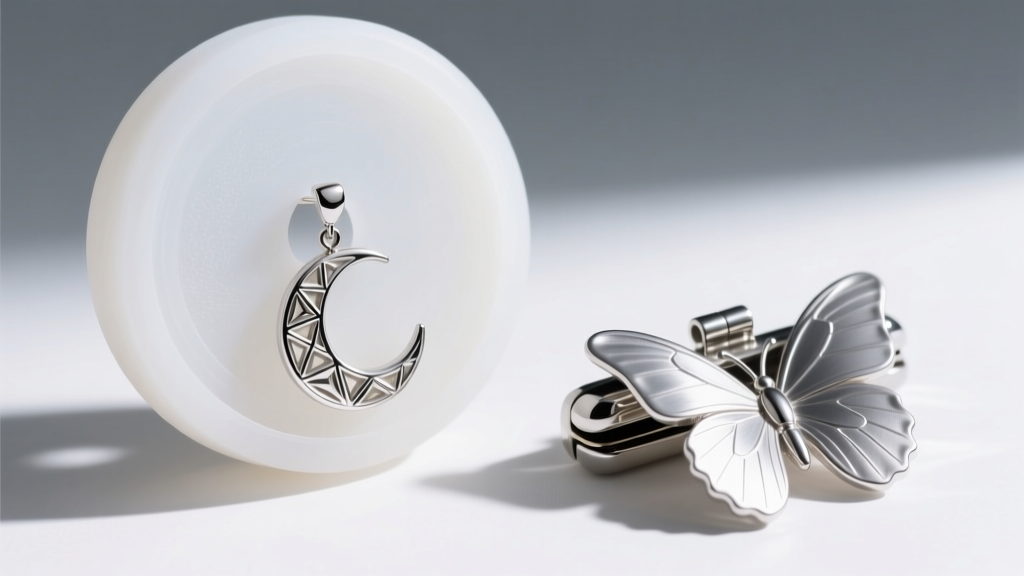
For immediate relief from lobe fatigue, swap your metal butterfly backs for wide, 10mm silicone disc backs. The increased surface area distributes the weight of the heavy silver moon across a wider portion of the earlobe, preventing the 'torn piercing' look and keeping the earring facing forward rather than drooping downward.
Diagnosing 'Mystery Metal' Allergies
A frequent troubleshooting complaint I receive involves sudden contact dermatitis after wearing silver moon earrings purchased from fast-fashion retailers or unverified online marketplaces. The wearer assumes they have developed a silver allergy, but true silver allergies are exceptionally rare. The real culprit is almost always nickel.
To cut costs, some overseas manufacturers use nickel as the 7.5% alloying metal instead of copper, or they plate a nickel-brass core with a microscopic layer of silver. According to the UK Assay Office, strict hallmarking laws exist precisely to protect consumers from these deceptive base-metal alloys. If your earrings lack a verified hallmark and are causing your lobes to itch, turn red, or weep fluid, follow these steps:
- Perform a Nickel Spot Test: Purchase a Dimethylglyoxime (DMG) nickel test kit. Swab the earring post and the back of the moon charm. If the cotton swab turns pink, nickel is present.
- The Temporary Fix: Coat the earring post and the parts of the moon charm that touch your skin with a layer of cyanoacrylate-based jewelry sealant or clear nail polish. This creates a physical barrier between the nickel and your skin.
- The Permanent Fix: Take the earrings to a local bench jeweler and have them rhodium-plated. Rhodium is a hypoallergenic platinum-group metal that will permanently seal the nickel inside the earring while giving the silver moon a brilliant, tarnish-resistant white-gold finish.
Expert Takeaway: Silver moon earrings are an investment in celestial style, but their intricate topography demands specialized care. By utilizing electrochemical cleaning for deep craters, upgrading your clasps for heavy dangles, and verifying your alloy composition, you can ensure your lunar jewelry remains structurally sound and brilliantly polished for decades.


