Dentalium Shell Earrings: Technical Guide to Sourcing & Mounting
Explore the material science, ethical sourcing, and technical mounting methods behind authentic dentalium shell earrings for lasting wear.

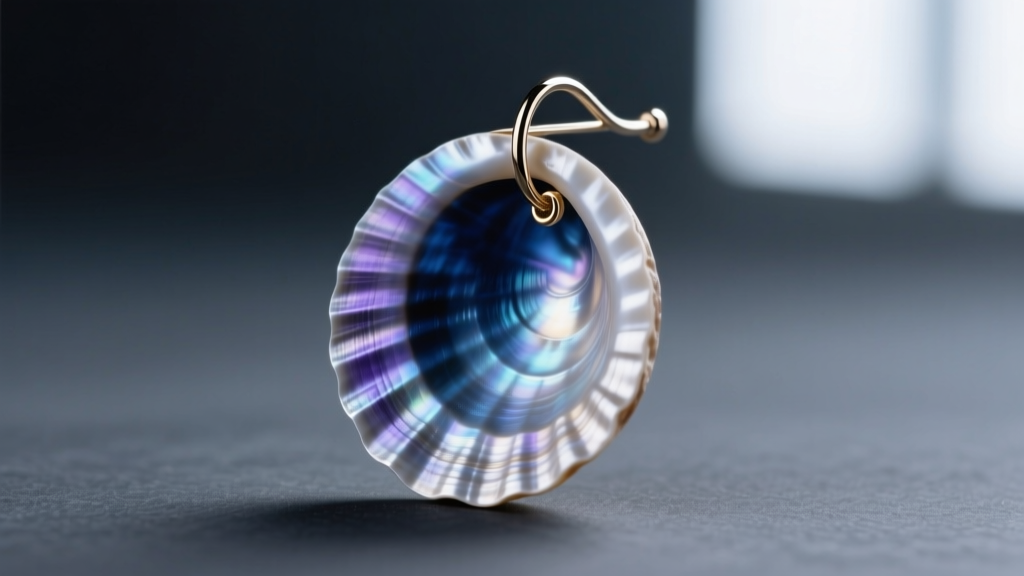
The Material Science of Scaphopoda
Dentalium shells, biologically classified under the class Scaphopoda, represent a unique intersection of natural history and lapidary art. Unlike bivalves or gastropods, tusk shells are tubular, open at both ends, and possess a natural taper. For jewelers and collectors, understanding the material science of these organic gems is the first step in creating durable dentalium shell earrings.
The shell wall is composed primarily of aragonite, a crystalline form of calcium carbonate (CaCO3). On the Mohs hardness scale, aragonite registers between 3.0 and 3.5, making it significantly softer and more brittle than quartz or beryl. The specific gravity typically ranges from 2.8 to 2.9. Crucially, the tubular geometry creates distinct structural zones: the apertural end (the wider opening) is thicker and more resilient, while the apical end (the narrow tip) is highly fragile and prone to micro-fractures under lateral stress.
Precision Mounting and Hardware Mechanics
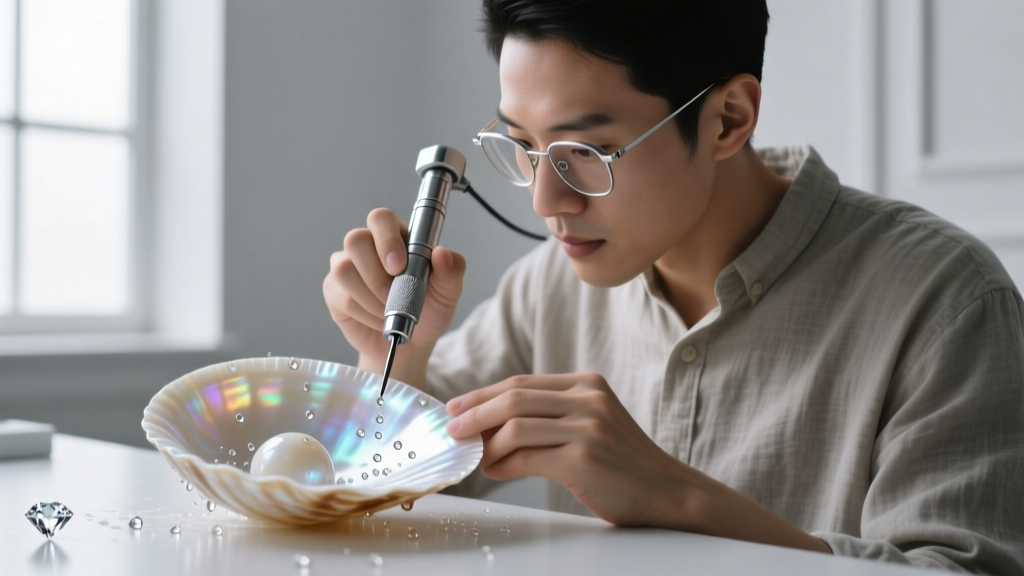
Transforming a raw dentalium shell into a wearable earring requires specialized lapidary techniques. The two primary mounting methods are direct drilling and wire wrapping, each presenting unique mechanical challenges.
Drilling Protocols for Aragonite
Drilling calcium carbonate requires strict thermal management. Friction heat can cause the aragonite to undergo localized phase changes or simply crack due to thermal shock. According to technical guidelines from the Ganoksin Project, drilling organic materials demands low-speed, high-torque equipment.
- Tooling: Use 600-grit to 800-grit diamond-tipped micro-drill bits. Standard steel or carbide bits will tear the aragonite matrix rather than cutting it.
- Speed & Cooling: Maintain a rotational speed between 500 and 1,000 RPM. Continuous water cooling or a specialized lapidary coolant drip is mandatory to flush debris and dissipate heat.
- Entry/Exit Strategy: To prevent "blowout" (where the shell splinters as the bit exits the material), drill halfway from the apertural end, flip the shell, and meet the hole from the opposite side using a microscopic alignment guide.
Wire Wrapping Alternatives
For preservationists and jewelers who refuse to compromise the shell's structural integrity, wire wrapping is the superior alternative. Using 24-gauge or 26-gauge dead-soft niobium or sterling silver wire, artisans can create a tension-based harness around the apical tip. This method distributes mechanical stress across a wider surface area, entirely eliminating the risk of drill-induced stress fractures.
Biomechanics: Weight, Gauge, and Piercing Placement
While a standard 2-inch Antalis pretiosa (Pacific tusk shell) weighs a mere 1.5 to 2.5 grams, the leverage created by its elongated, dangling silhouette fundamentally alters how the earring interacts with the human ear.
The pendulum effect of a tusk shell generates kinetic torque with every head movement. If suspended on a thin 22-gauge ear wire, this torque concentrates pressure onto a microscopic cross-section of the earlobe's fistula, leading to the "cheese-cutter effect"—a gradual migration and tearing of the piercing channel. To counteract this biomechanical reality, dentalium shell earrings must be hung on 18-gauge or 16-gauge ear wires. The thicker wire distributes the kinetic load across a broader surface area of the lobe tissue.
Expert Placement Warning: Due to their dangling nature and susceptibility to impact fractures, dentalium shells are strictly recommended for standard earlobe piercings. They should never be mounted in upper cartilage placements (such as the helix or conch), where the swinging motion risks striking the shell against hair, clothing, or the side of the neck, resulting in catastrophic shattering.
Sourcing, Taxonomy, and Authenticity Verification
The jewelry trade primarily utilizes two species of dentalium: Dentalium entale (common tusk shell, often sourced from European and North Atlantic waters) and Antalis pretiosa (the Pacific tusk shell, historically significant to Indigenous North American trade networks). When sourcing materials, jewelers must navigate both ethical and authenticity hurdles.
Identifying Synthetics and Substitutes
As the demand for organic gems rises, the market has seen an influx of simulants. Distinguishing genuine dentalium from bone, ceramic, or cast resin requires careful observation:
- Striations and Growth Lines: Genuine shells exhibit microscopic, longitudinal growth lines and subtle, asymmetrical ridges. Cast resin or ceramic molds often appear unnaturally uniform or feature mold-seam lines.
- Thermal Conductivity: Like pearls and coral, genuine aragonite feels distinctly cool to the touch and takes longer to warm to body temperature compared to acrylic or bone substitutes.
- The Hot Pin Test (Destructive): While not recommended for finished jewelry, applying a heated needle to a hidden area of a raw shell will yield no odor in genuine calcium carbonate, whereas bone will smell like burning hair, and resin will melt and emit a chemical odor.
Preventative Maintenance and Failure Modes
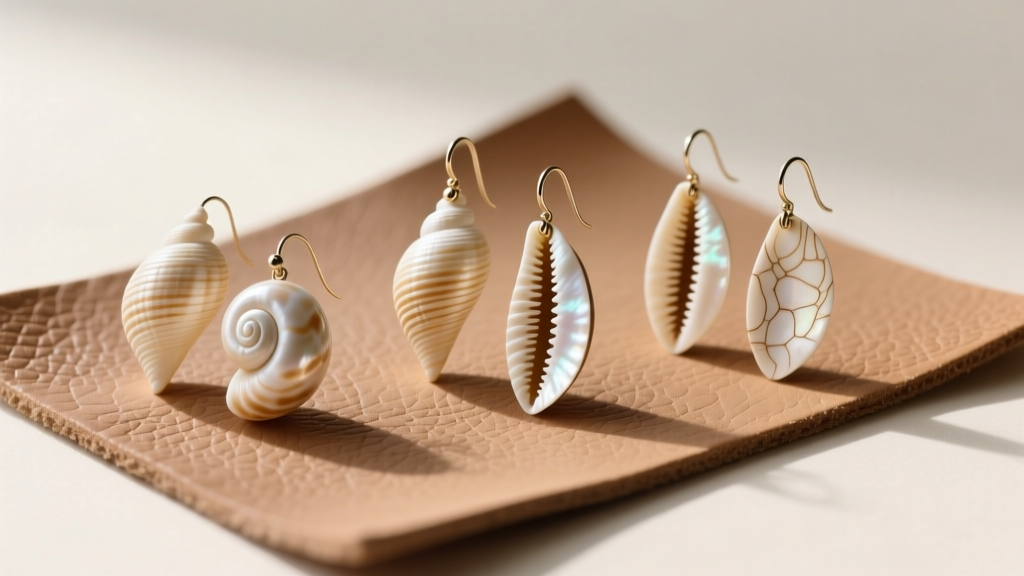
The porosity and chemical composition of dentalium shells make them highly reactive to their environment. According to the Gemological Institute of America (GIA), organic gems require stringent care protocols to prevent irreversible degradation.
Common Failure Modes
| Environmental Factor | Chemical/Physical Reaction | Preventative Protocol |
|---|---|---|
| Human Perspiration | Sweat (pH 4.5 - 7.0) contains lactic acid, which slowly etches and dissolves the calcium carbonate matrix, leaving a chalky, dull finish. | Wipe shells with a damp, pH-neutral microfiber cloth immediately after removal. |
| Ultrasonic Cleaners | High-frequency cavitation bubbles implode against the shell wall, exploiting microscopic fissures and causing the tusk to shatter. | Never use ultrasonic or steam cleaners. Clean only with mild, non-detergent soap and distilled water. |
| Low Humidity Storage | Extreme dehydration can cause the organic conchiolin matrix within the shell to contract, leading to longitudinal splitting. | Store in a temperature-controlled environment with a moderate humidity level (40-50%). Avoid airtight plastic bags with silica gel. |
Final Considerations for the Modern Jeweler
Crafting dentalium shell earrings is an exercise in balancing aesthetic elegance with rigorous material constraints. By respecting the brittle nature of aragonite, employing low-RPM diamond drilling or tension-based wire wrapping, and engineering hardware that mitigates kinetic torque, artisans can produce heirloom-quality pieces. Furthermore, prioritizing ethically harvested or fossilized specimens ensures that the rich, historical legacy of the tusk shell is preserved for future generations of collectors and wearers alike. For deeper research into the biological classification of these unique marine organisms, the Smithsonian National Museum of Natural History offers extensive malacological archives that inform modern, sustainable sourcing practices.


