How to Clean and Maintain Canary Yellow Diamond Earrings
Learn expert cleaning and maintenance tips for canary yellow diamond earrings. Protect your fancy color diamond investment with our safe care guide.

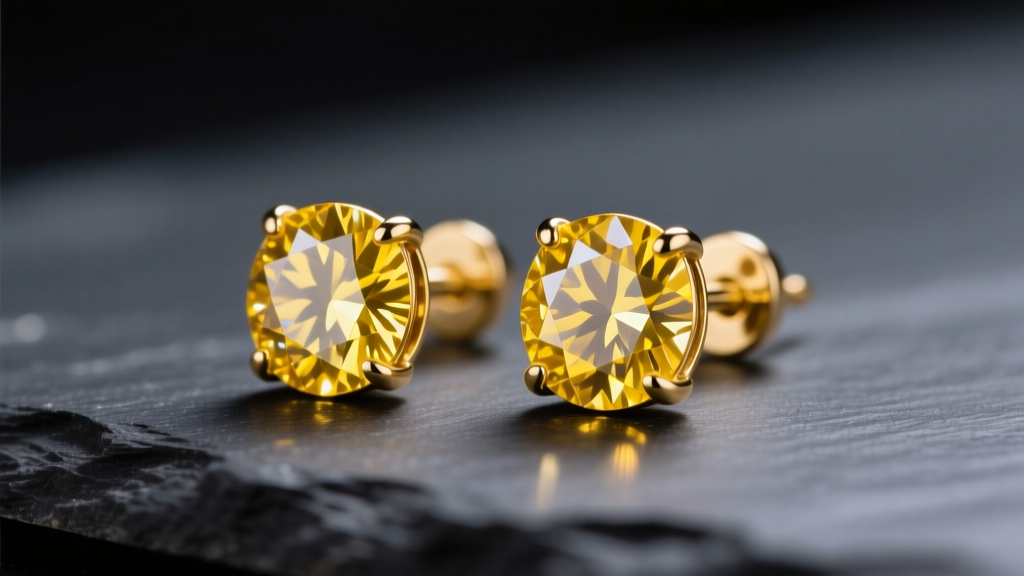
Owning a pair of canary yellow diamond earrings is a statement of exceptional taste and a significant financial investment. Unlike traditional white diamonds, fancy color diamonds possess a unique chemical makeup and are often set in specialized metals designed to enhance their warm, vibrant hues. However, their brilliance is not invincible. Daily exposure to environmental pollutants, cosmetic products, and natural skin oils can rapidly diminish their fiery sparkle. To protect your investment, it is crucial to adopt a meticulous care regimen tailored specifically to the unique properties of yellow diamonds and their precious metal settings.
Understanding the Nitrogen Factor in Fancy Colors
The captivating yellow hue in these gemstones is caused by nitrogen atoms replacing carbon atoms within the diamond's crystal lattice. This nitrogen aggregation absorbs blue light, resulting in the vibrant yellow spectrum we see. While natural Fancy Vivid and Fancy Intense canary diamonds are incredibly durable—ranking a 10 on the Mohs scale—some yellow diamonds on the market undergo High Pressure High Temperature (HPHT) treatments or irradiation to enhance their color. According to the Gemological Institute of America (GIA), treated diamonds are generally stable, but they require a more conservative approach to cleaning. Harsh chemicals or extreme thermal shock from improper cleaning methods can potentially alter the appearance of fracture-filled or heavily treated stones, making gentle, informed care an absolute necessity.
The Oleophilic Challenge: Why Your Earrings Look Dull
Diamonds are naturally oleophilic, meaning they have a strong affinity for attracting grease and oils. When you wear your canary yellow diamond earrings, they constantly attract sebum from your skin, along with microscopic particles from lotions, hairsprays, and perfumes. This oily film adheres to the pavilion (the bottom facets) of the diamond, blocking light from entering and exiting the stone. Because yellow diamonds rely heavily on light return to showcase their saturation and brilliance, even a microscopic layer of oil can make a vibrant canary stone look muddy, brownish, or flat. Regular, safe degreasing is the cornerstone of yellow diamond maintenance.
The Safe At-Home Cleaning Protocol
To restore your earrings to their original fire without risking damage to the stone or the setting, follow this expert-approved, step-by-step cleaning routine. This method is safe for both natural and most treated canary diamonds.
Step 1: Prepare a Neutral Degreasing Solution
Fill a small glass bowl with warm distilled water. Avoid tap water, as the dissolved minerals and chlorine can leave hard water spots on the diamond's table and slowly degrade porous 18k gold settings over time. Add three to four drops of a mild, pH-neutral dish soap (such as original Dawn). Avoid soaps containing moisturizers, dyes, or harsh degreasers, which can leave a filmy residue or irritate the earlobe post-cleaning.
Step 2: The Soaking Phase
Submerge your canary yellow diamond earrings in the solution for exactly 15 to 20 minutes. This allows the mild surfactants to break down the oleophilic bonds of the sebum and cosmetic buildup trapped beneath the diamond's girdle and within the setting's gallery.
Step 3: Gentle Agitation
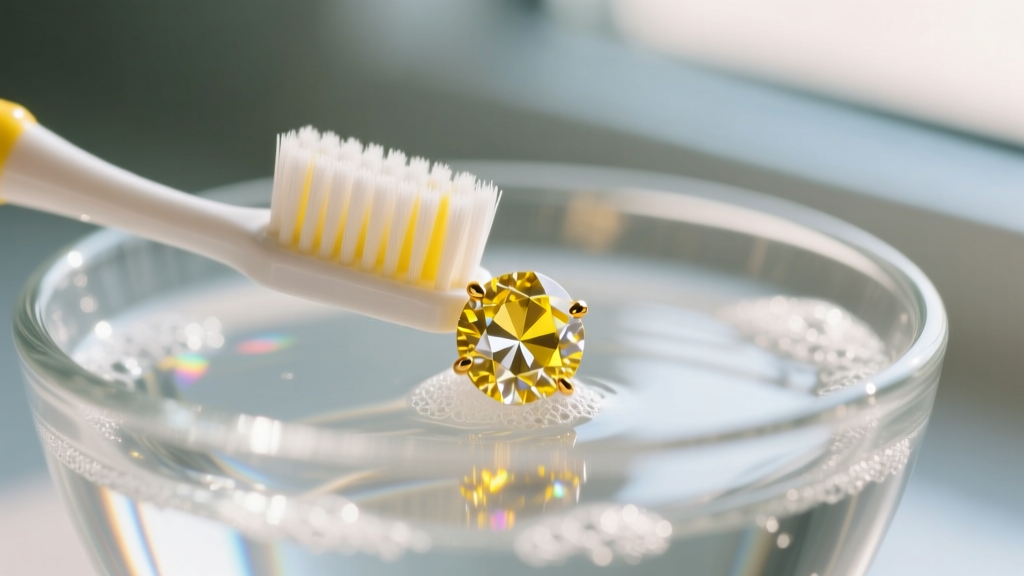
Using a brand-new, ultra-soft baby toothbrush, gently brush the diamond. Pay special attention to the pavilion and the area where the prongs meet the girdle, as this is where debris accumulates most heavily. Never use stiff-bristled brushes, as while they cannot scratch the diamond, they can severely scratch the polished rhodium plating on white gold or the high-polish finish of platinum and yellow gold settings.
Step 4: Rinsing and Drying
Rinse the earrings under a gentle stream of lukewarm distilled water. Ensure the drain is securely plugged. Pat dry with a lint-free microfiber cloth, avoiding standard tissue papers or cotton balls, which can leave microscopic fibers snagged in the prongs.
Cleaning Agents & Safety Profile
Not all jewelry cleaners are created equal. Below is a breakdown of common cleaning agents and their safety profile for canary yellow diamond earrings.
| Cleaning Agent | Safety for Yellow Diamonds | Impact on Settings (Gold/Platinum) |
|---|---|---|
| Mild Dish Soap & Distilled Water | Highly Safe (Recommended) | Safe; preserves metal polish |
| Commercial Jewelry Dips | Risky for treated/fracture-filled stones | Can cause micro-pitting in 14k/18k gold |
| Chlorine Bleach | Unsafe (Chemical hazard) | Destructive; dissolves gold alloys |
| Baking Soda Paste | Safe for stone, but abrasive | Highly abrasive; scratches precious metals |
| Isopropyl Alcohol (90%+) | Safe for quick degreasing | Safe, but can dry out certain gemstone accents |
The Ultrasonic and Steam Cleaner Debate
Many jewelers use ultrasonic and steam cleaners to achieve a flawless finish. However, the GIA's gem care guidelines strongly advise caution. Ultrasonic cleaners use high-frequency sound waves to create microscopic cavitation bubbles that blast dirt away. If your canary yellow diamond has been fracture-filled with glass-like resins to improve clarity, the intense vibrations and heat of an ultrasonic machine can melt or cloud the filler, permanently damaging the stone. Furthermore, the vibrations can loosen the prongs securing your diamond. Steam cleaners pose a thermal shock risk; while diamonds handle heat well, sudden temperature changes can cause internal stress fractures in stones with existing, microscopic inclusions. For home care, stick to the manual soaking and brushing method.
Setting Maintenance: 18k Gold vs. Platinum
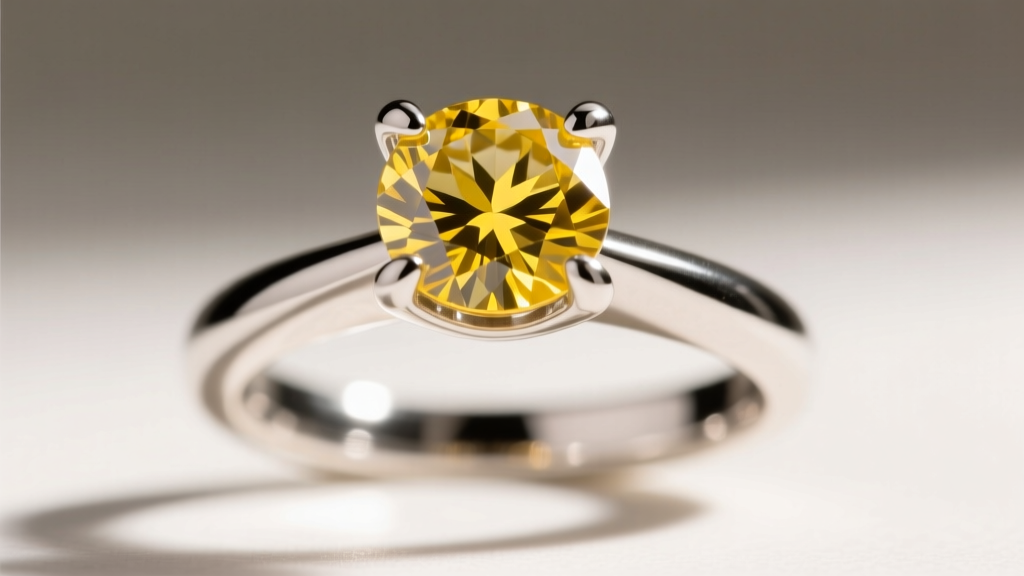
Canary yellow diamonds are most frequently set in 18k yellow gold to amplify their warm tones, or in platinum to provide a striking, high-contrast frame. Each metal requires specific maintenance:
- 18k Yellow Gold: Because 18k gold is 75% pure gold, it is relatively soft and prone to micro-scratches and prong wear. Inspect the prongs every six months using a 10x jeweler's loupe. Look for thinning at the tips where they grip the diamond's girdle.
- Platinum: Platinum is denser and more durable, but it develops a natural "patina" (a satin-like dullness) over time due to microscopic metal displacement. While this doesn't compromise the security of the prong, you will need to take the earrings to a jeweler annually for a professional re-polishing to restore their mirror finish.
Storage and Professional Servicing
When you are not wearing your canary yellow diamond earrings, proper storage is critical. Despite being the hardest natural material, diamonds can chip if they strike another diamond at the wrong angle along their cleavage planes. Never store your earrings loose in a communal jewelry box. Keep them in individual, fabric-lined compartments or soft anti-tarnish pouches. Finally, schedule a professional inspection with a certified gemologist once a year. They will check the structural integrity of the earring posts, the tension of the butterfly backs or screw-backs, and ensure the gallery wire beneath the diamond is free of corrosive buildup, ensuring your vibrant canary diamonds remain secure and brilliant for a lifetime.


