Pearl and Silver Earrings: 2026 Avant-Garde Trend Analysis
Discover 2026 trends for pearl and silver earrings. Explore avant-garde baroque styles, Argentium silver grades, gauge sizes, and expert care tips.

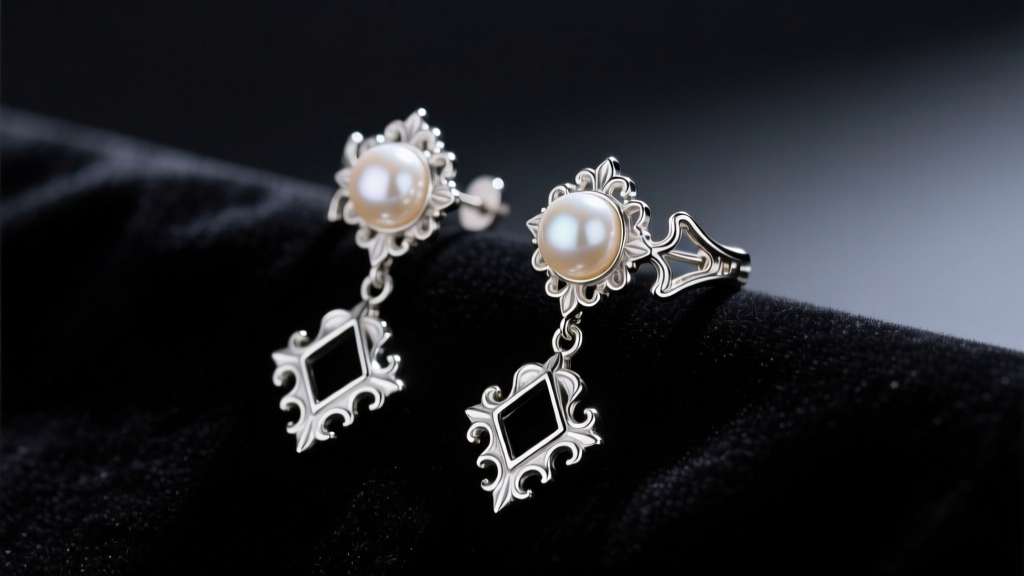
The 2026 Shift: From Classic Heirlooms to Avant-Garde Statements
For decades, pearl and silver earrings were confined to the realm of conservative classics—think perfectly round Akoya studs set in simple sterling silver posts. However, the 2026 jewelry landscape has completely dismantled this tradition. Today, the market is dominated by avant-garde interpretations that contrast the organic, unpredictable nature of pearls with the sharp, architectural precision of modern silverwork. This style and trend analysis breaks down the metallurgical advancements, specific gauge requirements, and structural silhouettes that are redefining pearl and silver earrings for the modern collector.
The driving force behind this shift is a consumer demand for "imperfect luxury." Buyers are moving away from mass-produced uniformity, seeking out baroque and keshi pearls that offer unique, asymmetrical shapes. When paired with oxidized or brushed silver, these earrings create a striking visual tension that bridges the gap between fine jewelry and contemporary art.
Material Deep-Dive: Silver Alloys and Pearl Classifications
To truly understand the 2026 market for pearl and silver earrings, one must look past the generic "sterling" label. The most significant metallurgical trend this year is the widespread adoption of Argentium silver. Unlike traditional sterling silver (which is 92.5% silver and 7.5% copper), Argentium replaces a portion of the copper with germanium. This results in an alloy (typically 93.5% or 96% pure silver) that is highly resistant to tarnish and firescale, making it ideal for the intricate, hard-to-polish settings required for irregular baroque pearls.
On the gemological side, the focus has shifted to specific freshwater and saltwater varieties that offer high luster without the need for artificial enhancements. According to the Gemological Institute of America (GIA), luster and surface quality are the paramount value factors for pearls. In 2026, designers are specifically sourcing high-nacre freshwater baroques (often 9mm to 14mm in diameter) and seedless Keshi pearls, which offer an almost metallic luster that perfectly mirrors polished silver.
| Material | Composition / Origin | Key Characteristics | Best Use Case |
|---|---|---|---|
| Argentium Silver | 93.5% - 96% Silver, Germanium | Tarnish-resistant, bright white finish, hypoallergenic | Intricate ear cuffs, daily-wear huggies |
| Standard Sterling | 92.5% Silver, 7.5% Copper | Prone to oxidation, requires maintenance, warmer tone | Oxidized/vintage-style drop earrings |
| Freshwater Baroque | Mussel-cultured, irregular shape | Thick nacre, 9-14mm, unique asymmetrical forms | Statement drops, asymmetrical pairs |
| Keshi Pearl | Seedless byproduct, 100% nacre | Intense metallic luster, small to medium sizes (4-10mm) | Huggie charms, cartilage crawlers |
Key Silhouettes Dominating the 2026 Market
The architecture of pearl and silver earrings has evolved to accommodate both aesthetic trends and the physical realities of ear anatomy. Designers are engineering pieces that distribute weight more effectively while maximizing the visual impact of irregular pearls.
The Cartilage Crawler and Hinged Huggies
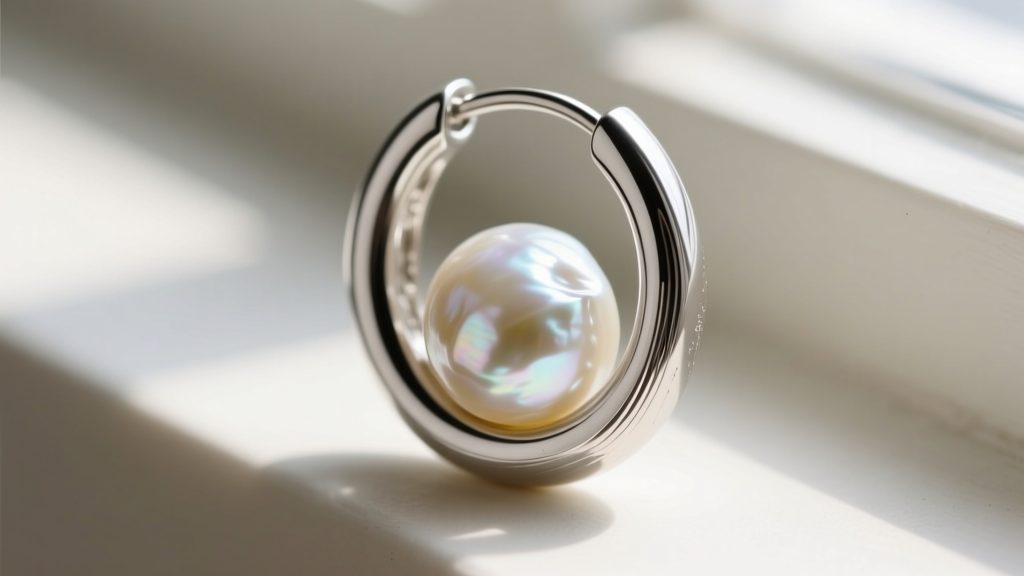
Huggies remain a staple, but the 2026 iteration features structural upgrades. Standard lobe piercings typically accommodate 20-gauge (0.81mm) or 18-gauge (1.02mm) wires. However, modern silver huggies designed to hold heavy 10mm baroque pearls are now being manufactured in 16-gauge (1.29mm) to prevent the hoop from warping under the pearl's weight. Furthermore, cartilage crawlers—pieces that thread through a single piercing and wrap upward along the helix—are utilizing tension-set silver channels to cradle Keshi pearls without the use of prongs, which can scratch the pearl's delicate nacre (which ranks a mere 2.5 to 4.5 on the Mohs hardness scale).
Asymmetrical Drops and Mismatched Studs
The matched-pair rule is officially dead. The leading trend in pearl and silver earrings is the curated mismatch. This involves pairing a heavy, elongated silver and baroque pearl drop on one side with a minimalist silver ear cuff or a tiny Keshi stud on the other. For the heavy drop earrings (often exceeding 15 grams), designers are abandoning standard butterfly friction backs, which fail to support the weight and cause the earring to droop. Instead, omega backs and leverback clasps are the industry standard for 2026, providing a secure, comfortable fit that keeps the pearl oriented correctly.
Pricing Tiers and Investment Value
Navigating the pricing landscape for pearl and silver earrings requires an understanding of where the value truly lies. In this category, you are paying for the rarity of the pearl's shape, the thickness of its nacre, and the engineering of the silver setting. The Silver Institute notes that while silver is a commodity, the craftsmanship in avant-garde jewelry commands a significant premium over raw material costs.
- Entry-Level ($45 - $120): Standard sterling silver studs featuring small (5-7mm) near-round freshwater pearls. Often mass-cast with thin silver wire (22G) and basic friction backs.
- Mid-Tier Artisan ($150 - $350): Argentium silver huggies or asymmetrical drops featuring high-luster baroque pearls (9-12mm). Includes engineered clasps (leverback/hinged) and hand-forged silver elements.
- High-End Avant-Garde ($400 - $850+): Complex ear cuffs, cartilage crawlers, and architectural drops utilizing rare, large Keshi or Edison pearls (13mm+). Features mixed-metal accents, oxidized silver detailing, and bespoke tension settings.
Styling Framework: Face Shape and Placement
Because baroque pearls and architectural silver settings carry significant visual weight, placement and proportion are critical. For round face shapes, elongated silver drop earrings featuring vertically oriented baroque pearls help to lengthen the facial profile. Avoid large, circular silver hoops with round pearls, as they will exaggerate the face's natural curves.
For angular or square face shapes, the 2026 trend of curved, organic silver ear cuffs paired with soft, irregular Keshi pearls provides a necessary balancing effect. The fluid lines of the pearl soften the jawline, while the silver adds a modern edge. If you have multiple cartilage piercings, creating a "curated ear" using a mix of 16G silver huggies with tiny pearl charms and a single, dramatic baroque drop in the primary lobe piercing creates a cohesive, high-fashion look.
Care and Maintenance: Preventing Silver Tarnish on Porous Pearls
The most common failure mode for pearl and silver earrings is improper cleaning. Silver naturally oxidizes and tarnishes when exposed to sulfur in the air. However, pearls are highly porous organic gems. The chemical silver dips and ultrasonic cleaners commonly used to restore sterling silver will instantly strip a pearl's nacre, leaving it dull, chalky, and permanently damaged.
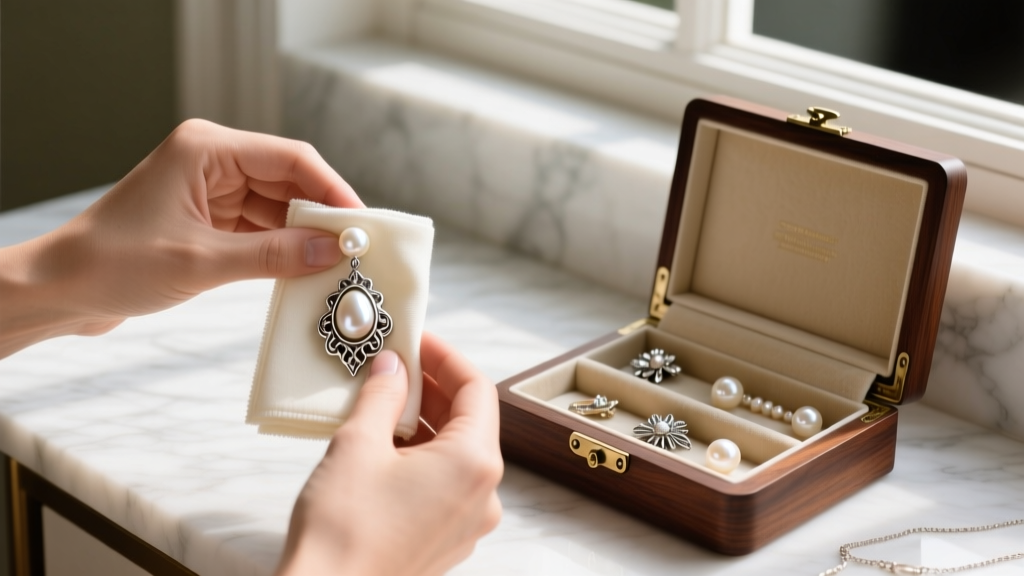
To maintain your pieces, you must treat the two materials separately. Use a dry, untreated silver polishing cloth to gently buff the metal components, carefully avoiding the pearl. For the pearl itself, simply wipe it with a soft, slightly damp microfiber cloth after wearing to remove oils and acids from the skin. Never store pearl and silver earrings in an airtight plastic bag; pearls require a slight amount of ambient moisture to prevent the nacre from cracking, while silver benefits from anti-tarnish strips placed inside a breathable fabric pouch. By understanding the distinct chemical needs of both materials, your avant-garde pieces will retain their striking contrast for decades.


