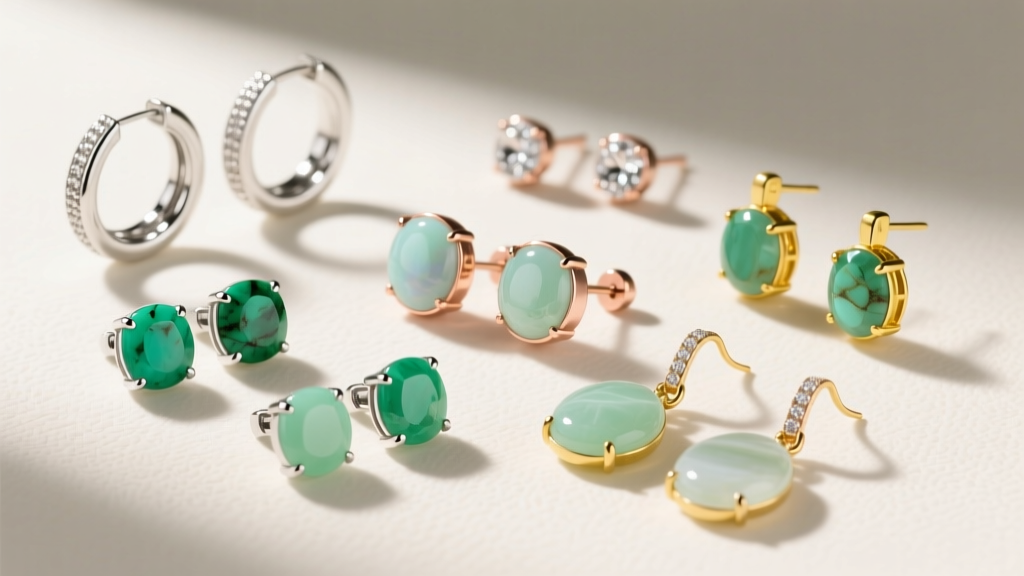
Cardinal Earrings Buying Guide: Enamel, Gems & Fit
Discover how to choose cardinal earrings. Compare vitreous vs cold enamel, 925 silver gauges, and cardinal red garnets in this expert buying guide.

The Dual Appeal of Cardinal Earrings
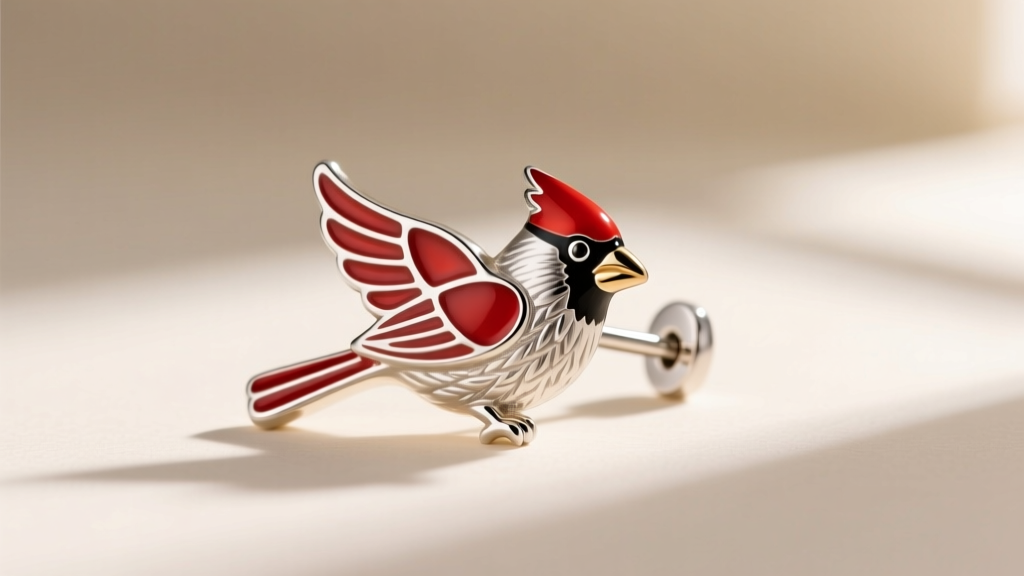
When jewelry enthusiasts and gift-shoppers search for cardinal earrings, they are typically navigating toward one of two distinct aesthetic categories: nature-inspired Northern Cardinal bird motifs or deep 'cardinal red' gemstone pieces. Both styles carry significant emotional and visual weight. The bird motif is a beloved staple in sympathy jewelry and winter collections, symbolizing vitality and enduring memory. Conversely, cardinal red gemstones—ranging from pyrope garnets to rubies—offer a rich, aristocratic crimson hue that flatters nearly every skin undertone.
However, the market is flooded with poorly constructed novelty pieces that tarnish, chip, or bend within weeks. This comprehensive buying guide strips away the marketing fluff to focus on material science, structural gauge requirements, and gemological facts, ensuring your next purchase is both beautiful and enduring.
Decoding Enamel: Vitreous vs. Cold Epoxy
The vast majority of cardinal bird earrings rely on red enamel to achieve their signature vibrant plumage. Understanding the manufacturing process is the single most important factor in determining the piece's longevity and price point.
Vitreous (Kiln-Fired) Enamel
High-end cardinal earrings utilize vitreous enamel, which is essentially finely ground glass fused to a metal base (usually 925 sterling silver or 14k gold) at temperatures exceeding 1,400°F (760°C). Techniques like champlevé (where channels are carved into the metal and filled) or cloisonné (where fine wire walls separate the colors) create a finish that is impervious to UV fading, highly scratch-resistant, and chemically stable. If you are investing over $60 in enamel cardinal earrings, vitreous is the mandatory standard.
Cold Enamel (Epoxy Resin)
Mass-market, budget-friendly options (typically under $25) use cold enamel, which is a two-part epoxy resin tinted with pigments. While it can mimic the look of glass enamel initially, cold enamel is fundamentally flawed for daily wear. It softens under high heat, yellows with prolonged UV exposure, and is prone to micro-chipping if dropped on hard surfaces like bathroom tile.
Metal Bases and Gauge Thickness
A critical, often overlooked failure mode in novelty animal earrings is post thickness. A 3D-cast solid brass or sterling silver cardinal drop earring carries significant weight relative to its size.
- 22-Gauge (0.6mm): Avoid this entirely for heavy drops. The post will bend under the weight of the earring, ruining the structural integrity and increasing the risk of the earring slipping out of the lobe.
- 20-Gauge (0.8mm): The standard for most stud earrings. Perfectly acceptable for flat, lightweight cardinal profile studs.
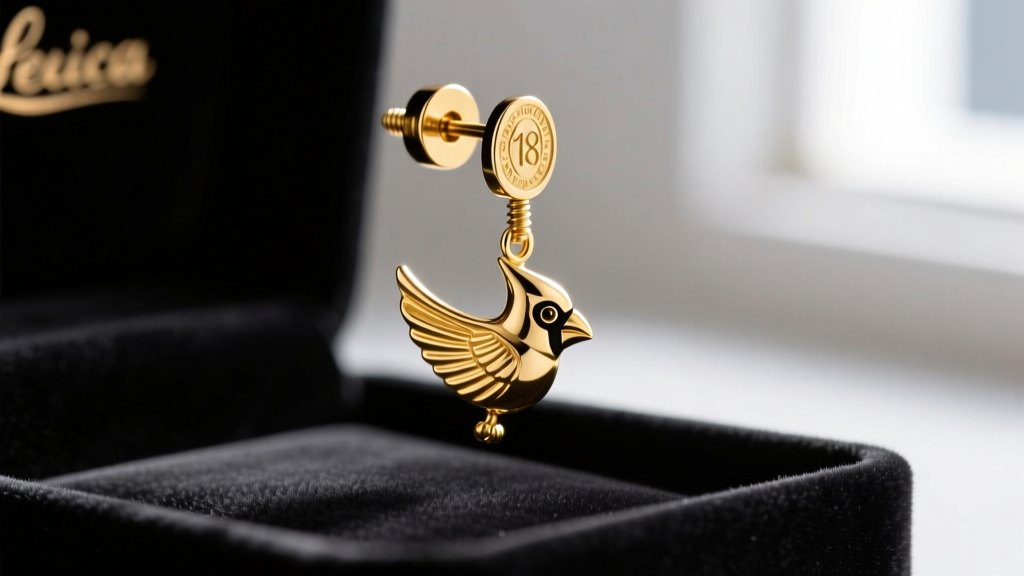
- 18-Gauge (1.0mm) to 16-Gauge (1.2mm): The required thickness for 3D cardinal dangles or heavy champlevé drops. This thickness prevents bending and provides a secure anchor in the earlobe.
Cardinal Red Gemstones: Garnet, Spinel, and Ruby
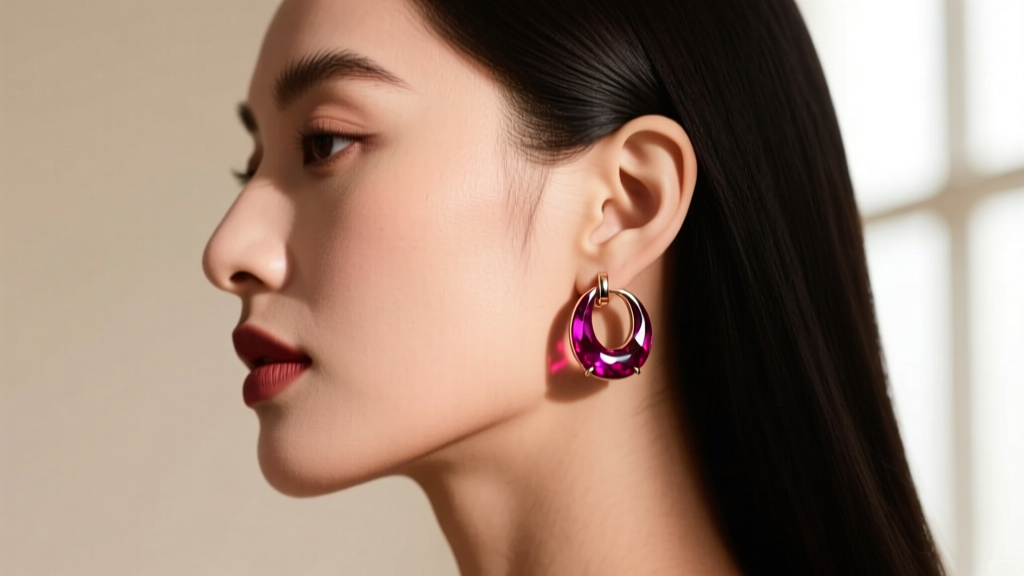
If your interpretation of cardinal earrings leans toward gemstones rather than bird motifs, you will encounter three primary red stones. Each possesses distinct optical properties, hardness ratings, and price brackets. According to the Gemological Institute of America (GIA), understanding these differences prevents overpaying for misidentified stones.
| Gemstone | Mohs Hardness | Color Profile | Avg. Price (per carat) |
|---|---|---|---|
| Pyrope Garnet | 7.0 - 7.5 | Deep, dark crimson (can appear black in low light) | $20 - $80 |
| Rhodolite Garnet | 7.0 - 7.5 | Vivid purplish-red (highly brilliant) | $50 - $150 |
| Red Spinel | 8.0 | Bright, pure cardinal red with high clarity | $200 - $800 |
| Ruby (Corundum) | 9.0 | Intense red with secondary pink/purple flashes | $1,000+ |
For everyday lobe studs, Rhodolite Garnet offers the best balance of vibrant 'cardinal' color, durability, and affordability. As noted in the GIA Ruby Guide, rubies are exceptional for durability but often feature inclusions that require fracture-filling; always ask if a ruby has been treated, as filled stones cannot withstand ultrasonic cleaning.
Structural Integrity and Earring Backings
The backing mechanism is just as vital as the post gauge, especially for heavy enamel or gemstone cardinal drops.
Friction (Butterfly) Backs
The standard push-back clutch relies on friction. Over time, the metal loops loosen, and the earring can easily fall out, especially when removing sweaters or scarves in winter. Furthermore, the crevices in butterfly backs harbor sebum and bacteria, which can cause localized contact dermatitis.
Screw Backs and La Pousette Clutches
For valuable cardinal earrings, insist on threaded screw backs or La Pousette (locking push) clutches. Screw backs feature a threaded post and a nut-like backing that physically locks the earring in place. While slightly more tedious to put on, they offer near-zero risk of accidental loss, making them the superior choice for heavy 18-gauge drops.
Silhouette Pairing for Face Shapes
Beyond materials, the physical silhouette of the earring should complement the wearer's facial structure:
- Round Faces: Opt for elongated cardinal drop earrings or vertical linear designs featuring a cascade of garnets. The vertical lines help elongate the facial profile.
- Angular/Square Faces: Choose curved, rounded cardinal bird huggies or circular halo studs featuring a central spinel. Soft curves balance sharp jawlines.
- Heart-Shaped Faces: Chandelier or teardrop cardinal earrings that are wider at the bottom help add visual weight to the lower half of the face, balancing a narrower chin.
Pricing Tiers and Value Assessment
Knowing what to pay prevents buyer's remorse. Here is a realistic breakdown of the 2026 market landscape for cardinal earrings:
- Budget ($15 - $35): Brass or silver-plated bases with cold epoxy enamel and friction backs. Suitable for occasional novelty wear, but expect degradation within a year.
- Mid-Range ($45 - $120): Solid 925 sterling silver (often rhodium-plated to prevent tarnish) featuring kiln-fired vitreous enamel or genuine pyrope/rhodolite garnets. This is the 'sweet spot' for quality and longevity.
- Premium ($250+): 14k or 18k solid gold settings featuring unheated red spinels or high-clarity rubies, often accented with diamond melee. These are heirloom-grade investment pieces.
Expert Care Tip: Never place vitreous enamel or fracture-filled cardinal red gemstones in an ultrasonic jewelry cleaner. The high-frequency vibrations can shatter the glass enamel or shake loose the resin fillings in treated rubies. Instead, clean your cardinal earrings using a few drops of mild dish soap, lukewarm water, and a soft-bristled baby toothbrush.
Final Verdict
Whether you are drawn to the sentimental charm of a vitreous enamel Northern Cardinal stud or the fiery brilliance of a rhodolite garnet drop, the key to a successful purchase lies in verifying the manufacturing details. Demand 18-gauge posts for heavy drops, verify the enamel firing process, and always check the Mohs hardness of your chosen gemstone. By prioritizing structural integrity and material authenticity, your cardinal earrings will remain a vibrant, cherished staple in your jewelry rotation for decades.