Who Is Earring Magic Ken? Viral Earring Repair Hacks Tested
Discover who Earring Magic Ken is and test his viral jewelry troubleshooting hacks for heavy earring droop, snapped posts, and metal allergies.

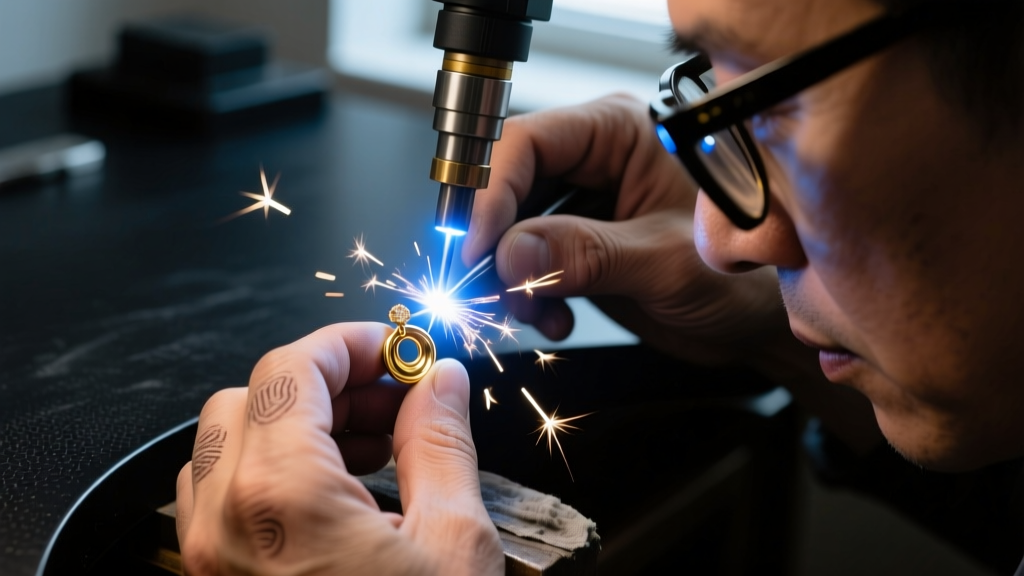
If you have spent any time on jewelry-focused corners of social media over the last few years, you have likely asked: who is earring magic ken? Known to his followers simply as 'Earring Magic Ken,' this master bench jeweler and ear curation expert has built a massive following by exposing the structural flaws in commercial jewelry and demonstrating high-end, practical troubleshooting for common earring disasters. As of 2026, with the continued explosion of heavy, architectural fine jewelry and multi-piercing ear curation, Ken's structural repair philosophies have become essential knowledge for jewelry collectors.
At Jewel Style Radar, we believe in testing viral claims against rigorous bench-jeweler standards. Below, we break down the most common earring problems and evaluate Earring Magic Ken's troubleshooting methods, complete with material grades, gauge specifications, and real-world pricing.
Solving the 'Heavy Dangle' Lobe Droop
One of Ken's most viral troubleshooting videos addresses a universal frustration: heavy gemstone or solid gold drop earrings that pull the earlobe forward, causing the design to face the floor rather than the viewer. This 'droop' occurs when the earring's center of gravity extends too far below the piercing axis, overwhelming the structural support of the earlobe tissue.
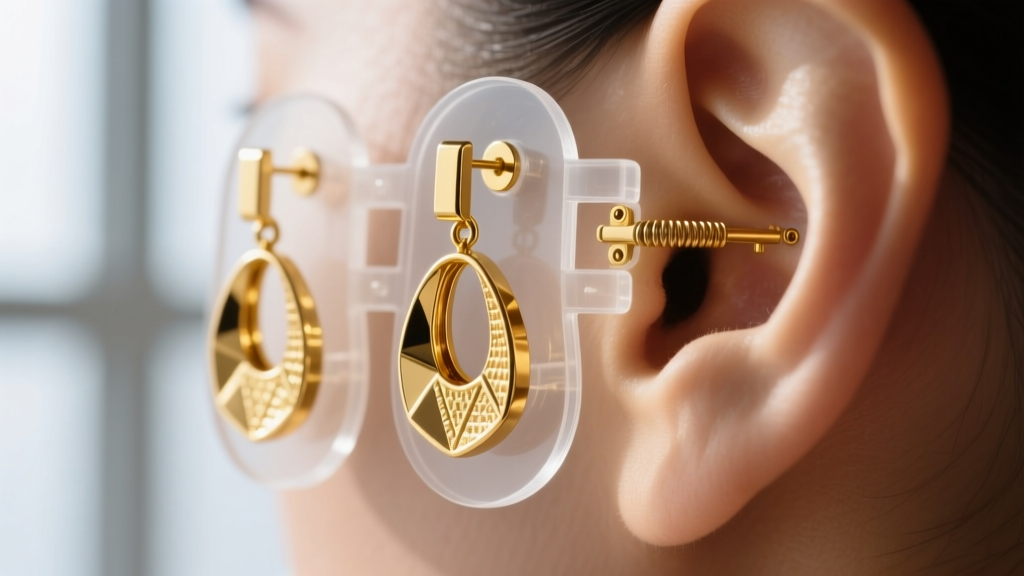
Standard 20-gauge (0.81mm) friction posts and butterfly backs are mechanically rated for a maximum static weight of about 4 grams. When an earring exceeds 8 grams, the lobe stretches, and the post tilts downward. Ken's primary troubleshooting framework for this involves redistributing the mechanical load rather than simply telling clients to 'buy lighter jewelry.'
The Earring Magic Ken Lift Protocol
- Invisible Silicone Lifters: For earrings between 6 and 10 grams, Ken recommends medical-grade silicone earlobe support patches. These adhesive discs feature a central slit that grips the earring post, creating a rigid 15mm platform behind the lobe that prevents forward tilt.
- Upgrading to La Pousette Backs: For fine jewelry, Ken advises replacing standard butterfly backs with La Pousette locking backs. These feature a dual-spring mechanism that locks onto the post's groove, providing a flush, wide-backed surface that distributes weight across a broader area of the lobe.
- Post Gauge Thickening: If the earring features a thin 22-gauge (0.64mm) wire post, Ken suggests having a bench jeweler laser-weld a thicker 18-gauge (1.02mm) 14k or 18k gold post to increase structural rigidity without altering the front-facing design.
Fixing Stripped Screw-Backs and Snapped Posts
Another frequent query in Ken's comment section involves catastrophic post failures. The most common failure point on any earring is the 90-degree solder joint where the post meets the basket or backing plate. Repeated stress from putting on jackets, sleeping, or accidental snags causes metal fatigue, leading to a clean snap.
'Never use cyanoacrylate (super glue) on a snapped gold post. The chemical solvents will degrade the porosity of the gold alloy and leave a residue that makes professional laser welding nearly impossible without aggressive acid pickling.' — Bench Jeweler Best Practices
When troubleshooting stripped screw-backs or snapped posts, Ken strictly advocates for Nd:YAG laser welding over traditional torch soldering. Torch soldering requires heating the entire piece, which can fracture heat-sensitive gemstones (like emeralds or opals) and destroy rhodium plating on white gold. Laser welding uses pinpoint light energy to fuse a new 14k or 18k gold post to the base in milliseconds, keeping the surrounding metal and stones completely cool.
Cost and Material Considerations
Expect to pay between $45 and $85 per post for professional laser welding in 2026. If you are replacing a screw-back post, ensure the jeweler uses a high-tensile 14k gold alloy; pure 24k gold is too soft to hold threading and will strip within weeks of daily use.
The 'Mystery Metal' Contact Dermatitis Crisis
Who is earring magic ken without his crusade against 'mystery metals'? A significant portion of Ken's troubleshooting content is dedicated to solving the green skin and severe contact dermatitis caused by cheap fashion jewelry. The culprit is almost always nickel, which is frequently alloyed with copper and zinc in low-cost earrings to increase hardness and lower melting points.
According to the American Academy of Dermatology, nickel allergy is one of the most common causes of allergic contact dermatitis, affecting up to 36% of women. Ken's troubleshooting matrix for identifying and neutralizing mystery metals is a must-know for sensitive ears.
Metal Allergy Troubleshooting Table
| Metal / Alloy | Nickel Risk Level | Common Failure Mode | Ken's Troubleshooting Fix |
|---|---|---|---|
| Surgical Steel (316L) | Low to Moderate | Contains trace nickel; can leach in acidic sweat. | Coat post with nano-ceramic barrier spray. |
| White Gold (14k/18k) | High (if un-plated) | Often alloyed with nickel; rhodium plating wears off. | Re-plate with thick pure rhodium or switch to platinum. |
| Sterling Silver (925) | None | Tarnishes and causes 'black skin' due to copper alloy. | Dip in anti-tarnish solution; avoid wearing in sulfur-rich water. |
| Niobium / Titanium | None | None (Highly biocompatible). | Use as permanent replacement posts for sensitive piercings. |
If you cannot part with a sentimental pair of nickel-heavy vintage earrings, Ken recommends having a jeweler electroplate the posts and backing with a heavy layer of pure 24k gold or rhodium, effectively encapsulating the allergen. For a DIY approach, applying a specialized jewelry barrier coating (not clear nail polish, which chips and traps bacteria) can provide a temporary 3-to-6-month shield.
Tension Fatigue in Vintage Clip-On Conversions
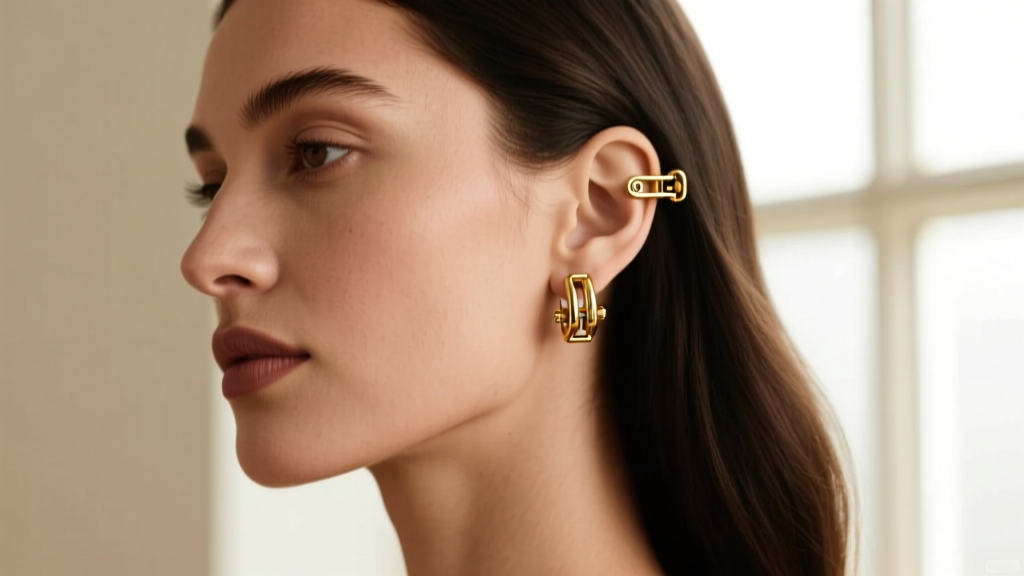
With the resurgence of vintage estate jewelry, many collectors want to convert non-pierced clip-on earrings into modern pierced studs or dangles. Ken frequently highlights the mechanical dangers of improper conversions. Vintage clip-ons rely on a high-tension spring hinge and a pressure paddle that clamps the earlobe. Over decades, this hinge pin suffers immense structural fatigue.
When troubleshooting a conversion, a lazy repair involves simply snipping off the clip-on paddle and soldering a post to the remaining hinge base. This is a critical failure waiting to happen. The hinge base is not structurally designed to bear the shear weight of a dangling earring. Ken's protocol requires the complete removal of the hinge mechanism via precision laser cutting, followed by the fabrication of a custom, flat 18k yellow gold backing plate. This plate is laser-welded to the rear of the earring body, providing a pristine, structurally sound surface for a new post or omega clip.
When to Abandon the DIY Route
While Earring Magic Ken empowers his audience with knowledge, he is adamant about the limits of at-home troubleshooting. According to the Gemological Institute of America (GIA), attempting to bend, reshape, or solder fine jewelry without proper metallurgical training often results in irreversible work-hardening and metal cracking.
If your earring features a micro-pave diamond setting, any physical stress applied to the shank or post can warp the microscopic prongs, leading to immediate stone loss. Similarly, if you are dealing with hollow-tube hoop earrings that have been crushed, internal structural reinforcement requires specialized mandrels and annealing processes that cannot be replicated on a kitchen counter. In these scenarios, the ultimate troubleshooting step is to place the piece in a soft pouch and hand it over to a certified master bench jeweler.


