Sage Earrings Buying Guide: Gemstones, Metals & Care
Discover how to buy authentic sage earrings. Compare chrysoprase, chalcedony, and prehnite, plus metal pairings, hardware specs, and pricing.
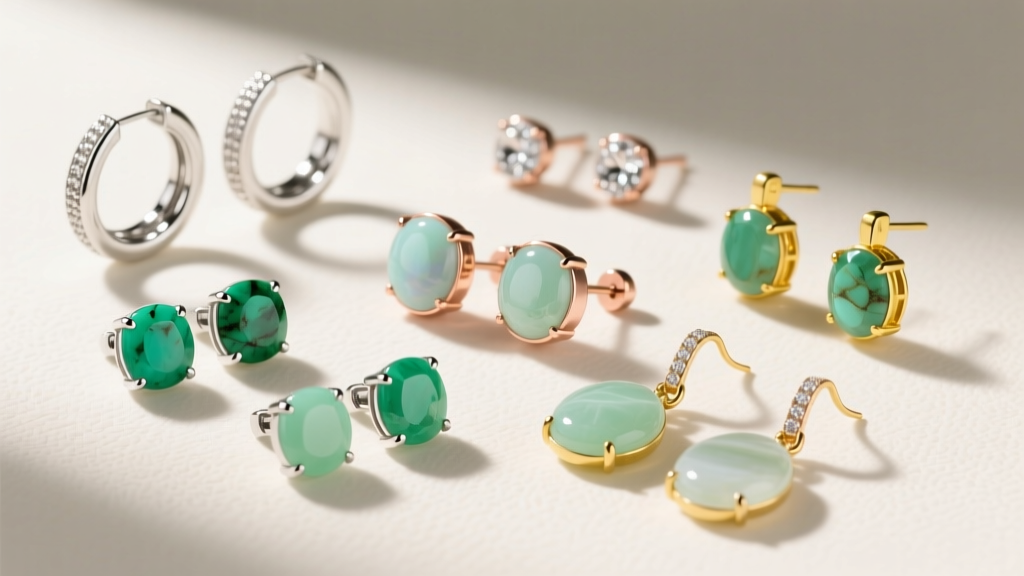
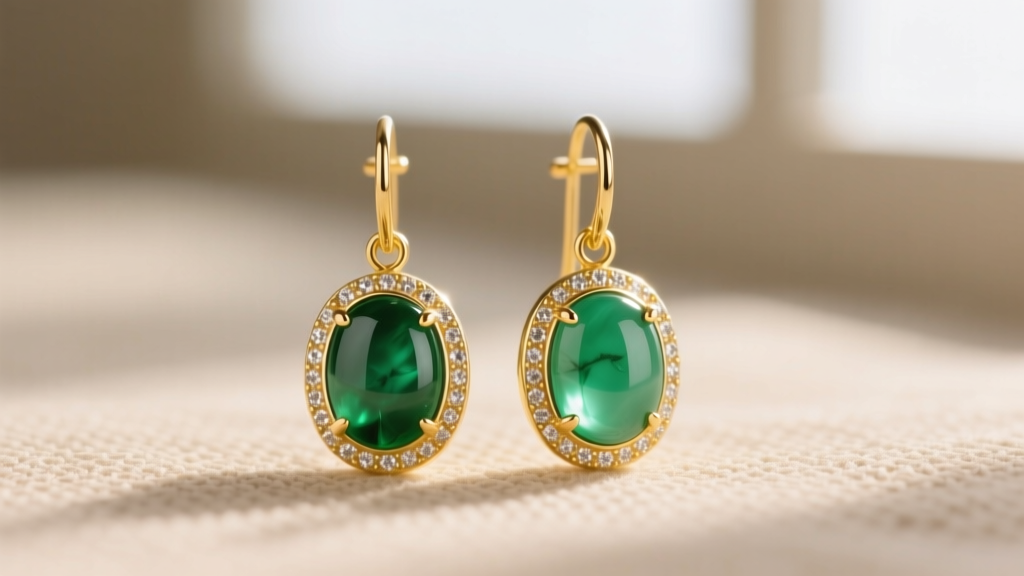
The Enduring Allure of Sage Green in Fine Jewelry
As we navigate the 2026 jewelry landscape, sage green has firmly transcended its status as a fleeting seasonal trend to become a foundational staple in fine jewelry collections. Unlike emerald or peridot, sage offers a muted, earthy elegance that bridges the gap between neutral versatility and colorful expression. However, shopping for sage earrings requires a discerning eye. The market is currently saturated with everything from natural cryptocrystalline quartzes to dyed imitations and cold-painted resins. This comprehensive buying guide will equip you with the gemological knowledge, metallurgical insights, and ergonomic specifications necessary to invest in high-quality sage earrings that will last a lifetime.
Decoding the Big Three: Natural Sage Gemstones
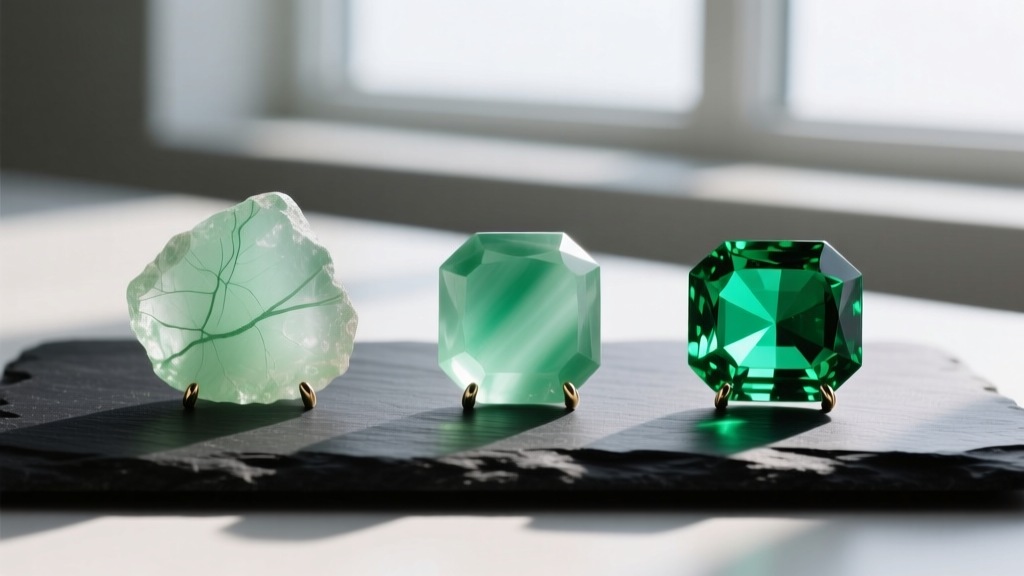
When jewelers refer to natural sage green stones, they are typically working with one of three distinct minerals. Understanding their structural differences is critical for determining durability, especially for everyday wear like studs or huggies.
1. Chrysoprase: The Vibrant Standard
Chrysoprase is a variety of chalcedony (cryptocrystalline quartz) that owes its sage-to-apple-green coloration to trace amounts of nickel silicate. With a Mohs hardness of 6.5 to 7, it is highly suitable for daily-wear earrings. However, buyers must be aware of a specific gemological quirk: chrysoprase can dehydrate and fade if exposed to prolonged, intense sunlight or high heat. According to the GIA Gem Encyclopedia, high-quality chrysoprase should exhibit a uniform, translucent to semi-opaque body color without visible dark inclusions.
2. Green Chalcedony: The Ethereal Choice
While chrysoprase is technically a type of chalcedony, the trade term 'green chalcedony' usually refers to stones with a softer, more translucent, and less saturated sage hue. It shares the same Mohs hardness (6.5-7) but lacks the nickel content of chrysoprase, making it a safer bet for wearers with severe contact dermatitis or nickel allergies. Its waxy luster makes it an exceptional candidate for carved or cabochon drop earrings.
3. Prehnite: The Raw, Earthy Option
Prehnite sits slightly lower on the Mohs scale at 6 to 6.5. It is characterized by its pale, milky sage color and frequent black epidote inclusions, which give it a raw, organic aesthetic. Because it has distinct cleavage planes, prehnite is more brittle than chalcedony. It is best suited for protective bezel settings in dangle earrings rather than prong-set studs, which leave the stone vulnerable to chipping upon impact.
The Enamel Alternative: Vitreous vs. Cold Applications
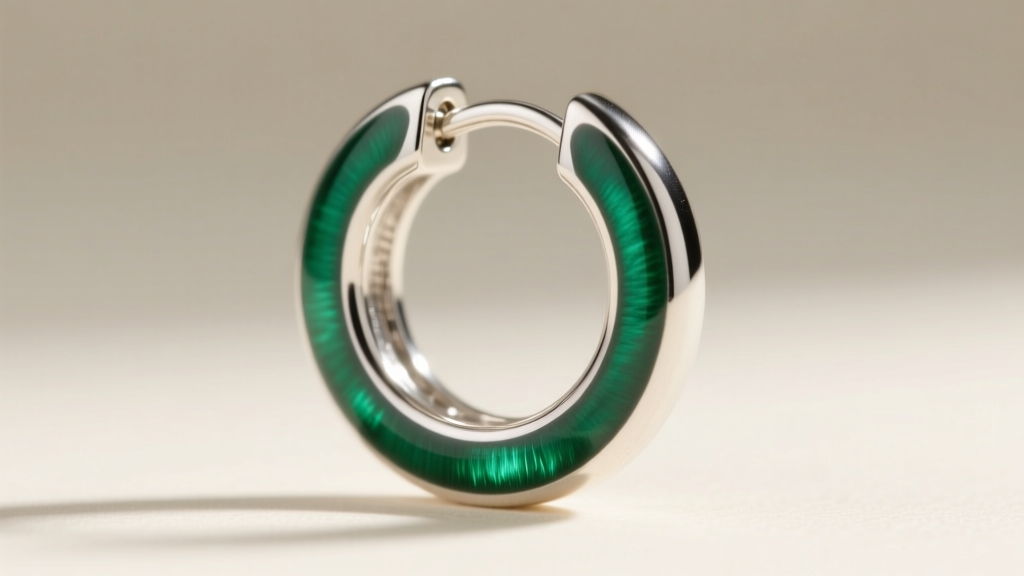
Not all sage earrings rely on gemstones. Enamel work has seen a massive resurgence in 2026, but the manufacturing method drastically impacts longevity and value.
- Vitreous Enamel: This traditional technique involves fusing powdered glass to a metal substrate (usually 18k gold or sterling silver) in a kiln at temperatures exceeding 1400°F. The result is a scratch-resistant, UV-stable sage finish that will never yellow or peel. Vitreous enamel is a hallmark of luxury and heirloom-quality craftsmanship.
- Cold Enamel (Epoxy Resin):strong> Often found in fast-fashion and entry-level contemporary jewelry, cold enamel is essentially a pigmented resin cured at room temperature. While it can perfectly mimic the opaque look of sage green, it is highly susceptible to micro-scratches, chemical degradation from perfumes, and yellowing from UV exposure over a 2-to-3-year period.
Metallurgy & Undertone Matching
The metal alloy framing your sage earrings will dictate the overall temperature of the piece. Sage green is remarkably versatile, but specific pairings yield distinct aesthetic results:
Expert Styling Note: For cool skin undertones, pair sage chalcedony with platinum or rhodium-plated 14k white gold to emphasize the stone's icy, translucent qualities. For warm undertones, 18k yellow gold creates a rich, botanical contrast that makes the green appear more vibrant and organic.
Rose gold (typically 75% gold, 22.25% copper, and 2.75% silver in 18k formulations) offers a vintage, earthy pairing that complements the muted nature of prehnite, though it can sometimes clash with the neon-adjacent brightness of top-tier chrysoprase.
Hardware, Gauges, and Ergonomics
A beautiful sage gemstone will be rendered unwearable if the hardware is poorly engineered. When evaluating listings or inspecting pieces in person, pay close attention to the following specifications:
- Post Gauge: Standard lobe piercings are typically 20-gauge (0.81mm) or 18-gauge (1.02mm). If you are purchasing heavy sage chalcedony drops, ensure the post is 18-gauge to prevent bending and earlobe sagging. For cartilage or helix placements, 16-gauge (1.29mm) is the industry standard to prevent the 'cheese-cutter effect'.
- Earring Backs: Avoid standard friction backs (butterfly clutches) for any sage earring weighing over 3 grams. The tension springs wear out, leading to lost stones. Instead, look for La Pousette backs (which use a mechanical locking mechanism similar to a watch crown) or secure screw-backs.
- Hinge Tension (for Huggies/Hoops): If buying sage enamel huggies, test the snap closure. A high-quality cast hinge should emit a distinct, sharp 'click' when closed, indicating precise CNC milling or expert hand-forging.
Pricing Matrix: What Should You Expect to Pay?
Pricing for sage earrings varies wildly based on the origin of the color and the karatage of the metal. Below is a baseline pricing matrix for the 2026 market, assuming standard 14k gold settings and ethically sourced stones.
| Material / Stone | Mohs Hardness | Stud Price Range (USD) | Drop/Dangle Price Range (USD) | Key Value Driver |
|---|---|---|---|---|
| Natural Chrysoprase | 6.5 - 7.0 | $150 - $400 | $350 - $850+ | Color saturation, lack of inclusions |
| Green Chalcedony | 6.5 - 7.0 | $120 - $300 | $250 - $600 | Translucency, custom lapidary cuts |
| Prehnite | 6.0 - 6.5 | $90 - $200 | $180 - $450 | Artistic inclusion patterns |
| Vitreous Enamel | N/A (Glass) | $250 - $600 | $500 - $1,500+ | Guilloché detailing, kiln-firing |
| Dyed Quartz (Imitation) | 7.0 | $30 - $80 | $60 - $150 | Low cost, poor longevity |
Authenticity & Treatment Detection
The most common deception in the sage earring market is selling dyed gray or white chalcedony as natural chrysoprase or high-grade jadeite. According to data from the Mindat Mineralogy Database, natural chrysoprase gets its color from microscopic inclusions of nickel-bearing minerals, not from structural dye.
To spot dyed imitations, use a 10x jeweler's loupe to examine the surface of the cabochon. If you see green color concentrating in the microscopic fractures or spiderweb-like crackle patterns, the stone has been chemically dyed. Furthermore, natural chrysoprase will exhibit a slightly waxy to vitreous luster and may show natural, irregular color banding, whereas dyed stones often look unnaturally uniform or overly bright, resembling a synthetic plastic.
Final Verdict: Choosing Your Perfect Pair
Investing in sage earrings is an exercise in balancing aesthetic preference with gemological reality. If you prioritize vibrant, opaque color and everyday durability, a pair of 18k yellow gold and chrysoprase cabochon studs is an unbeatable choice. If you prefer a softer, more ethereal look that plays with light, opt for faceted green chalcedony drops set in white gold. For the avant-garde collector, prehnite with black epidote inclusions offers a raw, unrepeatable organic beauty. Regardless of your choice, always demand transparency regarding treatments, verify the post gauge for structural integrity, and insist on mechanical locking backs for any stone over three grams. By adhering to these parameters, your sage earrings will remain a sophisticated, enduring fixture in your collection for decades to come.


