Lymphatic Drainage Earrings: A Buyer's Guide To Wellness Jewelry
Discover what to look for in lymphatic drainage earrings. Our expert guide covers magnetic strength, copper grades, acupressure points, and safety.

The Intersection of Wellness and Ear Jewelry
The wellness jewelry market has expanded rapidly, and one of the most searched niche categories in 2026 is lymphatic drainage earrings. Consumers are increasingly looking for passive, wearable solutions to reduce facial puffiness, support detoxification, and promote overall well-being. But what exactly are these earrings, and do they work? As jewelry experts, we must separate the metallurgical facts from the marketing fiction.
From a strictly medical standpoint, the lymphatic system relies on muscle contraction, manual massage, and gravity to move lymph fluid. No earring can mechanically replace lymphatic drainage massage. However, the premise of these earrings is rooted in auriculotherapy—a recognized complementary practice where specific points on the ear are stimulated to influence corresponding body systems. When you combine auricular acupressure with magnetic therapy and conductive metals, you get what the market terms 'lymphatic drainage earrings.'
If you are shopping for these pieces, your focus should be on material safety, magnetic flux density, and precise anatomical design. This buying guide will show you exactly what to look for to ensure you are getting a high-quality, safe, and well-crafted product.
Core Materials: Copper, Magnets, and Tourmaline
The efficacy and safety of wellness earrings depend entirely on their material composition. Cheap alloys can cause contact dermatitis, while high-grade materials offer the intended therapeutic experience.
1. Copper (The Conductor)
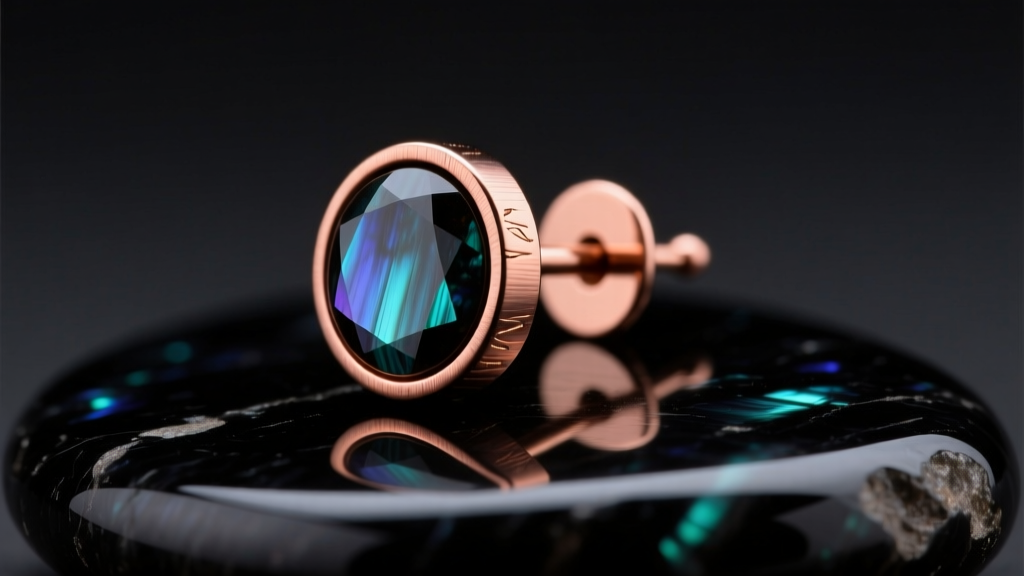
Copper is highly valued in wellness jewelry for its natural conductivity and historical use in reducing inflammation. When shopping, look for C11000 (pure commercial copper) rather than copper-plated brass. Pure copper will naturally oxidize and may leave a harmless green residue on the skin (copper chelate), which some purists believe is part of the absorption process. If you want to avoid the green tint, look for pieces that use a PVD (Physical Vapor Deposition) titanium coating over a copper core, though this slightly reduces direct skin conductivity.
2. Neodymium Magnets (The Stimulator)
According to the National Center for Complementary and Integrative Health (NCCIH), magnetic therapy is widely used for pain and wellness, though clinical evidence remains mixed. For ear jewelry, you want N52 grade Neodymium (NdFeB) magnets. These are the strongest commercially available and provide a surface magnetic field of 1,000 to 1,200 Gauss. Avoid ceramic or ferrite magnets, which are too weak to provide meaningful acupressure stimulation through the cartilage or lobe tissue.
3. Tourmaline and Germanium (The Energetics)
Many premium lymphatic drainage earrings feature inlays of black tourmaline or germanium. Tourmaline is a semi-precious stone known to emit far-infrared (FIR) rays and negative ions when heated by the body's natural temperature. While the scientific consensus on FIR jewelry is still evolving, tourmaline adds a beautiful, dark aesthetic contrast to copper and gold settings.
The Buyer's Checklist: What to Look For
When evaluating a pair of lymphatic drainage earrings, run them through this strict quality-assurance checklist to avoid overpriced novelties.
- Gauge and Post Thickness: For pierced lobes, standard 20G (0.8mm) or 18G (1.0mm) titanium or copper posts are ideal. Thicker posts can cause tissue rejection in fresh piercings.
- Magnetic Clasp Security: If the earring relies on a magnetic backing to hold it in place, the backing must contain a countersunk N52 magnet that aligns perfectly with the front stud. Weak clasps will result in lost jewelry.
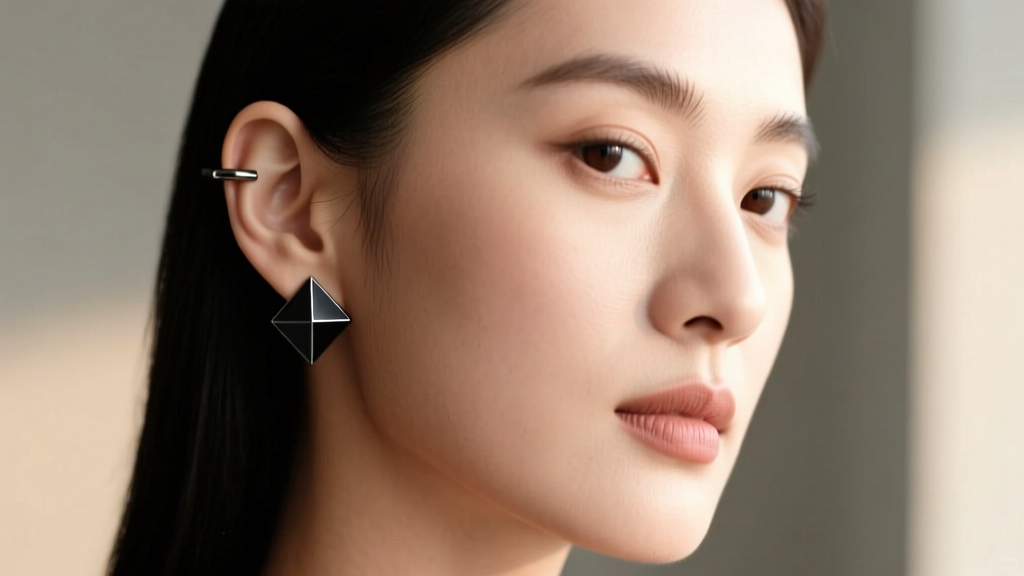
- Ear Cuff Tension (For Non-Pierced): Many wellness earrings are designed as cartilage cuffs targeting the 'Apex' or 'Shen Men' points. The cuff should be made of memory metal (like annealed copper or titanium) that can be gently squeezed to fit the helix without losing its shape or pinching the skin.
- Hypoallergenic Guarantees: Ensure any secondary metals (like the post or clutch) are ASTM F136 implant-grade titanium or 316L surgical steel to prevent nickel allergies.
Material Comparison Chart
| Material | Primary Benefit | Drawback | Price Range |
|---|---|---|---|
| Pure Copper (C110) | High conductivity, traditional wellness | Oxidizes, turns skin green | $15 - $35 |
| PVD Coated Copper | Hypoallergenic, no tarnish | Reduces direct skin contact | $30 - $55 |
| N52 Neodymium | Strongest localized acupressure | Can interfere with medical devices | $25 - $60 |
| Tourmaline Inlay | Aesthetic, FIR emission claims | Brittle, requires protective bezel | $40 - $85 |
Targeting the Right Acupressure Points
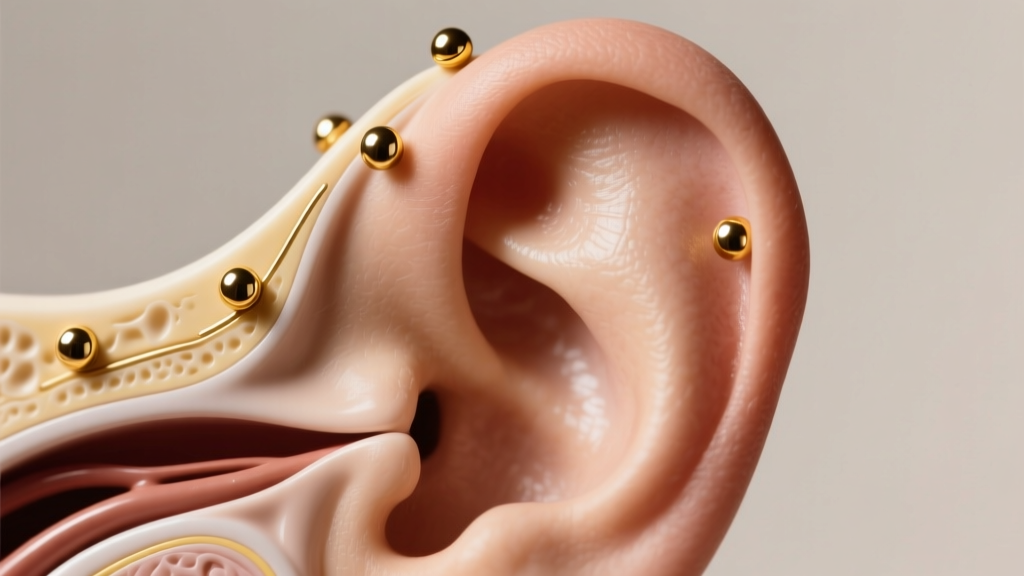
The design of the earring must match the anatomy of the ear to target the correct auricular points associated with lymphatic and endocrine function. In auriculotherapy, the ear is viewed as an inverted fetus, with the lower lobe representing the head and the upper ridges representing the spine and internal organs.
The Endocrine Point
Located in the intertragic notch (the small dip just above the earlobe), this point is traditionally targeted to support hormonal balance and systemic regulation. Small, flush-fitting magnetic studs or huggies are best here, as larger dangles will pull on the delicate tissue and miss the acupressure target entirely.
The Apex and Shen Men Points
Located on the upper triangular fossa and the antihelix, these points are associated with reducing inflammation, calming the nervous system, and promoting detoxification pathways. Because this area is thick cartilage, you need earrings with high magnetic flux (N52) or tension-based ear cuffs that apply steady, gentle pressure to stimulate the nerve endings beneath the skin.
Pricing, Red Flags, and Brand Transparency
The wellness jewelry space is unfortunately rife with dropshipped novelties making wild medical claims. A legitimate, well-crafted pair of lymphatic drainage earrings will typically cost between $35 and $80. Anything under $15 is likely using weak ferrite magnets and nickel-laced base metals.
Major Red Flags to Avoid:
- 'FDA Approved' Claims: The FDA does not approve jewelry for lymphatic drainage or weight loss. Any brand claiming FDA approval for their earrings is using deceptive marketing.
- Guaranteed Medical Cures: Reputable brands will use language like 'supports wellness,' 'promotes relaxation,' or 'inspired by auriculotherapy.' Avoid brands that promise to cure lymphedema or replace medical treatments.
- Unverified Magnet Strength: If the product listing does not specify the Gauss rating or the grade of the neodymium magnet, assume it is a weak, cheap ceramic magnet.
Final Verdict: Managing Expectations
Lymphatic drainage earrings are a fascinating blend of ancient acupressure concepts and modern metallurgy. While they will not replace a professional manual lymphatic drainage massage or a healthy lifestyle, high-quality pieces made from pure copper, N52 neodymium, and genuine tourmaline can serve as beautiful, grounding additions to your daily wellness routine. By prioritizing material purity, precise anatomical fit, and realistic expectations, you can invest in ear jewelry that looks exceptional and aligns with your holistic health journey.


