Gold Dolphin Earrings: 2026 Oceanic Jewelry Trend Analysis
Explore the 2026 trend of gold dolphin earrings. Our style analysis covers karat choices, ear placements, pricing tiers, and expert care tips.

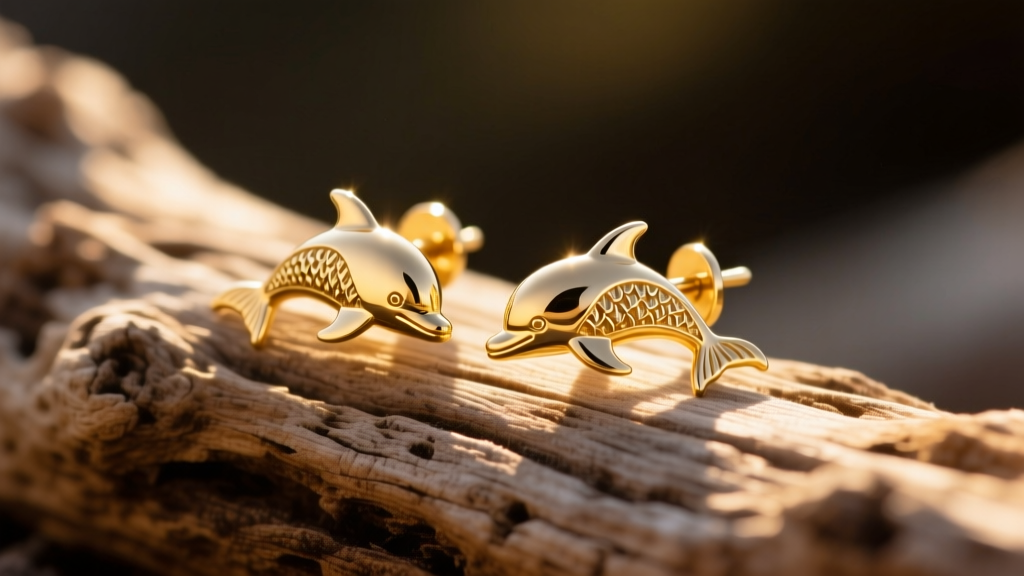
The jewelry landscape of 2026 has witnessed a fascinating maturation of marine-inspired aesthetics. What began as the playful, nostalgia-driven 'mermaidcore' movement of the early 2020s has evolved into a sophisticated category known among industry insiders as 'pelagic luxury.' At the forefront of this shift are gold dolphin earrings, a motif that has transitioned from novelty costume pieces to highly sought-after fine jewelry staples. As consumers increasingly demand pieces that blend organic fluidity with enduring metallurgical value, the dolphin—a symbol of intelligence, freedom, and oceanic grace—has become a canvas for master jewelers to showcase advanced casting techniques and micro-sculpting.
In this comprehensive trend analysis, we dissect the anatomy of the modern gold dolphin earring, evaluating everything from alloy integrity and structural vulnerabilities to optimal ear placements and 2026 market pricing. Whether you are a collector of marine motifs or a stylist looking to curate oceanic elegance for your clients, understanding the nuances of this trend is essential.
The Evolution of Oceanic Aesthetics in Fine Jewelry
Historically, animal motifs in jewelry were dominated by terrestrial predators—panthers, serpents, and lions—championed by heritage houses like Cartier and Bvlgari. However, the 2026 consumer demographic is heavily influenced by environmental consciousness and a desire for fluid, gender-neutral designs. According to trend forecasters, marine life offers a softer, more dynamic silhouette that appeals to a broader audience. The dolphin, with its naturally curved rostrum (snout) and sweeping flukes (tail), provides an ergonomic shape that perfectly mirrors the natural contours of the human ear.
"The transition of the dolphin from a kitschy souvenir staple to a high-jewelry motif represents a broader industry pivot toward organic, nature-reverent luxury that doesn't compromise on structural elegance."
Today's iterations avoid the overly literal, cartoonish depictions of the past. Instead, contemporary gold dolphin earrings utilize abstract minimalism, textured 'melted' gold finishes that mimic water tension, or hyper-realistic 3D CAD designs that capture the microscopic ridges of a dolphin's skin.
Metallurgy and Morphology: Why Karat Weight Matters
When sculpting an animal with protruding, delicate features like a dolphin's dorsal fin and rostrum, the choice of gold alloy is not merely a matter of color preference—it is a structural necessity. Understanding the metallurgical properties of gold is critical for both designers and buyers.
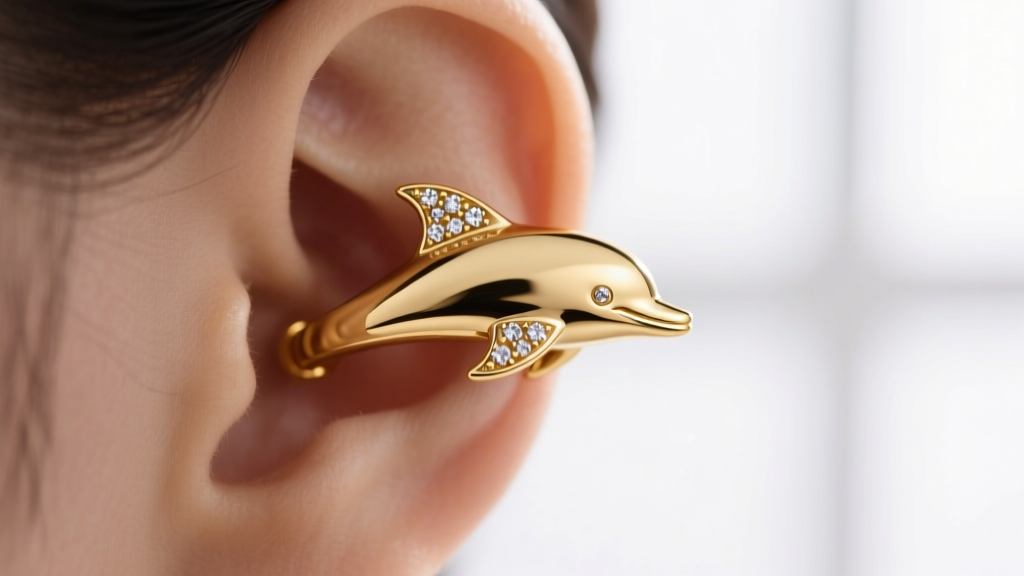
The 14k vs. 18k Structural Dilemma
Pure 24k gold is far too malleable for intricate animal figures. Therefore, jewelers must alloy it with metals like copper, silver, and zinc.
- 14k Gold (58.5% Pure Gold): This is the undisputed champion for dolphin studs and dangles. The higher presence of alloying metals provides the tensile strength required to prevent the dolphin's slender snout and thin tail flukes from bending during daily wear or accidental snags on clothing.
- 18k Gold (75% Pure Gold): While 18k offers a richer, warmer yellow hue and is hypoallergenic for sensitive skin, its softer nature requires the designer to cast the dolphin with a thicker, more stylized profile. Delicate, hyper-realistic 18k dolphin earrings are prone to deformation over time unless reinforced with a hidden platinum or titanium armature.
Casting Techniques: Lost-Wax vs. 3D Resin
The traditional lost-wax casting method remains popular for artisanal, one-of-a-kind dolphin pieces, allowing for organic, hand-carved imperfections that mimic the movement of water. Conversely, mass-market and high-end boutique brands in 2026 are heavily utilizing 3D CAD resin printing. This allows for micro-pavé diamond settings to be integrated seamlessly into the dolphin's blowhole or along the lateral line, a feat nearly impossible with traditional hand-carving.
Style Matrix: Matching Silhouettes to Ear Anatomy
The versatility of the dolphin motif allows it to traverse multiple earring categories. However, the visual weight and orientation of the dolphin must be matched to the specific ear placement and the wearer's face shape to achieve aesthetic harmony.
| Earring Style | Dolphin Orientation | Best Ear Placement | Ideal Face Shape |
|---|---|---|---|
| Stud | Horizontal (Swimming) | Standard Lobe Piercing | Round & Oval (Elongates the face horizontally) |
| Ear Cuff | Vertical (Leaping upward) | Helix or Snug Ridge | Square & Heart (Draws the eye upward, softening jawlines) |
| Dangle / Drop | Vertical (Diving downward) | Lobe or Upper Lobe | Oblong & Diamond (Adds width and movement to the lower face) |
| Huggie Hoop | Curved (Following the hoop) | Cartilage or Lobe | All Face Shapes (Provides a balanced, framing effect) |
For those with multiple piercings, a popular 2026 styling technique is the 'oceanic cascade,' where a small 14k gold dolphin stud is placed in the upper lobe, paired with a minimalist wave-textured huggie in the standard lobe piercing, creating a narrative of movement without overwhelming the ear.
2026 Market Pricing and Sourcing Tiers
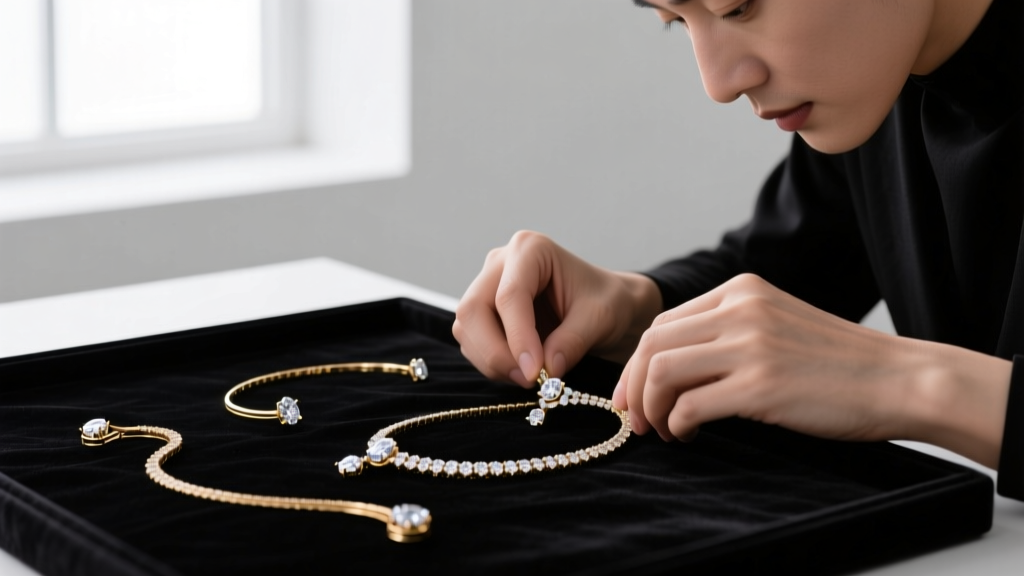
As the demand for marine-inspired fine jewelry has surged, the market has stratified into distinct pricing tiers. The integration of certified recycled gold has also become a major purchasing driver for eco-conscious consumers, slightly increasing production costs but adding significant brand value.
| Market Tier | Material Specifications | Design Complexity | Estimated Price Range (USD) |
|---|---|---|---|
| Accessible Luxury | 10k or 14k Gold (Recycled), Cubic Zirconia accents | Cast from standard molds, minimal hand-polishing, stylized silhouettes. | $85 - $220 |
| Boutique Artisan | 14k or 18k Solid Gold, Conflict-Free Diamonds (VS clarity) | Hand-finished, lost-wax cast, unique texturing, micro-pavé integration. | $350 - $850 |
| High Jewelry | 18k Gold, Platinum armatures, Fancy Color Diamonds, Sapphire eyes | Bespoke sculpting, articulated joints (moving flukes), master-set gems. | $1,500 - $4,500+ |
When shopping in the Boutique Artisan tier, buyers should look for hallmarks indicating the origin of the gold. Brands that utilize SCS-Certified recycled gold are leading the 2026 pelagic luxury market, aligning the wearer's love for the ocean with tangible environmental stewardship.
Wear and Care: Navigating Environmental Exposure
A common oversight among marine jewelry enthusiasts is wearing their gold dolphin earrings into the very environment that inspired them: the ocean. While gold is highly resistant to tarnish, the alloys mixed with it are not immune to environmental degradation.
The Saltwater and Chlorine Threat
Saltwater can cause microscopic pitting in the copper and silver alloys present in 14k and 18k gold. Over time, this will dull the high-polish finish of the dolphin's body, giving it a matte, scratched appearance. More dangerously, chlorine (found in pools and hot tubs) can cause 'stress corrosion cracking' in gold alloys. If your dolphin earring has a delicate, protruding rostrum, exposure to chlorinated water can cause the snout to become brittle and snap off entirely under minor pressure.
Maintenance Protocol
To maintain the structural integrity and luster of your gold dolphin earrings, adhere to the following care regimen:
- Post-Swim Protocol: If exposed to saltwater or sweat, immediately rinse the earrings in lukewarm distilled water and dry them with a microfiber cloth. Never use paper towels, as the wood fibers can catch on the delicate dorsal fin.
- Ultrasonic Caution: Avoid ultrasonic cleaners if your dolphin earrings feature micro-pavé diamonds or sapphire eyes. The high-frequency vibrations can loosen the delicate prongs holding these accent stones.
- Storage: Store dangle and drop dolphin earrings hanging or laid completely flat. Tossing them into a jewelry box where the tail flukes can be crushed against heavier pieces is the leading cause of deformation in 18k gold marine motifs.
The Verdict: A Lasting Staple or Passing Fad?
The 2026 data is conclusive: gold dolphin earrings have transcended the lifecycle of a micro-trend. By marrying the fluid, ergonomic geometry of marine life with the enduring value of precious metals, designers have created a category that resonates on both an emotional and aesthetic level. Whether executed as a subtle, abstract 14k gold ear cuff or a hyper-detailed, diamond-accented 18k drop earring, the dolphin motif offers a sophisticated nod to the natural world. For the discerning collector, investing in a structurally sound, ethically sourced piece of pelagic luxury is not just a stylistic choice, but a celebration of the ocean's enduring elegance.


