Kandi Earrings Buying Guide: Materials, Styles & Sizing
Discover the ultimate kandi earrings buying guide. Learn about hypoallergenic posts, bead materials, weight limits, and festival-ready sizing tips.

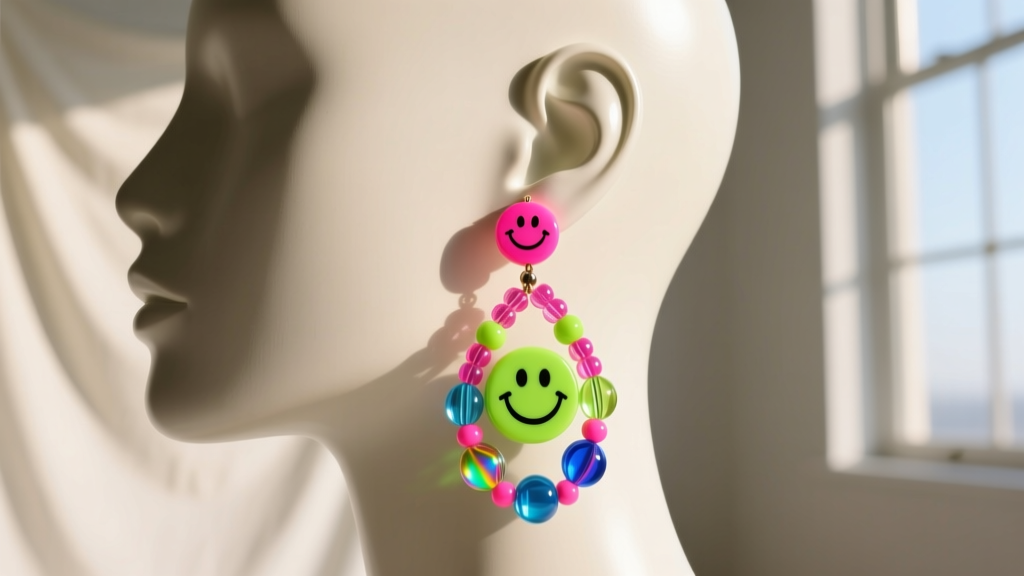
Originating from the underground rave scene of the 1990s, kandi has evolved from simple woven wrist cuffs into a sprawling, colorful medium of self-expression. Today, the PLUR (Peace, Love, Unity, Respect) community and Y2K fashion enthusiasts alike have embraced kandi earrings as a staple of festival wear. However, translating a craft traditionally made with stretchy elastic cord into rigid, ear-safe jewelry presents unique structural and dermatological challenges.
If you are shopping for kandi ear jewelry—whether from independent Etsy creators, festival vendors, or specialized rave-wear brands—knowing what to look for is critical. A poorly constructed beaded earring can lead to allergic contact dermatitis, stretched earlobes, or mid-set hardware failures. This comprehensive buying guide breaks down the exact materials, gauge sizes, and construction methods you need to evaluate before adding kandi to your ear curation.
The Evolution of Kandi: From Wrist Cuffs to Ear Lobes
Traditional kandi is crafted using elastic string and plastic pony beads, designed to be traded via a specific handshake. When artisans began adapting this aesthetic for the ears, they had to abandon the elastic cord in favor of rigid metal posts, hooks, and wire-wrapping techniques. This shift fundamentally changed the physics of the jewelry. While a wrist cuff distributes weight evenly around the arm, kandi earrings concentrate the mass of acrylic, glass, and resin beads onto a single puncture site. Understanding this weight distribution is the first step in selecting a pair that you can comfortably wear through a 12-hour festival set.
Critical Hardware: Why the Post Material Matters Most
The most common failure point in amateur-made kandi earrings is the metal hardware. Many crafters use bulk-bought, nickel-plated brass or mystery-metal earring posts to keep costs low. When exposed to sweat, humidity, and the natural oils of your skin, these base metals oxidize rapidly and trigger severe allergic reactions.
According to the Association of Professional Piercers (APP), the gold standard for initial and sensitive piercings is implant-grade titanium (ASTM F-136). When buying kandi earrings, always verify the metal grade of the post or hook.
- Implant-Grade Titanium (ASTM F-136): The absolute best choice. It is completely nickel-free, lightweight, and will not tarnish when exposed to festival sweat or sunscreen.
- Surgical Steel (316L): Acceptable for fully healed lobes, but contains trace amounts of nickel. Avoid if you have known metal sensitivities.
- Nickel-Plated Brass / Tibetan Silver: Avoid entirely. The plating will wear off, leading to green skin and contact dermatitis, a common issue noted by the American Academy of Dermatology.
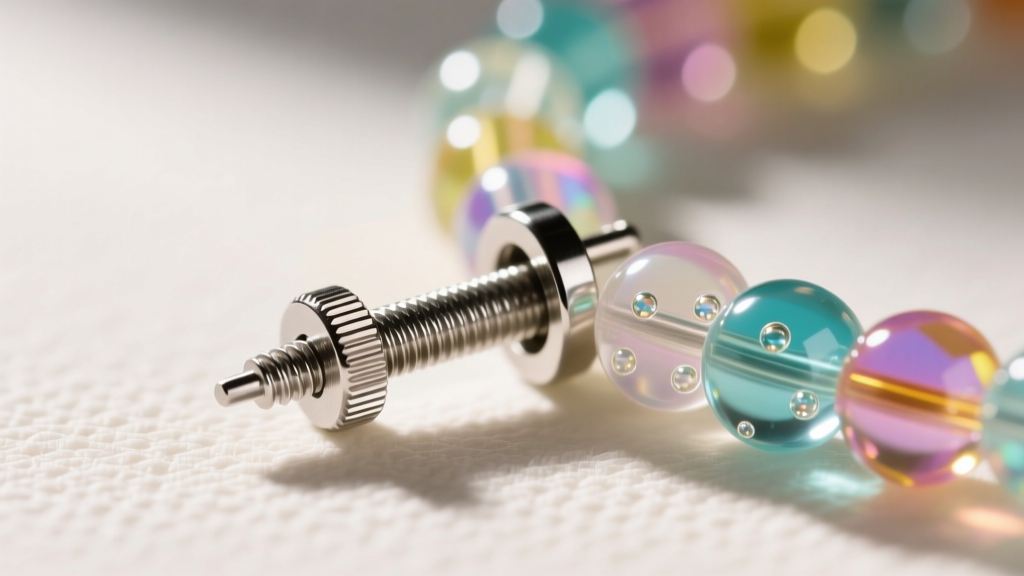
Gauge Sizing for Lobes vs. Cartilage
Standard kandi earrings are typically designed for earlobes. Ensure the wire or post matches your piercing gauge to prevent the 'cheese-cutter effect,' where thin wire migrates through the fistula.
| Piercing Location | Standard Gauge | Millimeter (mm) | Kandi Style Recommendation |
|---|---|---|---|
| Standard Earlobe | 20g or 18g | 0.81mm - 1.02mm | Drop earrings, dangles, heavy bead clusters |
| Upper Lobe / Helix | 16g | 1.29mm | Flat-back labret studs with single bead charms |
| Tragus / Conch | 16g | 1.29mm | Small kandi hoops or huggies (10mm-12mm diameter) |
Bead Composition: Acrylic, Glass, and UV Resin Compared
The beads themselves dictate the weight, visual impact, and longevity of your kandi earrings. While traditional pony beads are made of basic acrylic, high-end kandi artisans now utilize a variety of materials to achieve specific aesthetic effects.
| Material | Avg Weight (per 6mm bead) | Durability | Best For | Price Range |
|---|---|---|---|---|
| Standard Acrylic | 0.2g | Moderate (can crack under pressure) | Massive, multi-layered dangles | $10 - $25 |
| Glass Seed Beads | 0.8g | High (shatter-resistant but heavy) | Intricate wire-wrapped hoops | $25 - $50 |
| UV Resin (Custom) | 0.5g | High (scratch resistant) | Embedded glitter, 3D character beads | $30 - $65 |
| Wood / Bone | 0.1g | Low (porous, absorbs sweat) | Boho-rave aesthetics, lightweight studs | $15 - $30 |
Pro-Tip: If you are buying glass beaded kandi earrings, ensure the artisan has used a wire-wrapping technique rather than stringing them on a rigid post. Glass beads will chip and crack if they clink together on a stiff metal rod during movement.
Construction Methods: Wire-Wrapping vs. Post-Gluing
How the beads are attached to the metal hardware is the ultimate test of a kandi earring's quality. There are two primary methods used by creators, and knowing the difference will save you from losing your favorite jewelry mid-dance.
1. Wire-Wrapping and Eye-Pins (The Gold Standard)
Professional kandi jewelers use stainless steel or titanium eye-pins and head-pins. The bead is threaded onto the pin, and the excess wire is looped and wrapped securely using jewelry pliers. This mechanical bond is virtually unbreakable under normal festival conditions. It allows the beads to articulate and swing freely, reducing stress on the earring post.
2. Cyanoacrylate Adhesive (The Red Flag)
Many mass-produced or amateur kandi earrings rely on superglue (cyanoacrylate) to attach a bead cluster directly to a flat-pad earring post. This is a massive failure point. Cyanoacrylate becomes brittle when cured and degrades rapidly when exposed to the acidity of human sweat and the heat of a crowded venue. If you see a flat metal pad with a cluster of beads glued directly to it, put it back.

Sizing and Weight Distribution for Festival Wear
The 'Lobe Drag' effect is a real phenomenon in the festival community. Wearing heavy beaded earrings for 10+ hours can cause micro-tears in the fistula, leading to swelling, bleeding, and permanent stretching of the earlobe. As a general rule of thumb, your kandi earrings should not exceed 15 grams per ear for all-day wear.
Securing the Backing
Standard butterfly friction backs are inadequate for kandi earrings. The grooves on the post collect sweat, dirt, and dead skin, and the tension of the heavy beads often causes the backing to slip off. When buying or commissioning kandi earrings, look for the following securing mechanisms:
- Flat-Back Labret Posts: These thread or push into a flat disc that sits flush against the back of the ear, eliminating the poking sensation of a traditional post and providing a wider surface area for weight distribution.
- Silicone O-Rings: If the earrings use a hook or a straight post, ensure the creator includes medical-grade silicone O-rings to lock the earring in place securely.
- Lever-Back Hooks: For dangles, a lever-back closure provides a secure, closed loop that prevents the earring from catching on hoodies or backpacks.
Red Flags to Avoid When Buying Kandi Ear Jewelry
When scrolling through online marketplaces or browsing festival vendor tents, keep an eye out for these immediate dealbreakers:
- Exposed Wire Ends: If the wire-wrapping is sloppy and leaves sharp, un-tucked ends, it will snag your hair and scratch your neck.
- Porous Beads in Sweat Zones: Avoid unsealed wooden or clay beads for dangles that will rest against your neck and jawline. They will absorb sweat and harbor bacteria, leading to foul odors and skin breakouts.
- Overly Thick Hooks: Some artisans use 14g or 12g wire for French hooks to support heavy beads. Forcing a thick hook through a standard 20g lobe piercing will cause immediate trauma and pain.
Care and Maintenance for Rave-Ready Earrings
Kandi earrings endure harsh environments: aerosolized sweat, spilled drinks, sunscreen, and dust. Proper maintenance ensures your investment lasts beyond a single festival season.
After every wear, wipe down the metal hardware with a lint-free cloth dampened with 70% isopropyl alcohol. Do not submerge UV resin or painted acrylic beads in alcohol, as this will strip the finish and cause the resin to cloud. Instead, use a soft-bristled toothbrush dipped in mild, fragrance-free antibacterial soap and warm water to gently scrub the crevices between the beads. Rinse quickly and pat dry with a microfiber towel. Store your kandi earrings in a hard-shell case or a compartmentalized jewelry box to prevent the wire loops from crushing or tangling with one another.
The Bottom Line: True kandi culture is about connection and artistry. By demanding high-quality, hypoallergenic hardware and smart weight distribution from the artisans you support, you ensure that your kandi earrings remain a joyful, pain-free extension of your festival identity.


