Why Does Earrings Stink? The Science of Ear Odor & Metal Trends
Discover why does earrings stink, the science behind ear odor, and the best hypoallergenic metals and flat-back styles to keep piercings fresh.

The Anatomy of Ear Odor: Addressing the Search Trend
If you have ever found yourself typing why does earrings stink into a search engine late at night, you are far from alone. The phenomenon colloquially known as "ear cheese" is a universal experience for jewelry wearers, yet it remains one of the most misunderstood aspects of body modification and accessory styling. The unpleasant, sulfurous odor that accumulates on earring posts and inside the piercing fistula is not a sign of poor hygiene; rather, it is a complex biological reaction between your body's natural secretions, environmental bacteria, and the metallurgical composition of your jewelry.
From a style and trend analysis perspective, the growing consumer awareness of this issue is actively reshaping the 2026 jewelry market. Discerning buyers are no longer tolerating fast-fashion alloys that oxidize and trap odors. Instead, there is a massive pivot toward hygiene-conscious luxury, biocompatible metals, and ergonomic backing systems. To understand this shift, we must first look at the microscopic environment of the earlobe.
The Biology of the Fistula: Sebum, Keratin, and Bacteria
A healed piercing is essentially a fistula—a tube of skin that lines the hole. Just like the surface of your body, the inside of this tube undergoes continuous desquamation (the shedding of dead skin cells). Simultaneously, the sebaceous glands surrounding the earlobe secrete sebum, an oily substance designed to lubricate and waterproof the skin.
When dead skin cells (keratin) mix with sebum, they create a thick, paste-like substance. This mixture becomes trapped in the microscopic crevices of earring posts and the tight spaces behind the earlobe. Naturally occurring skin bacteria, particularly Corynebacterium and Staphylococcus species, feed on this keratin-sebum matrix. As they break down the proteins and lipids, they release volatile sulfur compounds and short-chain fatty acids (like isovaleric acid), which produce the distinct, pungent odor associated with unworn or freshly removed earrings.
Material Porosity: The Hidden Culprit in Your Jewelry Box
The severity of the odor is directly correlated to the porosity and chemical reactivity of the earring material. Cheap base metals not only harbor bacteria in their micro-abrasions but also chemically react with the sulfur in your sweat and sebum, accelerating the breakdown process and creating a metallic, foul scent.
| Material Grade | Porosity & Surface Texture | Odor Risk | Biocompatibility |
|---|---|---|---|
| Brass / Copper Alloys | High (micro-porous, prone to oxidation) | Severe | Poor (high allergy risk) |
| Nickel-Silver (Alpaca) | Moderate (tarnishes easily) | High | Poor (contains nickel) |
| 316L Surgical Steel | Low (but contains microscopic inclusions) | Moderate | Fair (nickel content varies) |
| Solid 14k / 18k Gold | Very Low (highly polished, inert) | Low | Excellent (if nickel-free) |
| Implant-Grade Titanium (ASTM F136) | Zero (mirror polish, completely inert) | None | Superior (industry standard) |
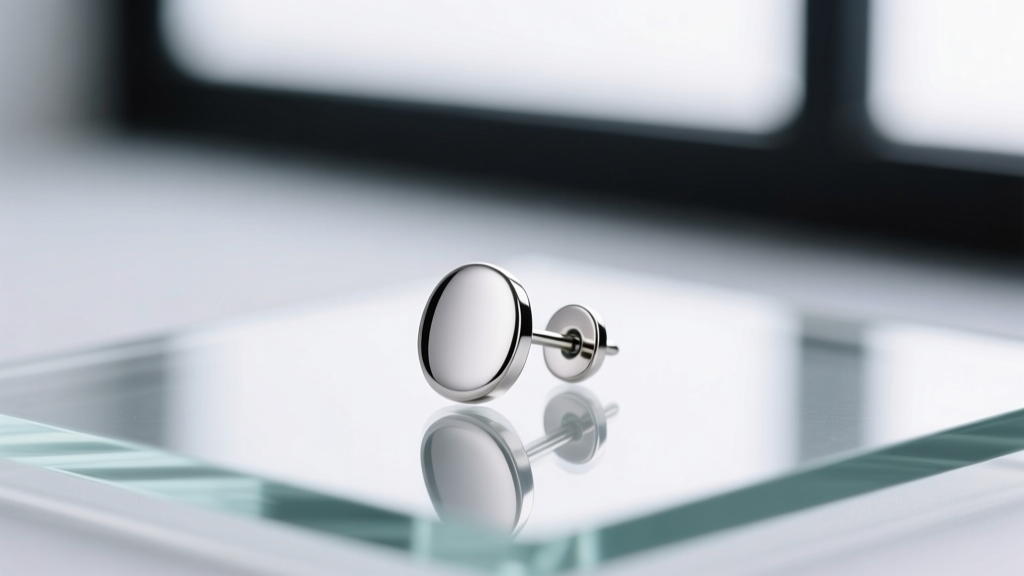
According to the Association of Professional Piercers, implant-grade titanium (specifically ASTM F136) is the gold standard for body jewelry. Its surface can be polished to a mirror finish that leaves absolutely zero microscopic pores for bacteria and sebum to cling to, effectively neutralizing the "stink" factor at the source.
The 2026 Style Shift: Hygiene-Conscious Luxury
In 2026, the jewelry industry is witnessing a definitive split between decorative fast fashion and structural, health-focused fine jewelry. The modern consumer is highly educated on metal allergies and contact dermatitis, largely driven by dermatological resources like the American Academy of Dermatology. This education has bled into odor prevention.
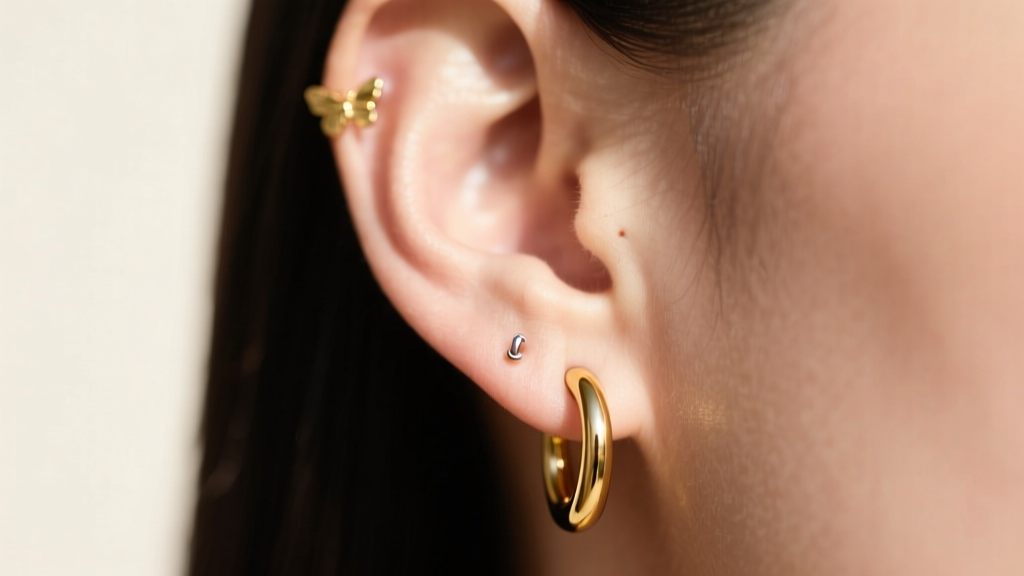
High-end body jewelry brands such as BVLA, Maria Tash, and Anatometal are dominating the curated ear trend not just because of their diamond and gemstone quality, but because of their structural engineering. They utilize threadless snap-in systems and internally threaded flat-back labrets that eliminate the crevices where odor-causing bacteria breed.
Friction Backs vs. Threadless Ends: An Airflow Analysis
The traditional butterfly friction back is a primary offender in ear odor. The mechanism requires a tight squeeze against the back of the earlobe to secure the post. This creates a dark, warm, and moist environment with zero airflow, perfectly incubating anaerobic bacteria.
- Butterfly Clutches: Trap sebum against the skin, restrict fistula airflow, and feature multiple microscopic hinges that collect dead skin.
- Flat-Back Labrets (Threadless):strong> Sit flush against the ear, allowing the fistula to breathe. The post is a single, continuous cylinder of titanium or gold with no moving parts or crevices.
- Screw-in Internally Threaded Ends: The threading is on the decorative end, not the post, meaning the smooth metal passes cleanly through the piercing without scraping the fistula walls and triggering excess sebum production.
Gauge Size and Fistula Health
An often-overlooked factor in ear odor is the gauge (thickness) of the earring post. Standard fashion earrings are typically 20-gauge (0.8mm) or 22-gauge (0.6mm). These wire-thin posts can act like a cheese cutter, creating micro-tears in the fistula during insertion and removal. The body responds to this micro-trauma by producing excess sebum and lymph fluid to heal the area, providing more fuel for odor-causing bacteria.
Upgrading to 18-gauge (1.0mm) or 16-gauge (1.2mm) posts provides structural rigidity. The thicker, smoother posts glide through the fistula without causing friction, significantly reducing the body's inflammatory sebum response. This is a critical detail for anyone building a curated ear stack in 2026; prioritizing 16g or 18g flat-backs ensures long-term fistula health and a drastically reduction in odor.
A Professional Cleaning Protocol
When addressing why does earrings stink, the solution is not to use harsh chemicals that strip the skin, but to implement a targeted cleaning protocol that removes the keratin-sebum matrix without damaging the jewelry or the fistula.
- Ditch the Rubbing Alcohol: Alcohol dries out the skin of the fistula. In response, your sebaceous glands will overproduce oil (rebound sebum), making the odor problem worse over time.
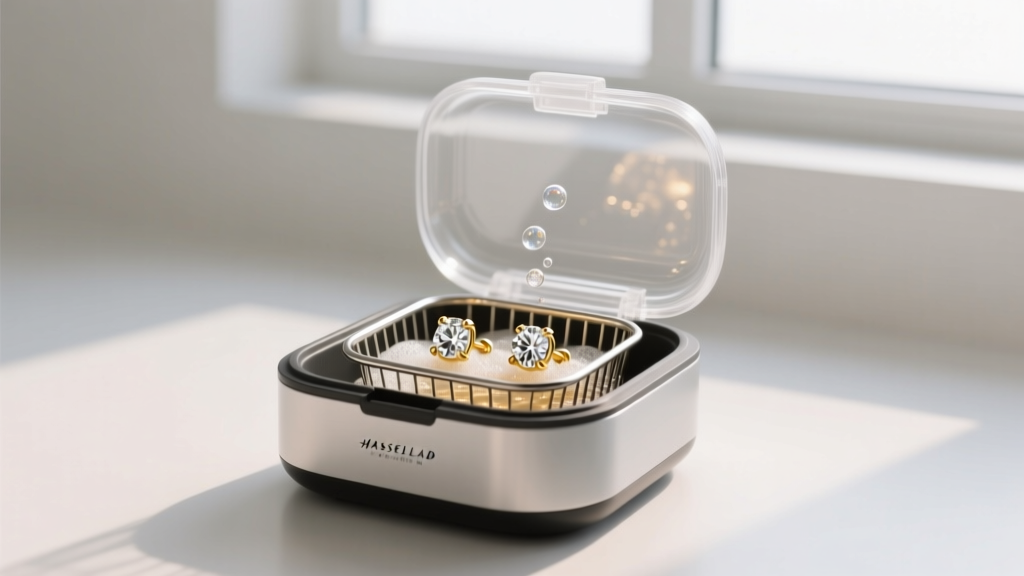
- Use an Ultrasonic Cleaner: For solid gold, platinum, and titanium earrings, an ultrasonic jewelry cleaner filled with warm water and a few drops of mild, fragrance-free Castile soap uses high-frequency cavitation bubbles to blast sebum out of microscopic crevices, especially around diamond prongs and gemstone settings.
- Saline Soaks for the Ear: To clean the fistula itself, use a sterile 0.9% sodium chloride wound wash spray. This gently flushes out dead skin cells without disrupting the ear's natural microbiome.
- Dry Thoroughly: Moisture is the enemy. After showering or cleaning, gently dry the back of your earlobes with a clean microfiber cloth or use a hair dryer on the "cool" setting to ensure the area behind the ear is completely dry before re-inserting your jewelry.
"The shift toward flat-back, threadless titanium and solid gold jewelry is not merely an aesthetic preference; it is a fundamental upgrade in piercing hygiene that eliminates the structural traps where odor-causing bacteria thrive."
Final Thoughts on Styling Without the Scent
Understanding the science behind ear odor transforms how we approach jewelry curation. The days of tolerating smelly, oxidized base metals are over. By investing in implant-grade titanium, solid 14k or 18k gold, and transitioning away from traditional butterfly backs toward threadless flat-back systems, you can maintain a flawless, stylish ear stack that remains as fresh as it looks. The next time you evaluate your jewelry box, let material science and biocompatibility guide your style choices, ensuring your piercings remain healthy, comfortable, and completely odor-free.


