The Dog With The Pearl Earring: Value & Budget Guide
Assess the true value of dog with the pearl earring novelty studs. Compare pricing tiers, metal grades, and pearl quality to avoid overpaying.

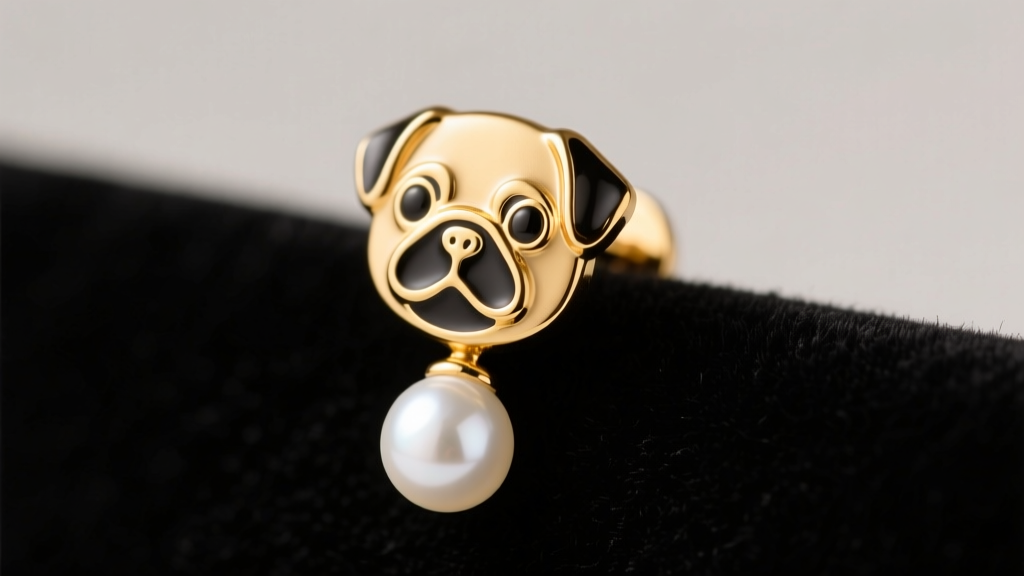
The Rise of Canine-Inspired Pearl Jewelry
Johannes Vermeer’s masterpiece has inspired countless artistic adaptations, but the internet's enduring obsession with canine companions has birthed a highly specific, wildly popular jewelry subgenre: the "dog with the pearl earring." As of 2026, this whimsical design—typically featuring a detailed dog breed stud (such as a Cavalier King Charles Spaniel, Pug, or Golden Retriever) paired with a dangling pearl drop—has saturated both indie artisan markets and mass-market accessory brands. However, when prices range from $12 on fast-fashion marketplaces to over $250 from boutique fine jewelers, determining fair market value becomes a challenge. This comprehensive budget and value assessment breaks down the material science, pricing matrices, and hardware specifications you need to evaluate these novelty pieces accurately and avoid overpaying for costume-grade metals.
Evaluating the Pearl Drop: Freshwater vs. Glass vs. Shell
The defining feature of this earring style is the dangling pearl meant to mimic the iconic painting. The value of the entire piece hinges heavily on the origin and quality of this single gemstone. According to the Gemological Institute of America (GIA), pearl value is dictated by luster, surface quality, shape, and nacre thickness. Here is how the three most common materials used in these earrings stack up:
- Glass Pearls (Budget Tier): Often coated with a synthetic pearlescent paint. They possess a harsh, unnatural shine and lack the deep optical depth of nacre. Cost to manufacturer: under $0.50.
- Shell Pearls (Mid Tier): Created by grinding oyster shells into a powder, coating a glass or plastic bead, and sealing it with a clear lacquer. They are heavier than glass and mimic the temperature of real pearls, but they will eventually chip or yellow. Cost to manufacturer: $2.00 - $4.00.
- Freshwater Pearls (Premium Tier): Cultured in mussels, these offer genuine nacre, exceptional luster, and natural surface variations. A 6mm to 8mm round or near-round AAA-grade freshwater pearl drop is the gold standard for this earring style. Cost to manufacturer: $15.00 - $45.00 depending on luster and roundness.

Value Tip: If a listing claims a "simulated pearl" or "pearlized bead," you are looking at glass or plastic. True value requires genuine cultured freshwater pearls, which should be explicitly stated in the product specifications.
Metal Bases and Enamel Techniques
The "dog" portion of the earring is usually rendered using enamel to capture the multi-colored fur patterns of specific breeds. The underlying metal base and the type of enamel used are the primary drivers of the earring's longevity and price point.
The Metal Base
Cheap variants use brass, copper, or zinc alloys (often deceptively marketed as "Tibetan Silver"), which can cause contact dermatitis and oxidize rapidly, turning your earlobes green. High-value pieces utilize 925 Sterling Silver or 14k Solid Gold. If the piece is gold-toned, look for "Gold Vermeil." The Federal Trade Commission (FTC) strictly regulates the term vermeil: it must consist of a sterling silver base plated with at least 10k gold that is a minimum of 2.5 microns thick. Standard "gold plated" jewelry often uses a brass base with a microscopic 0.5-micron flash of gold that wears off in weeks.
Enamel Quality
Mass-produced earrings use "cold enamel" (essentially colored epoxy resin), which scratches easily and degrades under UV light. Artisan jewelers utilize vitreous enamel (glass fused to metal at high temperatures) or high-grade aerospace resins that resist chipping and maintain their vibrant Spaniel or Retriever hues for decades.
2026 Pricing Matrix: What Should You Actually Pay?
To help you assess whether a "dog with the pearl earring" listing is a bargain or a markup trap, consult this value matrix based on current market material costs and artisan labor rates.
| Quality Tier | Metal Base | Pearl Type | Enamel / Detail | Fair Price Range (USD) |
|---|---|---|---|---|
| Fast Fashion | Brass / Zinc Alloy | Glass / Plastic | Cold Resin / Paint | $12 - $28 |
| Indie Artisan | 925 Sterling Silver | AA Freshwater | High-Grade Resin | $45 - $85 |
| Premium Vermeil | 14k Gold Vermeil (2.5μm) | AAA Freshwater | Vitreous / Cloisonné | $95 - $160 |
| Fine Jewelry | 14k/18k Solid Gold | Akoya / High-AAA FW | Hand-Painted Enamel | $250 - $450+ |
If you encounter a piece priced at $150 but the description lists "brass" and "shell pearl," you are being heavily overcharged for a novelty brand name.
Gauge Sizing, Weight, and Ear Lobe Health
Novelty earrings often prioritize aesthetics over structural ergonomics, which can lead to ear lobe damage. A standard earlobe piercing is done at 20-gauge (0.81mm) or 18-gauge (1.02mm). The post of the dog stud must match this sizing to prevent irritation or stretching.
Because the design incorporates a dangling pearl drop attached to the stud, the overall weight is concentrated on a single point of the earlobe. A heavy 10mm glass pearl combined with a thick brass dog stud can cause "earlobe droop" over time, where the piercing stretches and the earring faces downward rather than sitting flush against the ear.
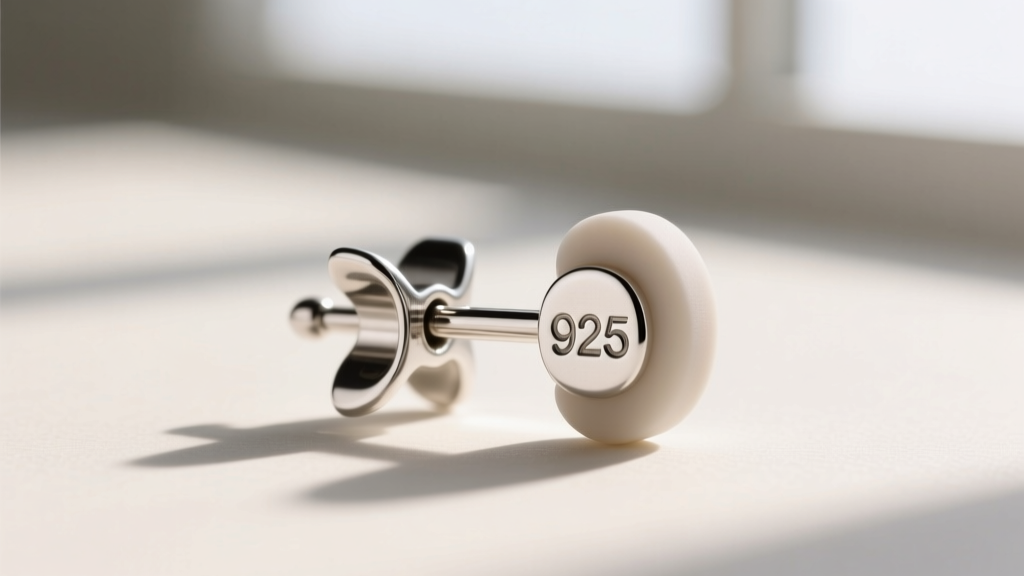
Actionable Solutions for Heavy Drops:
- Silicone Stabilizers: Always swap standard metal butterfly clutches for flat silicone earring backs or specialized earlobe support patches (like Lobe Wonder) to distribute the weight of the pearl drop.
- Screw Backs: For high-value solid gold versions, ensure the jeweler has fitted the post with a screw-back mechanism to prevent the heavy pearl from pulling the earring out during wear.
- Jump Ring Integrity: Inspect the tiny jump ring connecting the dog stud to the pearl drop. It should be soldered closed or feature a heavy-gauge split ring; otherwise, the pearl will snap off and be lost.
Red Flags: Spotting Overpriced Costume Jewelry
When shopping for these artistic pieces, be vigilant against deceptive marketing terminology designed to inflate the price of cheap materials. Avoid listings that use the following terms:
- "Silver Plated" without a base metal disclosure: This usually means a thin wash of silver over nickel or lead-heavy pot metal, which is both fragile and a skin irritant.
- "Simulated Pearl" or "Pearl Essence": These are polite industry terms for glass beads dipped in synthetic fish-scale coatings.
- Unspecified Gold: If the listing simply says "Gold" or "Gold Tone" without specifying "14k Solid," "Gold Filled," or "Vermeil over Sterling," assume it is a base metal with a microscopic gold flash that will tarnish within a month of contact with skin oils.
Final Verdict: Assessing the Investment
The "dog with the pearl earring" is more than a fleeting internet meme; it is a legitimate category of novelty portraiture jewelry. To extract genuine value from your purchase, aim for the "Indie Artisan" or "Premium Vermeil" tiers. By insisting on a 925 sterling silver or vermeil base, vitreous or high-grade enamel work, and a genuine cultured freshwater pearl drop, you ensure that your whimsical canine accessory remains a durable, skin-safe, and lustrous staple in your jewelry rotation for years to come. Never pay fine jewelry prices for costume-grade materials, and always verify the hardware gauge to protect your earlobe health.


