Care Bear Earrings: 2026 Budget & Value Assessment
Discover if Care Bear earrings are worth the nostalgia premium. We assess 2026 pricing, material grades, enamel types, and hidden allergy costs.

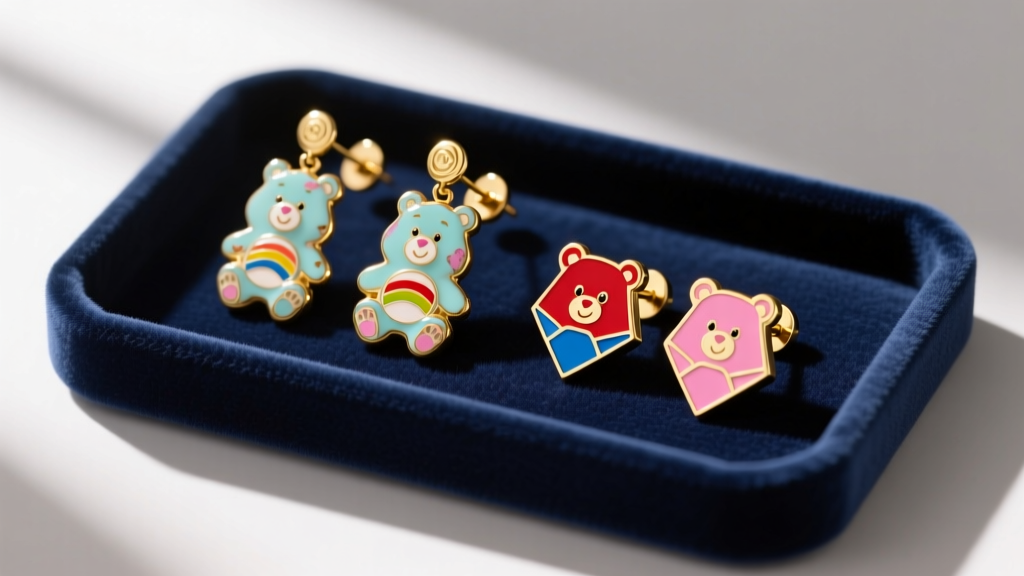
The Nostalgia Premium: Understanding the 2026 Market
Nostalgia-driven jewelry has dominated the accessories market over the last decade, and Care Bear earrings remain at the forefront of this trend. Originally conceptualized in 1981 by Those Characters From Cleveland (the licensing arm of American Greetings), the franchise's iconic belly-badge bears have transitioned from children's merchandise to highly sought-after millennial and Gen Z fashion statements. But from a strict budget and value assessment perspective, are you paying for quality craftsmanship, or simply a licensing fee?
In 2026, the market for character jewelry is heavily saturated. You can find Care Bear earrings ranging from $4.99 fast-fashion drops to $450 custom fine jewelry pieces. The challenge for the savvy consumer is distinguishing between a fair nostalgia premium and predatory markup on subpar base metals. This guide breaks down the exact material grades, gauge specifications, and pricing tiers to help you maximize your jewelry budget.
Material & Enamel Breakdown: What Are You Actually Paying For?
The most critical factor in assessing the value of enameled character earrings is the combination of the base metal and the type of enamel used. Mass-market novelty earrings typically rely on cold enamel (an epoxy resin), while high-end jewelers use vitreous (hard-fired) enamel. According to the Lang Antiques University, the longevity and value retention of vintage and modern jewelry are inextricably linked to these foundational materials.
| Material Tier | Base Metal | Enamel Type | Avg. Price (2026) | Value Verdict |
|---|---|---|---|---|
| Fast Fashion | Zinc Alloy / Brass | Cold Epoxy Resin | $5 - $18 | Poor. High risk of contact dermatitis; enamel scratches and yellows within months. |
| Licensed Mid-Tier | Sterling Silver (925) | Hard Enamel (Cloisonné) | $45 - $95 | Good. Hypoallergenic, polished flush with the metal, durable for daily lobe wear. |
| Fine / Custom | 14k or 18k Solid Gold | Vitreous (Glass) Enamel | $250 - $600+ | Excellent. Heirloom quality, retains intrinsic metal value, completely biocompatible. |
If you are spending over $30 on a pair of Care Bear earrings, you should absolutely expect a sterling silver base at minimum. Paying premium prices for zinc alloy simply because it features a licensed character is a poor long-term investment.
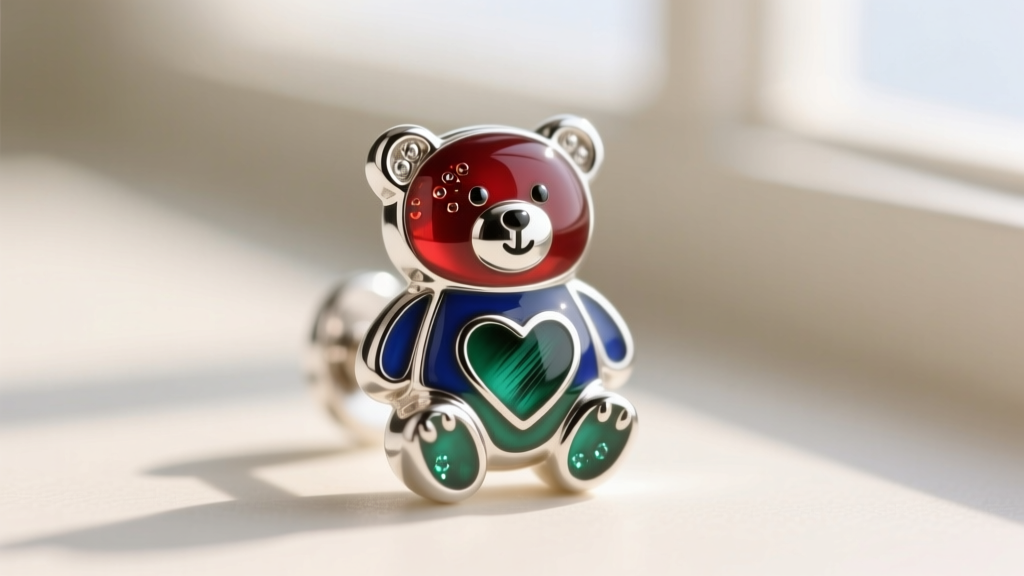
Vintage 1980s Originals vs. Modern Reproductions
A significant portion of the Care Bear earring market consists of vintage pieces from the 1980s and early 1990s. While original vintage clip-ons and pierced studs carry historical charm, they come with specific structural failure modes that impact their true value.
Failure Modes of Vintage Clip-Ons
- Tension Loss: 40-year-old clip-on mechanisms often suffer from metal fatigue. The tension paddles lose their grip, requiring a jeweler to carefully bend the base metal back into shape—a risky process if the piece is cast pewter, which snaps rather than bends.
- Weight Distribution: Vintage 80s character earrings were notoriously heavy. If a previous owner converted a heavy clip-on into a pierced earring by soldering on a standard post, the excessive weight will cause earlobe stretching and migration over time.
- Nickel Leaching: Before modern EU and US nickel directives, base metal jewelry was heavily alloyed with nickel for brightness and durability. Wearing unsealed vintage brass directly against a fresh piercing is a guaranteed path to infection.
When buying vintage Care Bear jewelry, always inspect the earring post under a loupe. If the post is a dull, magnetic gray rather than bright silver or gold, it is likely nickel-silver or surgical steel from an era with lax biocompatibility standards.
The Hidden Cost of Contact Dermatitis and Gauge Sizes
One of the most overlooked aspects of budget jewelry assessment is the medical cost of allergic reactions. The American Academy of Dermatology notes that nickel allergy is the most common cause of allergic contact dermatitis, affecting up to 36% of women. Cheap Care Bear earrings are notorious culprits, often using nickel-plated brass posts hidden beneath a thin flash of gold or silver plating.
The Gauge Size Problem in Novelty Jewelry
Beyond the metal alloy, the physical dimensions of the earring post dictate its value and safety. Standard ear piercings are typically done at 20G (0.81mm) or 18G (1.02mm). However, to cut manufacturing costs, mass-produced novelty earrings frequently use 22G (0.64mm) or even 24G (0.51mm) wire for their posts.
These ultra-thin posts present three major issues:
- Structural Integrity: A 24G post will bend under the slight pressure of putting on a sweater or sleeping, potentially creating sharp micro-abrasions inside your earlobe fistula.
- The 'Cheese Cutter' Effect: Thin wire resting in a heavy earring head can slowly migrate through the earlobe tissue, especially if the Care Bear charm is cast in dense pewter.
- Bacterial Harboring: Thinner, lower-grade wire is more prone to microscopic pitting, which traps sebum and dead skin cells, leading to localized odors and irritation.
Actionable Advice: If you purchase budget-friendly Care Bear earrings with thin or questionable posts, take them to a local bench jeweler. For roughly $15 to $25, a jeweler can laser-weld or solder high-quality, implant-grade titanium 20G posts onto the back of the charms, instantly upgrading their biocompatibility and structural value.
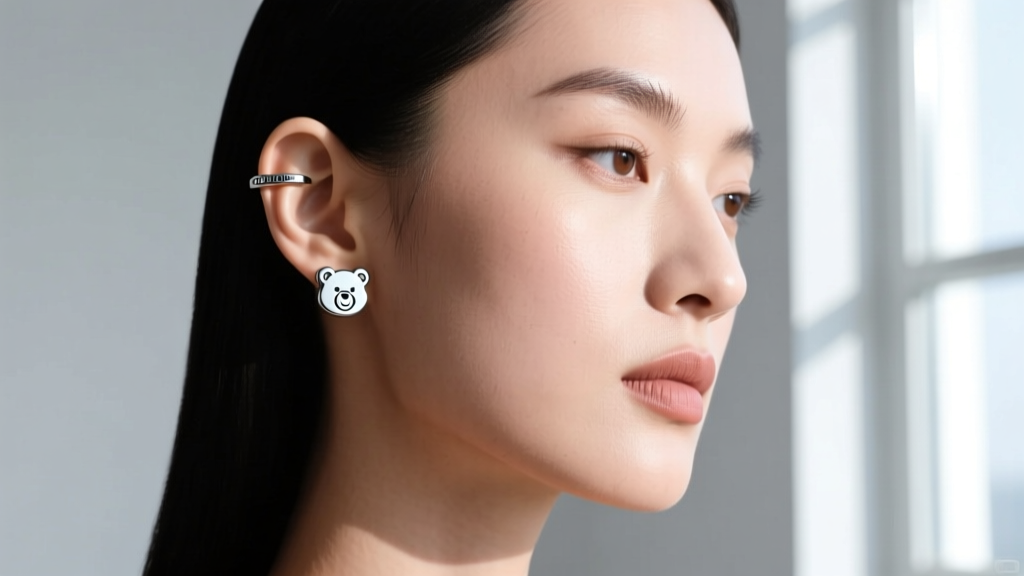
Cartilage Placements and Ear Cuff Alternatives
For those who want to participate in the trend without committing to new piercings or risking lobe irritation, Care Bear ear cuffs have surged in popularity. When assessing the value of an ear cuff, the inner diameter and the tension mechanism are paramount.
A well-made sterling silver or 14k gold ear cuff designed for the upper helix cartilage should have an inner diameter of roughly 8mm to 10mm. It should feature a slight hinge or a precisely engineered C-curve that grips the cartilage without pinching the skin. Avoid adjustable open-wire cuffs made from soft aluminum or cheap alloy; they lose their shape within days and will inevitably fall off and be lost.
Regulatory Red Flags: Spotting Counterfeits and Misleading Stamps
The Federal Trade Commission's Jewelry Guides strictly regulate how precious metals can be stamped and marketed. When shopping for high-end or vintage Care Bear earrings, be wary of misleading terminology. Terms like 'Tibetan Silver', 'Alpaca', or 'Nickel Silver' contain absolutely zero actual silver. They are copper-nickel-zinc alloys that will oxidize rapidly and turn your skin green. True value lies in pieces clearly stamped with '925', '10K', '14K', or 'PT950', accompanied by a legitimate maker's mark.
Final Value Verdict: How to Maximize Your Budget
Care Bear earrings are a joyful expression of personal style and nostalgia, but they require a discerning eye to ensure you are getting true value for your money.
- For the Budget Shopper (Under $20): Stick to acrylic or lightweight resin styles with clip-on or ear-cuff mechanisms that do not pierce the skin, entirely avoiding base-metal allergy risks.
- For the Daily Wearer ($45 - $95): Invest exclusively in licensed 925 sterling silver pieces with hard-fired enamel. Ensure the posts are a sturdy 20G or 18G thickness.
- For the Collector ($250+): Commission or purchase solid 14k gold pieces with vitreous enamel. These transcend the 'novelty' category and become genuine fine jewelry assets that retain intrinsic melt value alongside their nostalgic appeal.
By prioritizing biocompatible metals, appropriate gauge sizes, and durable enameling techniques, you can build a Care Bear earring collection that is as resilient and comforting as the characters themselves.


