Expert Care and Cleaning for 25mm Gold Hoop Earrings
Learn expert cleaning and maintenance tips for 25mm gold hoop earrings. Discover safe solutions, polishing techniques, and storage hacks to prevent tarnish.

The Enduring Appeal and Vulnerability of the 25mm Hoop
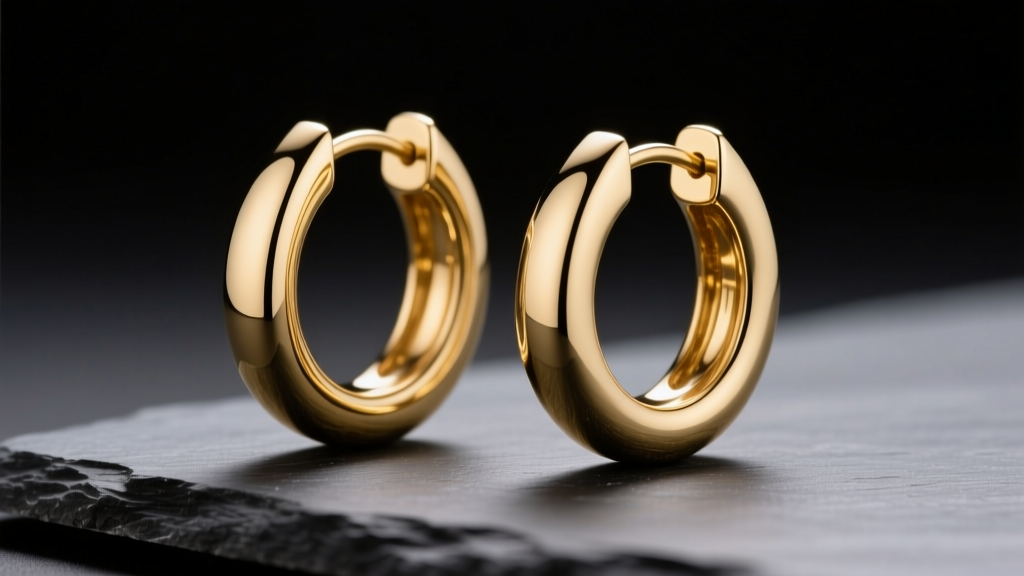
There is a reason why 25mm gold hoop earrings remain a cornerstone of both minimalist and maximalist jewelry wardrobes. Measuring roughly one inch in diameter, this specific size strikes the perfect balance: large enough to frame the face and catch the light, yet compact enough to avoid tangling in high-collared clothing or heavy winter scarves. However, their constant movement and proximity to the neck and hair make them uniquely susceptible to environmental stressors, cosmetic buildup, and mechanical wear.
Unlike stationary studs or short huggies, a 25mm hoop acts as a pendulum. Every time you turn your head, the earring swings, placing repetitive micro-stress on the hinge, the post, and the gold alloy itself. Over time, this kinetic wear, combined with exposure to skin oils, hard water, and airborne sulfur, can rob your hoops of their brilliance and compromise their structural integrity. Maintaining them requires more than a quick wipe with a cloth; it demands a targeted, metallurgical approach to care.
Understanding Your Gold: Karat Matters in Maintenance
Before applying any cleaning solution, you must identify the karat of your 25mm gold hoop earrings. Pure 24-karat gold is virtually immune to tarnish, but it is far too soft to be used for hoop earrings; a 24k hoop would bend out of shape within a week of daily wear. Therefore, your hoops are an alloy, mixed with metals like copper, silver, zinc, or nickel to provide tensile strength.
- 10k Gold (41.7% pure gold): Highly durable but contains a high percentage of copper and silver. This makes 10k hoops the most prone to oxidation and tarnish, especially when exposed to humidity and sweat.
- 14k Gold (58.3% pure gold): The industry standard for everyday hoops. It offers an excellent balance of rich color and structural rigidity. Tarnish is rare but can occur in the crevices of textured designs.
- 18k Gold (75% pure gold): Prized for its deep, buttery yellow hue and hypoallergenic properties. However, 18k gold is softer and more prone to micro-scratching, which can make the hoops look dull over time if not polished correctly.
According to the Gemological Institute of America (GIA), the non-gold metals in these alloys are what react to environmental chemicals. Chlorine, in particular, is the enemy of gold alloys. It can cause 'stress corrosion cracking' at the solder points of your hoop's hinge, leading to catastrophic failure.
The Step-by-Step Cleaning Protocol
Forget harsh commercial jewelry dips. For routine maintenance of 25mm gold hoops, a gentle, chemistry-safe approach is paramount. Here is the professional protocol recommended by master jewelers.
Phase 1: The Distilled Water Soak
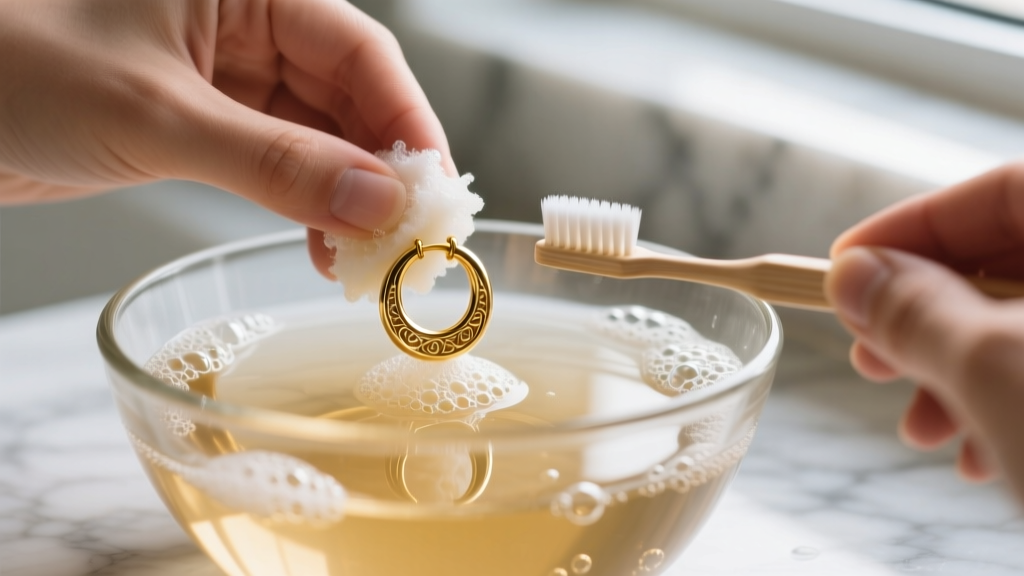
Never use tap water for soaking gold jewelry. Tap water contains chlorine, fluoride, and calcium, which can leave microscopic mineral deposits on the gold surface, creating a cloudy film. Instead, fill a small glass bowl with warm distilled water and add three drops of phosphate-free, ultra-mild dish soap (such as original Dawn). Submerge your 25mm hoops and let them soak for exactly 15 minutes. This breaks down sebum, dead skin cells, and cosmetic residue trapped near the hinge and post.
Phase 2: Agitation and Detailing
Remove the hoops from the solution. Using a brand-new, extra-soft baby toothbrush, gently brush the earring. Pay special attention to the interior curve of the hoop and the hinge mechanism, where lotion and hair products accumulate. Brush in the direction of the metal's grain if it has a brushed finish; use circular motions for high-polish finishes.
Phase 3: The Rinse and Dry
Rinse the hoops under a gentle stream of warm distilled water. Do not use paper towels to dry them, as wood fibers in paper can cause micro-scratches on 18k and 22k gold. Instead, pat them dry with a lint-free microfiber cloth, and use a can of compressed air to blow out any remaining moisture trapped inside the hinge barrel.
Mechanical Maintenance: Hinges, Posts, and Gauges
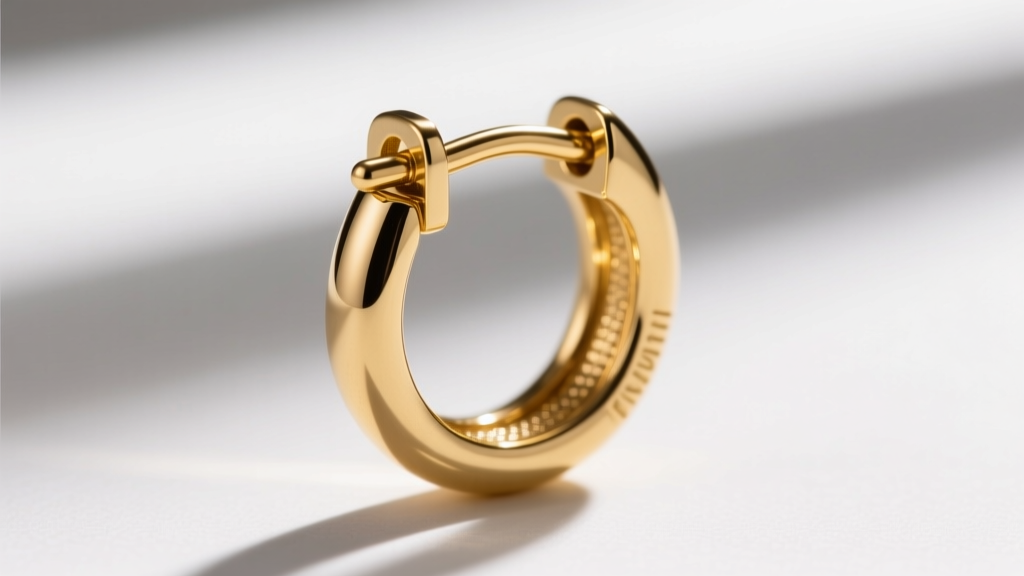
The most common reason a pair of 25mm gold hoop earrings is retired to the back of a jewelry box isn't due to a loss of shine, but mechanical failure. The anatomy of a medium-sized hoop relies heavily on its closure mechanism. Most 25mm hoops are crafted with an 18-gauge (1.0mm) or 20-gauge (0.8mm) post. Because the post must slide into a tiny catch or hinge, it is a primary failure point.
| Closure Type | Mechanism | Common Failure Mode | Maintenance Fix |
|---|---|---|---|
| Saddleback / Hinged Snap | Post clicks into a hollow barrel hinge | Loss of 'click' tension; post bends | Gently bend the post upward by 1 degree using nylon-jaw pliers |
| Continuous / Endless Hoop | Thin wire slides through the entire ear and into a hollow tube | Wire warps; tube gets clogged with debris | Clear tube with compressed air; reshape wire on a mandrel |
| Clicker (Segment Ring) | Hinged segment snaps into a machined groove | Hinge pin loosens; segment fails to latch | Requires professional jeweler to tighten the pin |
Crucial Warning: Never use metal needle-nose pliers to adjust a gold hoop post. Metal-on-metal contact will gouge the gold and destroy the finish. Always use nylon-jaw jewelry pliers or wrap the tips of your pliers in painter's tape.
Proper Storage to Prevent Warping and Tarnish
How you store your 25mm gold hoops when they are not adorning your ears is just as critical as how you clean them. Tossing them loosely into a communal jewelry box guarantees two things: scratches from harder gemstones (like diamonds or sapphires in other pieces) and tangling, which can bend the delicate 20-gauge posts.
Expert Insight: Gold is a noble metal, but the copper and silver alloys within it will react to sulfur in the air. Storing your hoops in an airtight polyethylene ziplock bag with a 3M anti-tarnish strip will neutralize sulfur gases and keep your 14k and 10k hoops looking freshly polished for months.
For optimal storage, hang your hoops on a dedicated T-bar stand covered in velvet, or lay them flat in individual, fabric-lined compartments. Avoid storing them in bathrooms, where the extreme fluctuations in humidity and temperature from showers will accelerate the oxidation of the alloy metals.
Troubleshooting Common Gold Hoop Issues
Even with meticulous care, daily wear presents challenges. Here is how to troubleshoot the most frequent issues encountered with 25mm gold hoops, drawing on guidelines from Jewelers of America.
Issue: The Hinge is Stiff or Squeaks
The Cause: Microscopic dust, dried soap, or oxidized skin oils have calcified inside the hinge barrel.
The Fix: Do NOT use WD-40 or chemical lubricants, which contain harsh solvents that can degrade the gold alloy over time. Instead, apply a microscopic drop of pure mineral oil or synthetic watch oil to the hinge pin using a toothpick. Open and close the hoop a dozen times to work the oil in, then wipe away the excess with a microfiber cloth.
Issue: The Gold Looks 'Cloudy' After Cleaning
The Cause: Hard water spots or a reaction to a commercial silver dip (which should never be used on gold).
The Fix: Create a paste of baking soda and distilled water. Gently rub the paste onto the cloudy areas with your fingertips (not a brush, which can cause directional scratching). Rinse thoroughly with distilled water and buff with a jeweler's rouge cloth.
Issue: The Post Snaps or Bends Repeatedly
The Cause: Metal fatigue. If you sleep in your 25mm hoops, the pressure of your head against the pillow bends the post back and forth nightly, eventually causing the metal to snap at the solder joint.
The Fix: The only permanent solution is to have a jeweler laser-weld a new, heavier-gauge post (upgrading from 20g to 18g) or replace the entire hinge assembly. Prevent this by always removing hoops before sleeping.
Final Thoughts on Longevity
A high-quality pair of 25mm gold hoop earrings is an investment in your personal style and a versatile tool in your wardrobe. By understanding the metallurgical realities of your specific karat weight, employing a distilled-water cleaning protocol, and respecting the mechanical limits of the hinge and post, you ensure that your hoops remain as structurally sound and visually radiant as the day you first clasped them. Treat your gold with chemical and mechanical respect, and it will outlast the shifting tides of fashion.


