How to Clean and Maintain 70s Style Earrings Safely
Learn expert cleaning and maintenance tips for 70s style earrings. Safely restore vintage gold, turquoise, and enamel hoops and dangles.

The 2026 Vintage Revival: Why 70s Pieces Need Specialized Care
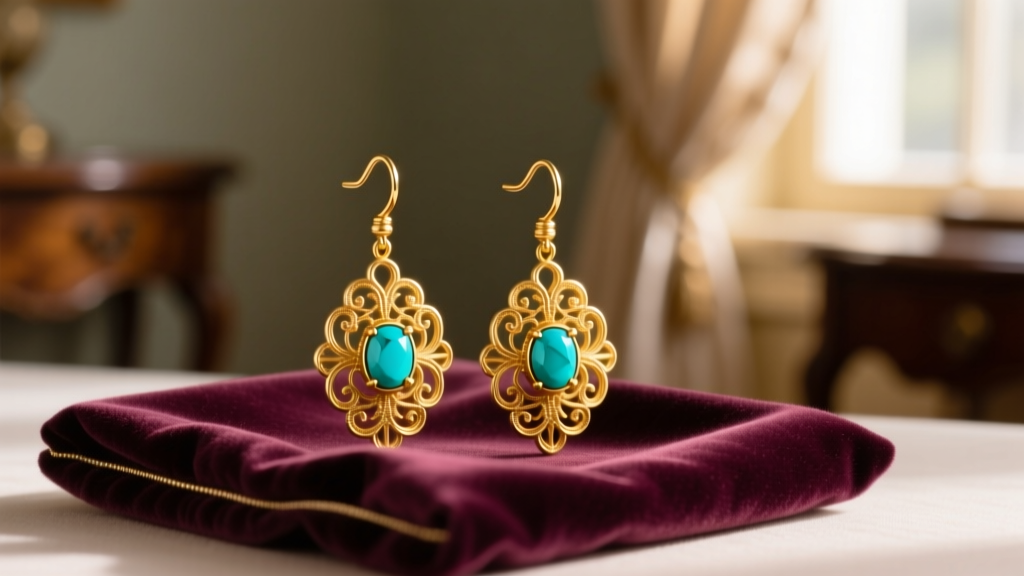
As we navigate the massive vintage revival trends of 2026, authentic and vintage-inspired 70s style earrings are commanding premium prices in the secondary market. The 1970s marked a dramatic shift in jewelry design, moving away from the rigid, geometric Mod aesthetics of the 1960s into an era defined by bohemian naturalism and disco-era maximalism. This means your 70s style earrings likely feature a complex matrix of materials: heavily textured yellow gold, porous organic gemstones, and fragile enamels. Cleaning these pieces requires a highly specific, conservation-minded approach. Standard commercial jewelry cleaners can cause irreversible chemical alterations to 1970s materials, stripping natural waxes from turquoise or clouding vintage acetate. In this comprehensive guide, we break down the exact material grades, failure modes, and conservation techniques required to maintain your 70s style earrings.
Decoding 70s Materials and Their Vulnerabilities
To properly care for 70s style earrings, you must first identify the specific materials used during the decade. The 1970s saw a surge in the use of 14k and 18k yellow gold, often manipulated with specialized texturing techniques, alongside a deep fascination with earthy, unpolished gemstones.
14k/18k Yellow Gold and Florentine Textures
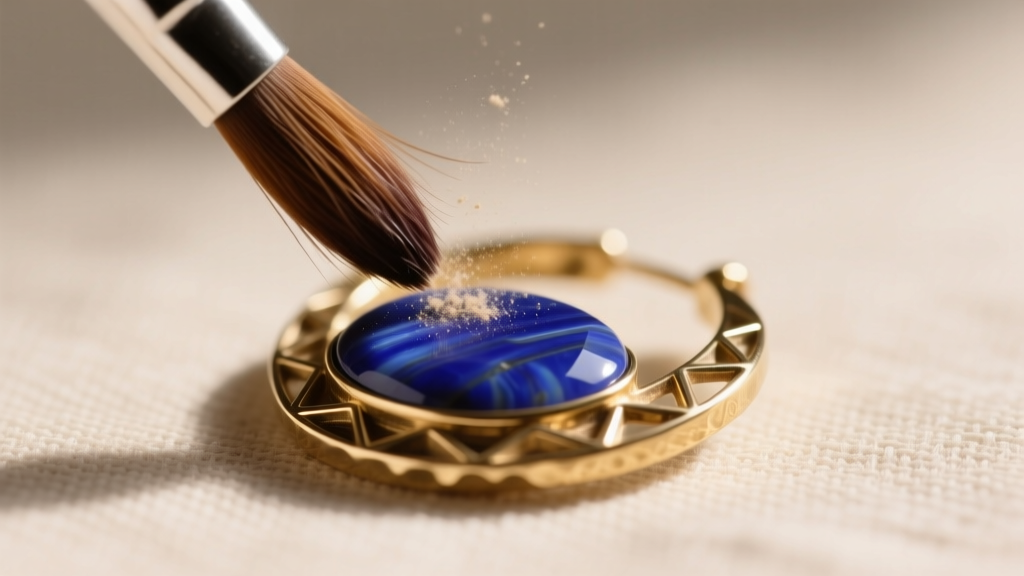
Yellow gold was the undisputed metal of the 1970s. However, unlike the high-polish finishes of the Art Deco era, 70s style earrings frequently utilized a 'Florentine finish'—a cross-hatched engraving technique that creates a matte, sparkling texture. While beautiful, these microscopic grooves act as magnets for skin oils, lotions, and environmental dust. Using a stiff-bristled toothbrush on a Florentine finish can cause micro-scratches on the gold alloy, permanently dulling the matte effect. Instead, a 0.05% mild surfactant solution (such as diluted, phosphate-free baby shampoo) applied with a soft sable-hair makeup brush is required to lift debris from the cross-hatching without abrasion.
Porous Bohemian Gemstones (Turquoise, Coral, Lapis Lazuli)
The boho-chic movement of the 70s popularized the use of large, cabochon-cut porous stones. Turquoise (Mohs hardness 5-6), coral (Mohs 3-4), and lapis lazuli (Mohs 5-5.5) are staples of 70s style earrings. According to the Gemological Institute of America (GIA), turquoise is highly porous and often stabilized with resins or waxes. Submerging these stones in water or exposing them to ultrasonic frequencies will cause sub-surface fracturing and strip their protective treatments, leading to a permanent chalky discoloration.
Guilloché Enamel and Cellulose Acetate
High-end 70s style earrings often featured guilloché enamel, where translucent glass powder is fused over an engraved metal base. Vintage acetate, designed to mimic tortoiseshell, was also widely used in oversized 70s hoops. Both materials are highly sensitive to thermal shock and chemical solvents. Alcohol-based cleaners will instantly cloud vintage acetate, while sudden temperature changes can cause guilloché enamel to craze (develop a network of fine cracks) and flake away from the metal backing.
The Forbidden Tools: Chemical and Mechanical Risks
When maintaining 70s style earrings, knowing what not to do is just as critical as knowing the correct cleaning protocol. Below is a compatibility matrix detailing how common cleaning agents interact with vintage 1970s materials.
| Cleaning Agent / Tool | Effect on 14k/18k Yellow Gold | Effect on Turquoise / Coral | Effect on Guilloché Enamel |
|---|---|---|---|
| Ultrasonic Cleaner | Safe (if no stones) | CATASTROPHIC: Causes internal shattering | SEVERE: Vibrations shatter glass enamel |
| Ammonia-Based Dip | Safe, restores shine | SEVERE: Strips natural waxes, alters color | MODERATE: Can dull the glass finish |
| Baking Soda Paste | MODERATE: Scratches high-polish areas | SEVERE: Abrasive, ruins cabochon polish | SEVERE: Scratches translucent surface |
| Sable-Hair Brush + Mild Surfactant | SAFE: Lifts oils from Florentine grooves | SAFE: Gentle dust removal | SAFE: Removes surface dust safely |
Hardware Preservation: Screw-Backs, Clip-Ons, and Post Gauges
In the early 1970s, ear piercing was still gaining mainstream acceptance, meaning many authentic vintage 70s style earrings feature screw-back or clip-on mechanisms rather than standard friction posts. The threaded posts on vintage screw-back earrings are typically 18-gauge (1.0mm) or 20-gauge (0.8mm) and are made of softer gold alloys. Over-tightening these clasps strips the delicate threads, rendering the earring unwearable.
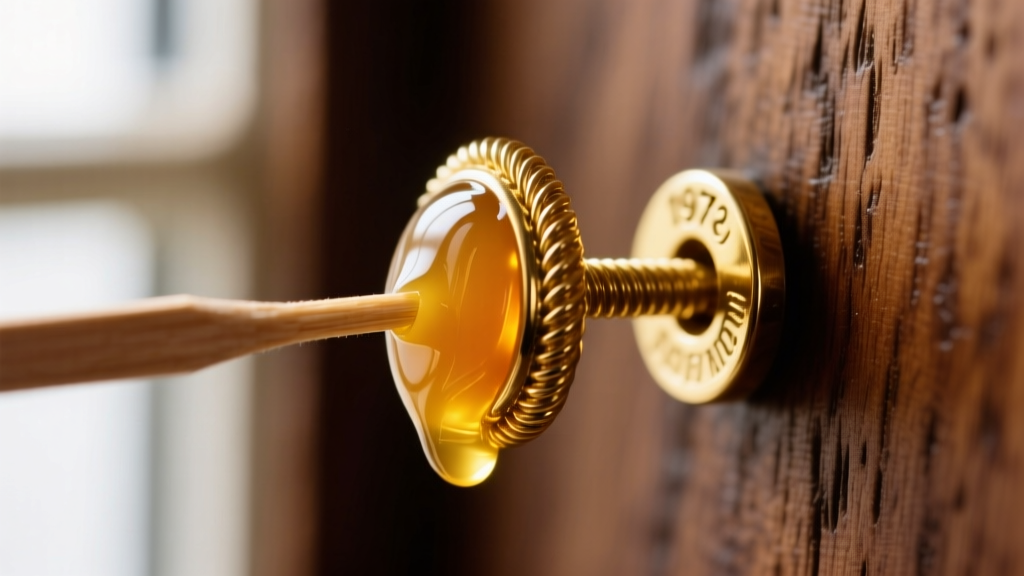
Maintenance Tip: Never force a stuck screw-back. Apply a microscopic dab of pure beeswax or micro-crystalline wax (like Renaissance Wax) to the threads using a wooden toothpick. This lubricates the mechanism without attracting grit, which would otherwise act as a lapping compound and grind down the gold threads. For clip-ons, periodically check the tension of the hinge. If the clip feels loose, use smooth-jawed nylon pliers to gently squeeze the clip housing—never use steel pliers, which will mar the gold plating or solid gold finish.
Step-by-Step Cleaning Protocol for 70s Style Earrings
Follow this conservation-grade protocol recommended by the Jewelers of America for safely cleaning mixed-material 70s style earrings at home.
- Dry Dusting: Always begin dry. Use a soft sable-hair brush to gently sweep away loose dust and skin cells from the Florentine metalwork and around the stone bezels. This prevents creating an abrasive mud when liquids are introduced.
- Targeted Metal Cleaning: Dip a cotton swab into a solution of distilled water and a drop of phosphate-free dish soap. Wring it out until it is merely damp, not dripping. Carefully trace the gold settings and metalwork, strictly avoiding contact with any porous gemstones.
- Stone Polishing: For turquoise, coral, or lapis lazuli, use a completely dry, lint-free microfiber cloth. Gently buff the surface of the cabochon to restore its natural luster. If the stone is heavily soiled, slightly dampen a corner of the cloth with distilled water only—never use soap on porous stones.
- Rinsing and Drying: If soap was used on the metal, wipe the area with a swab dampened only with distilled water to remove surfactant residue. Allow the earrings to air dry completely in a low-humidity environment before storing. Never use a hairdryer, as the heat can crack enamel or melt vintage adhesives used in 70s stone settings.
Archival Storage Solutions
Proper storage is the final pillar of maintaining 70s style earrings. The 1970s saw the widespread use of copper-heavy gold alloys, which are prone to oxidation when exposed to sulfur and humidity. Furthermore, vintage acetate and certain plastics used in 70s jewelry can off-gas and degrade if trapped in non-breathable or chemically reactive environments.
Expert Warning: Never store vintage 70s style earrings in PVC (polyvinyl chloride) plastic bags. PVC off-gasses hydrochloric acid over time, which will aggressively tarnish yellow gold and cloud enamel. Always opt for archival-grade, acid-free polyethylene bags or unbleached cotton pouches.
To prevent the heavy, oversized dangles and hoops typical of the 70s from tangling and scratching one another, store each pair individually. Place a small strip of anti-tarnish paper (such as 3M Anti-Tarnish Strips) inside each polyethylene bag to absorb ambient sulfur compounds. For heavily textured Florentine pieces or earrings with fragile enamel, utilize a lined jewelry box with individual, padded compartments to ensure the metalwork does not suffer impact damage when the drawer is opened or closed. By adhering to these specific, material-aware maintenance protocols, your 70s style earrings will retain their historical integrity and visual brilliance for decades to come.


