How to Clean Bisexual Earrings: Enamel & Gem Care
Learn how to safely clean bisexual earrings featuring enamel, anodized titanium, and multi-gemstone settings without fading the pride hues.

The Unique Material Challenges of Pride Jewelry
Bisexual earrings are a vibrant celebration of identity, frequently utilizing the iconic pink, purple, and blue color palette of the bisexual pride flag. However, achieving these specific tri-color combinations requires jewelers to work with a diverse array of materials—from cold and vitreous enamels to anodized titanium and multi-gemstone inlays. As we move through 2026, jewelry manufacturing techniques have evolved, but the fundamental chemistry of these materials remains unchanged. Cleaning bisexual earrings requires a highly tailored approach; a method that safely polishes a silver setting might permanently cloud a purple enamel inlay or strip the anodized oxide layer off a titanium cartilage stud.
Understanding the specific failure modes of pride jewelry is the first step in preserving its brilliance. Below, we break down the exact maintenance protocols for the three most common material categories used in bisexual earring designs.
Cleaning Enamel Bisexual Earrings (Flag Colors)
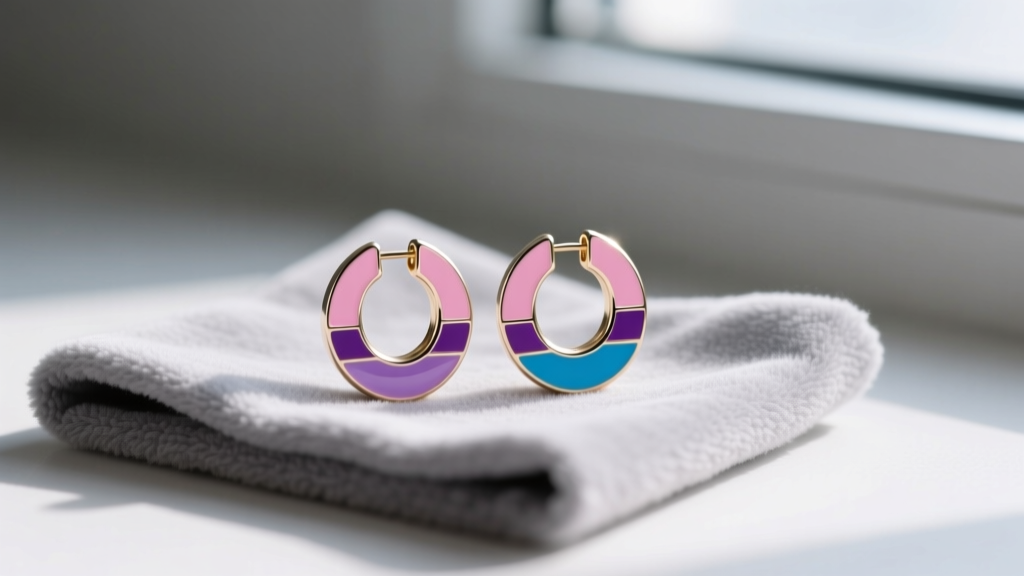
Enamel is the most popular medium for rendering the crisp pink, purple, and blue stripes of the bi-pride flag on huggies, hoops, and stud earrings. However, not all enamel is created equal, and misidentifying the type can lead to catastrophic damage during cleaning.
Vitreous Enamel vs. Cold Enamel (Epoxy)
High-end bisexual earrings often use vitreous enamel, which is essentially powdered glass fused to metal at extreme temperatures. It is highly durable but susceptible to chipping upon hard impacts. Conversely, affordable fashion jewelry typically uses cold enamel (an epoxy resin). Cold enamel is prone to yellowing when exposed to UV light and can melt or warp if exposed to hot water or ultrasonic cleaners.
- The Ultrasonic Trap: Never place enameled bisexual earrings in an ultrasonic cleaner. The high-frequency vibrations can cause micro-fractures in vitreous enamel and completely detach cold enamel from the metal base.
- The Chemical Danger: Avoid commercial silver dips and ammonia-based cleaners. These harsh chemicals will permanently dull the glossy finish of the enamel and can seep into the metal-enamel seam, causing oxidation underneath the color layer.
Step-by-Step Enamel Cleaning Protocol
To safely clean enameled bisexual hoops or studs, prepare a lukewarm bath of distilled water and a few drops of pH-neutral dish soap (such as Dawn or a specialized jewelry wash). Submerge the earrings for exactly three to five minutes to loosen sebum and cosmetic buildup. Using a soft-bristled baby toothbrush, gently sweep the bristles parallel to the enamel stripes—never scrub aggressively against the seams. Rinse with distilled water and pat dry immediately with a lint-free microfiber cloth to prevent water spots on the metal settings.
Maintaining Anodized Titanium Bi-Pride Cartilage Pieces
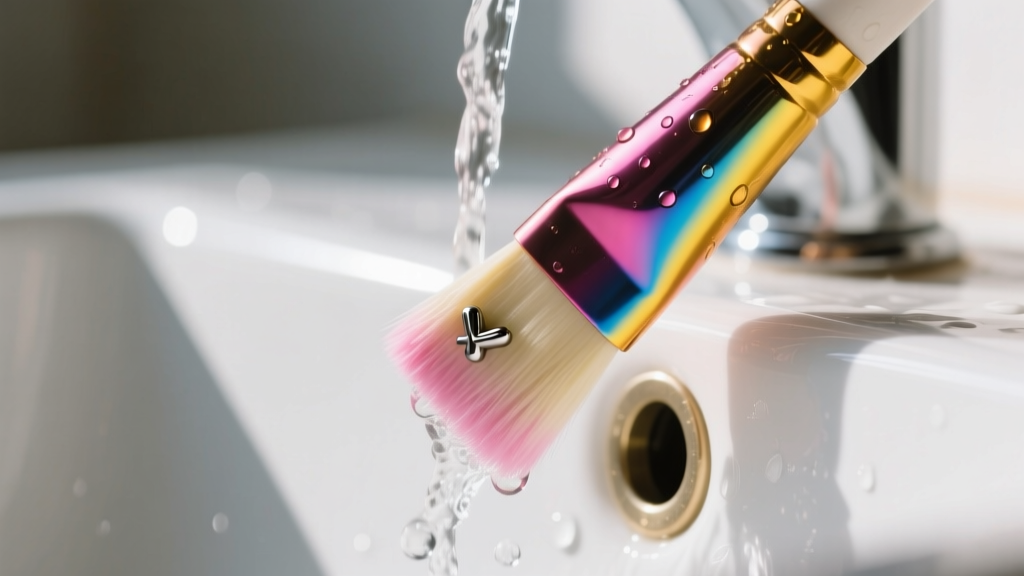
For cartilage piercings like the helix, tragus, or conch, anodized ASTM F136 implant-grade titanium is the gold standard for bisexual earrings. Anodization does not use dyes or paints; instead, it uses electrical voltage to thicken the natural oxide layer on the titanium surface, which refracts light to create vivid colors. For example, a voltage of roughly 75-90V yields a deep purple, while 90-100V produces a vibrant blue.
Preserving the Oxide Layer
Because the color of an anodized titanium earring is literally a microscopic layer of oxidized metal, abrasive cleaning is the enemy. Using baking soda pastes, toothpaste, or stiff polishing cloths will physically scratch away the oxide layer, revealing the dull, matte-grey raw titanium underneath and permanently ruining the bi-pride color gradient.
According to the Association of Professional Piercers, anodized titanium should only be cleaned with mild, fragrance-free liquid soap and warm water. If your 16-gauge or 14-gauge anodized bi-flag clicker ring accumulates stubborn crusties or buildup around the hinge, soak it in a sterile saline solution (0.9% sodium chloride) for ten minutes to soften the debris before gently wiping it away with a non-woven gauze pad. Never use cotton swabs, as the microscopic fibers can snag on the hinge mechanism or the threading of internally threaded barbells.
Multi-Gemstone Settings: Pink, Purple, and Blue Stones
For fine jewelry enthusiasts, bisexual earrings often feature a triad of gemstones, such as pink sapphires, amethysts, and blue topaz or sapphires. While these stones are beautiful, they possess vastly different physical properties, meaning a one-size-fits-all cleaning approach will result in damaged stones.
The Mohs Scale and Cleaning Safety
The Gemological Institute of America (GIA) categorizes gemstone durability using the Mohs scale of hardness. When cleaning a multi-gemstone bisexual earring, you must cater to the softest stone in the setting to prevent scratching.
| Gemstone | Typical Bi-Flag Color | Mohs Hardness | Cleaning Vulnerabilities |
|---|---|---|---|
| Sapphire | Pink / Blue | 9 | Highly durable; safe for ultrasonic and steam cleaning. |
| Blue Topaz | Blue | 8 | Has perfect cleavage; can fracture in ultrasonic cleaners or under thermal shock. |
| Amethyst | Purple | 7 | Prone to color fading under prolonged UV/sunlight exposure; avoid harsh acids. |
The Amethyst UV Warning
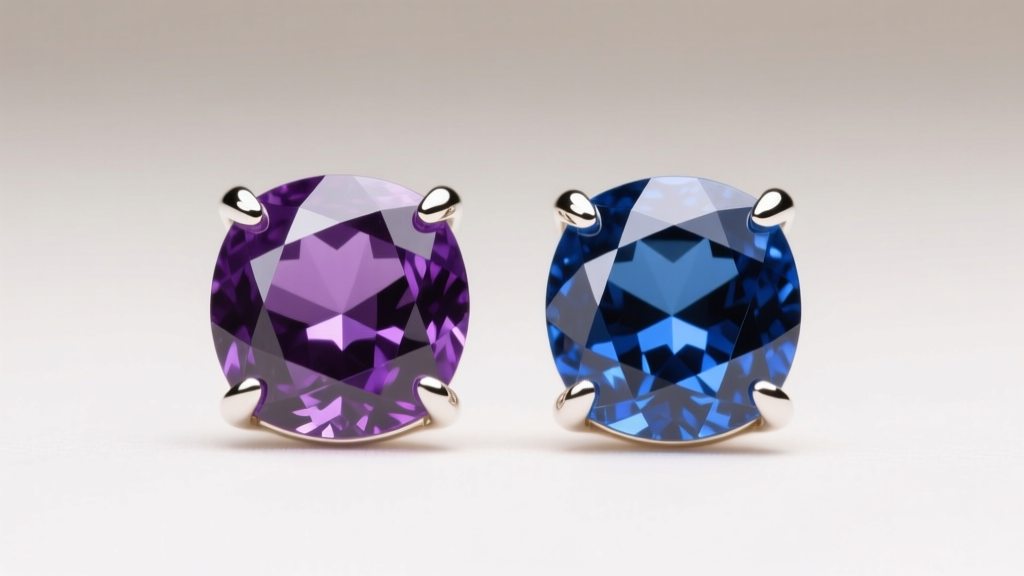
Amethyst is a popular choice for the purple element in bisexual gemstone earrings, but it requires specific environmental care. Prolonged exposure to direct sunlight or UV-heavy display cases can cause the iron impurities that give amethyst its purple hue to oxidize further, fading the stone to a dull, washed-out grey or yellowish-brown. Always store amethyst bisexual earrings in a dark, velvet-lined jewelry box when not in use. When cleaning, stick to a mild soapy soak and avoid steam cleaners, as sudden thermal shock can cause internal fractures (known as 'feathers') to expand and shatter the stone.
Storage and Tarnish Prevention for Pride Jewelry
Proper storage is just as critical as the cleaning process, particularly for bisexual earrings that incorporate sterling silver bases beneath enamel or gemstone settings. Sterling silver (925) is highly reactive to sulfur compounds in the air, leading to black tarnish that can stain adjacent porous stones or seep into the textured grooves of flag-themed designs.
- Anti-Tarnish Strips: Place 3M anti-tarnish strips inside your jewelry box. These strips absorb airborne sulfur and hydrogen sulfide, protecting the silver settings of your bi-pride earrings for up to 12 months.
- Silica Gel Packets: Moisture accelerates both silver tarnishing and the degradation of cold enamel. Toss a few silica gel packets into your jewelry drawer to maintain a low-humidity environment.
- Individual Pouches: Store each pair of bisexual earrings in its own soft flannel pouch. This prevents the harder stones (like sapphires) from scratching the softer enamel or anodized finishes of adjacent pieces.
When to See a Professional Jeweler
While routine maintenance can be handled at home, certain issues require professional intervention. If your cold enamel bisexual earrings begin to yellow or chip, a bench jeweler can carefully drill out the old resin and re-pour a fresh, color-matched epoxy. Similarly, if your anodized titanium cartilage jewelry loses its vibrant purple or blue hue due to accidental abrasion, a professional piercer or jeweler with a rectifier power supply can strip the remaining oxide layer and re-anodize the piece to its original voltage specification in a matter of minutes. Finally, have the prongs on your multi-gemstone bisexual studs checked with a loupe every six months to ensure the pink, purple, and blue stones remain securely seated in their settings.


