Fused Glass Earrings Troubleshooting: Repairs & Care
Learn how to troubleshoot fused glass earrings. Discover expert fixes for detached bails, cloudiness, and heavy lobes, plus proper cleaning tips.

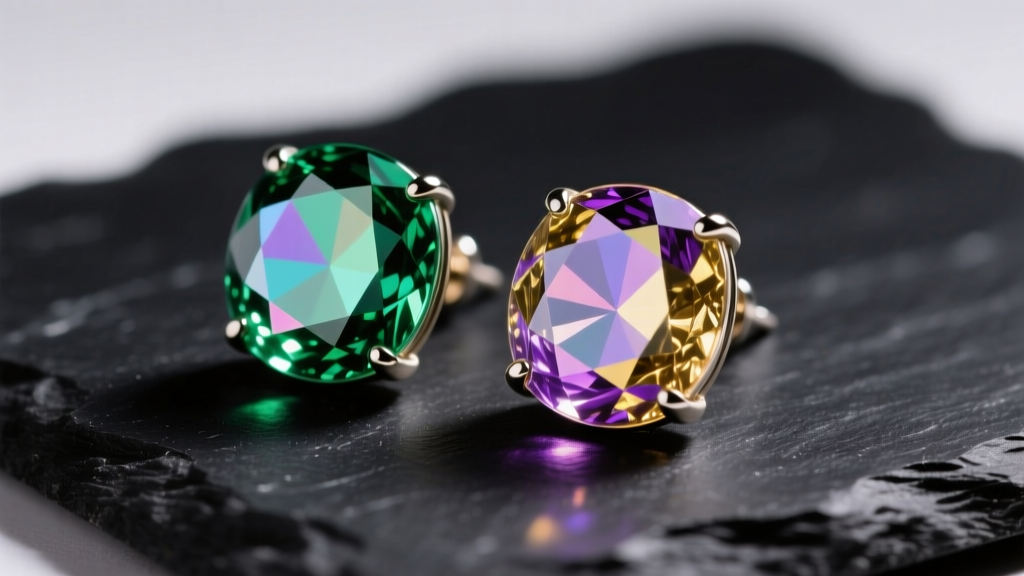
The Unique Vulnerabilities of Kiln-Formed Jewelry
As we navigate the artisan jewelry landscape of 2026, kiln-formed accessories remain highly sought after for their unparalleled depth and colorplay. However, fused glass earrings present a unique set of structural challenges that mass-produced metal jewelry simply does not face. Glass is an amorphous solid; it lacks a crystalline structure, making it incredibly strong under compression but highly susceptible to tensile stress, thermal shock, and adhesive failure.
Whether you are an independent glass artist troubleshooting your production line or a collector trying to salvage a favorite pair of dichroic drops, understanding the material science behind these pieces is critical. From the coefficient of expansion (COE) to the chemistry of jewelry adhesives, solving problems with fused glass requires a methodical, science-backed approach. Below, we break down the most common failure modes and provide actionable, expert-level solutions.
Troubleshooting Bail and Post Detachment
The single most frequent point of failure in fused glass earrings is the detachment of the metal bail or earring post. Glass is entirely non-porous. When jewelers use flexible, solvent-based adhesives like E6000, the bond relies entirely on surface tension. Over time, exposure to skin oils, UV light, and the natural flexing of the earlobe causes the adhesive to peel away from the smooth glass surface.
The 220-Grit Sanding and Epoxy Protocol
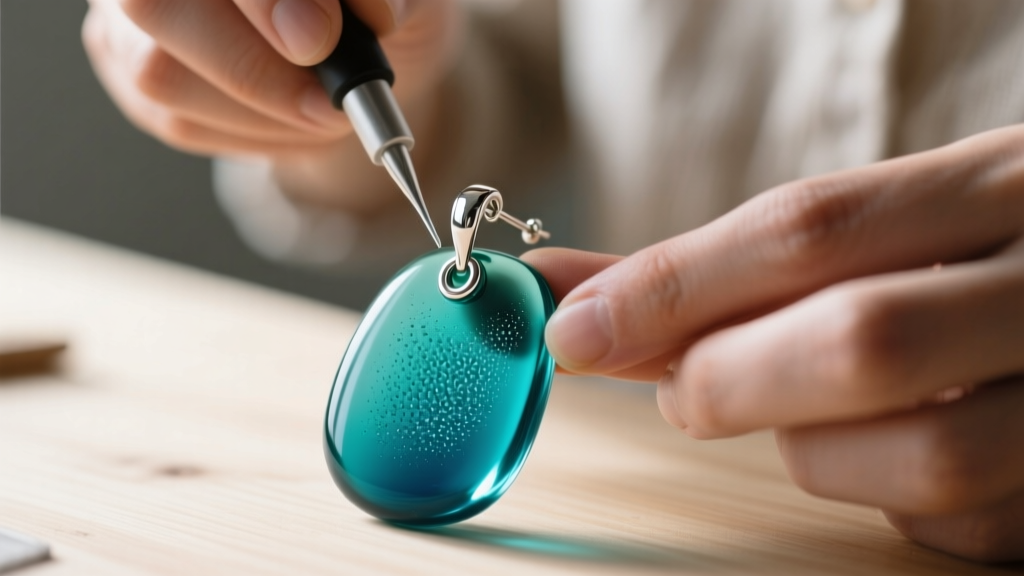
To create a permanent bond, you must alter the physical topography of the glass and use a rigid, two-part chemical adhesive. Follow this exact protocol for reattaching bails and posts:
- Surface Preparation: Using 220-grit silicon carbide sandpaper, gently scuff the exact footprint of the bail on the back of the glass. You are not trying to scratch the glass deeply; you are creating microscopic 'tooth' for the adhesive to grip.
- Chemical Cleaning: Wipe the sanded area and the metal bail with 99% isopropyl alcohol (IPA). Do not use rubbing alcohol (70%), as the water content will trap moisture under the glue.
- Adhesive Selection: Discard E6000. Use a high-quality, two-part epoxy such as JB Weld ClearWeld or Loctite Epoxy Metal/Concrete. These cure into a rigid, high-tensile-strength polymer that will not degrade from body heat.
- Curing: Apply a micro-drop of mixed epoxy to the bail, press firmly onto the glass, and secure with painter's tape. Allow a full 24-hour cure time before wearing.
Solving the 'Heavy Lobe' Droop Problem
Fused glass is dense, with a specific gravity of approximately 2.5 g/cm³. A seemingly modest 25mm x 25mm cabochon that is 6mm thick can easily weigh over 7 grams. When mounted on standard, mass-produced 22-gauge earring posts, this weight causes the metal to bend, resulting in earrings that point permanently toward the floor.
Weight-to-Gauge Support Matrix
To prevent the 'droop' effect and avoid stretching the earlobe piercing, the hardware must be scaled to the mass of the glass. Consult the table below to match your glass dimensions with the correct structural support.
| Glass Cabochon Size | Est. Weight (6mm Thick) | Minimum Post Gauge | Recommended Backing / Style |
|---|---|---|---|
| 15mm x 15mm | ~2.5 grams | 22-Gauge | Standard butterfly back or silicone O-ring |
| 25mm x 25mm | ~7.0 grams | 20-Gauge | Jumbo silicone backs or La pousette locking backs |
| 35mm x 35mm | ~14.0 grams | 18-Gauge | Leverback wires with counterweight or French wire with silicone stopper |
Expert Insight: For oversized dichroic pendants exceeding 15 grams, avoid standard stud posts entirely. Instead, drill the glass using a diamond core drill bit and mount it on a heavy-duty 18-gauge sterling silver or niobium leverback wire. This transfers the weight to the cartilage ridge of the ear rather than the soft tissue of the lobe.
Fixing Cloudiness and Devitrification
Devitrification, commonly known as 'devit,' is the crystallization of silica on the surface of the glass during the kiln firing process. It manifests as a scummy, cloudy, or matte white film that ruins the optical clarity of dichroic and transparent glasses. While makers try to prevent this by using devit spray or adjusting kiln schedules, it can still occur, or cloudiness can develop over time from hard water and soap residue.
The Vinegar Soak and Cerium Oxide Polish
Do not attempt to scrape devit off with a razor blade, as this will leave permanent micro-scratches. Instead, use a chemical and mechanical approach:
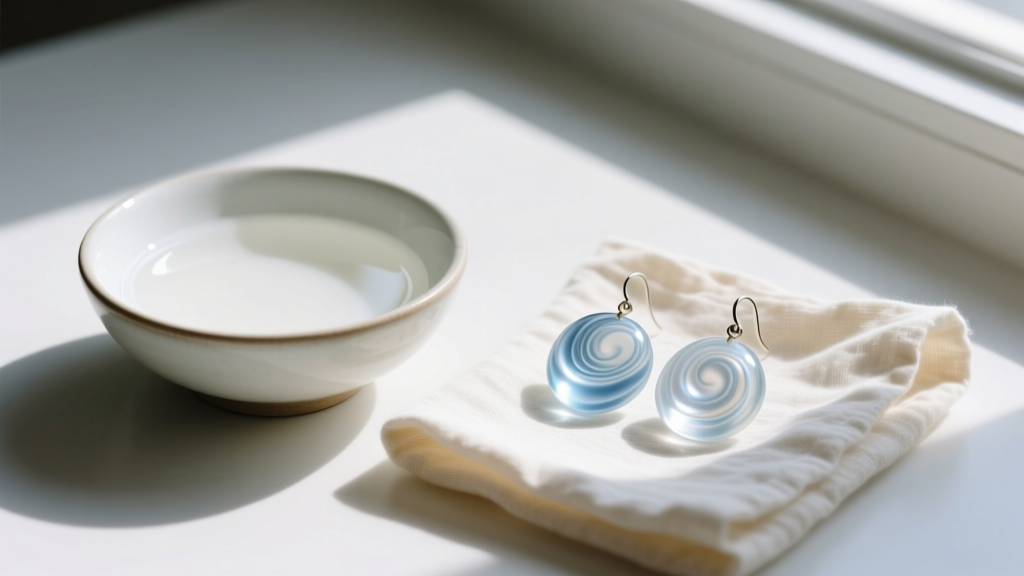
- For Mild Cloudiness (Soap/Hard Water): Soak the earrings in a 50/50 solution of distilled white vinegar and warm water for 15 minutes. The mild acetic acid will dissolve alkaline mineral deposits. Rinse with distilled water and dry with a lint-free microfiber cloth.
- For Stubborn Devitrification: You will need to mechanically polish the glass. Create a slurry using Cerium Oxide powder and water. Apply the slurry to a felt polishing pad attached to a rotary tool (running at a low speed, around 1,500 RPM) and gently buff the surface. Keep the glass wet to prevent thermal shock from friction heat.
Diagnosing Micro-Cracks and Thermal Shock
If your fused glass earrings are spontaneously cracking or shattering days or weeks after they were made, you are dealing with an annealing failure or a Coefficient of Expansion (COE) mismatch. Glass must be cooled through its annealing range (typically between 900°F and 960°F, depending on the manufacturer) to relieve internal stresses.
According to the Bullseye Glass Technical Notes, mixing glasses with different COEs (e.g., combining COE 90 Bullseye glass with COE 96 Spectrum glass) guarantees structural failure. The different expansion rates will tear the glass apart at the molecular level as it cools. If you inspect the earring with a 10x jeweler's loupe and see a jagged, branching fracture line originating from the edge or a drilled hole, the piece is structurally compromised. There is no adhesive or resin that can safely repair a stress fracture in kiln-formed glass; the piece must be retired or re-fired in a kiln to slump it into a new, safe shape.
Upgrading Hardware for Sensitive Ears and Heavy Loads
Because fused glass earrings are often heavier than standard jewelry, they cause more friction and movement within the piercing channel. This micro-movement can introduce nickel ions from cheap base-metal posts into the skin, triggering severe contact dermatitis. Furthermore, heavy glass can cause the earlobe to swell, trapping standard butterfly backs against the skin and creating a breeding ground for bacteria.
To troubleshoot irritation and security issues simultaneously, upgrade your findings. Source implant-grade titanium (ASTM F136) or pure niobium posts from specialized suppliers like Rio Grande Earring Findings. Pair these hypoallergenic posts with 'La pousette' locking earring backs. These feature a patented internal spring mechanism that grips the post securely without pinching the earlobe, providing the necessary support for heavy glass while allowing the piercing to breathe and heal.
Summary Checklist for Makers and Wearers
Maintaining the structural integrity and visual brilliance of fused glass earrings requires respecting the material's physical limits. Always sand and chemically clean glass before applying two-part epoxy, scale your metal gauge to the weight of the cabochon, and never mix COE ratings in the kiln. By implementing these precise troubleshooting protocols, you can ensure your artisan glass jewelry remains as durable as it is beautiful.


